
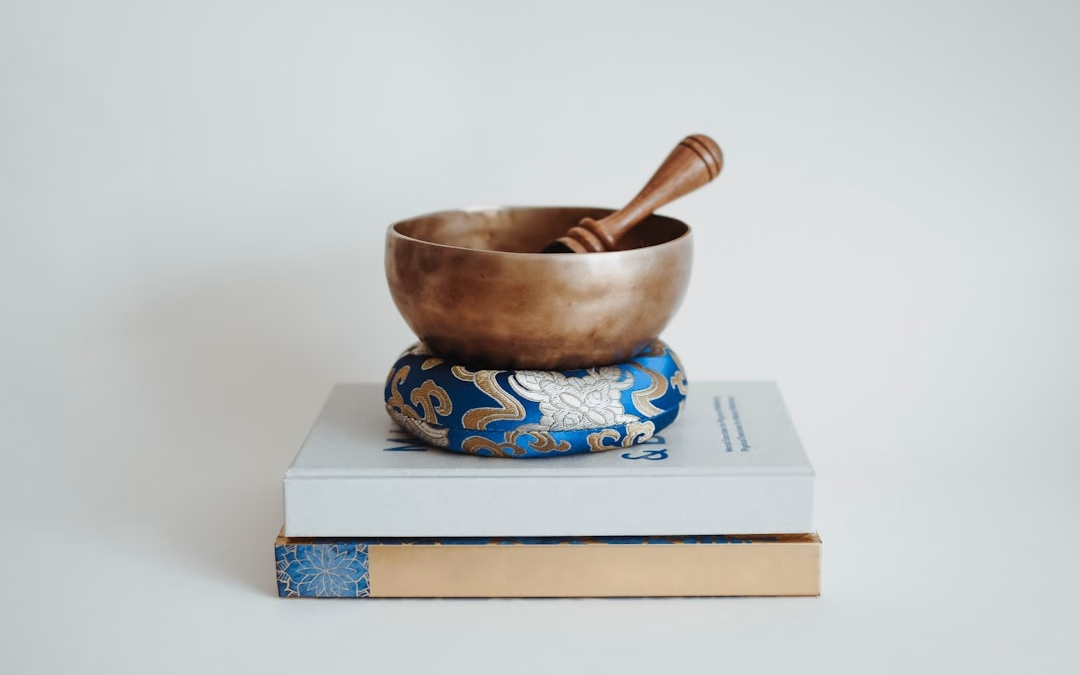
Finding inner peace, at its core, is about cultivating a sense of calm and contentment within yourself, regardless of external circumstances. It’s not about being free from problems, but about developing the resilience and perspective to navigate them without being overwhelmed. Spiritual wellness plays a huge role in this process, guiding us toward a deeper understanding of ourselves and our place in the world. It’s less about strict religious adherence and more about exploring meaning, purpose, and connection.
When we talk about spiritual wellness, it’s easy to jump straight to traditional religion. And while faith can absolutely be a cornerstone of spiritual well-being for many, it’s a much broader concept. Think of it as nurturing your inner self – the part of you that seeks meaning, purpose, and connection beyond the purely material. It’s about building a strong foundation of values and beliefs that guide your actions and shape your perspective.
What Spiritual Wellness Actually Is
Spiritual wellness is about finding what resonates with you. It’s often deeply personal and varies from person to person. It could be found in nature, through creative expression, in acts of service, or in quiet contemplation. The key is that it connects you to something larger than yourself, giving your life a sense of direction and significance. It’s not about escaping reality, but about enriching it.
Beyond the Dogma: Personal Exploration
You don’t need a specific creed or a set of rituals to be spiritually well. It’s more about a conscious effort to understand your own values and how they influence your life. This can involve self-reflection, journaling, spending time in nature, or engaging in activities that bring you a sense of awe or wonder. It’s about asking the big questions: “Why am I here?” and “What truly matters to me?”
Spiritual wellness is an essential aspect of overall well-being, and it can be enhanced through various practices and lifestyle choices. One interesting article that delves into the connection between nutrition and spiritual health is available at this link: Explore the Best Food Preservation Techniques. This article discusses how mindful eating and preserving food can contribute to a more conscious and fulfilling spiritual journey, highlighting the importance of nourishing both the body and the spirit.
Practical Pathways to Inner Calm
Okay, so understanding what spiritual wellness is helps, but how do we actually do it? It’s less about grand gestures and more about consistent, small steps that accumulate over time. Think of it like tending a garden – regular care yields beautiful results.
Mindful Movement and Stillness
Our bodies and minds are deeply interconnected. Engaging in practices that bring both into harmony can be incredibly powerful for cultivating inner peace.
The Power of Meditation
Meditation isn’t about emptying your mind; it’s about observing it without judgment. Even a few minutes a day can make a significant difference. There are many types: focused attention (on breath, a mantra), open monitoring (observing thoughts and sensations), or guided meditations. The goal is to create a space of awareness and reduce the mind’s tendency to get caught up in worries and distractions. Apps like Calm or Headspace can be great starting points if you’re new to it.
Yoga and Tai Chi
These ancient practices combine physical postures, breathwork, and often meditative elements. They improve flexibility, strength, and balance, but just as importantly, they foster a deeper connection between mind and body. The emphasis on breath and mindful movement helps to quiet the internal noise and bring you into the present moment. It’s a moving meditation that calms the nervous system.
Simply Being Present
Sometimes, cultivating stillness just means pausing. Before you grab your phone or rush to the next task, take a few deep breaths. Really feel your feet on the ground, notice the sounds around you. These micro-moments of presence can add up, helping you anchor yourself in the now rather than being swept away by worries about the future or regrets about the past.
Cultivating Connection and Compassion
Humans are social creatures, and our well-being is deeply tied to our connections with others and the world around us. Isolation can be detrimental to inner peace.
Meaningful Relationships
Nurturing genuine, supportive relationships is vital. This means investing time and energy into friendships, family, and community ties that uplift you. It’s about having people with whom you can be your authentic self, share your struggles, and celebrate your joys. These connections provide a sense of belonging and reduce feelings of loneliness.
Acts of Service
Shifting your focus from yourself outwards can be incredibly rewarding. Volunteering, helping a neighbor, or simply offering a kind word can create a powerful sense of purpose and connectedness. When you contribute to something larger than yourself, it often brings a deep sense of satisfaction and meaning that goes beyond personal gain. It reminds us of our shared humanity.
Practicing Self-Compassion
This is often harder than it sounds. We tend to be our own harshest critics. Self-compassion means treating yourself with the same kindness and understanding you would offer a good friend. Acknowledge your struggles, forgive your imperfections, and understand that suffering is a part of the human experience. It’s about recognizing your inherent worth, not about self-indulgence.
Finding Your Purpose and Meaning
A significant part of spiritual wellness involves understanding your unique contribution to the world and what gives your life meaning. This isn’t about finding the purpose, but your purpose, which can evolve over time.
Reflecting on Your Values
What truly matters to you? Take some time to identify your core values – honesty, creativity, connection, growth, compassion, integrity, etc. Once you know what they are, you can consciously align your actions and decisions with them. Living in alignment with your values reduces internal conflict and fosters a sense of authenticity.
Engaging with Nature
Spending time outdoors, whether it’s a walk in the park, hiking in the mountains, or simply sitting by a window and observing the weather, can be profoundly therapeutic. Nature reminds us of our place in a larger, interconnected system. It offers perspective, reduces stress, and often brings a sense of awe and wonder, which are key components of spiritual experience.
Creative Expression
For many, creativity is a spiritual act. Whether it’s writing, painting, playing music, cooking, gardening, or building something, engaging in creative activities allows for self-expression and can be a powerful way to process emotions and discover new insights. It’s a form of active meditation that brings you into a flow state, where time seems to disappear.
Navigating Challenges with Resilience
Life inevitably throws curveballs. Inner peace isn’t about avoiding these challenges, but about developing the inner strength and perspective to navigate them effectively.
Embracing Impermanence
One of the deepest truths of life is that everything changes. People, situations, feelings – nothing lasts forever. Resisting this truth often leads to suffering. Embracing impermanence means understanding that good times won’t last forever, but neither will bad times. This perspective can reduce attachment to outcomes and foster greater acceptance of what is.
Learning from Setbacks
Instead of viewing challenges as failures, see them as opportunities for growth. What can you learn from this difficult experience? How can it make you stronger, wiser, or more compassionate? This mindset shift can turn what feels like a setback into a stepping stone.
Developing Adaptability
Life rarely goes exactly as planned. Cultivating adaptability means being open to new paths, adjusting your expectations, and being flexible in your approach. Rigidity often leads to frustration when reality diverges from our desires.
Practicing Gratitude
It’s easy to get caught up in what we lack or what’s going wrong. Making a conscious effort to focus on what you’re grateful for can significantly shift your perspective.
Daily Gratitude Practices
This could be as simple as writing down three things you’re grateful for each evening, or taking a moment to express thanks for something in your day. It retrains your brain to notice the positive, even amidst difficulties. It’s not about ignoring challenges, but about expanding your awareness to include the good.
Expressing Appreciation
Go beyond merely feeling grateful; express it. Thank someone who has helped you, acknowledge the efforts of others, or simply let someone know you appreciate them. This not only strengthens your connections but also deepens your own sense of gratitude.
Exploring the concept of spiritual wellness can greatly enhance your overall well-being, and you might find valuable insights in related articles. For instance, a recent piece discusses essential aspects of rural living that contribute to a more fulfilling life, emphasizing the connection between nature and personal growth. You can read more about this in the article on top rural living essentials for a comfortable country life. Engaging with such resources can inspire you to cultivate a deeper sense of peace and purpose in your daily routine.
Sustaining Your Spiritual Journey
| Aspect | Metric |
|---|---|
| Gratitude | Number of things you are grateful for each day |
| Meditation | Minutes spent meditating per day |
| Connection | Number of meaningful connections made each week |
| Reflection | Time spent reflecting on personal values and beliefs |
Finding inner peace isn’t a one-time achievement; it’s an ongoing journey. Like physical health, spiritual wellness requires consistent attention and care.
Regular Self-Reflection
Take time regularly to check in with yourself. How are you feeling? What’s working well? What areas need more attention? This could be through journaling, quiet contemplation, or talking with a trusted friend or mentor. Self-reflection helps you stay in tune with your needs and ensures your actions align with your values.
Seeking Guidance and Community
You don’t have to navigate your spiritual path alone. Connecting with like-minded individuals, joining a spiritual community (if that resonates with you), or seeking guidance from a therapist, counselor, or spiritual leader can provide invaluable support and different perspectives. We learn and grow through our interactions with others.
Patience and Persistence
There will be days when you feel disconnected, frustrated, or like you’re not making progress. This is normal. Inner peace isn’t about constant bliss; it’s about developing a stable inner core that can weather storms. Be patient with yourself, acknowledge your efforts, and gently guide yourself back to your practices. It’s a lifelong journey, not a destination. Small, consistent efforts compound over time, leading to profound and lasting changes in your overall well-being.
