
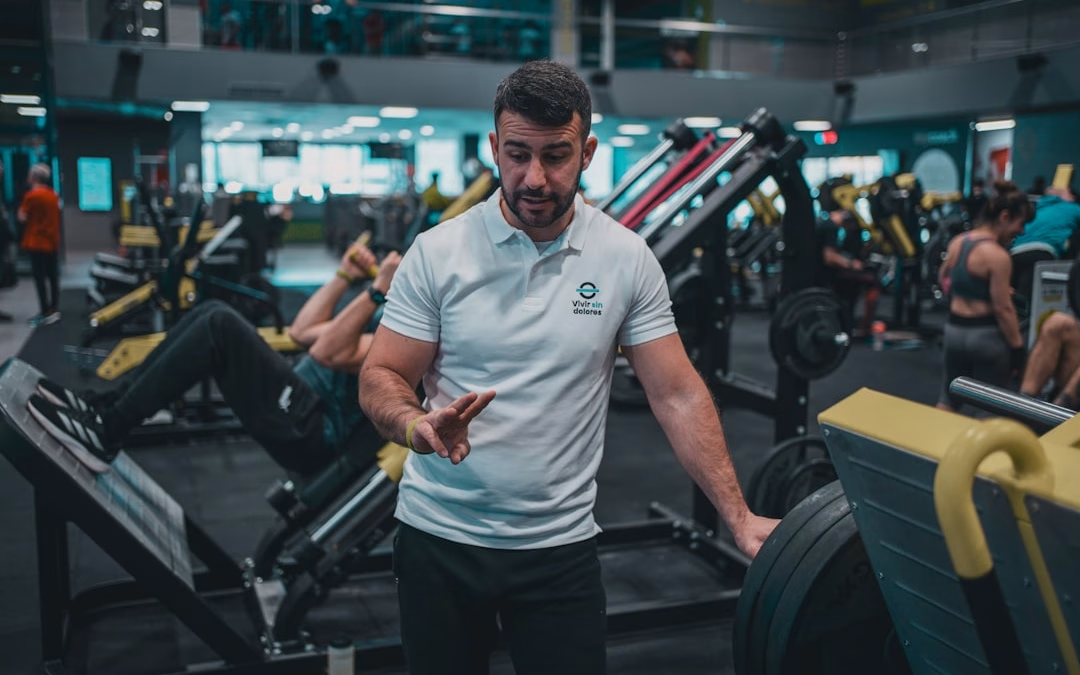
So, you’re wondering how to get the most out of our fitness center to really boost your health? It’s a great question, and honestly, the answer isn’t about just showing up. It’s about being smart with your time and energy, and understanding what we offer here can make a big difference. Think of it as a toolkit for your well-being, and we’ll walk through how to use that toolkit effectively.
Before you even break a sweat, the most crucial step is figuring out where you’re at. This isn’t about judgment; it’s about building a solid foundation for whatever health goals you have in mind. Trying to run a marathon without knowing your current endurance level is a recipe for frustration, and the same applies to fitness.
The Importance of a Health Assessment
Here at the center, we offer professional health assessments that go beyond just taking your weight. These can include things like measuring your body composition (the ratio of fat to muscle), assessing your cardiovascular health, and looking at your flexibility and range of motion. Knowing these numbers gives you a clear picture of your current fitness.
- What to Expect: Our qualified staff will guide you through the process. They’ll explain what each test means and how it relates to your overall health. It’s a chance to ask questions and get personalized insights.
- Why It Matters: This assessment provides a baseline. You can then track your progress accurately, celebrate milestones, and identify areas that might need more attention. Without a starting point, it’s hard to know if you’re actually moving forward.
Setting Realistic Goals
Once you know your starting point, you can set goals that are both challenging and achievable. This is where the “practical” part comes in. Trying to lose 50 pounds in a month is likely to end in disappointment, but aiming for a consistent few pounds per week combined with improved energy levels is much more sustainable.
- SMART Goals: Remember the SMART framework? Specific, Measurable, Achievable, Relevant, and Time-bound. For example, instead of “get fit,” a SMART goal could be “increase my treadmill speed by 1 mph and be able to hold it for 20 minutes within the next month.”
- Talk to Our Experts: Our trainers can help you refine your goals and make sure they align with your assessment results and your personal aspirations. They’ve seen a lot of people succeed, and they know what works.
For those interested in enhancing their health and fitness journey, exploring the principles of self-sufficiency can be incredibly beneficial. A related article that delves into this topic is “Unlock Self-Sufficiency: Essential Tips for Independent Living,” which provides valuable insights on how to cultivate a healthier lifestyle through sustainable practices. You can read the article here: Unlock Self-Sufficiency: Essential Tips for Independent Living. This resource offers practical advice that can complement your fitness goals by promoting a holistic approach to well-being.
Designing Your Personalized Fitness Plan
Having a plan is key to maximizing your health. Wandering around the gym without a direction can feel overwhelming and unproductive. A well-designed plan takes into account your goals, your current fitness level, and your preferences.
The Role of Our Certified Trainers
Our trainers are more than just people who show you how to use the machines. They’re educated professionals who can create bespoke workout routines tailored to your specific needs. Whether you’re recovering from an injury, preparing for a specific event, or just want to feel stronger, they have the expertise.
- One-on-One Sessions: These are invaluable for getting personalized attention and instruction. A trainer can correct your form, push you when you need it, and offer modifications if something isn’t working for you. This significantly reduces the risk of injury.
- Program Design: Even if you prefer to work out independently, a trainer can design a comprehensive program for you. This might include strength training, cardiovascular exercises, flexibility work, and even suggestions for nutrition.
Balancing Different Training Types
Your body thrives on variety. Focusing on just one type of exercise means you’re missing out on potential benefits and could even lead to plateaus in your progress.
- Strength Training: Essential for building muscle mass, which boosts metabolism and improves bone density. Don’t shy away from weights; they’re your allies in getting stronger.
- Compound vs. Isolation Exercises: Learn the difference. Compound movements like squats, deadlifts, and bench presses work multiple muscle groups simultaneously, offering a more efficient workout. Isolation exercises target specific muscles. A good plan incorporates both.
- Progressive Overload: To keep seeing results, you need to gradually increase the demands on your muscles. This could mean lifting more weight, doing more repetitions, or reducing rest times.
- Cardiovascular Exercise: Crucial for heart health, endurance, and calorie burning.
- Finding Your Rhythm: Whether it’s running, cycling, or using the elliptical, find activities you enjoy. Consistency is easier when you’re not dreading it.
- Interval Training: Mixing high-intensity bursts with periods of lower intensity can be highly effective for improving fitness and burning calories.
- Flexibility and Mobility: Often overlooked, but vital for injury prevention and overall movement quality.
- Stretching: Static stretches (holding a stretch) are best done after a workout. Dynamic stretches (moving through a range of motion) are great for warm-ups.
- Yoga and Pilates: We often have classes or dedicated spaces for these disciplines, which are excellent for core strength, flexibility, and mindfulness.
Utilizing Our Diverse Equipment and Facilities
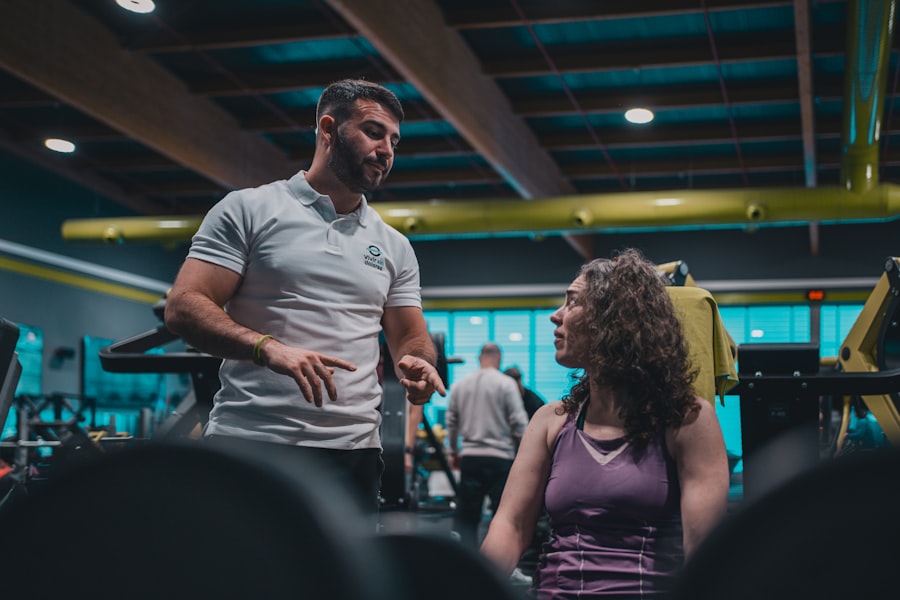
We’ve invested in a wide range of equipment for a reason. Each piece serves a purpose, and understanding their benefits can help you diversify your workouts and target specific areas.
Cardio Machines: More Than Just Treadmills
While treadmills are popular, explore the other options available. They offer different ways to get your heart rate up and can be less impactful on your joints.
- Elliptical Trainers: A low-impact option that works both the upper and lower body.
- Stationary Bikes: Great for cardiovascular health without the stress of running. We have upright, recumbent, and spin bikes, each offering a slightly different experience.
- Rowing Machines: A full-body workout that engages your legs, core, and arms, while also providing an excellent cardiovascular challenge.
- Stair Climbers: A more intense cardiovascular workout that also targets your leg muscles.
Strength Training Equipment: From Free Weights to Machines
Don’t get intimidated by the weight room. It’s a powerful tool for building a stronger, healthier body.
- Free Weights (Dumbbells, Barbells, Kettlebells): Offer a greater range of motion and require more stabilization, leading to greater muscle activation and functional strength.
- Learning Proper Form: This is paramount. Improper form with free weights is a fast track to injury. Our trainers can show you the correct technique for every exercise.
- Versatility: Free weights can be used for an incredible variety of exercises targeting every muscle group.
- Weight Machines: Designed to guide your movement for specific muscle groups. They can be great for beginners or for isolating a particular muscle.
- Targeted Muscle Groups: Each machine targets specific muscles, making it easier to focus on areas you want to develop.
- Safety Features: Many machines have built-in safety mechanisms to help prevent injury.
Functional Training Areas
These areas are designed for exercises that mimic everyday movements, improving your overall ability to perform daily tasks with ease and grace.
- Kettlebells and Medicine Balls: Useful for dynamic movements, core training, and building explosive power.
- Resistance Bands: Lightweight, portable, and incredibly versatile for strength training and rehabilitation.
- Agility Ladders and Cones: Excellent for improving coordination, speed, and footwork.
Embracing Our Group Fitness Classes
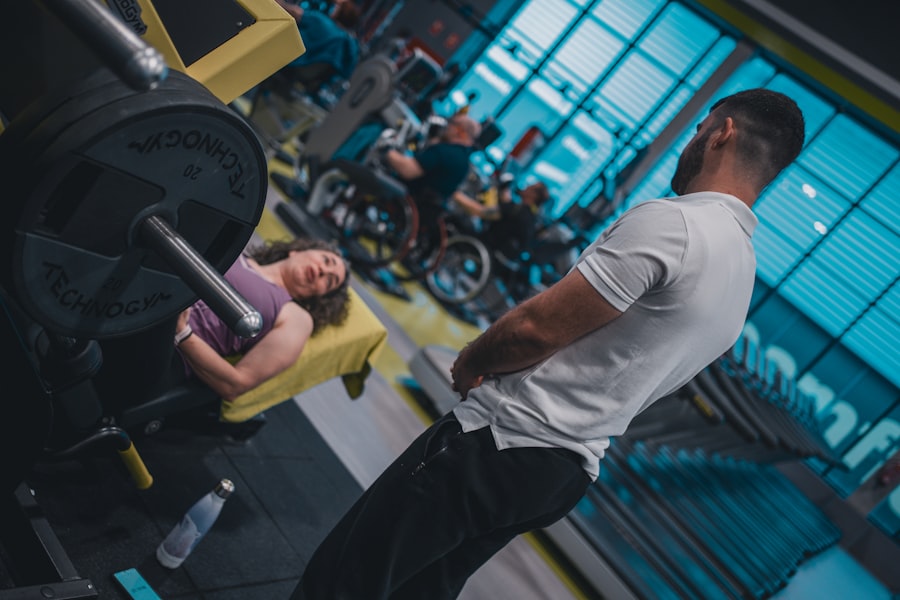
Group fitness classes are a fantastic way to stay motivated, try new things, and benefit from expert instruction in a fun, energetic environment.
The Benefits of Group Dynamics
Working out with others can be incredibly motivating. The shared energy and the sense of community can push you to work harder and stick with your routine.
- Motivation and Accountability: Knowing that others are relying on you to show up can be a powerful motivator. Plus, the instructor keeps you engaged.
- Variety and New Challenges: Classes introduce you to exercises and training styles you might not try on your own, helping you break through plateaus.
- Expert Guidance: Each class is led by a qualified instructor who ensures proper form and provides modifications for different fitness levels.
Exploring Different Class Options
We offer a diverse schedule to cater to various preferences and fitness goals.
- High-Intensity Interval Training (HIIT): Short bursts of intense exercise followed by brief recovery periods, designed to maximize calorie burn and improve cardiovascular fitness.
- Yoga and Pilates: Focus on flexibility, core strength, balance, and mind-body connection. Excellent for stress reduction and improving posture.
- Zumba and Dance Fitness: Fun, energetic classes that make exercise feel like a party. Great for burning calories and improving coordination.
- Strength and Conditioning Classes: Focus on building muscle, increasing strength, and improving overall physical conditioning, often using a combination of weights, bodyweight, and functional movements.
- Circuit Training: Moving from one exercise to another with minimal rest, keeping your heart rate elevated and working multiple muscle groups.
- Bootcamp Style: Often incorporate a mix of cardio, strength, and agility drills for a comprehensive workout.
- Cycling (Spin) Classes: High-energy, instructor-led cycling sessions that offer a challenging cardiovascular workout and can be adjusted for all fitness levels.
If you’re interested in enhancing your overall well-being, exploring holistic approaches can be incredibly beneficial. A related article discusses the transformative effects of holistic farming methods on health and wellness. You can read more about it in this insightful piece on unlocking the power of holistic farming approaches. By integrating these practices into your lifestyle, you may find new ways to improve your fitness and health journey.
Beyond the Workout: Nutrition and Recovery
| Metrics | Value |
|---|---|
| Number of Members | 500 |
| Average Monthly Visits | 2,000 |
| Number of Fitness Classes | 30 |
| Equipment Utilization Rate | 75% |
| Customer Satisfaction Rate | 90% |
Maximizing your health isn’t just about what you do in the gym; it’s also about what you do outside of it. Nutrition and proper recovery are just as crucial for seeing results and maintaining long-term well-being.
The Fuel for Your Body: Nutrition Matters
Your body needs the right fuel to perform at its best and recover effectively. Think of food as the building blocks and energy source for your fitness journey.
- Pre- and Post-Workout Nutrition: Understanding what to eat before and after your workouts can significantly impact your performance and recovery.
- Pre-Workout: Focus on easily digestible carbohydrates for energy and a small amount of protein. Avoid heavy fats and fiber right before exercise.
- Post-Workout: Within a couple of hours, aim for a combination of protein to repair muscle tissue and carbohydrates to replenish energy stores.
- Hydration is Key: Don’t underestimate the power of water. Dehydration can lead to fatigue, decreased performance, and even headaches. Carry a water bottle and sip throughout the day.
- Balanced Diet: Focus on whole, unprocessed foods. Lean proteins, complex carbohydrates, healthy fats, and plenty of fruits and vegetables should form the cornerstone of your diet.
- Consider Consultations: If you’re unsure about your nutritional needs, consider talking to a registered dietitian or nutritionist. They can provide personalized guidance.
The Importance of Recovery and Rest
Your muscles don’t grow stronger while you’re working out; they grow stronger during recovery. Pushing yourself constantly without adequate rest is a recipe for burnout and injury.
- Sleep: Aim for 7-9 hours of quality sleep per night. This is when your body repairs and rebuilds itself.
- Active Recovery: Light activities like walking, gentle stretching, or swimming on your rest days can help reduce muscle soreness and improve blood flow.
- Listen to Your Body: If you’re feeling unusually tired or experiencing persistent pain, it’s a sign you might need to scale back or take an extra rest day. Pushing through chronic pain is never a good idea.
- Mindfulness and Stress Management: Chronic stress can negatively impact your recovery and overall health. Activities like meditation, deep breathing exercises, or even spending time in nature can be beneficial.
By integrating these elements into your routine at our fitness center, you’re not just exercising; you’re actively investing in your long-term health and well-being. It’s about making smart choices and utilizing the resources available to you.
