

Sometimes, life feels like a constant juggle. Between work, family, friends, and just keeping up with everything, finding a moment of quiet for yourself can feel pretty impossible. But what if inner peace isn’t some far-off destination you have to achieve, but rather a skill you can cultivate right where you are? The good news is, it is. Emotional wellbeing, or finding that inner peace, is less about banishing negative feelings and more about developing a healthy relationship with them. Think of it as building emotional resilience – the ability to bounce back, to navigate choppy waters without getting capsized. It’s about understanding yourself a little better and making choices that support your mental and emotional landscape.
When we talk about emotional wellbeing and inner peace, it’s easy to fall into vague ideas. But let’s get down to brass tacks. It’s not about being happy all the time – that’s not realistic. Instead, it’s about having a sense of balance, a feeling of contentment that can coexist with life’s ups and downs. It’s about having the tools to manage stress, regulate your emotions, and feel generally okay with yourself and your life.
It’s Not Just About Avoiding Bad Feelings
This is a crucial point. Trying to suppress or avoid discomfort is often counterproductive. Think of it like trying to hold a beach ball underwater – it takes a lot of effort and eventually, it’s going to pop up. True emotional wellbeing involves acknowledging difficult emotions, understanding where they come from, and learning to process them in healthy ways.
The Mind-Body Connection is Real
Your emotions and your physical health are deeply intertwined. Stress, for example, can manifest as headaches, digestive issues, or muscle tension. Conversely, getting enough sleep, eating nutritious food, and moving your body regularly can significantly impact your mood and your ability to cope with stress. Ignoring one aspect often impacts the other.
It’s a Practice, Not a Destination
Finding inner peace isn’t a one-time event. It’s an ongoing process, a continuous effort to nurture your emotional health. Just like building physical strength requires regular exercise, building emotional resilience needs consistent practice. There will be days when you feel more at peace than others, and that’s perfectly normal. The key is to keep showing up for yourself.
For those interested in enhancing their emotional wellbeing through sustainable practices, the article on small-scale farming offers valuable insights. Engaging with nature and cultivating your own food can significantly improve mental health and provide a sense of purpose. To explore tips for successful small-scale farming and how it can contribute to your emotional wellbeing, check out this informative piece: Thriving on a Small Farm: Tips for Successful Small-Scale Farming.
Practical Strategies for Cultivating Calm
So, how do we actually do this? It’s not about reading a self-help book once and being fixed. It’s about incorporating simple, actionable strategies into your daily life. These are the things that make a tangible difference, even when life is demanding.
Mindfulness: Paying Attention on Purpose
Mindfulness is essentially about being present in the moment without judgment. It’s a skill that can be developed through practice. It’s not about emptying your mind, but rather about noticing what’s happening within you and around you.
Simple Mindfulness Exercises to Try
- Focused Breathing: Find a quiet spot and focus on the sensation of your breath going in and out. If your mind wanders (which it will!), gently bring your attention back to your breath. Even a few minutes a day can make a difference.
- Body Scan Meditation: Lie down or sit comfortably. Bring your awareness to different parts of your body, noticing any sensations without trying to change them. Start with your toes and slowly work your way up to your head.
- Mindful Eating: Engage all your senses when you eat. Notice the colors, textures, smells, and tastes of your food. Chew slowly and savor each bite. This can help you appreciate your meals more and also prevent overeating.
- Mindful Walking: Pay attention to the sensation of your feet hitting the ground, the movement of your body, and the sights and sounds around you. It transforms a mundane activity into an opportunity for presence.
Journaling: A Conversation with Yourself
Putting your thoughts and feelings down on paper can be incredibly cathartic. It’s a safe space to explore your inner world without external pressures or expectations.
Different Journaling Approaches
- Gratitude Journaling: Each day, write down a few things you’re thankful for. This shifts your focus towards the positive aspects of your life, no matter how small.
- Free-Writing: Set a timer for 10-15 minutes and just write whatever comes to mind. Don’t worry about grammar, spelling, or making sense. The goal is to let your thoughts flow freely.
- Emotional Processing Journaling: When you’re feeling a strong emotion, try to write about it. What triggered it? What does it feel like in your body? What thoughts are associated with it? This can help you gain clarity and find ways to cope.
- Goal Setting and Reflection: Use your journal to track your progress towards personal goals, reflect on your experiences, and brainstorm solutions to challenges.
Self-Compassion: Being Kind to Yourself
We’re often our own harshest critics. Self-compassion is about extending the same kindness, understanding, and acceptance to ourselves that we would offer to a good friend.
Practicing Self-Compassion in Daily Life
- Acknowledge Your Struggles: When you make a mistake or face a setback, instead of beating yourself up, acknowledge that it’s difficult. Recognize that suffering is part of the human experience.
- Speak to Yourself Like a Friend: If you were talking to a friend who was going through something similar, what would you say? Offer yourself that same gentle encouragement and support.
- Recognize Our Common Humanity: Remind yourself that everyone makes mistakes, experiences pain, and feels inadequate at times. You are not alone in your struggles.
- Mindful Self-Kindness: When you notice self-critical thoughts, try to replace them with more compassionate ones. For example, instead of “I’m so stupid for doing that,” try “This is a difficult situation, and I’m doing my best.”
Building a Supportive Environment
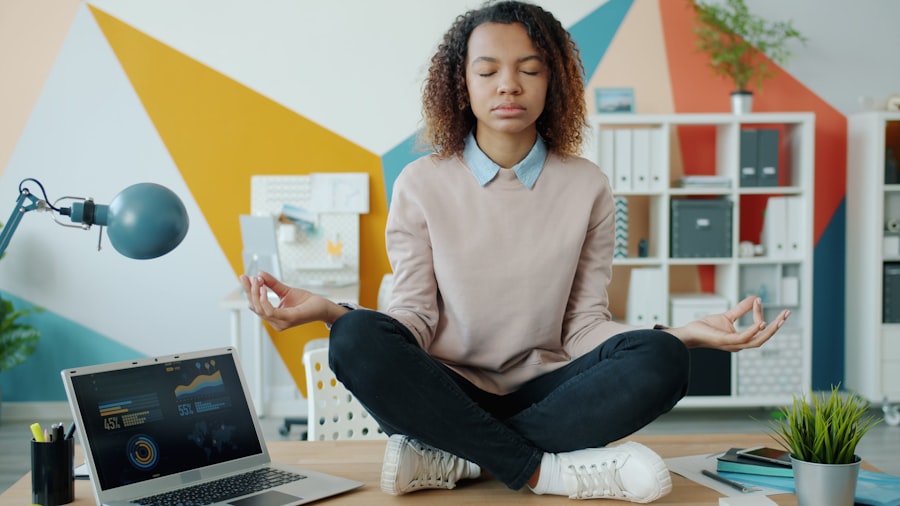
Your surroundings and the people you surround yourself with play a significant role in your emotional wellbeing. Creating a supportive environment isn’t about eliminating all challenges, but about fostering conditions that help you thrive.
The Importance of Social Connection
Genuine connections with others are vital for emotional health. These aren’t just superficial acquaintances; these are people who offer support, understanding, and a sense of belonging.
Nurturing Meaningful Relationships
- Prioritize Quality Over Quantity: Focus on deep, meaningful connections rather than having a large number of shallow relationships.
- Be a Good Listener: When someone opens up to you, give them your full attention. Empathy and validation can be powerful forms of support.
- Communicate Your Needs: Don’t expect others to read your mind. Learn to express your feelings and needs in a clear and assertive way.
- Set Boundaries: It’s okay to say no. Protecting your energy and time is essential for maintaining healthy relationships.
Creating a Peaceful Physical Space
Your physical environment can have a surprisingly big impact on your mental state. A cluttered or chaotic space can contribute to feelings of stress and overwhelm.
Simple Ways to Declutter and Organize
- Start Small: Don’t try to tackle your entire home at once. Pick one small area, like a drawer or a shelf, and work on that.
- The “One In, One Out” Rule: For every new item you bring into your home, get rid of an old one. This helps prevent accumulation.
- Create Zones: Designate specific areas for certain activities. For example, a clear workspace, a cozy reading nook, or a clutter-free area for relaxation.
- Let in Natural Light and Fresh Air: Open your curtains and windows whenever possible. These simple actions can boost your mood and energy levels.
Navigating Challenging Emotions
We all experience difficult emotions – sadness, anger, frustration, anxiety. The goal isn’t to eliminate them, but to learn how to work with them so they don’t control you.
Understanding the “Why” Behind Your Feelings
Sometimes, identifying the root cause of an emotion can be the first step towards managing it. It’s not always obvious, and it often requires a bit of introspection.
Tools for Emotional Exploration
- Emotional Check-ins: Throughout the day, pause and ask yourself, “How am I feeling right now?” Try to label the emotion.
- Identify Triggers: When you experience a strong emotion, try to pinpoint what happened just before it. What were you thinking or doing?
- Explore Underlying Beliefs: Sometimes, our reactions are tied to deeper beliefs we hold about ourselves or the world. Journaling can help uncover these.
- Seek Professional Guidance: If you consistently struggle with intense or overwhelming emotions, a therapist can provide valuable support and tools.
Healthy Coping Mechanisms
Once you understand your emotions, you can start to develop healthier ways of coping with them rather than resorting to unhealthy habits.
Practical Coping Strategies
- Movement and Exercise: Physical activity is a powerful stress reliever and mood booster. Even a brisk walk can make a difference.
- Creative Expression: Engage in activities like drawing, painting, writing music, or dancing. These can be cathartic ways to process emotions.
- Spending Time in Nature: The natural world has a calming effect on many people. Go for a walk in a park, sit by a lake, or simply spend time in your garden.
- Practicing Relaxation Techniques: Deep breathing exercises, progressive muscle relaxation, or guided imagery can help calm your nervous system.
- Engage in Hobbies: Doing something you enjoy that requires your focus can be a great distraction and a source of pleasure.
Emotional wellbeing is intricately connected to our environment and the choices we make regarding our food sources. For those interested in exploring how sustainable practices can enhance both personal health and the planet’s wellbeing, a related article discusses powerful regenerative agriculture methods that can foster a deeper connection to our food systems. You can read more about this fascinating topic in the article on regenerative agriculture. By understanding these practices, we can cultivate not only a healthier lifestyle but also a more harmonious relationship with nature.
Long-Term Wellbeing: Making it Stick
| Category | Metric | Value |
|---|---|---|
| Stress Level | Perceived Stress Scale | 20 |
| Emotional Resilience | Resilience Scale | 75 |
| Life Satisfaction | Satisfaction with Life Scale | 4.5 |
| Positive Emotions | Positive and Negative Affect Schedule | 60 |
Finding inner peace isn’t a temporary fix; it’s about cultivating habits and perspectives that support your emotional wellbeing over the long haul. It’s about building a resilient and balanced life.
The Power of Consistency
As mentioned before, consistency is key. Small, consistent efforts compound over time to create significant change. Don’t get discouraged by occasional setbacks. Just get back on track.
Making Habits Stick
- Start Small and Build: Don’t try to overhaul your entire life at once. Introduce one new habit at a time and gradually build upon it.
- Tie New Habits to Existing Ones: For example, if you want to start meditating, try doing it for five minutes right after you brush your teeth.
- Track Your Progress: Seeing how far you’ve come can be incredibly motivating. Use a journal, an app, or a simple calendar.
- Be Patient with Yourself: Habits take time to form. Don’t expect perfection. Celebrate small wins and learn from slip-ups.
Seeking Professional Support When Needed
There’s absolutely no shame in seeking professional help. In fact, it’s a sign of strength and self-awareness. A therapist or counselor can provide guidance, tools, and support to navigate life’s challenges.
When to Consider Professional Help
- Persistent Feelings of Sadness or Hopelessness: If you’ve been feeling down for an extended period and it’s impacting your daily life.
- Overwhelming Anxiety or Worry: If anxiety is making it difficult to function, sleep, or concentrate.
- Difficulty Coping with Stress: If you feel unable to manage stress and it’s leading to unhealthy behaviors.
- Major Life Transitions: Events like divorce, job loss, or grief can be overwhelming, and professional support can be invaluable.
- Relationship Difficulties: A therapist can help you understand dynamics and improve communication.
Embracing the Journey
Ultimately, finding inner peace is about embracing the process of living. It’s about learning to be present, to be kind to yourself, and to navigate the inevitable challenges with grace and resilience. It’s not about reaching a perfect state, but about continuously growing and evolving. Enjoy the journey, and be patient with yourself along the way.
