
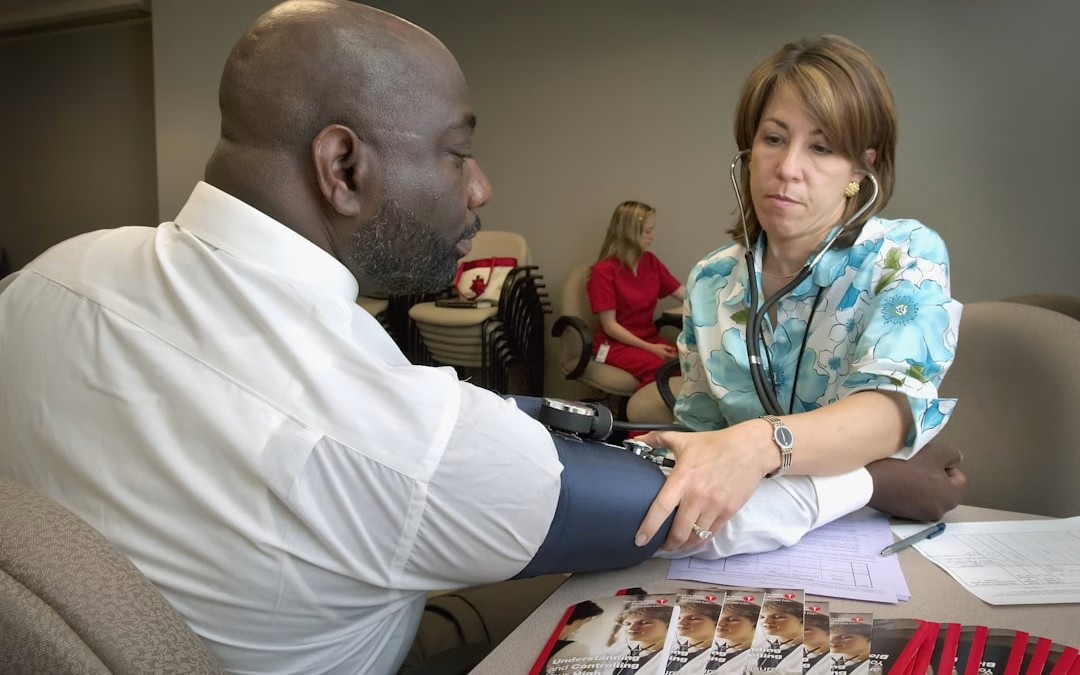
So, you’re looking for ways to manage high blood pressure? The good news is, there’s a lot you can do to get it under control and live a healthier life. It’s not about quick fixes or magic pills, but rather consistent, practical steps that build up over time. Think of it as a marathon, not a sprint, where each small change contributes to a bigger, positive impact on your well-being. This article will walk you through some key strategies, focusing on real-world advice you can actually use.
Before we dive into how to manage it, let’s quickly touch on what high blood pressure (hypertension) actually means and why it’s a big deal. Essentially, it’s when the force of your blood pushing against the walls of your arteries is consistently too high.
Why is it a concern?
Imagine a garden hose with water flowing through it. If the pressure inside the hose is constantly too high, it puts a strain on the hose and the pump. Similarly, high blood pressure puts extra strain on your heart and blood vessels. Over time, this can lead to serious health problems like heart disease, stroke, and kidney issues. The tricky part is, it often has no obvious symptoms, which is why it’s sometimes called the “silent killer.” Regular check-ups are key to catching it early.
What are the numbers?
Blood pressure is measured as two numbers: systolic (the top number) and diastolic (the bottom number). Systolic pressure is the pressure when your heart beats and pumps blood. Diastolic pressure is the pressure when your heart rests between beats. Generally, a normal blood pressure reading is less than 120/80 mmHg. High blood pressure is typically defined as 130/80 mmHg or higher, although your doctor will provide personalized guidance based on your individual health.
If you’re looking to improve your overall health and potentially manage high blood pressure, you might find it beneficial to explore dietary changes, particularly in how you preserve and consume fruits and vegetables. A related article that offers valuable insights on this topic is available at Preserve Your Harvest: Tips for Preserving Fruits and Veggies. This resource provides practical tips on how to maintain the nutritional value of produce, which can be crucial for a heart-healthy diet.
Lifestyle Changes: Your First Line of Defense
When it comes to managing high blood pressure, lifestyle changes are incredibly powerful. They can often be enough to bring your numbers down, or at least significantly reduce the need for medication. These aren’t about drastic, overnight transformations, but rather sustainable shifts in how you live.
Eating for a Healthier Heart
What you put on your plate plays a huge role in your blood pressure. It’s not about restrictive diets, but rather focusing on nutrient-dense foods that support your cardiovascular system.
The DASH Diet Approach
One of the most effective eating plans for blood pressure management is the DASH (Dietary Approaches to Stop Hypertension) diet. It’s not a fad diet; it’s a balanced, evidence-based approach. The core idea is to:
- Eat plenty of fruits and vegetables: These are packed with potassium, magnesium, and fiber, all of which are beneficial for blood pressure. Aim for several servings a day. Think about adding a side salad to lunch, snacking on an apple, or making vegetables a significant portion of your dinner plate.
- Choose whole grains: Opt for whole-wheat bread, brown rice, oats, and quinoa instead of refined grains. They provide fiber and other nutrients that contribute to heart health.
- Incorporate lean protein: Think poultry without the skin, fish, and legumes. These provide essential amino acids without excess saturated fat. Fatty fish like salmon and mackerel are particularly beneficial due to their omega-3 content.
- Limit red and processed meats: These tend to be higher in saturated fat and sodium, which can negatively impact blood pressure. Occasional consumption in moderation is fine, but make them less of a staple.
- Go for low-fat dairy: Milk, yogurt, and cheese are good sources of calcium, which can play a role in blood pressure regulation. Choose low-fat or fat-free versions.
Taming that Sodium Intake
This is a big one. Sodium, found mostly in salt, can make your body hold onto fluid, which increases blood volume and, consequently, blood pressure.
- Read food labels: This is crucial. Many processed and packaged foods, even those that don’t taste salty, are loaded with sodium. Look for “low sodium” or “no added salt” options. Compare brands and choose the one with the lowest sodium content.
- Cook at home more often: When you cook yourself, you’re in control of the ingredients, including the amount of salt you add. Experiment with herbs and spices for flavor instead of relying solely on salt.
- Limit processed foods: Soups, frozen meals, deli meats, and fast food are notorious for their high sodium content. Make these occasional treats rather than regular meals.
- Be mindful of condiments: Ketchup, soy sauce, salad dressings, and pickles can also be major hidden sources of sodium.
The Potassium Connection
Potassium helps balance out the effects of sodium and can relax blood vessel walls.
- Load up on potassium-rich foods: Bananas, oranges, potatoes (with skin), spinach, sweet potatoes, and avocados are excellent sources.
Getting Active: Moving for Your Heart
Regular physical activity is a cornerstone of blood pressure management. It strengthens your heart, helps you maintain a healthy weight, and improves blood flow.
What kind of exercise?
aerobic exercise is particularly beneficial. This includes activities that get your heart rate up and make you breathe a little harder.
- Brisk walking: A great starting point. Aim for at least 30 minutes most days of the week. You don’t need special equipment, just comfortable shoes.
- Jogging or running: If you’re able, picking up the pace can offer even more benefits.
- Swimming: A low-impact option that works your whole body.
- Cycling: Indoors or outdoors, cycling is excellent for cardiovascular health.
- Dancing: A fun way to get your heart rate up!
- Strength training: Incorporating strength exercises a couple of times a week is also important. This builds muscle, which helps with metabolism and overall fitness. You can use weights, resistance bands, or your own body weight.
Making it a habit
Consistency is key. It’s better to do shorter bursts of activity regularly than one long, intense workout once a month.
- Find something you enjoy: You’re more likely to stick with it if it’s not a chore.
- Start slowly and build up: Don’t try to do too much too soon, especially if you haven’t been active for a while.
- Break it up: If 30 minutes feels like too much, try three 10-minute walks throughout the day.
- Buddy up: Exercising with a friend can provide motivation and accountability.
Maintaining a Healthy Weight
Even a modest weight loss can make a significant difference in your blood pressure levels. Excess weight puts extra strain on your heart and circulatory system.
How weight impacts blood pressure
When you gain weight, your body needs more blood to supply oxygen and nutrients to tissues. This means your heart has to work harder, and the increased blood volume can put more pressure on your artery walls. Losing weight, even a small amount, reduces this strain.
Practical strategies for weight management
- Combine diet and exercise: This is the most effective approach for sustainable weight loss.
- Focus on portion control: Eating reasonable portions helps manage calorie intake without feeling deprived.
- Limit sugary drinks: Sodas, fruit juices (even 100% juice can be high in sugar), and sweetened teas contribute to empty calories.
- Stay hydrated: Sometimes thirst is mistaken for hunger. Drink plenty of water throughout the day.
- Be patient: Sustainable weight loss takes time. Focus on healthy habits rather than quick fixes.
Stress Management: A Calmer You, A Calmer Heart
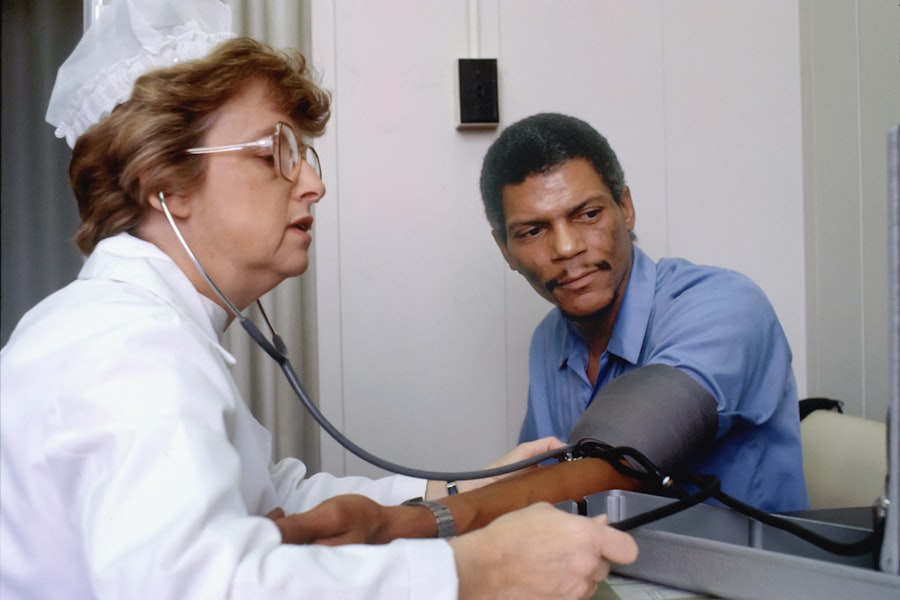
Stress can cause temporary spikes in blood pressure. While it’s not fully understood if chronic stress directly causes long-term high blood pressure, it can certainly contribute to behaviors that do (like overeating, poor sleep, and smoking). Managing stress is an important piece of the puzzle.
Identifying your triggers
The first step to managing stress is recognizing what causes it. Is it work, family, finances, or something else?
Effective stress-reduction techniques
- Mindfulness and meditation: Even a few minutes a day of focused breathing or mindfulness can help calm your nervous system. There are many free apps and online resources to guide you.
- Deep breathing exercises: Simple deep breaths can quickly lower your heart rate and promote relaxation.
- Yoga or Tai Chi: These practices combine physical movement with mindfulness and breathwork, offering both physical and mental benefits.
- Spending time in nature: Studies show that being outdoors can reduce stress and improve mood.
- Hobbies and creative outlets: Engage in activities you enjoy, whether it’s reading, painting, gardening, or listening to music.
- Social connection: Spending time with loved ones and maintaining strong social ties can be a powerful stress buffer.
- Limit caffeine and alcohol: While they might offer temporary relief, excessive amounts of these can exacerbate stress and negatively impact sleep.
- Prioritize sleep: Lack of sleep can contribute to stress and higher blood pressure. Aim for 7-9 hours of quality sleep per night.
Other Important Lifestyle Adjustments

Beyond diet, exercise, and stress, a few other habits can significantly impact your blood pressure.
Quitting Smoking
If you smoke, this is one of the most impactful changes you can make for your overall health, including your blood pressure.
How smoking harms your heart
Smoking damages the walls of your blood vessels, making them stiff and narrow. It also temporarily raises your blood pressure and heart rate. Over time, this significantly increases your risk of heart attack, stroke, and other cardiovascular diseases. The good news is that the benefits of quitting start almost immediately.
Getting help to quit
Quitting can be tough, but there’s a lot of support available. Talk to your doctor about nicotine replacement therapy, medications, and counseling programs.
Limiting Alcohol Intake
While a little red wine in moderation has sometimes been touted for heart health, excessive alcohol consumption can definitely raise your blood pressure.
Understanding safe limits
For most adults, “moderate” means up to one drink per day for women and up to two drinks per day for men. A drink is defined as 12 ounces of beer, 5 ounces of wine, or 1.5 ounces of 80-proof distilled spirits. Go beyond these limits, and you could see your blood pressure numbers creep up.
Practical tips for reducing alcohol
- Keep track of your intake: You might be surprised how much you’re actually drinking.
- Alternate alcoholic drinks with non-alcoholic ones: Water, sparkling water, or non-alcoholic beverages are good choices.
- Avoid “binge drinking”: This is particularly hard on your cardiovascular system.
- Have alcohol-free days: Make a conscious effort to take breaks from drinking.
Managing high blood pressure is crucial for overall health, and understanding its causes and effects can greatly benefit those at risk. For those interested in exploring holistic approaches to health, a related article discusses various DIY projects that can enhance your homesteading lifestyle while promoting well-being. You can read more about these projects and their potential benefits for health by visiting this informative article. Incorporating such practices may help in managing stress and improving your overall lifestyle, which is essential for maintaining healthy blood pressure levels.
When Medication Becomes Necessary
| Metrics | Value |
|---|---|
| Prevalence of high blood pressure | 1.13 billion people worldwide |
| High blood pressure-related deaths | 1 in 5 deaths globally |
| Risk factors | Obesity, unhealthy diet, lack of physical activity, excessive alcohol consumption |
| Complications | Heart disease, stroke, kidney disease, vision loss |
Sometimes, despite consistent and dedicated lifestyle changes, blood pressure remains high. This is where medication might come into play. It’s not a sign of failure; it’s simply another tool in the management toolbox.
Working with Your Doctor
Your doctor is your best partner in managing high blood pressure. They will consider your individual health profile, other medical conditions, and lifestyle to determine the most appropriate course of action.
Understanding different medications
There are several classes of blood pressure medications, and they work in different ways:
- Diuretics (water pills): Help your body get rid of excess sodium and water, reducing blood volume.
- ACE inhibitors and ARBs: Relax blood vessels by blocking the formation or effects of a natural chemical that narrows blood vessels.
- Beta-blockers: Slow down your heart rate and relax blood vessels.
- Calcium channel blockers: Relax blood vessels by preventing calcium from entering cells in the heart and artery walls.
Your doctor might prescribe one medication or a combination of several to achieve optimal control. It might take some trial and error to find the right medication and dosage for you, so be patient and communicate openly with your doctor about any side effects or concerns.
Adherence and Monitoring
Once you’re on medication, consistency is vital.
- Take your medication exactly as prescribed: Don’t skip doses or stop taking it without consulting your doctor, even if you feel fine.
- Monitor your blood pressure at home: This gives your doctor valuable information about how well your medication is working and helps you stay engaged in your own management. Make sure you’re using a calibrated, accurate cuff and taking readings correctly. Keep a log to share with your doctor.
- Be prepared for regular check-ups: Your doctor will need to monitor your blood pressure and overall health to adjust treatment as needed.
Managing high blood pressure is an ongoing journey, not a destination. It requires dedication and consistent effort, but the rewards—a healthier heart, reduced risk of serious conditions, and a better quality of life—are absolutely worth it. By making these gentle, practical shifts in your lifestyle and working closely with your healthcare provider, you can take control of your blood pressure and pave the way for a much healthier future.
