

Influenza, commonly known as the flu, isn’t just a bad cold that keeps you home for a few days. It’s a serious respiratory illness caused by influenza viruses that can lead to significant health complications, hospitalization, and even death. While many recover without issue, for some, especially vulnerable populations, it can be life-threatening. Understanding how it spreads, its impact, and what we can do about it is key to protecting ourselves and our communities.
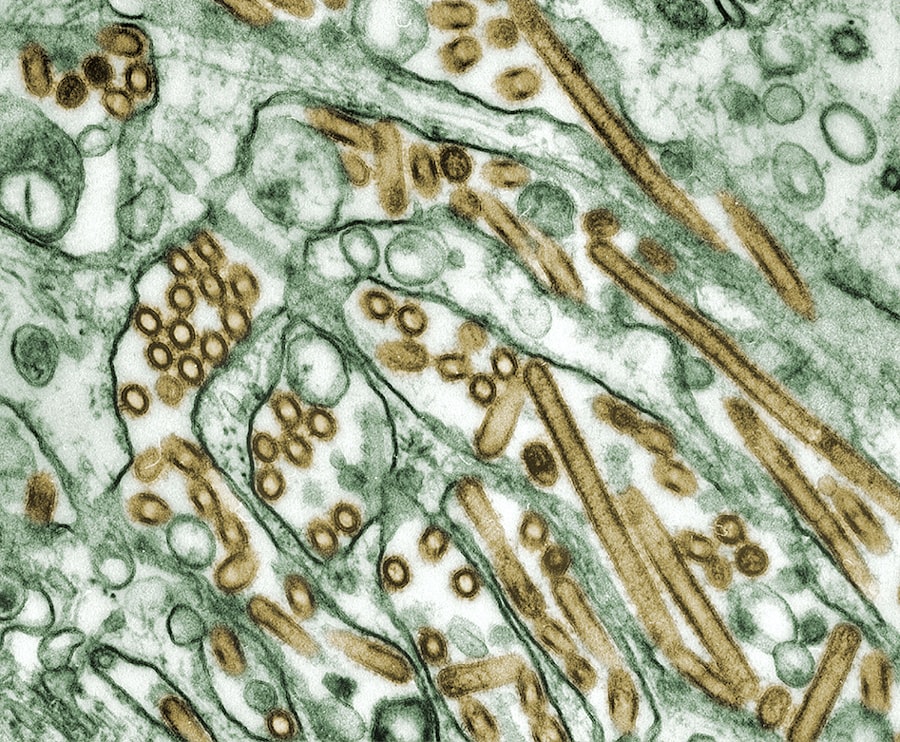
At its core, influenza is an RNA virus belonging to the Orthomyxoviridae family. There are four main types: A, B, C, and D. Types A and B are responsible for the annual seasonal epidemics that we typically experience, while C usually causes milder respiratory illness, and D primarily affects cattle.
Type A: The Most Problematic
Influenza A viruses are the ones you hear about most often in connection with pandemics. They infect a wide range of animals, including birds, pigs, and humans, which allows them to constantly change and recombine, leading to new strains. This ability to swap genetic material, known as antigenic shift, is why Type A can sometimes cause severe outbreaks and pandemics. They are classified by two surface proteins: hemagglutinin (H) and neuraminidase (N). You’ve probably heard of H1N1 or H3N2 – these refer to specific combinations of these proteins.
Type B: A Human Affair
Unlike Type A, influenza B viruses generally infect only humans. While they don’t cause pandemics in the same way Type A does, they can still lead to significant seasonal epidemics and severe illness, especially in children. They evolve more slowly than Type A, undergoing antigenic drift rather than shift.
How It Spreads: A Cough and a Sneeze
Influenza viruses spread primarily through respiratory droplets. When an infected person coughs, sneezes, or even talks, tiny droplets containing the virus can travel through the air and land in the mouths or noses of people nearby. These droplets can also land on surfaces, and if you touch a contaminated surface and then touch your eyes, nose, or mouth, you can become infected. This is why hand hygiene and avoiding touching your face are so important during flu season.
Influenza, a highly contagious viral infection, poses significant health risks, particularly during the colder months. For those interested in exploring holistic approaches to health and wellness, a related article on regenerative agriculture can provide insights into how sustainable farming practices can enhance overall well-being and potentially improve immune function. You can read more about these methods in the article titled “Discover Powerful Regenerative Agriculture Methods” at this link.
Decoding the Symptoms: More Than Just a Cold
It’s easy to mistake the flu for a common cold, especially in the early stages. However, flu symptoms tend to be more severe, come on more suddenly, and often include features not typically seen with a cold.
Common Flu Symptoms
The hallmark of influenza is its abrupt onset. You might feel perfectly fine one moment and then suddenly feel hit by a truck. Typical symptoms include:
- Fever: Often high (100°F or higher), though not everyone with the flu will have a fever.
- Cough: Usually dry and persistent.
- Sore Throat: Can range from mild irritation to quite painful.
- Muscle or Body Aches: A common and often debilitating symptom, contributing to that “hit by a truck” feeling.
- Headache: Can be severe.
- Fatigue: Extreme tiredness and weakness that can last for weeks.
- Runny or Stuffy Nose: Though this is more common with colds, it can also occur with the flu.
When to Suspect the Flu
If you experience a sudden onset of several of these symptoms, particularly fever, body aches, and fatigue, it’s worth considering the flu. While a cold usually develops gradually and features more nasal congestion and sneezing, the flu tends to be a more systemic illness, affecting your whole body.
Recognizing Severe Symptoms
It’s crucial to be aware of symptoms that indicate more serious illness and warrant immediate medical attention, especially for children, older adults, and those with underlying health conditions. These include:
- Shortness of breath or difficulty breathing.
- Persistent pain or pressure in the chest or abdomen.
- Sudden dizziness or confusion.
- Severe or persistent vomiting.
- Seizures.
- Flu-like symptoms that improve but then return with fever and worse cough.
- In children: bluish skin color, not interacting, not drinking enough fluids, being irritable, or fever with a rash.
The Wider Impact: Beyond Personal Sickness
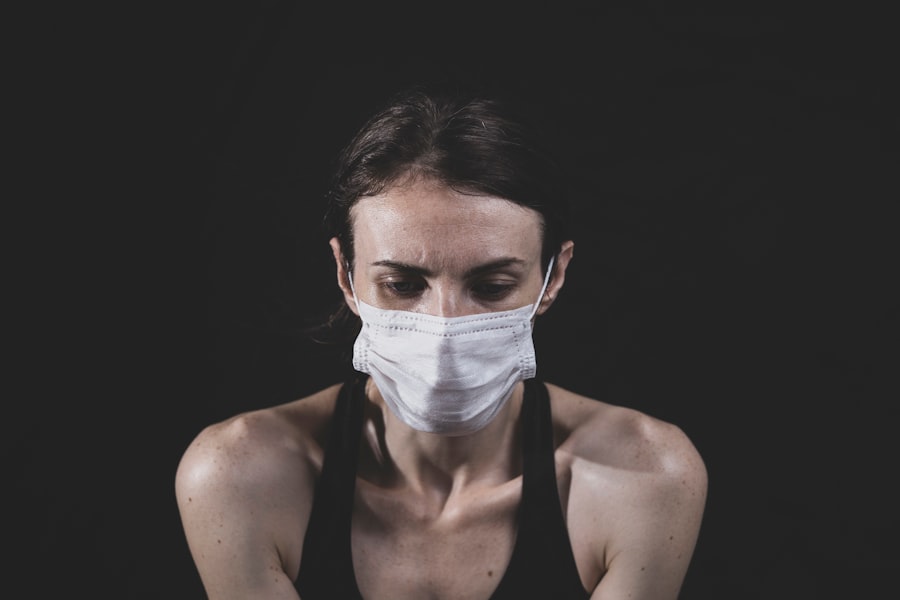
The influenza virus doesn’t just affect the individual; its reach extends much further, impacting healthcare systems, the economy, and public health on a larger scale.
Healthcare Burden
During peak flu season, hospitals can become overwhelmed. Emergency rooms see an increase in patients, critical care units fill up, and staffing can be stretched thin. This isn’t just about direct flu cases; the flu can also exacerbate existing chronic conditions, leading to hospitalizations for heart attacks, strokes, and worsening respiratory conditions like asthma or COPD. This strain on resources can also impact the care available for other medical emergencies.
Economic Repercussions
The economic impact of influenza is substantial. Productivity losses from missed workdays and school days are significant. Businesses face decreased output, and healthcare spending on doctor visits, antiviral medications, hospitalizations, and long-term care for complications really adds up. For example, a severe flu season can cost countries billions of dollars in both direct medical costs and indirect costs from lost productivity.
Public Health Concerns
From a public health perspective, influenza presents a constant challenge. The unpredictable nature of the virus, its ability to mutate rapidly, and the potential for new pandemic strains means continuous surveillance, research, and public health campaigns are essential. Communicating risk effectively to the public and ensuring equitable access to prevention and treatment strategies are ongoing priorities.
Who’s Most at Risk? Vulnerable Populations
While anyone can get the flu, certain groups are at a much higher risk of developing serious complications. Understanding these risk factors is vital for targeted prevention and early intervention.
Young Children
Infants and young children, especially those under 2 years old, have underdeveloped immune systems that struggle to fight off the virus. They are at higher risk for severe complications like pneumonia and febrile seizures.
Older Adults
Individuals aged 65 and older have aging immune systems that don’t respond as robustly to infections or vaccinations. They are more prone to severe flu-related complications and often require hospitalization.
Pregnant Women
Hormonal changes and alterations to the immune system during pregnancy can make expectant mothers more susceptible to severe influenza and its complications. The flu can also be dangerous for the developing fetus.
People with Chronic Conditions
Individuals with underlying chronic health conditions are particularly vulnerable. These include:
- Asthma and other chronic lung diseases: The flu can trigger severe exacerbations.
- Heart disease: Can lead to heart attacks or worsening heart failure.
- Diabetes: Flu can make blood sugar control difficult and increase the risk of complications.
- Kidney or liver disorders.
- Weakened immune systems: Due to HIV/AIDS, cancer treatment, or transplant medications.
- Neurological and neurodevelopmental conditions: Can affect the ability to clear respiratory secretions.
- Morbid obesity: Individuals with a BMI of 40 or higher are at increased risk for severe flu.
Influenza remains a significant public health concern, especially during the colder months when the virus tends to spread more easily. For those interested in enhancing their overall wellness and boosting their immune system, exploring natural remedies can be beneficial. A related article discusses various DIY projects that can aid in maintaining a healthy lifestyle, which may help in preventing illnesses like the flu. You can read more about these projects in this informative piece on DIY projects for homesteading enthusiasts.
Fighting Back: Prevention and Treatment
| Year | Number of Cases | Number of Deaths |
|---|---|---|
| 2018 | 45,000,000 | 61,000 |
| 2019 | 39,000,000 | 34,000 |
| 2020 | 38,000,000 | 22,000 |
Fortunately, we’re not powerless against influenza. A combination of preventive measures and effective treatments can significantly reduce its impact.
Vaccination: Your Best Defense
The flu vaccine is your single most important tool in flu prevention. It works by exposing your immune system to inactivated flu virus particles or specific antigens, teaching it to recognize and fight off subsequent infections.
- Annual Vaccination: Due to the virus’s constant evolution, the flu vaccine needs to be updated annually to target the strains predicted to circulate during the upcoming season.
- Reduced Severity: Even if you get the flu after vaccination, studies consistently show that the vaccine can significantly reduce the severity of illness, the risk of hospitalization, and the chance of death.
- Community Protection (Herd Immunity): When enough people in a community are vaccinated, it creates a protective barrier, making it harder for the virus to spread, thereby protecting those who can’t be vaccinated.
Everyday Habits That Help
Beyond vaccination, several simple, everyday practices can help reduce your risk of getting and spreading the flu:
- Hand Washing: Frequent and thorough hand washing with soap and water for at least 20 seconds, especially after coughing, sneezing, or being in public. If soap and water aren’t available, use an alcohol-based hand sanitizer.
- Avoid Touching Your Face: Try to keep your hands away from your eyes, nose, and mouth, as this is how germs often enter the body.
- Cover Coughs and Sneezes: Use a tissue to cover your mouth and nose when you cough or sneeze. If you don’t have a tissue, cough or sneeze into your elbow, not your hands.
- Stay Home When Sick: This is critical. If you have flu-like symptoms, stay home from work, school, and social gatherings to prevent spreading the virus to others.
- Clean and Disinfect: Regularly clean and disinfect frequently touched surfaces at home, work, or school, especially during flu season.
Antiviral Medications: A Treatment Option
For some individuals, especially those at high risk of complications, antiviral drugs can be a valuable treatment option.
- How They Work: These medications specifically target influenza viruses, inhibiting their ability to replicate. They are different from antibiotics, which fight bacterial infections.
- Early Intervention is Key: Antiviral drugs work best when started within the first 48 hours of symptom onset. They can shorten the duration of illness and reduce the risk of severe complications.
- Prescription Only: Antiviral medications like oseltamivir (Tamiflu), zanamivir (Relenza), peramivir (Rapivab), and baloxavir marboxil (Xofluza) are prescription-only and should be discussed with a healthcare provider. They are not a substitute for vaccination but can be an important tool for treatment.
Understanding influenza, its potential dangers, and the tools we have at our disposal is crucial for navigating flu season safely. By taking proactive steps like vaccination and practicing good hygiene, we can all contribute to a healthier community.
