
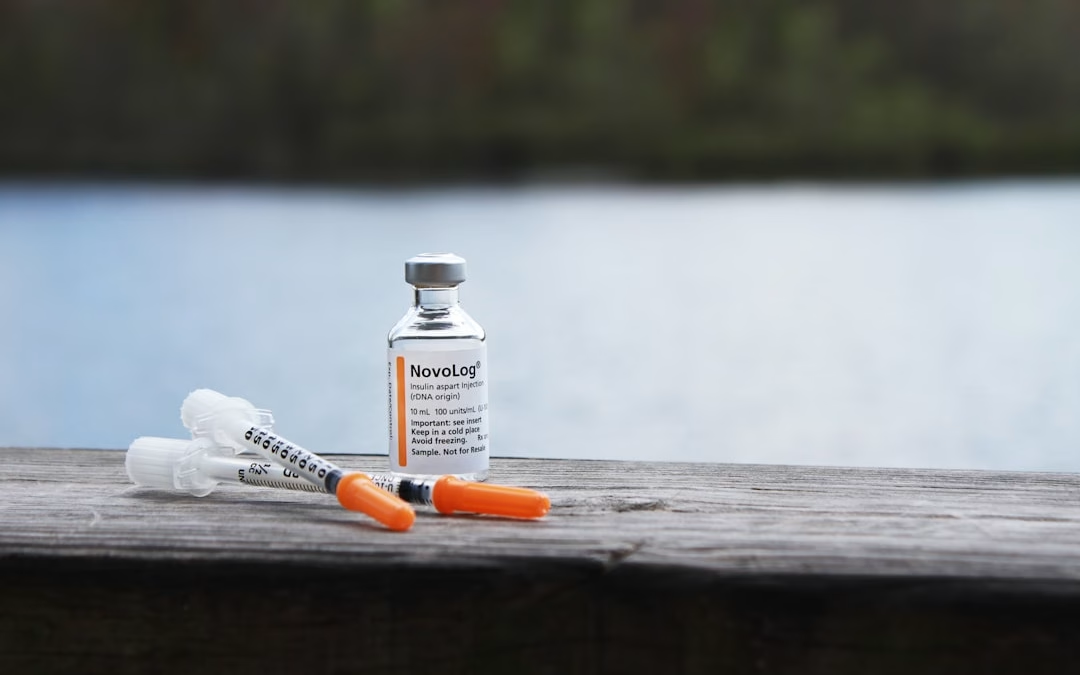
So, you’re wondering about the Hepatitis A vaccine and if you really need it? The short answer is: it’s a really good idea for most people, and not just those considered “high-risk.” It’s a safe and effective way to protect yourself from a liver infection that can really put you out of commission for a while.
Why Bother with Hep A?
Hepatitis A is a virus that causes a liver inflammation. It’s not usually chronic like Hep B or C, but it can make you feel pretty lousy. Think nausea, fatigue, jaundice (that yellowing of the skin and eyes), and flu-like symptoms that can last for weeks, sometimes even months. It’s spread through contaminated food or water, often by someone who has the virus and hasn’t washed their hands properly after using the restroom. Pretty unpleasant, right?
The Liver’s Role (Simplified)
Your liver is a powerhouse organ that does a ton of essential jobs, like filtering toxins from your blood, helping digest food, and storing energy. When Hepatitis A hits, it throws a wrench into all of that.
Not Just a Vacationer’s Worry
While it used to be thought of primarily as a disease for people traveling to certain international destinations, outbreaks have happened right here at home. This means the risk isn’t confined to exotic locales.
The hepatitis A vaccine is an essential tool in preventing the spread of this viral infection, particularly in areas where sanitation may be compromised. For those interested in exploring broader health topics, including the impact of nutrition and sustainable practices on overall well-being, you may find this related article on regenerative agriculture insightful. It discusses how sustainable farming methods can enhance food quality and community health, which indirectly supports the importance of vaccinations like the hepatitis A vaccine. For more information, visit this article on regenerative agriculture methods.
Who Needs This Vaccine?
The Centers for Disease Control and Prevention (CDC) recommends Hepatitis A vaccination for pretty much everyone. Yes, you read that right. However, certain groups are considered higher priority due to a greater risk of exposure or severe illness.
Routine Childhood Vaccination
One of the most effective ways to prevent Hepatitis A is to get vaccinated as a child. The CDC recommends two doses of the Hepatitis A vaccine for all children at 12 through 23 months of age. A second dose is given between 6 and 18 months after the first dose. This usually happens as part of their regular immunization schedule.
Adults Who Weren’t Vaccinated as Kids
If you weren’t vaccinated as a child, or you’re unsure, it’s a good idea to get it now. The vaccine is safe and effective for adults too.
What if I don’t know my vaccination history?
Don’t sweat it! If you’re not sure if you’ve been vaccinated, it’s perfectly fine to get the vaccine. There’s no harm in getting an extra dose, and it ensures you’re protected.
Travelers to Certain Countries
If you’re planning a trip to countries where Hepatitis A is common, vaccination is highly recommended. This includes many countries in Central and South America, Africa, Asia, and Eastern Europe.
How far in advance should I get vaccinated?
It’s best to get the first dose at least two weeks before your trip to allow your body time to build immunity. You’ll need the second dose later for long-term protection.
People with Chronic Liver Disease
If you already have a liver condition like Hepatitis B or Hepatitis C, getting Hepatitis A can put extra strain on your already compromised liver. Vaccination is a no-brainer to prevent this added burden.
Men Who Have Sex with Men
This group is at higher risk for Hepatitis A transmission due to potential for close contact.
People Who Use Injectable or Non-Injectable Drugs
Drug use, particularly injection drug use, is strongly linked to Hepatitis A outbreaks. Shared needles and risky sexual behaviors can increase the risk of transmission.
People Who Work with Hepatitis A Virus in a Laboratory
Obviously, if your job puts you in direct contact with the virus, you’ll want to be protected.
People Who Are Homeless or Anticipate Being Homeless
Living in situations where hygiene facilities are limited can increase the risk of exposure.
Anyone Who Wants Protection
Seriously, if you want to avoid a nasty bout of Hepatitis A, getting vaccinated is the simplest and most effective way.
How Does the Hepatitis A Vaccine Work?
The Hepatitis A vaccine is typically given as an injection. It stimulates your immune system to produce antibodies that can fight off the Hepatitis A virus if you’re exposed to it in the future.
Types of Hepatitis A Vaccines
There are a couple of brands of Hepatitis A vaccines available. They are generally very similar in how they work and their effectiveness. Your doctor will choose the appropriate one for you.
The Dosing Schedule
Usually, it’s a two-dose series. The first shot gives you protection, and the second shot, given about 6 to 18 months later, provides long-lasting immunity. Think of it like a booster shot that solidifies your defense.
What if I miss a dose?
No panic! If you miss your second dose, just get it as soon as you can. Your doctor can advise you on the best timing to ensure you’re still protected.
How Long Does Protection Last?
For most people, the Hepatitis A vaccine provides protection for many years, likely lifelong, after completing the two-dose series. This means you don’t have to worry about it for a very long time.
Safety and Side Effects
Like any vaccine, the Hepatitis A vaccine has a very good safety record. Serious side effects are rare.
Common Side Effects
You might experience some mild reactions at the injection site, like soreness, redness, or swelling. Some people might feel a bit tired or experience a mild headache for a day or two. These are usually short-lived and a sign your immune system is doing its job.
Less Common Side Effects
Much less frequently, some people might experience a low-grade fever or a rash. These are still generally mild and resolve on their own.
Serious Side Effects (Very Rare)
Anaphylaxis, a severe allergic reaction, is a possibility with any vaccine, but it’s extremely rare for the Hepatitis A vaccine. Healthcare providers are trained to manage these situations.
Should I be worried about allergies?
If you have known allergies, especially to components of vaccines or latex, it’s important to inform your doctor. They can assess the risks and make informed decisions.
The importance of vaccination against hepatitis A cannot be overstated, especially for those traveling to areas where the virus is prevalent. For more insights into maintaining health and wellness, you might find it interesting to explore this article on homemade cleaning products, which emphasizes the benefits of using natural ingredients for a cleaner environment. Staying informed about both health precautions and safe cleaning practices can contribute to overall well-being.
Getting Vaccinated: Practical Steps
So, you’ve decided you want to get vaccinated against Hepatitis A. Great choice! Here’s how to go about it.
Talk to Your Doctor or Healthcare Provider
This is your first and most important step. Discuss your vaccination history, any travel plans, your overall health, and any concerns you might have. They can determine if the vaccine is right for you and what the best schedule would be.
What questions should I ask my doctor?
Don’t be shy! Ask about the number of doses, the timing, potential side effects, and how long protection lasts. Any questions you have are valid.
Where Can I Get the Vaccine?
- Your Primary Care Physician’s Office: This is the most common place.
- Local Health Departments: These often offer vaccines at a lower cost or even for free for eligible individuals.
- Travel Clinics: If you’re getting vaccinated specifically for travel, a specialized travel clinic can be very helpful.
- Pharmacies: Many larger pharmacy chains now offer vaccinations, including Hepatitis A.
What to Expect During Your Appointment
You’ll likely fill out some paperwork, including a consent form. The vaccination is usually given in your upper arm. The whole process is pretty quick.
What if I need the second dose?
Your doctor’s office will typically remind you or keep track of your schedule. It’s also a good idea to mark it on your calendar yourself.
Hepatitis A and Your Lifestyle
Understanding how Hepatitis A spreads really hammers home why the vaccine is so valuable.
Food Safety Matters
The virus loves to hitch a ride on food that’s been handled by an infected person who didn’t wash their hands thoroughly. This is why handwashing is so critical, but vaccines offer a more robust defense.
What about eating out?
While restaurants have strict hygiene protocols, outbreaks can still happen. Vaccination adds an extra layer of personal protection.
Waterborne Risks
Contaminated water can also be a source, which is a major concern in areas with less developed sanitation systems.
Close Contact and Personal Hygiene
Living closely with someone who has Hepatitis A, or engaging in certain sexual activities, can also lead to transmission. This is why community vaccination efforts are so important.
Long-Term Immunity is Key
The goal of the vaccine is to give you long-term immunity so you can live your life without constantly worrying about this particular threat. It’s about peace of mind and good health.
