
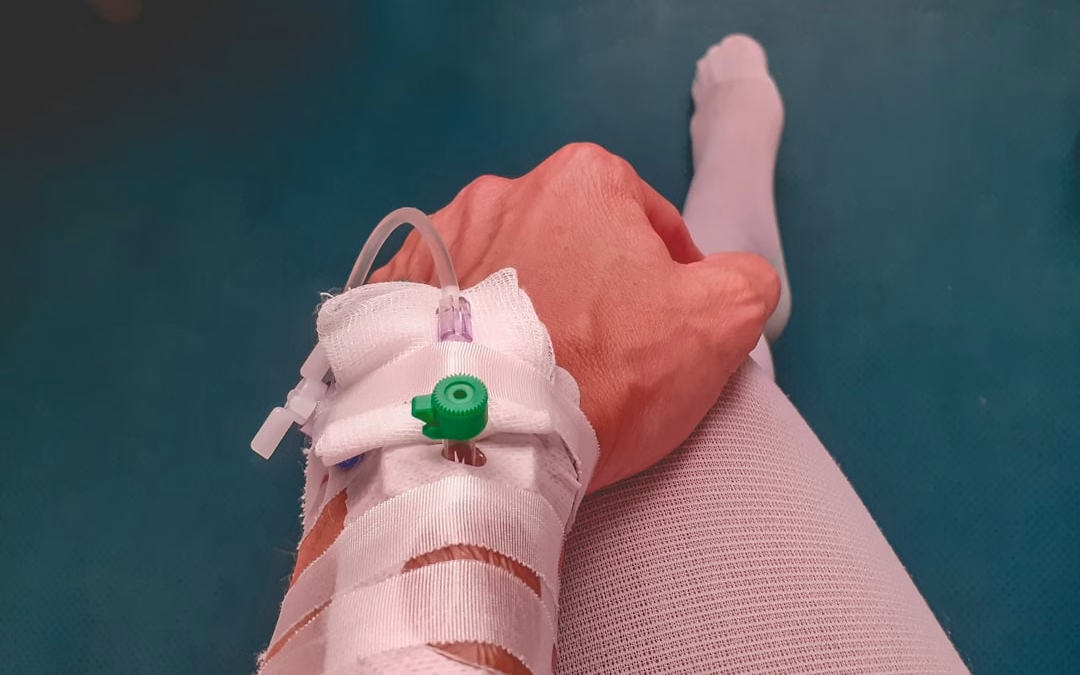
Okay, let’s talk about Deep Vein Thrombosis, or DVT. Simply put, it’s a serious condition where a blood clot forms in a deep vein, usually in your leg. This isn’t just about a bit of pain; these clots can be quite dangerous if they break off and travel to your lungs, causing a pulmonary embolism (PE), which can be life-threatening. Understanding what causes DVT and how to prevent it is crucial for your health.
DVT is the formation of a blood clot (thrombus) in a deep vein, most commonly in the leg, but it can also occur in the arm or other parts of the body. These deep veins are the larger veins located within muscle tissue. When a clot forms, it can obstruct blood flow, leading to pain and swelling in the affected limb.
The Role of Blood Clots
Blood clotting is a normal and essential bodily process. When you get a cut, your body forms a clot to stop the bleeding. However, when clots form unnecessarily in a healthy vein, particularly a deep one, that’s when DVT becomes an issue. These clots are made up of blood cells and proteins.
DVT vs. Superficial Vein Thrombosis
It’s important to differentiate DVT from superficial vein thrombosis. Superficial clots occur in veins close to the skin’s surface and are generally less serious, often associated with varicose veins. DVT, on the other hand, involves the deeper veins and carries the risk of a PE. While uncomfortable, superficial clots rarely lead to the type of complications seen with DVT.
Deep vein thrombosis (DVT) is a serious condition that can arise from prolonged periods of inactivity, such as sitting for long durations during travel or after surgery. Understanding the risk factors and preventive measures for DVT is crucial for maintaining overall health. For those interested in holistic approaches to health and wellness, you might find this article on organic gardening insightful, as it discusses the benefits of growing your own food and how a healthy diet can contribute to better circulation and overall well-being. You can read more about it here: Heirloom Seeds for Organic Gardening: Grow Your Own Bounty.
Common Causes and Risk Factors
DVT doesn’t usually just happen out of the blue. There are often specific circumstances or underlying conditions that increase your likelihood of developing it. Think of it as a perfect storm of factors that create an environment where a clot is more likely to form.
Immobility and Reduced Blood Flow
This is a big one. When your blood isn’t moving as it should, it’s more prone to clotting.
Long Periods of Sitting or Lying Still
Whether it’s a long flight, a lengthy car journey, or extended bed rest after surgery, staying still for hours on end is a prime risk factor. Your calf muscles normally help pump blood back to your heart. Without that movement, blood can pool in your legs, increasing clot risk. This is why you often hear about “economy class syndrome.”
Hospitalization and Surgery
Being in the hospital, especially for major surgery, significantly increases DVT risk. Anesthesia can slow blood flow, and the recovery period often involves reduced mobility. Major orthopedic surgeries, like knee or hip replacements, are particularly high-risk.
Injury or Trauma
A severe injury, especially to a leg vein, can damage the vein wall, initiating the clotting process. Fractures, severe sprains, or direct blows to the leg can also lead to prolonged immobility and inflammation, further increasing risk.
Vein Damage
Any injury or inflammation to the inner lining of a blood vessel can create a rough surface where a clot is more likely to grab hold and grow.
Surgery-Related Trauma
During surgery, veins can be directly damaged, either intentionally (like during vein stripping) or unintentionally. The body’s natural response to this trauma can be to form a clot.
Inflammation from Infection or Disease
Certain inflammatory conditions, like sepsis or inflammatory bowel disease, can cause systemic inflammation that affects blood vessel walls, making them more susceptible to clot formation.
Hypercoagulability (Increased Clotting Tendency)
Some individuals have blood that naturally clots more easily than others. This can be due to genetic factors or underlying medical conditions.
Genetic Predisposition
There are several inherited conditions, like Factor V Leiden mutation or Prothrombin 20210A mutation, that make a person’s blood thicker or more prone to clotting. If family members have had DVT or PE, it’s worth discussing with your doctor.
Cancer and Cancer Treatments
Cancer itself, and certain cancer treatments, can significantly increase the risk of DVT. Some tumors release substances that make blood clot more easily, and chemotherapy can also contribute to this.
Hormonal Changes
Estrogen, in particular, can increase clotting risk. This is why birth control pills, hormone replacement therapy, and pregnancy (especially the third trimester and postpartum period) are associated with a higher likelihood of DVT.
Other Medical Conditions
Conditions like heart failure, kidney disease, severe infections, and some autoimmune diseases can also contribute to a hypercoagulable state. Even conditions like obesity and smoking can exacerbate this tendency.
Recognizing the Symptoms
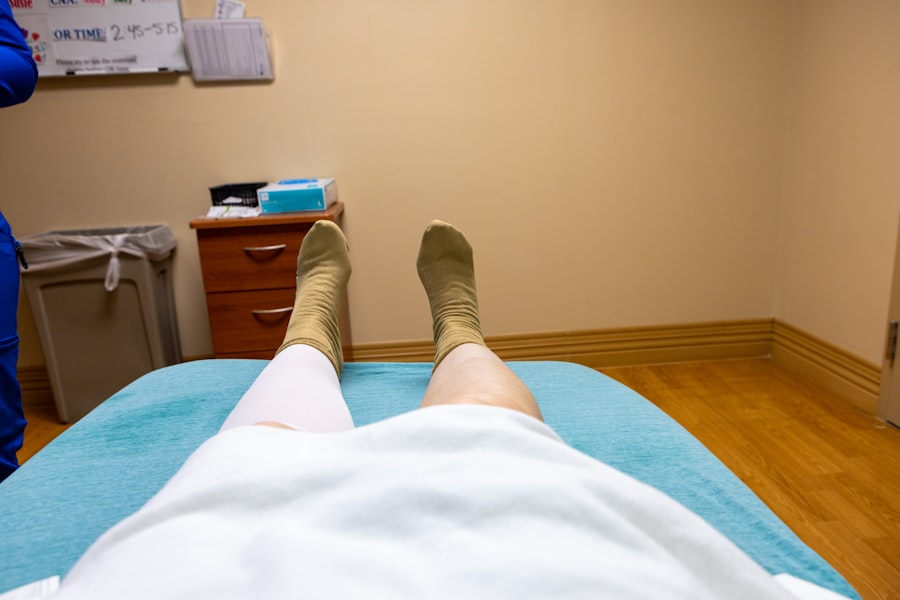
Recognizing the signs of DVT is essential for prompt treatment. While some people might not have any symptoms, it’s important to be aware of the common indicators.
Swelling
One of the most noticeable symptoms is swelling in the affected limb, often occurring suddenly. This swelling may be confined to a specific area or involve the entire leg or arm. Unlike general swelling, DVT-related swelling often doesn’t respond well to elevation.
Pain or Tenderness
You might feel pain, tenderness, or cramping in the affected leg or arm. This pain can range from a dull ache to a severe, sharp pain, and it often worsens when you stand or walk. It might feel like a pulled muscle, but it doesn’t get better with rest.
Warmth and Redness
The skin over the affected area may feel warmer to the touch than the surrounding skin. You might also notice a reddish or bluish discoloration of the skin, indicating impaired blood flow. The skin can also feel tight and stretched due to swelling.
No Symptoms at All (Asymptomatic DVT)
It’s crucial to understand that DVT doesn’t always come with obvious symptoms. Some people have DVT and only find out when they experience a pulmonary embolism. This is one of the reasons why awareness of risk factors is so important.
Preventing DVT: Practical Steps
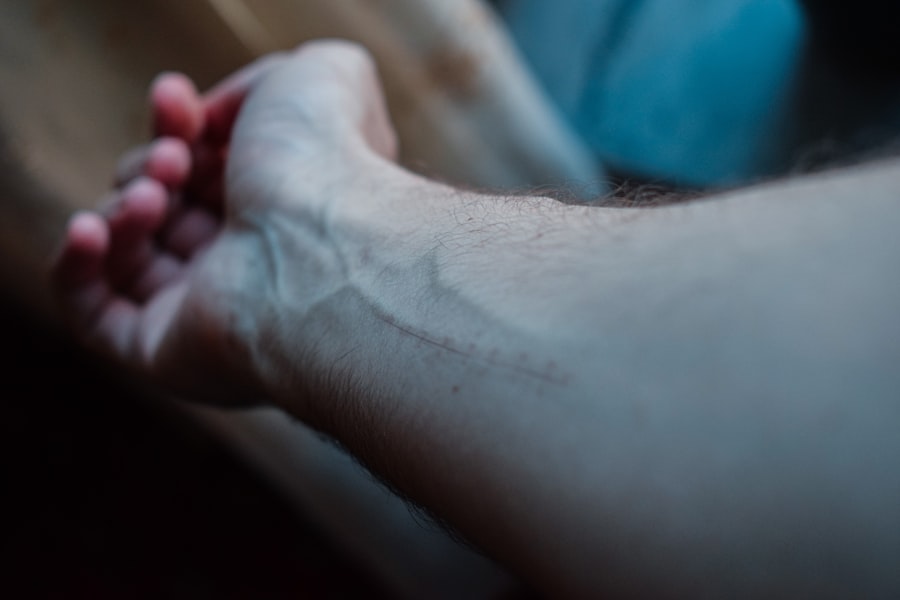
Good news: a lot of DVT prevention comes down to relatively simple, practical steps you can take in your daily life, especially if you know you’re at increased risk.
Stay Active and Move Around
Movement is your best friend when it comes to preventing blood clots.
Regular Exercise
Engaging in regular physical activity, even moderate exercise like walking, helps improve blood circulation and keeps your blood flowing smoothly. Aim for at least 30 minutes most days of the week.
During Long Journeys
If you’re on a long flight, train ride, or car trip, don’t just sit there. Get up and walk around the cabin every hour or two. If you can’t get up, do simple leg exercises in your seat: point and flex your feet, lift your heels and toes, and march in place. Stay hydrated by drinking plenty of water, but avoid alcohol and excessive caffeine, as these can lead to dehydration.
Compression Stockings
These specially designed stockings apply gentle pressure to your legs, helping to improve blood flow and prevent blood from pooling.
When to Use Them
Your doctor might recommend compression stockings if you’re at high risk, such as after surgery, during prolonged bed rest, or if you have a history of DVT. They are often worn from the moment you wake up until you go to bed.
Proper Fit is Key
It’s vital that compression stockings fit correctly. If they’re too loose, they won’t be effective. If they’re too tight or rolled down, they can actually make things worse by creating tourniquet effects. Get fitted by a healthcare professional if possible.
Medications
For some individuals, especially those at very high risk, medication might be necessary.
Anticoagulants (Blood Thinners)
These medications, like warfarin, heparin, or direct oral anticoagulants (DOACs), reduce your blood’s ability to clot. They are commonly prescribed after surgery, for people with certain medical conditions, or after a DVT diagnosis to prevent recurrence. It’s crucial to take these exactly as prescribed and be aware of potential side effects, such as increased bleeding.
Aspirin
While not as potent as prescription anticoagulants, low-dose aspirin can sometimes be recommended for DVT prevention in specific circumstances, especially for long-term prevention after a first DVT in certain patients, or perhaps for individuals with some other risk factors. However, it’s not a substitute for stronger blood thinners when indicated.
Lifestyle Adjustments
Beyond movement and specific medical interventions, a few simple tweaks to your daily life can make a difference.
Maintain a Healthy Weight
Obesity increases your risk of DVT. Losing excess weight can significantly reduce this risk by improving circulation and easing pressure on your veins.
Quit Smoking
Smoking damages blood vessels and makes your blood more prone to clotting. Kicking the habit is one of the best things you can do for your overall cardiovascular health, including DVT prevention.
Stay Hydrated
Dehydration can make your blood thicker, increasing the risk of clots. Drink plenty of water throughout the day, especially when traveling or during periods of reduced activity.
Deep vein thrombosis is a serious condition that can lead to significant health complications if not addressed promptly. For those interested in exploring holistic approaches to health and wellness, a related article discusses innovative farming techniques that can enhance overall well-being. You can read more about these methods and their potential benefits in the article on holistic farming approaches found here. Understanding the connection between lifestyle choices and health outcomes is crucial in preventing conditions like DVT.
When to Seek Medical Attention
| Metrics | Data |
|---|---|
| Prevalence | 1-2 per 1,000 people annually |
| Risk Factors | Obesity, smoking, prolonged immobility, family history |
| Symptoms | Swelling, pain, warmth, and redness in the affected area |
| Complications | Pulmonary embolism, post-thrombotic syndrome |
| Treatment | Anticoagulant medications, compression stockings, surgery |
While many symptoms might feel like minor aches, it’s crucial to know when to take them seriously and seek medical help. A delay in treatment can have serious consequences.
Sudden Onset of Symptoms
If you suddenly experience swelling, pain, warmth, or redness in a limb, especially if it’s accompanied by tenderness, don’t wait to see if it gets better. These are classic DVT symptoms.
Signs of a Pulmonary Embolism (PE)
A PE is a medical emergency. If a DVT clot breaks off and travels to your lungs, it can cause:
- Sudden shortness of breath: This is often the most prominent symptom and can come on very quickly.
- Chest pain: The pain might be sharp, stabbing, and worsen with deep breaths or coughing.
- Rapid heart rate: Your heart might start beating much faster than normal.
- Unexplained cough: Sometimes a dry cough, or even one that brings up blood-tinged mucus, can occur.
- Lightheadedness or dizziness: This indicates reduced oxygen flow to the brain.
If you experience any of these symptoms, especially if you have DVT risk factors, seek emergency medical care immediately. A PE can be fatal if not treated quickly. Don’t try to tough it out or wait for an appointment – call emergency services or get to the nearest emergency room.
Understanding DVT means recognizing its causes, what to look out for, and how to protect yourself. It’s about being informed and taking proactive steps for your health. While it’s a serious condition, with awareness and proper management, the risks can be significantly reduced.
