

So, you’re looking to give your health a little nudge, and you’ve heard fiber is the key? You’re right! Incorporating more fiber-rich foods into your diet is one of the most practical and effective ways to feel better, inside and out. It’s not some faddy trend; it’s a fundamental building block for a healthy digestive system, steady energy levels, and even a reduced risk of certain chronic diseases. Let’s break down exactly what that means and how you can easily get more of it.
While jumping into the toilet is often the first thing people associate with fiber, its benefits stretch way beyond that. Think of fiber as the unsung hero of your digestive tract, but also as a surprisingly influential player in your overall well-being. It’s the part of plant-based foods that your body can’t quite break down, which might sound like a useless characteristic, but it’s precisely what makes it so valuable. It’s not about what it can’t do, but what it does do, and it does a lot.
The Digestive System Supercharger
At its core, fiber is about keeping your gut happy. It’s the roughage that adds bulk to your stool, making it easier to pass and preventing that uncomfortable, sluggish feeling. But it’s more than just convenience.
Soluble Fiber: The Gut Gardener
This type of fiber dissolves in water, forming a gel-like substance. This is where the magic happens for your digestive system and beyond.
Feeds Your Good Gut Bacteria: Think of your gut as a garden. Soluble fiber is like the premium fertilizer for the beneficial bacteria that live there. These microbes, collectively known as your gut microbiome, are vital for everything from nutrient absorption to immune function. When they’re well-fed, they produce short-chain fatty acids (SCFAs), which are incredibly beneficial. These SCFAs can reduce inflammation in your gut, strengthen the gut barrier, and even have positive effects on your brain.
Helps Stabilize Blood Sugar: That gel-like substance formed by soluble fiber slows down the rate at which sugar (glucose) is absorbed into your bloodstream. This means you avoid those sharp spikes and subsequent crashes in blood sugar, leading to more sustained energy and reduced cravings. It’s a game-changer for managing blood sugar levels, especially for those with insulin resistance or diabetes.
Lowers Cholesterol: The gel can also bind to cholesterol in your digestive tract, preventing it from being absorbed into your bloodstream. Over time, this can contribute to lower levels of LDL (the “bad”) cholesterol, which is a significant risk factor for heart disease.
Insoluble Fiber: The Sweeper and Bulk Builder
This type of fiber doesn’t dissolve in water. Instead, it passes through your digestive system relatively intact, acting like a broom.
Adds Bulk and Promotes Regularity: This is the fiber that adds volume to your stool, making it softer and easier to eliminate. If you’re prone to constipation, increasing insoluble fiber can be a lifesaver. It helps things move along smoothly.
Speeds Up Transit Time: By adding bulk, insoluble fiber helps move food waste through your intestines more quickly. This can be beneficial for overall gut health and for reducing the time that potentially harmful substances are in contact with the intestinal wall.
Incorporating fiber-rich foods into your diet is essential for maintaining good digestive health and overall well-being. To complement your understanding of nutritious eating, you might find it helpful to explore related topics, such as how to preserve fruits and vegetables to maximize their health benefits. For more information on this subject, check out this informative article on preserving your harvest: Preserve Your Harvest: Tips for Preserving Fruits and Veggies.
Where to Find These Fiber Friends: Everyday Foods
You don’t need exotic superfoods or complicated recipes to boost your fiber intake. The most effective fiber sources are the ones you probably already have in your kitchen or can easily pick up at your local grocery store. The key is to make them a regular part of your meals and snacks.
Whole Grains: The Foundation
When we talk about “whole,” we mean the entire grain kernel – the bran, germ, and endosperm. This is where all the fiber, vitamins, and minerals reside. Refined grains, like white rice or flour, have had the bran and germ stripped away, significantly reducing their fiber content.
Oatmeal: A Morning Powerhouse
- Steel-cut and rolled oats are your best bet. Instant oats, while convenient, are more processed and have less fiber.
- How to use it: Start your day with a hearty bowl of oatmeal. Add berries (another fiber champion!) and nuts for an extra punch. You can also use oats in smoothies or as a binder in homemade granola bars.
Brown Rice and Quinoa: Versatile Staples
- Brown rice is a great substitute for white rice. It adds nutty flavor and satisfying texture.
- Quinoa is technically a seed, but it’s cooked and used like a grain. It’s a complete protein and packed with fiber.
- How to use them: Use brown rice or quinoa as a base for stir-fries, grain bowls, or alongside your favorite lean protein. They’re also excellent in salads.
Whole Wheat Bread and Pasta: The Obvious Choices
- Look for “100% whole wheat” or “whole grain” on the label. Avoid breads that list refined flour as the first ingredient.
- How to use them: Swap your usual white bread for whole wheat for sandwiches. Choose whole wheat pasta for your favorite pasta dishes.
Barley and Farro: Underrated Gems
- These ancient grains offer a chewy texture and a significant fiber boost.
- How to use them: Add barley to soups and stews. Farro works beautifully in salads or as a side dish.
Fruits and Vegetables: Nature’s Fiber Baskets
This is where you can really load up on a diverse range of fibers, plus a wealth of vitamins, minerals, and antioxidants. Aim for a rainbow of colors to ensure you’re getting a broad spectrum of nutrients.
Berries: The Little Giants of Fiber
- Raspberries, blueberries, blackberries, and strawberries are all excellent sources. They are also low in sugar compared to many other fruits.
- How to use them: Sprinkle them on your cereal or yogurt, blend them into smoothies, or enjoy them as a healthy snack.
Apples and Pears: Sweet and Satisfying
- Eat them with the skin on! That’s where a significant amount of the fiber is concentrated.
- How to use them: A simple apple or pear is a perfect grab-and-go snack. Slice them up for a salad or bake them for a warm, comforting dessert.
Broccoli and Brussels Sprouts: The Cruciferous Crew
- These powerhouses are not only high in fiber but also contain beneficial compounds that may help fight disease.
- How to use them: Roast them with a little olive oil and garlic, steam them, or add them to stir-fries.
Lentils and Beans: The Complete Package
- Lentils, black beans, kidney beans, chickpeas, and edamame are fiber superstars, and they also provide plant-based protein.
- How to use them: Add them to soups, stews, chili, salads, or blend chickpeas into hummus. They are incredibly versatile and filling.
Other Excellent Choices:
- Avocado: Don’t shy away from this healthy fat! It’s surprisingly high in fiber.
- Sweet Potatoes: A delicious and nutrient-dense root vegetable loaded with fiber.
- Leafy Greens: Spinach, kale, and collard greens are all good fiber sources.
Nuts and Seeds: Tiny but Mighty
Don’t underestimate the power packed into these small but mighty foods. They’re dense with fiber, healthy fats, and protein, making them incredibly satiating snacks.
Chia Seeds and Flaxseeds: The Humble Heroes
- Chia seeds can absorb a lot of water, forming a gel.
- Flaxseeds are best consumed ground to maximize nutrient absorption.
- How to use them: Add them to smoothies, yogurt, oatmeal, or baked goods. They’re also the base for “chia pudding.”
Almonds and Walnuts: Brain and Body Boosters
- Almonds are a good source of vitamin E and magnesium.
- Walnuts are rich in omega-3 fatty acids.
- How to use them: A small handful makes an excellent snack. Chop them and add them to salads or use them as a topping for baked dishes.
Other Nut/Seed Options:
- Sunflower seeds and pumpkin seeds are also good sources.
Bringing It All Together: Practical Tips for Increasing Fiber
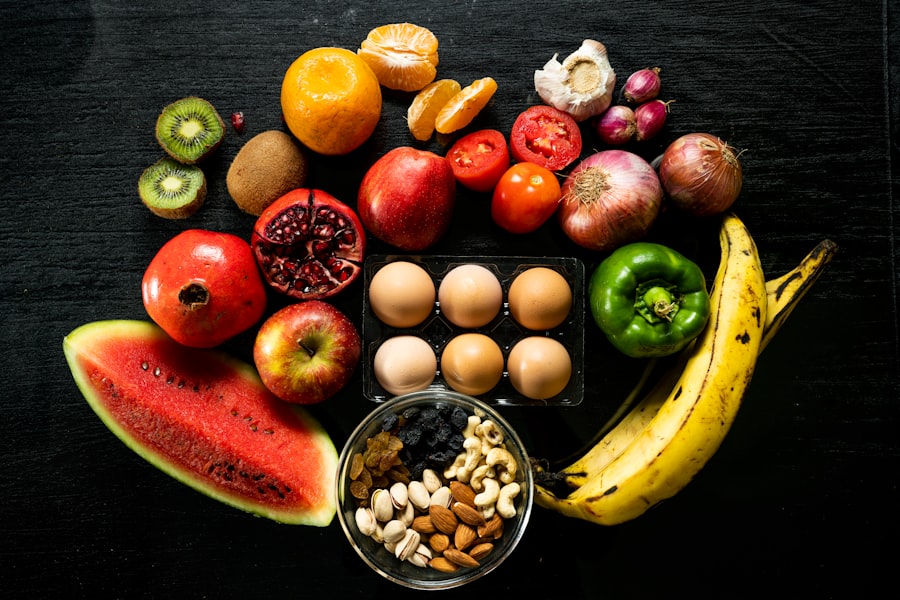
Simply knowing what foods are high in fiber isn’t enough; you need an actionable plan to integrate them into your daily life. It’s about making small, sustainable changes rather than drastic overhauls.
Start Your Day with Fiber
Breakfast is a prime opportunity to get a head start on your daily fiber goal.
- The Oatmeal Upgrade: As mentioned, make oatmeal your go-to. Experiment with different toppings like berries, nuts, and seeds.
- Whole Grain Cereal: If cereal is your preference, choose options that are at least 5 grams of fiber per serving and made from whole grains.
- Smoothie Power: Blend fruits like berries and a handful of spinach with a tablespoon of chia or flax seeds. You can even add a bit of avocado for creaminess and extra fiber.
Snack Smart
Snacking time doesn’t have to derail your fiber efforts. In fact, it’s an ideal time to add more.
- Fruit and Nuts: An apple or pear with a small handful of almonds is a classic for a reason. It’s balanced, filling, and fiber-rich.
- Veggies and Hummus: Carrot sticks, bell pepper strips, or cucumber slices dipped in hummus provide both fiber and protein.
- Edamame: A lightly salted bowl of steamed edamame is a satisfying and convenient high-fiber snack.
- Trail Mix: Make your own with nuts, seeds, and a bit of dried fruit (in moderation due to sugar content).
Rethink Your Main Meals
It’s all about making conscious swaps and additions.
- Grain Swaps: Choose brown rice over white, whole wheat pasta over white, and whole grain bread over white.
- Add Beans to Everything: Toss a can of rinsed and drained beans into your salads, soups, chili, or pasta sauces.
- Veggie Power: Aim to fill at least half your plate with vegetables at lunch and dinner.
- Soups and Stews: These are excellent vehicles for incorporating a variety of vegetables and legumes.
Read Labels
Don’t just assume something is high in fiber. Take a moment to check the nutrition label.
- Look for “Dietary Fiber”: Aim for at least 3-5 grams of fiber per serving.
- Check the Ingredients: For breads and cereals, look for “whole wheat,” “whole oats,” or “whole grain” as the first ingredient.
Hydration: The Essential Companion to Fiber
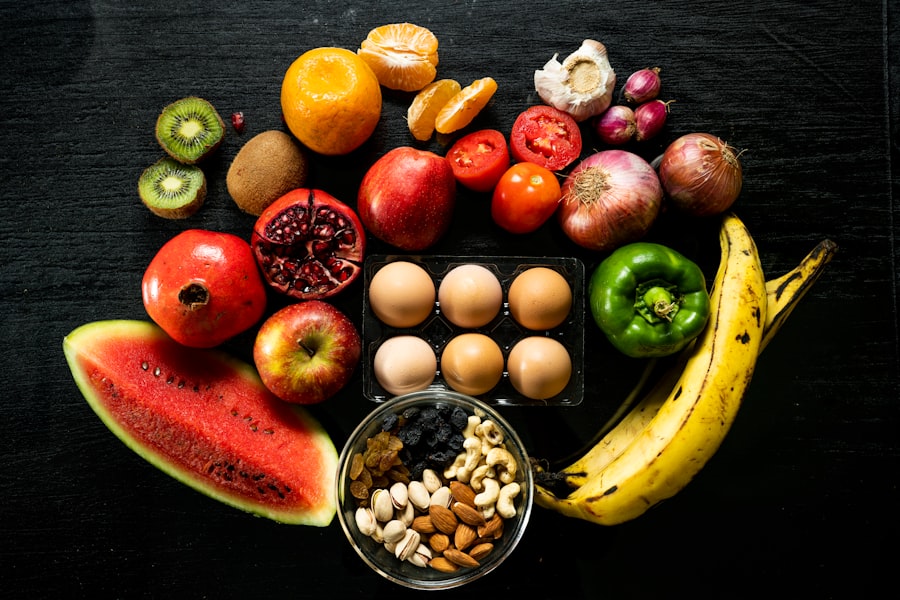
This is crucial. Adding more fiber without increasing your fluid intake can actually lead to the opposite of what you’re aiming for – constipation.
Why Water is Non-Negotiable
Think of fiber as a sponge. Soluble fiber absorbs water to form that beneficial gel. Insoluble fiber uses water to add bulk and softness to stool. Without enough water, the fiber can’t do its job effectively.
- Easier Passage: Water softens the stool, making it much easier to pass and preventing impaction.
- Nutrient Absorption: Proper hydration is essential for your body to absorb the nutrients from the foods you eat, including the ones made available by fiber.
- Overall Bodily Function: Water is fundamental for every single bodily process, from regulating temperature to transporting nutrients.
How Much is Enough?
There’s no one-size-fits-all answer, as it depends on your activity level, climate, and individual needs. However, a good general guideline is to aim for at least 8 glasses (64 ounces or about 2 liters) of water per day.
- Listen to Your Body: Thirst is your body’s signal that it needs fluids. Don’t wait until you’re parched.
- Carry a Water Bottle: Having water readily available makes it easier to sip throughout the day.
- Infuse Your Water: If plain water feels boring, add slices of lemon, lime, cucumber, or berries for a refreshing twist.
Incorporating fiber-rich foods into your diet is essential for maintaining good health, and understanding the broader context of sustainable agriculture can enhance this practice. For those interested in how sustainable farming methods contribute to the availability of nutritious foods, you can explore a related article that discusses the importance of cultivating a greener future. This insightful piece highlights the connection between sustainable practices and the production of healthy crops, making it a valuable read for anyone looking to improve their dietary choices. To learn more, visit this article.
Gradual Changes for Long-Term Success
| Food | Fiber Content (per 100g) |
|---|---|
| Avocado | 6.7g |
| Black Beans | 8.7g |
| Broccoli | 2.6g |
| Chia Seeds | 34.4g |
| Oatmeal | 10.6g |
Jumping from a low-fiber diet to a high-fiber diet overnight can lead to digestive discomfort like bloating, gas, and cramping. Your digestive system needs time to adjust.
The Slow and Steady Approach
- Start Small: If you’re currently eating very little fiber, begin by adding just one extra serving of a high-fiber food per day.
- Increase Gradually: Over the next few weeks, slowly add more fiber-rich options to your meals and snacks.
- Observe Your Body: Pay attention to how you feel. If you experience significant discomfort, slow down the increase and ensure you’re drinking plenty of water.
Patience is Key
It might take a week or two for your digestive system to adapt. Don’t get discouraged if you experience some temporary side effects. Consistent, gradual changes are much more sustainable and effective in the long run.
By focusing on incorporating a variety of whole grains, fruits, vegetables, nuts, and seeds into your diet, and by ensuring adequate hydration, you’re setting yourself up for significant improvements in your digestion, energy levels, and overall health. It’s a simple, yet profoundly impactful, way to invest in your well-being.
