
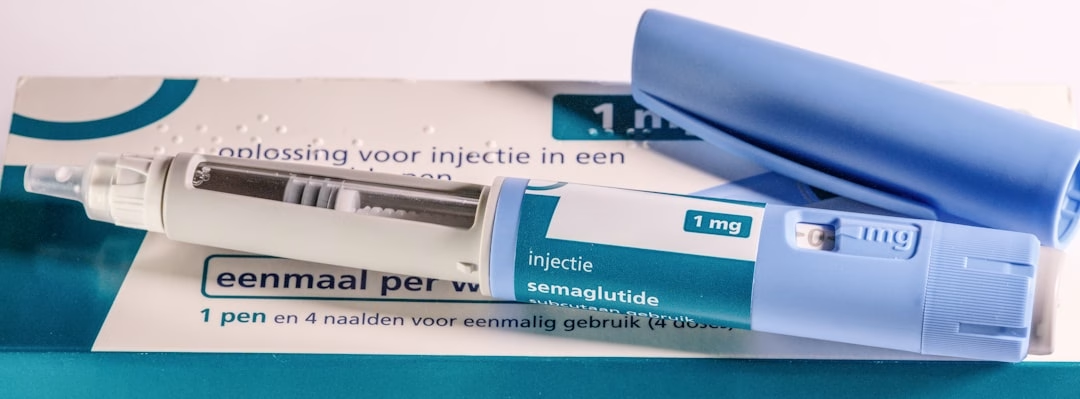
Living with type 2 diabetes doesn’t mean your life has to be dictated by it. While it’s a serious condition that requires attention, many people successfully manage their blood sugar and lead healthy, fulfilling lives. The key really boils down to understanding how your body works with diabetes and making consistent, practical lifestyle choices that support better health. It’s not about being perfect, but about building sustainable habits that make a real difference.
Before we dive into management, let’s just quickly touch on what type 2 diabetes is. Essentially, with type 2, your body either doesn’t produce enough insulin, or it doesn’t use the insulin it produces effectively – this is called insulin resistance. Insulin is crucial because it’s what allows glucose (sugar) from the food you eat to enter your cells for energy. When this process doesn’t work right, glucose builds up in your bloodstream, leading to high blood sugar levels. Over time, persistently high blood sugar can cause a whole host of complications if not managed, affecting your heart, kidneys, eyes, and nerves. But the good news is, many of these complications can be prevented or delayed with proactive management.
For those interested in the benefits of gardening and its impact on health, you might find the article on heirloom seeds particularly enlightening. Growing your own organic produce can be a great way to manage dietary choices, which is crucial for individuals with type 2 diabetes. To explore how cultivating your own food can contribute to a healthier lifestyle, check out this related article on heirloom seeds for organic gardening.
Nourishing Your Body with Smart Food Choices
What you eat plays a huge role in managing type 2 diabetes. It’s not about strict denial or deprivation, but rather about making informed choices that stabilize your blood sugar levels and provide your body with the nutrients it needs. Think of food as fuel, and you want the right kind of fuel for optimal performance.
Focus on Complex Carbohydrates
Not all carbs are created equal. Simple carbohydrates, like those found in sugary drinks, white bread, and processed snacks, cause rapid spikes in blood sugar. Complex carbohydrates, on the other hand, are digested more slowly, leading to a more gradual and sustained release of glucose.
- Whole Grains: Opt for brown rice, quinoa, whole-wheat bread, oats, and barley. These are packed with fiber, which helps slow down sugar absorption and keeps you feeling full.
- Legumes: Lentils, beans (black, kidney, chickpeas), and peas are fantastic sources of complex carbs, protein, and fiber. They’re incredibly versatile and can be added to soups, stews, salads, or enjoyed as a side dish.
- Starchy Vegetables: Sweet potatoes, corn, and peas can be part of a healthy diet but should be consumed in measured portions due to their carbohydrate content.
Prioritize Protein
Protein is essential for managing type 2 diabetes because it helps slow down the rise in blood sugar after a meal and promotes satiety. This can prevent overeating and help with weight management, which is often beneficial for people with type 2 diabetes.
- Lean Meats: Chicken breast, turkey, and lean cuts of beef or pork are good options.
- Fish: Fatty fish like salmon, mackerel, and sardines are not only good sources of protein but also provide omega-3 fatty acids, which are beneficial for heart health.
- Plant-Based Proteins: Tofu, tempeh, edamame, nuts, and seeds are excellent choices for protein, especially if you’re reducing your meat intake.
- Dairy and Eggs: Low-fat dairy products (milk, yogurt, cheese) and eggs are convenient and nutritious sources of protein.
Embrace Healthy Fats
While “fat” often gets a bad rap, healthy fats are crucial for overall health, including heart health, which is particularly important for people with diabetes. They can also contribute to feelings of fullness.
- Monounsaturated and Polyunsaturated Fats: Found in avocados, nuts, seeds, and olive oil. These fats can help lower bad cholesterol levels.
- Omega-3 Fatty Acids: As mentioned earlier, found in fatty fish, but also in flaxseeds and walnuts. These have anti-inflammatory properties.
- Avoid Trans Fats: These unhealthy fats are often found in processed foods and can raise bad cholesterol and lower good cholesterol. Always check food labels for “partially hydrogenated oil.”
Mind Your Portions
Even healthy foods can impact blood sugar if consumed in large quantities. Learning about appropriate portion sizes is a fundamental part of diabetes management. This can be tricky at first, but with practice, it becomes second nature.
- Use Visual Cues: A serving of protein might be the size of a deck of cards, a serving of cooked vegetables about half a cup, and a serving of grains around a quarter cup.
- Read Labels: Nutrition labels provide serving size information, which can be a valuable guide.
- Eat Mindfully: Pay attention to your body’s hunger and fullness cues. Eating slowly can help you recognize when you’re satisfied, preventing overeating.
Moving Your Body Regularly
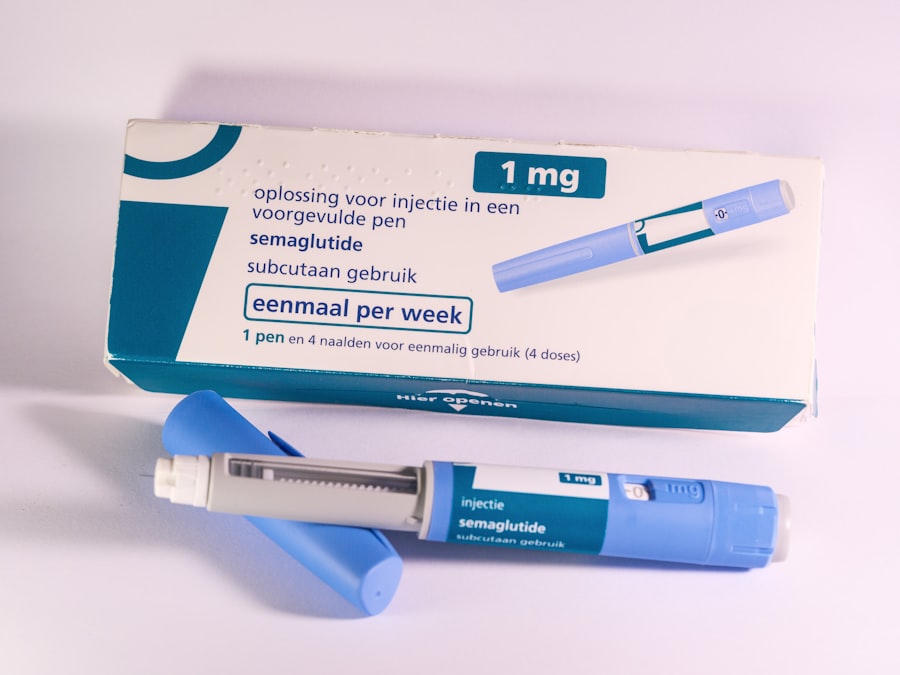
Physical activity is another cornerstone of type 2 diabetes management. It’s not just about burning calories; exercise has a direct and powerful impact on how your body handles glucose.
How Exercise Helps
When you’re physically active, your muscles use glucose for energy. This helps lower blood sugar levels directly during and after your workout. Regular exercise also makes your body more sensitive to insulin, meaning your cells can take up glucose more effectively, even if you have insulin resistance. It’s a win-win situation.
- Improved Insulin Sensitivity: Over time, consistent exercise can make your cells more responsive to insulin, reducing the amount of insulin needed to manage blood sugar.
- Lower Blood Sugar: Muscles use glucose for fuel, directly lowering the amount of sugar in your bloodstream.
- Weight Management: Exercise burns calories, which can contribute to weight loss or maintenance. Losing even a modest amount of weight can significantly improve blood sugar control.
- Reduced Risk of Complications: Regular physical activity supports heart health, lowers blood pressure, and improves cholesterol levels, all of which reduce the risk of diabetes-related complications.
- Stress Reduction: Exercise is a fantastic stress reliever, which is important because stress can sometimes raise blood sugar levels.
Finding Activities You Enjoy
The best exercise is the one you’ll actually do consistently. Don’t feel pressured to join a gym or run a marathon if that’s not your thing. Start small and find activities that fit your lifestyle and preferences.
- Aerobic Exercise: Aim for at least 150 minutes of moderate-intensity aerobic activity per week. This could include brisk walking, swimming, cycling, dancing, or hiking. Break it up into shorter sessions if needed – even 10-minute bursts throughout the day add up.
- Strength Training: Incorporate strength training exercises at least twice a week. This helps build muscle mass, and more muscle means your body is better at using glucose. You can use free weights, resistance bands, your own body weight (push-ups, squats), or weight machines.
- Flexibility and Balance: Activities like yoga, Pilates, or Tai Chi can improve flexibility, balance, and reduce stress. While not directly focused on blood sugar, they contribute to overall well-being and can make other forms of exercise safer and more enjoyable.
- Listen to Your Body: It’s okay to have off days. The goal is consistency over time, not perfection every single day. If you have any medical conditions or are new to exercise, it’s always a good idea to talk to your doctor before starting a new fitness routine.
Monitoring Your Blood Sugar
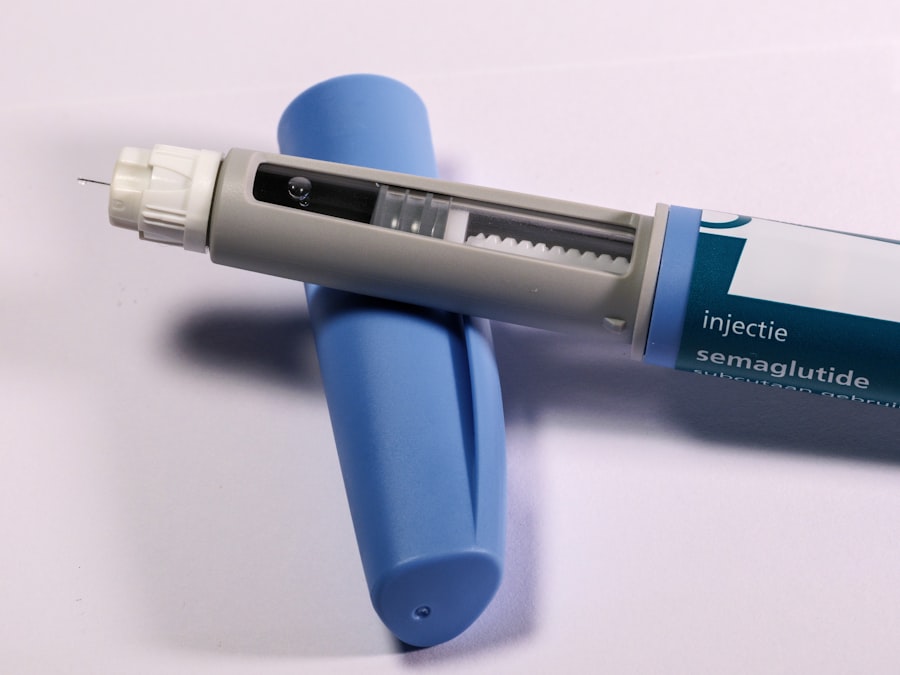
Regularly checking your blood sugar levels isn’t about judgment; it’s about information. It helps you understand how different foods, activities, and even stress impact your glucose levels, allowing you to make informed adjustments.
Why Monitoring Matters
Think of blood sugar monitoring as getting real-time feedback. It helps you and your healthcare team:
- Identify Patterns: You’ll start to see how certain meals or physical activities affect your blood sugar. This can guide your food choices and exercise routines.
- Adjust Medications: If you’re on medication, monitoring helps your doctor determine if the dosage needs to be adjusted.
- Prevent Hypoglycemia/Hyperglycemia: Regular checks can help you catch dangerously low (hypoglycemia) or high (hyperglycemia) blood sugar levels before they become severe, allowing you to take corrective action.
- Empowerment: Understanding your numbers gives you a sense of control and helps you actively participate in your own care.
How and When to Test
Your healthcare provider will give you specific recommendations on how often and when to test, as it can vary based on your individual treatment plan.
- At-Home Monitoring: You’ll likely use a glucometer, a small device that measures your blood sugar from a tiny drop of blood, usually from your fingertip.
- Before Meals: This gives you a baseline to see how your body is doing before you eat.
- One or Two Hours After Meals: This helps you understand how particular foods impact your blood sugar.
- Before and After Exercise: This can help you understand how physical activity affects your glucose levels and prevent lows.
- Before Bed: This helps ensure your blood sugar isn’t too low or too high overnight.
- Continuous Glucose Monitors (CGMs): For some individuals, a CGM might be recommended. This small sensor worn on your skin provides continuous blood sugar readings throughout the day and night, offering a more comprehensive picture.
Keeping Records
It’s really helpful to keep a log of your blood sugar readings, along with notes about what you ate, your activity level, and any medications you took. Many glucometers now have built-in memory, or you can use a notebook or a diabetes management app. This data is invaluable for your healthcare team in making adjustments to your treatment plan.
For those interested in understanding the broader implications of lifestyle choices on health, a fascinating article discusses the benefits of permaculture practices and their potential impact on diet and well-being. By exploring sustainable agricultural methods, individuals can learn how to cultivate nutrient-rich foods that may help in managing conditions like type 2 diabetes. You can read more about these practices and their benefits in this insightful piece on permaculture.
The Role of Medication (If Needed)
| Metrics | Value |
|---|---|
| Prevalence of Type 2 Diabetes | 10.5% of the U.S. population |
| Global Type 2 Diabetes Cases | Approximately 422 million |
| Cost of Type 2 Diabetes Treatment | Average annual cost of 9,601 per person |
| Complications of Type 2 Diabetes | Increased risk of heart disease, stroke, kidney disease, and blindness |
For many people with type 2 diabetes, lifestyle changes alone are enough to manage blood sugar, especially in the early stages. However, medication is a common and often essential component of treatment, and there’s absolutely no shame in needing it. It’s simply another tool in your toolkit.
Common Medications
There’s a range of medications available, and your doctor will work with you to find what’s best for your individual needs.
- Metformin: Often the first-line medication, metformin works by decreasing glucose production by the liver and improving insulin sensitivity.
- Sulfonylureas: These medications stimulate your pancreas to make more insulin.
- DPP-4 Inhibitors: These help your body produce more insulin after meals and decrease the amount of glucose produced by your liver.
- SGLT2 Inhibitors: These work by causing your kidneys to remove more glucose from your body through urine. They can also have heart and kidney benefits.
- GLP-1 Receptor Agonists: These slow digestion, help with weight loss, and stimulate insulin release when blood sugar is high. They are often given as injections.
- Insulin: In some cases, people with type 2 diabetes may need insulin, especially if the pancreas isn’t producing enough on its own or if blood sugar remains high despite other medications.
Adherence and Communication
Taking your medication as prescribed is crucial for its effectiveness. If you have side effects or concerns, never stop taking your medication without talking to your doctor first. Your healthcare provider can adjust dosages, suggest alternative medications, or help you manage side effects. Open and honest communication with your medical team is key to finding the right balance for you.
Prioritizing Mental Well-being and Stress Management
Managing a chronic condition like type 2 diabetes can be stressful, and stress itself can directly impact blood sugar levels. Taking care of your mental health is just as important as focusing on diet and exercise.
How Stress Affects Blood Sugar
When you’re stressed, your body releases hormones like cortisol and adrenaline. These hormones are designed to prepare your body for a “fight or flight” response, and one of their effects is to raise blood sugar levels to provide quick energy. For someone with diabetes, this can make blood sugar control more challenging.
Practical Stress Reduction Techniques
Finding healthy ways to manage stress can lead to more stable blood sugar levels and an improved quality of life.
- Mindfulness and Meditation: Even a few minutes a day of focused breathing or guided meditation can make a difference. Many apps and online resources offer free guided meditations.
- Physical Activity: As mentioned earlier, exercise is a phenomenal stress reliever. It releases endorphins, which have mood-boosting effects.
- Adequate Sleep: Lack of sleep can raise stress hormones and disrupt glucose metabolism. Aim for 7-9 hours of quality sleep per night. Establishing a consistent sleep schedule can help.
- Hobbies and Relaxation: Make time for activities you enjoy – reading, listening to music, gardening, spending time in nature, or creative pursuits. These can help shift your focus away from stressors.
- Social Connection: Spending time with loved ones, talking to friends, or joining support groups can provide emotional support and reduce feelings of isolation. Sharing your experiences can be incredibly validating.
- Seek Professional Help: If you’re feeling overwhelmed, persistently sad, anxious, or notice significant changes in your mood or sleep, don’t hesitate to reach out to a mental health professional. Therapy or counseling can provide tools and strategies for coping.
Building a Support System
You don’t have to go through this alone. Having a strong support system can make a world of difference.
- Family and Friends: Educate your loved ones about your condition so they can understand and support you. They can be a great source of encouragement.
- Diabetes Support Groups: Connecting with others who understand what you’re going through can offer practical tips, emotional support, and a sense of community.
- Healthcare Team: Your doctor, endocrinologist, dietitian, and diabetes educator are your partners in managing your health. Don’t be afraid to ask questions, voice concerns, and utilize their expertise.
Managing type 2 diabetes is an ongoing journey that really boils down to consistent, informed self-care. It’s about making small, sustainable changes and developing habits that support your health. It’s not about being perfect, but about being proactive, understanding your body, and working with your healthcare team to live your healthiest life. You’ve got this.
