
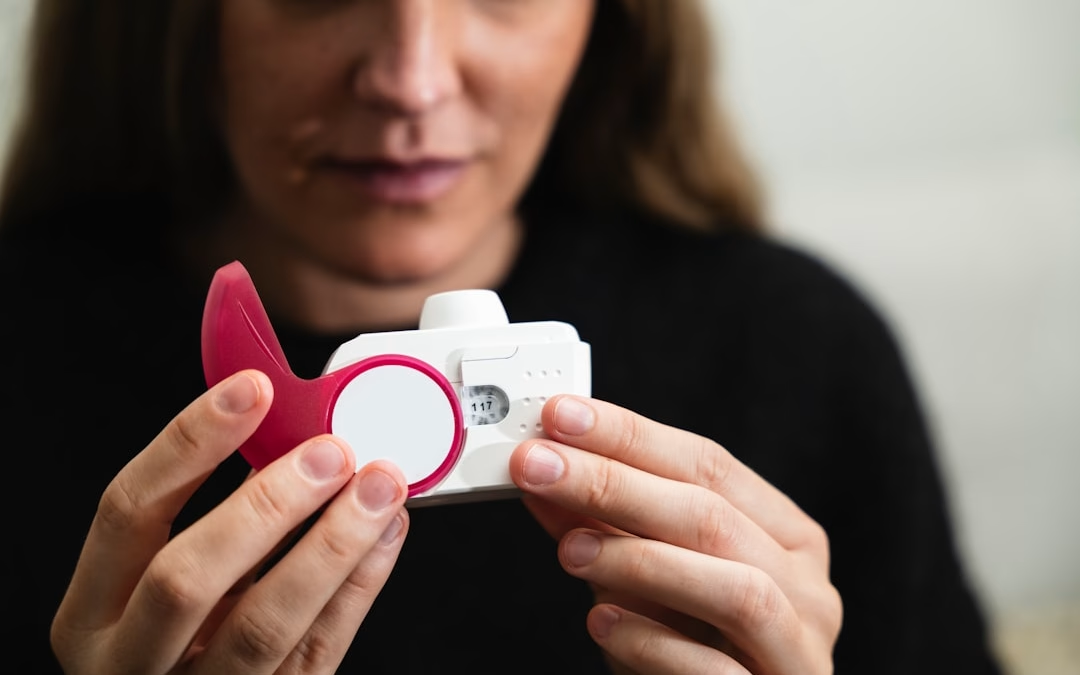
If you’re living with COPD (Chronic Obstructive Pulmonary Disease), you know how challenging it can be to breathe easily. The good news is, there are many practical ways to manage your condition and improve your quality of life. This guide will walk you through some key strategies to help you breathe better and live more comfortably.
Before diving into management, a quick refresher on what COPD actually is can be helpful. It’s a progressive lung disease that makes it hard to breathe. This difficulty arises from inflamed and narrowed airways, and often, damaged air sacs (alveoli) in your lungs. Think of your lungs like a complex branching system of tubes – with COPD, these tubes can get a bit clogged and inflexible, making it tough for air to get in and out efficiently.
What’s Happening Inside?
Essentially, COPD encompasses two main conditions: chronic bronchitis and emphysema.
- Chronic Bronchitis: This involves long-term inflammation of the bronchial tubes, which carry air to and from your lungs. This inflammation leads to a persistent cough and mucus production. Imagine your airways getting irritated and producing too much gunk, making it harder for air to pass through.
- Emphysema: In emphysema, the air sacs (alveoli) at the end of the smallest air passages in your lungs get damaged. These delicate sacs are crucial for exchanging oxygen and carbon dioxide. When they’re damaged, they lose their elasticity, making it harder for air to get out of your lungs. It’s like a deflated balloon that struggles to re-inflate fully.
Both conditions significantly impact your ability to exchange gases, leading to shortness of breath, especially during physical activity. While there’s no cure for COPD, understanding its mechanisms helps us focus on strategies to alleviate symptoms and slow its progression.
Chronic Obstructive Pulmonary Disease (COPD) is a serious respiratory condition that can significantly impact a person’s quality of life. For those interested in improving their overall health and wellness, exploring holistic approaches can be beneficial. A related article that discusses the importance of maintaining a healthy lifestyle through organic gardening techniques can be found at Grow Your Dream Garden with These Organic Gardening Techniques. This resource offers insights into how nurturing a garden can contribute to better respiratory health and overall well-being.
Taking Control of Your Environment
Your immediate surroundings play a huge role in how your lungs feel. Making a few adjustments can significantly reduce irritation and improve your breathing.
Avoiding Triggers
This is probably one of the most impactful things you can do. Identify and then steer clear of whatever makes your breathing worse.
- Quit Smoking (If You Haven’t): This is non-negotiable. If you’re still smoking, stopping is the single best thing you can do for your lungs. It slows the progression of the disease and reduces flair-ups. There are many resources available to help, from patches and gum to support groups and medications. Don’t be afraid to ask your doctor for help.
- Secondhand Smoke: Even if you don’t smoke, exposure to secondhand smoke can irritate your airways. Try to avoid places where people are smoking and ask family and friends not to smoke around you.
- Air Pollution: Watch local air quality reports. On days with high pollen or pollution, try to stay indoors, especially during peak times. Fine particulate matter and ground-level ozone are particularly harmful to compromised lungs.
- Chemical Fumes and Strong Scents: Things like cleaning products, paint fumes, perfumes, and even strong cooking odors can be irritants. Opt for unscented products and ensure good ventilation when using any chemicals. Sometimes, even “natural” scents can trigger a reaction, so pay attention to what bothers you.
- Dust and Allergens: Keep your home as dust-free as possible. Regular cleaning, using a HEPA filter vacuum, and considering an air purifier can make a difference. If you have known allergies, addressing them will help.
Improving Indoor Air Quality
Beyond avoiding overt triggers, actively improving the air inside your home can provide relief.
- Ventilation: Open windows when the outdoor air quality is good to allow fresh air to circulate. If you can’t open windows due to outdoor conditions, consider using an exhaust fan in the kitchen or bathroom.
- Air Purifiers: A good quality air purifier with a HEPA filter can remove many airborne irritants like dust, dander, and pollen. Make sure it’s appropriately sized for your room.
- Humidity Control: Both very dry and overly humid air can be problematic. A humidifier can help if your air is too dry, especially in winter. Conversely, a dehumidifier can be useful in humid climates to prevent mold growth, which is another common irritant. Aim for a humidity level between 30% and 50%.
- Pet Dander: If you have pets, regular grooming and cleaning can help reduce dander. While it might be hard to part with a beloved pet, if your symptoms are severe and directly linked to pet dander, it might be a conversation to have with your doctor.
Medications and Treatments: Your Toolkit
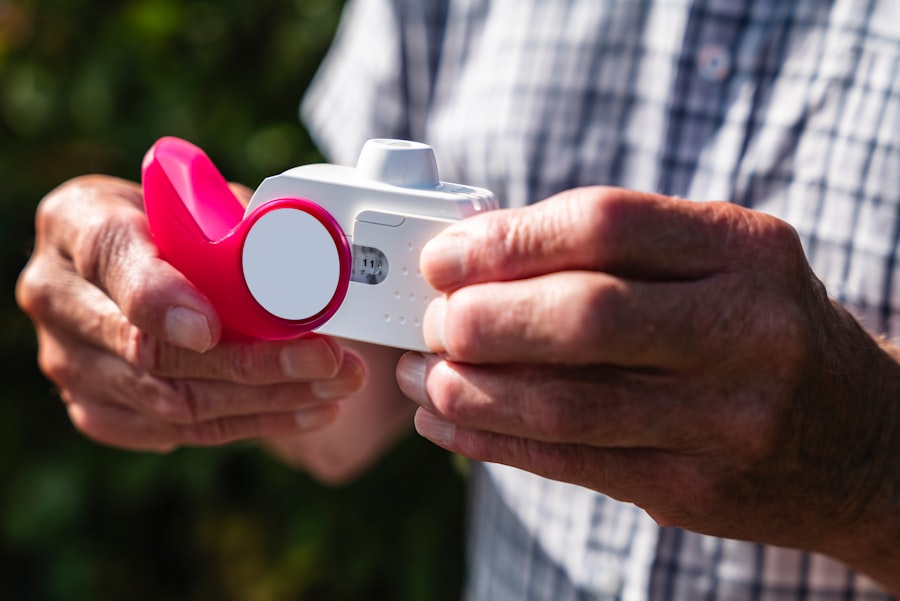
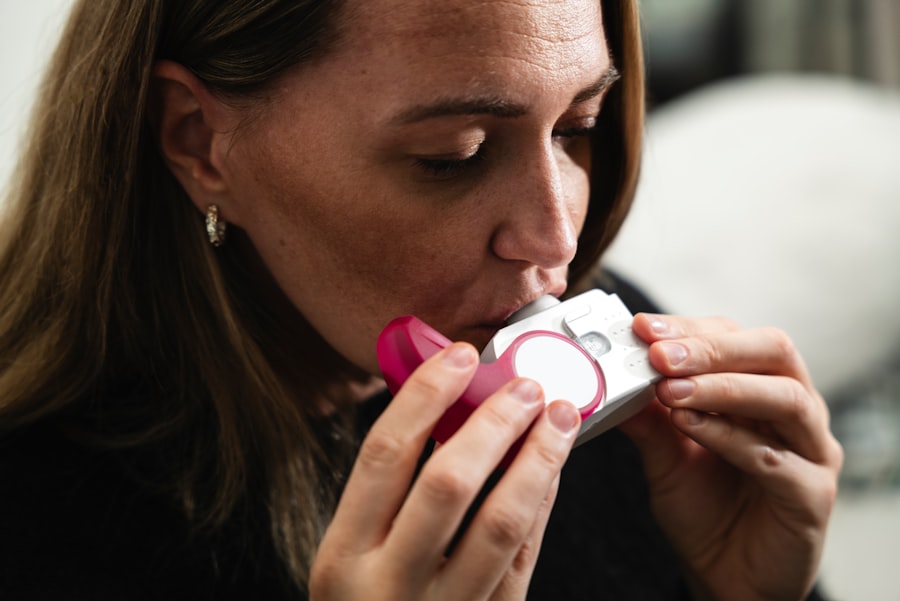
Your doctor will likely prescribe a combination of medications to manage your COPD symptoms. It’s crucial to understand what each medication does and how to use it correctly.
Bronchodilators
These are often the first line of defense. They work by relaxing the muscles around your airways, helping them open up and making breathing easier.
- Short-Acting Bronchodilators (SABAs): These provide quick relief for sudden shortness of breath. Think of them as your “rescue inhaler.” Effects usually last 4-6 hours. Examples include albuterol. It’s important not to overuse these; frequent use might indicate your COPD isn’t well-controlled.
- Long-Acting Bronchodilators (LABAs/LAMAs): These are taken daily, usually once or twice, to keep airways open for an extended period (12-24 hours). They help prevent symptoms and improve daily function. Examples include salmeterol, formoterol, tiotropium, and aclidinium. They aren’t for immediate relief, but for long-term maintenance.
Inhaled Corticosteroids (ICS)
These medications reduce inflammation in your airways. They are often prescribed in combination with LABAs for people with more severe COPD or those who experience frequent exacerbations.
- Combination Inhalers: Many people with COPD use inhalers that combine an ICS with a LABA (e.g., fluticasone/salmeterol, budesonide/formoterol). This approach can be more effective than using individual medications separately. Taking them regularly, even if you feel okay, is key to preventing flair-ups.
Other Medications
Depending on your specific condition and symptoms, your doctor might also prescribe:
- Oral Steroids: These are typically reserved for short courses during severe exacerbations to reduce inflammation quickly. Long-term use of oral steroids can have significant side effects.
- Antibiotics: If you develop a bacterial infection, such as pneumonia or an acute bronchitis flair-up, antibiotics will be necessary. Pay attention to any changes in mucus color or increased cough – these can be signs of an infection.
- Phosphodiesterase-4 Inhibitors (e.g., Roflumilast): This medication can help reduce inflammation and relax the airways for some people with severe COPD and chronic bronchitis symptoms.
- Mucolytics (e.g., N-acetylcysteine): These medications can help thin mucus, making it easier to cough up. This can be particularly helpful for those with excessive mucus production.
Oxygen Therapy
If your blood oxygen levels are consistently low, your doctor might prescribe supplemental oxygen. This can improve your breathing, reduce strain on your heart, and allow you to be more active.
- When It’s Needed: Oxygen therapy is not for everyone with COPD. It’s prescribed based on specific blood oxygen readings.
- Types of Systems: Oxygen can be delivered via nasal prongs or a mask from various systems:
- Concentrators: These devices filter oxygen from the air and are popular for home use. Portable versions are available for mobility.
- Compressed Gas Tanks: These are good for short-term use and portability but need to be refilled.
- Liquid Oxygen: This offers a large supply of oxygen in a smaller, lighter tank, but it evaporates over time.
Learning to use oxygen safely and effectively is crucial. Your medical team will provide detailed instructions.
Pulmonary Rehabilitation: A Game Changer
Pulmonary rehabilitation (PR) is a comprehensive program designed to improve the well-being of people who have chronic breathing problems. Think of it as a specialized gym and classroom combined, tailored specifically for your lungs.
What it Involves
PR programs are usually multidisciplinary, meaning they involve a team of healthcare professionals.
- Exercise Training: This is a core component. You’ll do exercises designed to strengthen your breathing muscles and improve your overall endurance. This isn’t about running marathons; it’s about being able to walk further, climb stairs more easily, and do daily activities without getting so breathless. Exercises typically include a blend of aerobic activity (walking, cycling) and strength training.
- Education: You’ll learn about COPD, what your medications do, how to manage flair-ups, energy conservation techniques, and healthy lifestyle choices. Understanding your condition empowers you to manage it more effectively.
- Nutritional Counseling: Many people with COPD struggle with weight – either being underweight due to too much energy spent on breathing, or overweight, which can further impact breathing. A dietitian can help you develop a meal plan that meets your specific needs.
- Psychological Support: Living with a chronic illness can be stressful and lead to anxiety or depression. PR programs often include counseling or support groups to address these emotional challenges. Learning coping mechanisms and connecting with others who understand what you’re going through can be incredibly beneficial.
Benefits of Pulmonary Rehab
Regular participation in PR can lead to significant improvements in your quality of life.
- Reduced Shortness of Breath: By strengthening your lungs and body, you’ll find daily activities less breathless.
- Increased Exercise Tolerance: You’ll be able to do more without feeling as restricted.
- Improved Mood and Mental Well-being: Battling breathlessness can take a toll. PR provides tools for coping and reduces feelings of isolation.
- Fewer Hospitalizations: By better managing your condition and avoiding triggers, you’re less likely to have severe flair-ups that require hospital stays.
- Greater Independence: Being able to do more for yourself boosts confidence and overall quality of life.
Ask your doctor if pulmonary rehabilitation is a good option for you. It’s often covered by insurance and can truly make a difference.
Chronic Obstructive Pulmonary Disease (COPD) is a significant health concern that affects millions worldwide, often exacerbated by environmental factors. For those living in rural areas, understanding how to manage COPD effectively can be crucial. A related article discusses essential tips for maintaining a comfortable country life, which can be particularly beneficial for individuals with respiratory conditions. You can read more about it in this insightful piece on top rural living essentials. By incorporating these strategies, individuals with COPD can enhance their quality of life while enjoying the tranquility of rural living.
Breathing Techniques and Energy Conservation
| Metrics | Value |
|---|---|
| Prevalence of COPD | 251 million cases worldwide |
| Global deaths from COPD | 3.17 million deaths in 2015 |
| Cost of COPD treatment | 32 billion in the US in 2010 |
| Impact on quality of life | Ranked 12th in global burden of disease |
When you’re struggling to breathe, panicking often makes it worse. Simple breathing techniques can help you calm down and get more air in and out. Learning to conserve your energy is equally important for managing daily life with COPD.
Pursed-Lip Breathing
This technique helps slow down your breathing, keeps your airways open longer, and allows for better air exchange. It pushes out trapped air in your lungs, creating more space for new oxygen-rich air.
- How to Do It:
- Relax your neck and shoulder muscles.
- Breathe in slowly through your nose for about two counts, keeping your mouth closed.
- Pucker your lips as if you’re about to whistle or gently blow out a candle.
- Exhale slowly and gently through your pursed lips for a count of four or more — making the exhale at least twice as long as the inhale.
- Repeat.
- When to Use It: Use this technique during activities that make you mildly short of breath, or as a general calming breath whenever you feel breathless. It can also be very helpful during an acute flair or when feeling anxious.
Diaphragmatic (Belly) Breathing
Many people with COPD start to breathe shallowly from their chest. Diaphragmatic breathing helps you use your diaphragm, a powerful muscle, to pull air deep into your lungs more effectively.
- How to Do It:
- Lie on your back with your knees bent, or sit comfortably in a chair.
- Place one hand on your chest and the other on your abdomen, just below your rib cage.
- Breathe in slowly through your nose. As you inhale, feel your abdomen rise while your chest remains relatively still.
- Exhale slowly through pursed lips, feeling your abdomen fall. Your hand on your abdomen should move inwards, while your chest hand remains still.
- Focus on pushing all the air out of your lungs with each exhale.
- When to Use It: Practice this technique regularly when you’re relaxed, so it becomes more natural to use when you’re short of breath. It takes practice to retrain your breathing.
Energy Conservation Strategies
Fatigue is a common burden for people with COPD. Learning to manage your energy can help you do more throughout the day without becoming exhausted.
- Pacing Yourself: Don’t try to do too much at once. Break tasks into smaller steps and take breaks in between. For example, instead of cleaning the entire kitchen at once, wash dishes, then rest, then wipe counters.
- Prioritize Tasks: Decide what’s most important and do those activities when you have the most energy. Don’t feel guilty about letting less important tasks go.
- Avoid Rushing: Rushing uses more energy and can lead to shortness of breath. Take your time, even if it means planned delays.
- Use Assistive Devices: Don’t hesitate to use a rolling walker with a seat, a shower chair, or long-handled grabbers to help you conserve energy and maintain independence.
- Plan Ahead: Lay out clothes the night before, pre-chop vegetables, or organize your living space so frequently used items are within easy reach.
- Slide, Don’t Lift: Pushing or sliding objects is often easier and less demanding than lifting them.
- Appropriate Posture: Sit or stand straight to allow your lungs maximum space to expand.
- Schedule Rest: Build short rest periods into your day, even if you don’t feel tired. Preventing fatigue is easier than recovering from it.
Chronic Obstructive Pulmonary Disease (COPD) is a serious condition that affects millions of people worldwide, and understanding its causes and management is crucial for those affected. For individuals looking to improve their overall health and potentially support their respiratory function, exploring natural remedies and lifestyle changes can be beneficial. One interesting approach is the incorporation of organic gardening, which not only provides fresh produce but also encourages physical activity and a connection to nature. For more insights on how to grow your own organic bounty, you can read this related article on heirloom seeds.
Lifestyle Choices for Better Lung Health
Beyond medical treatments, your daily habits significantly impact how well you manage your COPD. These aren’t just “nice-to-haves” but crucial components of a holistic management plan.
Regular Physical Activity
While it might seem counterintuitive to exercise when you’re short of breath, regular, appropriate physical activity is incredibly beneficial. Your pulmonary rehab program will guide you, but even simple walks can help.
- Build Endurance: Exercise strengthens your heart and the muscles you use for breathing, allowing them to use oxygen more efficiently. This means they’ll work less hard for the same amount of activity, reducing breathlessness.
- Maintain Muscle Mass: With COPD, muscle wasting can occur. Regular activity helps maintain muscle strength and overall physical function.
- Boost Mood: Exercise is a natural mood enhancer and can help combat anxiety and depression often associated with chronic illness.
- Improved Sleep: Being more active during the day can lead to better sleep at night.
- What to Do: Talk to your doctor or physical therapist to create an exercise plan that’s safe for you. This might include walking, cycling, light strength training, or chair exercises. Start slowly and gradually increase duration or intensity. Always listen to your body and use your breathing techniques.
Healthy Eating
Nutrition plays a vital role in your overall health and can impact your ability to breathe and fight off infections.
- Balanced Diet: Aim for a diet rich in fruits, vegetables, lean proteins, and whole grains. This provides the energy and nutrients your body needs to function well.
- Smaller, Frequent Meals: Eating large meals can make you feel full and put pressure on your diaphragm, making breathing more difficult. Try eating 5-6 smaller meals or snacks throughout the day.
- Hydration: Drink plenty of water throughout the day. Staying hydrated helps thin mucus, making it easier to cough up. Avoid excessive caffeine and alcohol, which can cause dehydration.
- Choose Nutrient-Dense Foods: Focus on foods that provide a lot of nutrition without too many calories. Foods that are easy to chew and digest are also helpful (e.g., smoothies, soft fruits, cooked vegetables).
- Limit Salt: Too much sodium can lead to fluid retention, which can make breathing harder, especially if you also have heart issues.
- Monitor Weight: If you are underweight, work with a dietitian to ensure you are getting enough calories and protein. If you are overweight, losing some weight can reduce the burden on your lungs.
Preventing Infections
Respiratory infections like the flu, pneumonia, and even common colds can be devastating for someone with COPD, often leading to severe exacerbations and hospitalizations.
- Vaccinations:
- Flu Shot: Get an annual flu shot. This is one of the most important steps you can take.
- Pneumonia Vaccine: Discuss with your doctor which pneumonia vaccines (PCV13 and PPSV23) are appropriate for you and when to get them.
- COVID-19 Vaccine and Boosters: Stay up-to-date with your COVID-19 vaccinations.
- Tdap Vaccine: Get the Tdap vaccine if you haven’t recently, which protects against tetanus, diphtheria, and whooping cough (pertussis).
- Good Hand Hygiene: Wash your hands frequently with soap and water, especially after touching common surfaces, before eating, and after coughing or sneezing. Hand sanitizer is a good alternative when soap and water aren’t available.
- Avoid Crowds During Peak Season: During cold and flu season, try to limit your exposure to large crowds, especially in enclosed spaces.
- Stay Away from Sick People: If someone you know is sick, politely ask them to keep their distance until they are better. Don’t be afraid to protect your health.
- Masking: Consider wearing a mask in crowded indoor settings, especially during respiratory illness season, to add an extra layer of protection.
By actively adopting these lifestyle changes, you can significantly improve your resilience, manage your symptoms more effectively, and ultimately enjoy a better quality of life while living with COPD. It’s a journey, and consistent effort truly pays off.
