

Rheumatoid Arthritis (RA) is a chronic autoimmune disease that primarily affects the joints, causing inflammation, pain, stiffness, and swelling. While it can impact anyone, it’s more common in women and often begins between the ages of 40 and 60. The good news is that with a proper understanding of its symptoms and available treatment options, individuals with RA can manage their condition effectively and maintain a good quality of life.
Rheumatoid arthritis isn’t just “getting old” or a simple ache in your joints. It’s a systemic autoimmune condition, meaning your immune system, which is supposed to defend your body against invaders like bacteria and viruses, mistakenly attacks your own healthy tissues. In the case of RA, the primary target is the synovium, the thin membrane that lines your joints.
The Immune System Gone Rogue
Normally, your immune system is a finely tuned defense system. However, in RA, it gets confused and triggers an inflammatory response in the synovium. This inflammation is the root cause of many RA symptoms.
Joint Inflammation is Key
When the synovium becomes inflamed, it thickens and produces excess synovial fluid. This leads to the characteristic swelling and pain associated with RA. Over time, if left untreated, this inflammation can erode cartilage, the cushioning between your bones, and even damage the bones themselves and ligaments, leading to joint deformity and loss of function.
It’s Not Just About Joints
While joints are the main highway for RA symptoms, it’s crucial to remember that RA is a systemic disease. This means the inflammation can spread beyond the joints and affect other parts of the body, including the skin, eyes, lungs, heart, and blood vessels. This is why early diagnosis and comprehensive treatment are so important. Understanding that RA can manifest in various ways is the first step in effective management of this complex condition.
For those interested in the holistic approaches to managing rheumatoid arthritis, you may find valuable insights in the article on permaculture practices. By exploring sustainable living and natural remedies, this resource highlights how integrating permaculture principles can contribute to overall health and wellness. To learn more about these practices and their potential benefits, visit Discover the Power of Permaculture: Permaculture Practices.
Spotting the Signs: Common Rheumatoid Arthritis Symptoms
Recognizing the symptoms of rheumatoid arthritis is crucial for early diagnosis and intervention. RA symptoms can vary in intensity and can come and go, a phenomenon known as flares. They often affect joints symmetrically, meaning if one knee is affected, the other is likely to be affected too.
Joint Pain and Swelling: The Hallmarks
This is probably what most people associate with RA. You’ll likely experience pain, tenderness, and swelling in your affected joints. The pain is often described as a deep ache and can be worse in the morning.
Morning Stiffness is a Big Clue
One of the most distinct features of RA is prolonged morning stiffness. You might feel like your joints are “locked up” when you first wake up and it can take an hour or more to loosen up. This is a key differentiator from other types of arthritis.
Symmetrical Involvement
As mentioned, RA often affects joints on both sides of your body. This symmetry can be a significant indicator that you’re dealing with RA rather than another condition like osteoarthritis, which tends to be more localized. Common joints affected include the small joints of the hands and feet, wrists, elbows, knees, and ankles.
Fatigue: The Unseen Enemy
Beyond the physical joint issues, RA can cause profound fatigue. This isn’t just being tired; it’s a bone-deep exhaustion that can make even simple daily tasks feel overwhelming. This fatigue is a direct result of the body’s ongoing inflammatory battle.
The Impact on Daily Life
This pervasive fatigue can significantly impact your ability to work, socialize, and engage in activities you once enjoyed. It’s important to acknowledge and communicate this symptom to your healthcare provider, as it’s a critical component of the disease that needs to be managed.
Other Physical Manifestations
While joints and fatigue are primary, RA can present in other ways.
Rheumatoid Nodules
Some people with RA develop firm lumps under the skin, usually over bony prominences like the elbows or fingers. These are called rheumatoid nodules and are a sign of more severe RA.
Warmth and Redness in Joints
The inflamed joints may feel warm to the touch and appear red, particularly during a flare-up. This is a direct visual cue of the inflammation occurring within the joint.
Loss of Range of Motion
Over time, the inflammation and potential joint damage can lead to a decreased ability to move your joints through their full range. This can affect everything from typing to walking to reaching for objects.
Diagnosing Rheumatoid Arthritis: Putting the Pieces Together
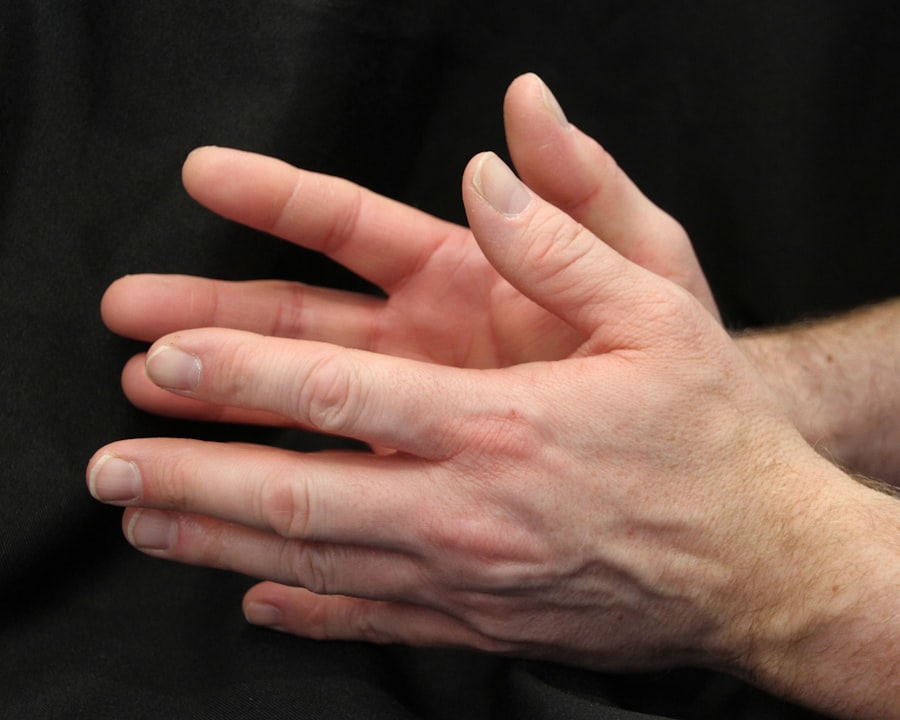
Diagnosing RA isn’t always straightforward because its symptoms can overlap with other conditions. Healthcare providers typically use a combination of methods to arrive at a diagnosis.
Medical History and Physical Examination
Your doctor will start by asking about your symptoms, when they started, how they’ve progressed, and your family medical history. They’ll also perform a physical exam, checking your joints for swelling, tenderness, warmth, and signs of reduced range of motion.
Blood Tests: Looking for Clues
Several blood tests can help diagnose RA and monitor its activity.
Rheumatoid Factor (RF)
This test detects an antibody called rheumatoid factor. While not everyone with RA has RF, it’s present in about 80% of people with the condition. However, RF can also be found in people without RA, so it’s not a definitive standalone test.
Anti-CCP Antibodies
Antibodies known as anti-cyclic citrullinated peptide (anti-CCP) antibodies are often present in the blood of people with RA, and they tend to be a more specific marker than RF. Their presence can indicate a higher likelihood of developing more severe joint damage.
C-Reactive Protein (CRP) and Erythrocyte Sedimentation Rate (ESR)
These tests measure inflammation levels in your body. Elevated CRP and ESR levels suggest that there is significant inflammation occurring, which is a key characteristic of RA.
Imaging Studies: Seeing the Damage
Imaging tests can help visualize the extent of joint inflammation and damage.
X-rays
X-rays can detect changes in the joints, such as swelling of the joint lining and bone erosion, which are indicative of RA. They are particularly useful for monitoring disease progression.
Ultrasound and MRI
Ultrasound and magnetic resonance imaging (MRI) are more sensitive than X-rays and can detect inflammation in the soft tissues and early bone damage that might not be visible on an X-ray. These can be invaluable for early diagnosis.
Treatment Strategies: Managing RA for a Better Life

While there’s no cure for rheumatoid arthritis, a range of effective treatments can help manage symptoms, slow disease progression, and improve your quality of life. The goal is to reduce inflammation, relieve pain, preserve joint function, and prevent further damage.
Medications: The Backbone of Treatment
Medications are the primary way to manage RA. They are typically prescribed based on the severity of your RA and how it’s affecting your body.
Disease-Modifying Antirheumatic Drugs (DMARDs)
DMARDs are the cornerstone of RA treatment. They work by suppressing your immune system to slow down the disease process and prevent joint damage. This class includes:
Conventional Synthetic DMARDs (csDMARDs)
Methotrexate is the most commonly prescribed csDMARD. Other examples include sulfasalazine and leflunomide. They are often the first line of treatment and can take several weeks to start showing their full effect.
Biologic DMARDs (bDMARDs) and Targeted Synthetic DMARDs (tsDMARDs)
These newer classes of drugs are more targeted in their approach to suppressing inflammation. Biologics are made from living cells and target specific proteins in the immune system that drive inflammation. Examples include adalimumab, etanercept, and rituximab. Targeted synthetic DMARDs, such as tofacitinib, work within cells to block inflammatory pathways. These are often used when csDMARDs aren’t effective or for more severe disease.
Nonsteroidal Anti-Inflammatory Drugs (NSAIDs)
NSAIDs like ibuprofen and naproxen can help reduce pain and inflammation, but they don’t slow disease progression. They are often used for short-term relief or in conjunction with DMARDs.
Corticosteroids
Corticosteroids, such as prednisone, are powerful anti-inflammatory drugs that can provide rapid relief from pain and swelling during RA flares. However, due to potential side effects, they are usually prescribed for short periods or at the lowest possible dose.
Lifestyle Modifications and Self-Care
Beyond medication, several lifestyle adjustments can make a significant difference in managing RA.
Exercise and Physical Therapy
Regular, appropriate exercise is crucial for maintaining joint flexibility, muscle strength, and overall fitness. A physical therapist can design a personalized exercise program tailored to your specific needs and abilities. Low-impact activities like swimming, cycling, and walking are often recommended.
Diet and Nutrition
While no specific diet can cure RA, a balanced, nutrient-rich diet can support overall health and potentially help reduce inflammation. Focusing on fruits, vegetables, whole grains, and lean protein is generally beneficial. Some people find that certain foods can trigger flares, so keeping a food diary can be helpful.
Rest and Sleep
Balancing activity with sufficient rest is vital for managing RA fatigue. Prioritizing good sleep hygiene can also improve overall well-being and help your body recover.
Stress Management
Chronic stress can exacerbate RA symptoms. Finding healthy ways to manage stress, such as meditation, yoga, or spending time in nature, can be very beneficial.
Surgical Options
In cases where joints are severely damaged and other treatments haven’t provided sufficient relief, surgery might be considered to improve function and reduce pain.
Synovectomy
This procedure involves removing the inflamed lining of the joint (synovium). It can help reduce pain and swelling in specific joints.
Joint Replacement Surgery
For severely damaged joints, particularly hips and knees, joint replacement surgery can be a life-changing option. Artificial joints are implanted to restore function and mobility.
Rheumatoid arthritis is a complex autoimmune condition that can significantly impact daily life, making it essential to explore various management strategies. For those interested in natural approaches, a related article discusses effective remedies that may help alleviate symptoms and improve overall well-being. You can read more about these holistic options in this insightful piece on natural remedies for a healthier life. Understanding these alternatives can empower individuals to take charge of their health and find relief from the challenges posed by rheumatoid arthritis.
Living Well with Rheumatoid Arthritis: A Long-Term Perspective
| Metrics | Value |
|---|---|
| Prevalence | 0.5-1% of the global population |
| Age of Onset | Most commonly between 30 and 60 years old |
| Gender | More common in women than men |
| Symptoms | Joint pain, swelling, stiffness, fatigue |
| Treatment | Medications, physical therapy, lifestyle changes |
Managing rheumatoid arthritis is a marathon, not a sprint. It requires ongoing effort, open communication with your healthcare team, and a willingness to adapt your strategies over time.
The Importance of a Collaborative Approach
Your healthcare team, which may include a rheumatologist, primary care physician, physical therapist, occupational therapist, and mental health professional, plays a vital role. Working together ensures you receive comprehensive and coordinated care. Don’t hesitate to ask questions, voice concerns, and be an active participant in your treatment decisions.
Staying Informed and Empowered
Understanding your condition is key to self-advocacy. The more you know about RA, its treatments, and potential challenges, the better equipped you’ll be to manage it effectively. Reliable sources of information include your doctor, reputable medical organizations, and patient support groups.
The Role of Support Systems
Dealing with a chronic illness can be emotionally taxing. Connecting with others who understand what you’re going through can be incredibly supportive. Consider joining a local or online RA support group. Sharing experiences, coping strategies, and simply feeling heard can make a significant difference.
Adapting to Changes and Flares
RA can be unpredictable, with periods of remission and periods of increased activity (flares). Learning to recognize your flare triggers and having a plan in place to manage them is essential. This might involve adjusting medications, increasing rest, or seeking guidance from your doctor. Flexibility and a willingness to adapt are crucial for long-term well-being.
By understanding the intricacies of rheumatoid arthritis, recognizing its symptoms, and actively engaging in the available treatment options, individuals can lead fulfilling and productive lives despite this chronic condition. It’s about proactive management, continuous learning, and building a strong support network.
