

Feeling good, you know, really good, is the goal for pretty much everyone. But sometimes “optimal health and wellness” sounds like a lofty, unattainable ideal, right? The good news is, it’s not some secret code only decipherable by yoga masters or marathon runners. It’s really about making consistent, smart choices that add up. Think of it less like a sprint to the finish line and more like a pleasant, steady walk with a few enjoyable detours. Here’s a breakdown of practical ways to get yourself feeling your best, no matter where you’re starting from.
This might seem obvious, but it’s the bedrock of how you feel. What you put into your body directly impacts your energy levels, mood, disease risk, and even how well you sleep.
Prioritize Whole Foods
This is the big one. We’re talking about foods as close to their natural state as possible.
Think Plants First
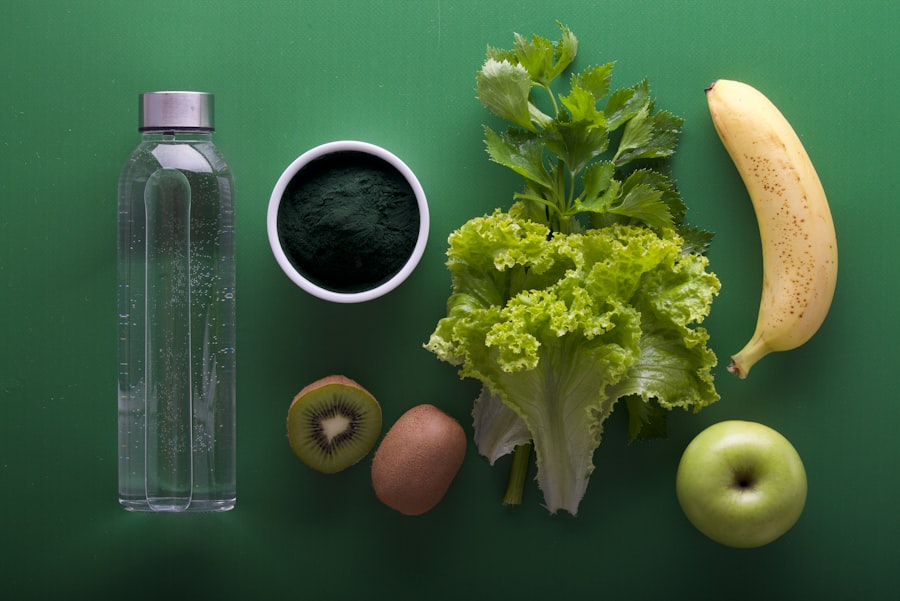
Fruits, vegetables, whole grains, legumes, nuts, and seeds should form the bulk of your diet. They are packed with vitamins, minerals, fiber, and antioxidants that your body needs to function optimally. Aim for a variety of colors to ensure you’re getting a broad spectrum of nutrients. Don’t stress about perfection; start by adding an extra serving of veggies to your dinner or swapping your usual snack for a piece of fruit.
Smart Protein Choices
Protein is essential for building and repairing tissues, and it helps you feel full and satisfied. Opt for lean sources like chicken, turkey, fish, beans, lentils, tofu, and Greek yogurt. If you’re looking to reduce meat consumption, plant-based proteins are fantastic.
Healthy Fats Are Your Friends
Fats often get a bad rap, but healthy fats are crucial for brain health, hormone production, and absorbing certain vitamins. Think avocados, olive oil, nuts, seeds, and fatty fish like salmon. Limit saturated and trans fats found in fried foods, processed snacks, and fatty cuts of meat.
Hydration: Don’t Forget the Water
Your body is largely made of water, and it’s involved in nearly every bodily function. Dehydration can lead to fatigue, headaches, and poor concentration.
Know Your Needs
The old “eight glasses a day” rule is a decent starting point, but your actual needs can vary based on your activity level, climate, and overall health. Listen to your body; thirst is a good indicator, but try to sip water throughout the day even if you don’t feel parched.
Beyond Plain Water
If plain water feels boring, jazz it up with slices of lemon, cucumber, or mint. Herbal teas are also a great choice. Be mindful of sugary drinks like soda and excessive fruit juice, which can counteract the benefits of regular water intake.
Mindful Eating: It’s Not Just What, But How
How you eat can be as important as what you eat.
Slow Down and Savor
Try to eat at a relaxed pace, chewing your food thoroughly. This aids digestion and allows your body to register satiety signals, preventing overeating. Put distractions aside – no scrolling through your phone during meals.
Listen to Your Hunger and Fullness Cues
This is a skill that can be learned. Pay attention to the physical sensations of hunger and fullness. Eat when you’re moderately hungry, and stop when you’re comfortably satisfied, not stuffed.
For those interested in enhancing their health and wellness through sustainable practices, a great resource is the article on embracing the homesteading lifestyle. This guide offers valuable insights into sustainable living, which can significantly contribute to overall well-being. You can read more about it by visiting this link.
Move Your Body: Consistency Over Intensity
Physical activity is crucial for everything from cardiovascular health to mental well-being. The best kind of exercise is the kind you’ll actually do.
Find Activities You Enjoy
This is key to long-term adherence. If you dread your workouts, you’re unlikely to stick with them.
Explore Different Options
Think beyond the gym. Hiking, dancing, swimming, cycling, team sports, gardening, or even vigorous cleaning can all contribute to your fitness. Try a few different things to see what clicks.
Mix It Up
A well-rounded fitness routine includes different types of movement.
- Cardiovascular Exercise: This gets your heart pumping and improves endurance. Aim for at least 150 minutes of moderate-intensity or 75 minutes of vigorous-intensity aerobic activity per week.
- Strength Training: Building muscle mass is vital for metabolism, bone health, and preventing injuries. Aim for at least two days a week, working all major muscle groups. You can use weights, resistance bands, or even your own body weight.
- Flexibility and Mobility: This helps prevent stiffness and improves range of motion. Activities like yoga, Pilates, or simple stretching can be beneficial.
Integrate Movement into Your Daily Life
You don’t need dedicated gym time to be more active.
Small Changes, Big Impact
Take the stairs instead of the elevator. Park further away from your destination. Get up and walk around every hour if you have a desk job. Even short bursts of activity add up.
Make it Social
Exercising with a friend can be a great motivator and makes it more enjoyable. Schedule walks or gym sessions together.
Prioritize Sleep: The Ultimate Recharge
Sleep is not a luxury; it’s a fundamental pillar of health. It’s during sleep that your body repairs itself, consolidates memories, and regulates hormones.
Aim for Quality and Quantity
Most adults need 7-9 hours of quality sleep per night.
Establish a Regular Sleep Schedule
Go to bed and wake up around the same time every day, even on weekends. This helps regulate your body’s natural sleep-wake cycle (circadian rhythm).
Create a Relaxing Bedtime Routine
Wind down before bed with activities like reading, taking a warm bath, or gentle stretching. Avoid screens (phones, tablets, TVs) for at least an hour before sleep, as the blue light can interfere with melatonin production.
Optimize Your Sleep Environment
Make your bedroom dark, quiet, and cool. Invest in comfortable bedding and pillows. If external noise is an issue, consider earplugs or a white noise machine.
Address Sleep Disruptors
If you’re consistently struggling with sleep, it’s worth investigating the causes.
Limit Caffeine and Alcohol
Avoid caffeine in the late afternoon and evening. While alcohol might make you feel drowsy initially, it can disrupt sleep later in the night.
Get Some Daylight Exposure
Sunlight exposure during the day helps regulate your circadian rhythm. Try to get outside for at least 15-30 minutes each day, especially in the morning.
Manage Stress: Find Your Calm
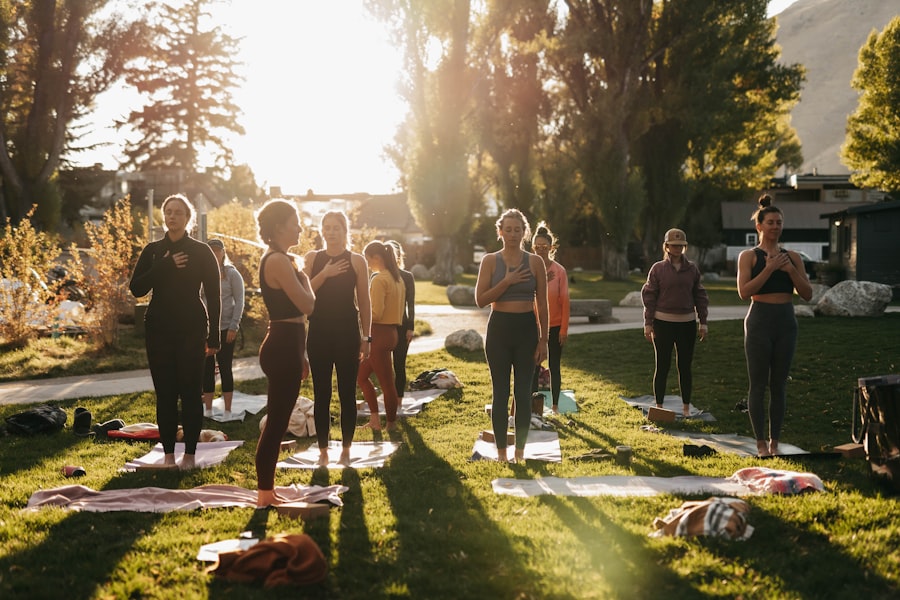
Chronic stress can wreak havoc on your physical and mental health, contributing to a host of issues from digestive problems to weakened immunity. Learning to manage stress is not about eliminating it entirely, but about developing healthy coping mechanisms.
Identify Your Stressors
Understanding what triggers your stress is the first step. Keep a stress journal for a week to note situations, thoughts, and feelings that lead to stress.
Develop Healthy Coping Strategies
This is where you experiment to find what works best for you.
Mindfulness and Meditation
Even a few minutes a day can make a difference. Apps like Calm or Headspace offer guided meditations for beginners. Focusing on your breath or bodily sensations can ground you in the present moment.
Deep Breathing Exercises
When you feel overwhelmed, simple deep breathing can help activate your body’s relaxation response. Inhale slowly through your nose, hold for a few seconds, and exhale slowly through your mouth.
Connect with Others
Talking to friends, family, or a therapist can provide support and perspective. Social connection is a powerful buffer against stress.
Engage in Hobbies and Activities You Love
Make time for things that bring you joy and help you unwind, whether it’s painting, gardening, listening to music, or playing with your pet.
Set Boundaries
Learning to say “no” is a crucial stress management tool. It’s okay to decline requests or commitments that will overextend you. Protect your time and energy.
For those interested in enhancing their health and wellness through sustainable living, exploring the benefits of small-scale farming can be incredibly rewarding. Engaging in this practice not only promotes physical activity but also encourages a deeper connection with the food we consume. To learn more about how to thrive in this endeavor, you can read a related article that offers valuable insights and tips for successful small-scale farming. Check it out here: thriving on a small farm.
Nurture Your Mental Well-being: It’s Not an Afterthought
| Topic | Metrics |
|---|---|
| Physical Activity | Steps per day, minutes of exercise |
| Nutrition | Calories intake, servings of fruits and vegetables |
| Sleep | Hours of sleep per night, sleep quality |
| Mental Health | Stress level, mood tracking |
| Weight Management | Weight, body fat percentage |
Your mental health is just as important as your physical health, and the two are deeply intertwined.
Practice Self-Compassion
Be kind to yourself. You wouldn’t speak to a friend the way you might speak to yourself during tough times. Acknowledge your struggles without judgment.
Cultivate Gratitude
Regularly acknowledging what you’re thankful for can shift your perspective and boost your mood. Keep a gratitude journal or simply take a few moments each day to reflect.
Seek Support When Needed
Don’t hesitate to reach out to a mental health professional if you’re struggling. Therapy is a tool for growth and healing, not a sign of weakness. It can provide you with strategies to navigate challenges and improve your overall well-being.
Engage in Meaningful Activities
Pursue activities that align with your values and give you a sense of purpose. This could be volunteering, learning a new skill, or contributing to something you care about.
Stay Connected: The Power of Relationships
Humans are social creatures. Strong relationships are a significant contributor to happiness and longevity.
Invest in Your Relationships
Make time for the people who matter to you. This means putting down your phone when you’re with them and actively listening.
Nurture Different Types of Connections
This includes close friendships, family relationships, romantic partnerships, and even positive interactions with colleagues or community members.
Practice Empathy and Active Listening
When you truly try to understand another person’s perspective and listen without judgment, you build deeper, more resilient connections.
Continuous Learning and Growth: Keep Your Mind Engaged
Your brain, like any other part of your body, benefits from being challenged and stimulated.
Embrace Lifelong Learning
Whether it’s reading a book, taking an online course, learning a new language, or mastering a new skill, keeping your mind active can boost cognitive function and provide a sense of accomplishment.
Challenge Your Perspectives
Be open to new ideas and information, even if they differ from your own. Engaging in thoughtful discussions can broaden your understanding of the world.
Reflection and Self-Awareness
Regularly taking time to reflect on your experiences, what you’ve learned, and how you can improve helps foster personal growth and self-understanding.
Listen to Your Body: It’s Your Best Guide
Ultimately, the most important thing is to tune into what your body is telling you. It communicates through signals like fatigue, pain, hunger, thirst, and mood. Learning to decode these signals is a skill that develops over time.
Don’t Ignore Persistent Issues
If you experience persistent pain, fatigue, or other unusual symptoms, don’t brush them off. Consult a healthcare professional to rule out any underlying conditions.
Be Patient and Kind to Yourself
Achieving optimal health and wellness is a journey, not a destination. There will be ups and downs. Celebrate your successes, learn from setbacks, and keep moving forward with a sense of intention and self-care.
By incorporating these practical tips into your daily life, you’ll be well on your way to feeling your absolute best. It’s about making sustainable changes that fit your lifestyle, not adopting a rigid, unattainable ideal. Start small, be consistent, and enjoy the process of becoming a healthier, happier you.
