

Nutrition is a pretty big deal when it comes to feeling good overall, and it’s not as complicated as some people make it out to be. Think of it as the fuel your body needs to run smoothly, tackle your day, and keep you feeling your best – both physically and mentally. Getting the right mix of nutrients isn’t about rigid diets or deprivation; it’s more about understanding what your body craves and giving it what it actually needs.
When we talk about nutrition, the first things that come to mind are usually carbs, proteins, and fats. These are your macronutrients, and they’re the heavy hitters that your body uses in large amounts for energy and building blocks. Getting the balance right here is fundamental to everything else.
Carbohydrates: Fueling Your Engine
Carbohydrates often get a bad rap, but they are your body’s primary and most efficient source of energy. They’re what keeps you going, from your morning walk to your afternoon brain fog recovery.
Complex vs. Simple Carbs: Not all Carbs are Created Equal
This is where the nuance comes in. Simple carbs, like those found in sugary drinks and pastries, offer a quick burst of energy but are often followed by a crash. Complex carbs, on the other hand, are your friends.
Whole Grains: The Slow Burn
Think brown rice, quinoa, oats, and whole wheat bread. These are packed with fiber, vitamins, and minerals. The fiber in whole grains slows down digestion, providing sustained energy release and helping you feel fuller for longer. This also means a more stable blood sugar level, which is good for energy and mood.
Vegetables and Fruits: Nature’s Sweetness and Fiber
Don’t forget the natural sugars in fruits and the fiber powerhouse in vegetables. These provide not just energy but also a wealth of vitamins, minerals, and antioxidants. Aim for a variety of colors to get a broad spectrum of nutrients.
The Role of Fiber: More Than Just Digestion
Fiber isn’t just about keeping things moving in your digestive tract (though it’s great for that). It also plays a crucial role in regulating blood sugar, lowering cholesterol, and can even contribute to better gut health. Adding more fiber-rich foods is a simple, impactful way to boost your nutrition.
Protein: The Building Blocks of Life
Protein is essential for repairing and building tissues, from your muscles to your skin and even your immune system. It’s also involved in making enzymes and hormones that keep your body functioning.
Animal-Based Protein Sources: Complete Nutrition
Meat, poultry, fish, eggs, and dairy products are excellent sources of complete protein, meaning they contain all nine essential amino acids your body can’t produce on its own. These play a significant role in muscle growth and repair, especially important if you’re active.
Lean Meats and Poultry: Efficiency without the Excess
Choosing lean options like chicken breast or turkey, lean cuts of beef, or pork tenderloin can provide you with ample protein without an excessive amount of saturated fat.
Fish: The Omega-3 Advantage
Fish, particularly fatty fish like salmon, mackerel, and sardines, are not only great protein sources but also provide omega-3 fatty acids, which are fantastic for heart and brain health.
Dairy and Eggs: Versatile and Nutrient-Dense
Milk, yogurt, and cheese offer protein along with calcium and vitamin D. Eggs are a nutritional powerhouse, providing high-quality protein and a range of vitamins and minerals.
Plant-Based Protein Sources: Variety and Fiber
You can absolutely get enough protein from plant-based sources. It just requires a little more attention to variety to ensure you’re getting all the essential amino acids.
Legumes: The Humble Heroes
Beans, lentils, chickpeas, and peas are fantastic sources of protein and fiber. They are incredibly versatile and can be added to salads, soups, stews, or dips.
Nuts and Seeds: Powerhouses of Protein and Healthy Fats
Almonds, walnuts, chia seeds, flaxseeds, and sunflower seeds are not only good for protein but also for healthy fats and minerals. Great for snacks or as additions to meals.
Soy Products: A Complete Plant-Based Option
Tofu, tempeh, and edamame are complete plant-based protein sources and can be used in a wide array of dishes.
Fats: Not the Enemy, But the Right Kind
Fats have also suffered from a bad reputation, but healthy fats are vital for hormone production, nutrient absorption, and protecting your organs. The key is choosing the right types of fats.
Unsaturated Fats: The Heart-Healthy Choices
These are the fats you want more of. They can help improve your cholesterol levels and reduce your risk of heart disease.
Monounsaturated Fats: Found in Olive Oil and Avocados
These are prevalent in olive oil, avocados, and nuts like almonds and cashews. They’re great for cooking and adding to salads.
Polyunsaturated Fats: Including Omega-3 and Omega-6
These include omega-3 and omega-6 fatty acids. Omega-3s are found in fatty fish, flaxseeds, chia seeds, and walnuts, and are crucial for brain health and reducing inflammation. Omega-6s are found in vegetable oils like soybean and corn oil, and are also essential but often consumed in higher amounts than omega-3s. A good balance is key.
Saturated and Trans Fats: Moderation is Key
Saturated fats, found in red meat, butter, and full-fat dairy, should be consumed in moderation as they can raise LDL (bad) cholesterol. Trans fats, often found in processed foods and baked goods, are the ones to really watch out for and avoid as much as possible, as they are detrimental to heart health.
For those interested in the intersection of nutrition and environmental sustainability, the article on sustainable agriculture offers valuable insights into how our food choices impact both health and the planet. By exploring practices that promote a greener future, readers can learn about the benefits of consuming locally sourced and organic foods, which not only enhance personal wellness but also support ecological balance. To delve deeper into this important topic, check out the article here: Sustainable Agriculture: Cultivating a Greener Future.
Micronutrients: The Tiny Titans of Health
While macros provide energy and structure, micronutrients are the vitamins and minerals that your body needs in smaller amounts, but they are absolutely crucial for a vast array of bodily functions, from immune response to energy production and cell repair.
Vitamins: Essential for Daily Operations
Vitamins are organic compounds that your body needs to function correctly. They are involved in everything from converting food into energy to supporting your immune system and keeping your skin healthy.
Water-Soluble Vitamins: B Vitamins and Vitamin C
These vitamins are not stored in the body and need to be replenished regularly through diet.
Vitamin C: The Antioxidant Powerhouse
Found in citrus fruits, berries, bell peppers, and leafy greens, Vitamin C is a potent antioxidant that supports the immune system and collagen production.
B Vitamins: Energy and Metabolism Mavens
This group includes B1 (thiamine), B2 (riboflavin), B3 (niacin), B5 (pantothenic acid), B6 (pyridoxine), B7 (biotin), B9 (folate), and B12 (cobalamin). They are vital for energy metabolism, nerve function, and the creation of red blood cells. You’ll find them in a variety of foods, including whole grains, lean meats, eggs, dairy, and leafy greens.
Fat-Soluble Vitamins: Vitamins A, D, E, and K
These vitamins are absorbed along with fat and can be stored in the body’s fatty tissues and liver. This means you don’t need to consume them as frequently, but it also means it’s possible to consume too much.
Vitamin A: Vision and Immunity
Essential for good vision, immune function, and skin health. Found in sweet potatoes, carrots, spinach, and liver.
Vitamin D: The Sunshine Vitamin
Crucial for calcium absorption, bone health, and immune function. While sunlight is a primary source, dietary sources include fatty fish, fortified dairy, and eggs.
Vitamin E: Antioxidant Protection
A powerful antioxidant that protects cells from damage. Found in nuts, seeds, and vegetable oils.
Vitamin K: Blood Clotting and Bone Health
Important for blood clotting and bone metabolism. Found in leafy green vegetables like kale, spinach, and broccoli.
Minerals: The Body’s Cofactors and Structural Components
Minerals are inorganic elements that play critical roles in numerous bodily functions, from building strong bones to transmitting nerve signals and maintaining fluid balance.
Major Minerals: Needed in Larger Quantities
These include calcium, phosphorus, potassium, sodium, chloride, magnesium, and sulfur.
Calcium: For Strong Bones and Teeth
Essential for skeletal health, muscle function, and nerve transmission. Dairy products, leafy greens, and fortified foods are good sources.
Magnesium: The “Chill Out” Mineral
Involved in over 300 biochemical reactions, including muscle and nerve function, blood sugar control, and blood pressure regulation. Found in leafy greens, nuts, seeds, and whole grains.
Potassium: For Fluid Balance and Blood Pressure
Crucial for maintaining fluid balance, nerve signals, and muscle contractions, and helps regulate blood pressure. Bananas, sweet potatoes, spinach, and beans are good sources.
Trace Minerals: Needed in Smaller Amounts, But Don’t Underestimate Them
These include iron, zinc, iodine, selenium, copper, manganese, and others.
Iron: The Oxygen Carrier
Essential for transporting oxygen in the blood. Red meat, lentils, spinach, and fortified cereals are good sources. Iron deficiency can lead to fatigue and weakness.
Zinc: For Immunity and Wound Healing
Important for immune function, wound healing, cell growth, and metabolism. Found in oysters, red meat, poultry, beans, and nuts.
Iodine: For Thyroid Function
Essential for the production of thyroid hormones, which regulate metabolism. Iodized salt and seafood are primary sources.
Hydration: The Often-Overlooked Essential

Water is a macronutrient that we often take for granted, but it’s absolutely critical for life and health. Every single cell, tissue, and organ in your body needs water to function properly.
Why Water is Non-Negotiable
- Temperature Regulation: Water helps your body maintain a stable internal temperature through sweating.
- Nutrient Transport: It acts as a vehicle for transporting nutrients, oxygen, and hormones to your cells.
- Waste Removal: Water flushes out waste products and toxins from your body, primarily through urine and sweat.
- Joint Lubrication: It keeps your joints lubricated, allowing for smooth movement.
- Organ Protection: Water cushions your organs and tissues.
- Cognitive Function: Even mild dehydration can impact your concentration, mood, and memory.
How Much is Enough?
The general recommendation is around eight 8-ounce glasses (about 2 liters) of water per day. However, this can vary significantly based on your activity level, climate, overall health, and diet. You’ll know you’re likely getting enough if your urine is pale yellow. Thirst is also a good indicator, but it’s better to drink proactively rather than wait until you feel parched.
Beyond Plain Water
While plain water is ideal, you can also get hydration from:
- Fruits and Vegetables: Many fruits and vegetables have a high water content (e.g., watermelon, cucumbers, oranges).
- Herbal Teas: Unsweetened herbal teas can contribute to your fluid intake.
- Broths and Soups: These can be good sources of hydration, especially in cooler weather.
Be mindful of sugary drinks, though, as they can contribute unwanted calories and may not hydrate as effectively as water.
Building a Balanced Diet: Practical Strategies
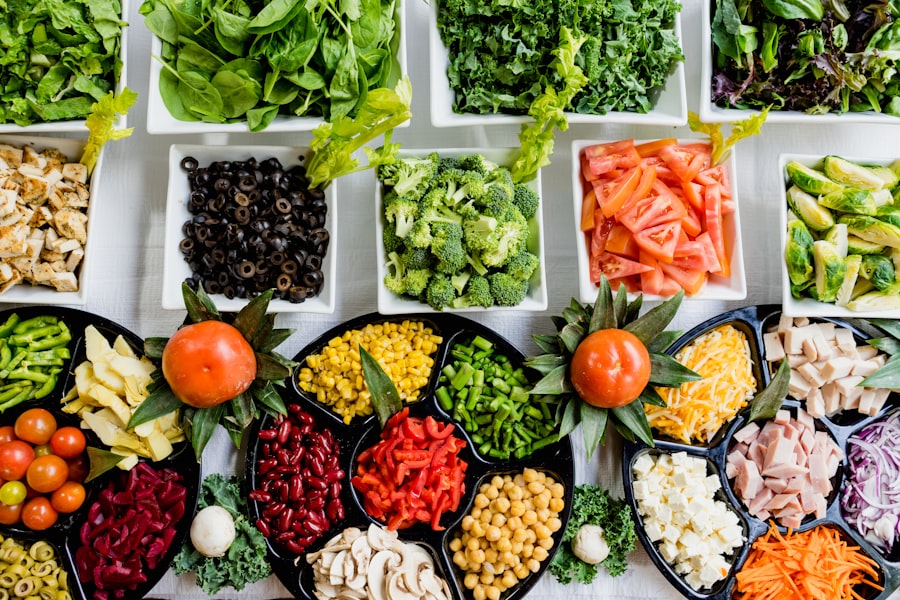
So, how do you translate all this into actual food on your plate without feeling overwhelmed? It’s about making sustainable choices rather than chasing perfection.
Focus on Whole, Unprocessed Foods
The simplest way to ensure you’re getting good nutrition is to prioritize foods that are close to their natural state. This means more fruits, vegetables, lean proteins, whole grains, and healthy fats, and less processed snacks, sugary drinks, and fast food.
The “Plate Method” Visual
A helpful visual is the “plate method.” Imagine dividing your plate:
- Half: Filled with non-starchy vegetables (broccoli, leafy greens, bell peppers, zucchini).
- One-Quarter: Filled with lean protein (chicken, fish, beans, tofu).
- One-Quarter: Filled with whole grains or starchy vegetables (quinoa, brown rice, sweet potato).
Add a small portion of healthy fats on the side.
Reading Food Labels: Your Shopping Ally
Don’t be intimidated by food labels. They provide valuable information. Look at:
- Serving Size: This is key to understanding the nutrient content.
- Calories: A general idea of energy content.
- Macronutrients: Carbohydrates (including sugar and fiber), protein, and fat (including saturated and trans fat).
- Micronutrients: Look for sodium, added sugars, and key vitamins and minerals if you have specific needs.
Mindful Eating: More Than Just What You Eat
This is about paying attention to your body’s hunger and fullness cues. It means eating slowly, savoring your food, and being present during meals.
Recognizing Body Signals
Learn to distinguish between physical hunger (a rumbling stomach, low energy) and emotional hunger (eating due to stress, boredom, or sadness).
Creating a Positive Eating Environment
Try to eat without distractions like TV or your phone. This can help you enjoy your food more and recognize when you’ve had enough.
Planning Ahead: The Key to Avoiding Impulse Decisions
- Meal Prep: Dedicate some time each week to prepare meals or components of meals. This can save you a lot of time and stress during the week.
- Smart Snacking: Have healthy snacks readily available like fruits, nuts, yogurt, or hard-boiled eggs to avoid reaching for less nutritious options when hunger strikes between meals.
In the pursuit of optimal health and wellness, understanding the connection between nutrition and the environment can be incredibly beneficial. A fascinating aspect of this relationship is how healthy soil contributes to the growth of nutrient-rich foods. For those interested in enhancing their nutritional knowledge, exploring the principles of composting can be a great starting point. You can learn more about this topic in the article on composting secrets for successful soil, which highlights the importance of soil health in producing wholesome food. Check it out here for valuable insights.
Nutrition and Your Mental Wellbeing: The Gut-Brain Connection
“`html
| Nutrient | Recommended Daily Intake | Food Sources |
|---|---|---|
| Protein | 50 grams | Chicken, fish, beans |
| Fiber | 25 grams | Whole grains, fruits, vegetables |
| Vitamin C | 90 mg | Citrus fruits, bell peppers, strawberries |
| Calcium | 1000 mg | Milk, yogurt, cheese |
“`
It’s not just your physical health that nutrition impacts; your mental and emotional wellbeing are deeply intertwined with what you eat. The concept of the gut-brain axis highlights this connection.
The Gut Microbiome: A World Within
Your gut is home to trillions of bacteria, fungi, and other microbes, collectively known as the gut microbiome. This ecosystem plays a surprising role in your overall health, including your mood, cognitive function, and even your immune system.
Feeding Your Friendly Flora
The foods you eat directly influence the composition of your gut microbiome.
Probiotics: The Beneficial Bacteria
These are live microorganisms found in fermented foods like yogurt (with live and active cultures), kefir, sauerkraut, kimchi, and kombucha. They can help replenish and diversify your gut bacteria.
Prebiotics: Fuel for the Bugs
These are types of fiber that feed the beneficial bacteria in your gut. You find them in foods like garlic, onions, leeks, asparagus, bananas, and whole grains.
Impact on Mood and Energy Levels
- Blood Sugar Stability: As mentioned earlier, stable blood sugar levels from complex carbs help prevent energy crashes and mood swings.
- Nutrient Deficiencies: Deficiencies in certain vitamins and minerals, like B vitamins or omega-3 fatty acids, have been linked to increased risk of depression and anxiety.
- Inflammation: Diets high in processed foods and sugar can promote inflammation, which is increasingly recognized as a contributor to mental health issues. Conversely, anti-inflammatory foods like those rich in omega-3s and antioxidants can be beneficial.
Building a Brain-Boosting Diet
- Prioritize Omega-3 Fatty Acids: Found in fatty fish, flaxseeds, and walnuts, these are crucial for brain structure and function.
- Load Up on Antioxidants: Berries, dark chocolate, leafy greens, and colorful vegetables protect brain cells from damage.
- Stay Hydrated: Dehydration can significantly impair cognitive function and mood.
- Limit Sugar and Processed Foods: These can lead to energy spikes and crashes, and contribute to inflammation, negatively impacting your mood.
Long-Term Health and Disease Prevention: A Proactive Approach
Perhaps the most significant benefit of good nutrition is its role in preventing chronic diseases and promoting longevity. It’s not about a magic pill, but rather a consistent, conscious effort to nourish your body.
Reducing the Risk of Chronic Illnesses
A well-balanced diet rich in whole foods has been demonstrably linked to a lower risk of:
- Heart Disease: By managing blood pressure, cholesterol, and inflammation.
- Type 2 Diabetes: Through blood sugar regulation and maintaining a healthy weight.
- Certain Cancers: Antioxidants and fiber help protect cells from damage.
- Obesity: By promoting satiety and a healthy metabolism.
- Osteoporosis: With sufficient calcium and vitamin D for bone health.
Weight Management: Beyond the Scale
Healthy nutrition isn’t solely about weight loss, but about achieving and maintaining a weight that is healthy for your body. This is often a natural byproduct of eating nutrient-dense foods. Focusing on sustainable, healthy eating habits supports consistent weight management over the long term, which in turn reduces the risk of many chronic conditions.
The Lifelong Journey
Think of nutrition as a lifelong investment in your wellbeing. Small, consistent changes can have a profound impact on how you feel today and how healthy you are in the years to come. It’s about equipping your body with the tools it needs to thrive, adapt, and resist disease.
By understanding the fundamentals of macronutrients, micronutrients, and hydration, and by adopting practical strategies for building a balanced diet, you are setting yourself up for a healthier, more vibrant life. It’s a journey, not a destination, and every healthy choice you make is a step in the right direction.
