
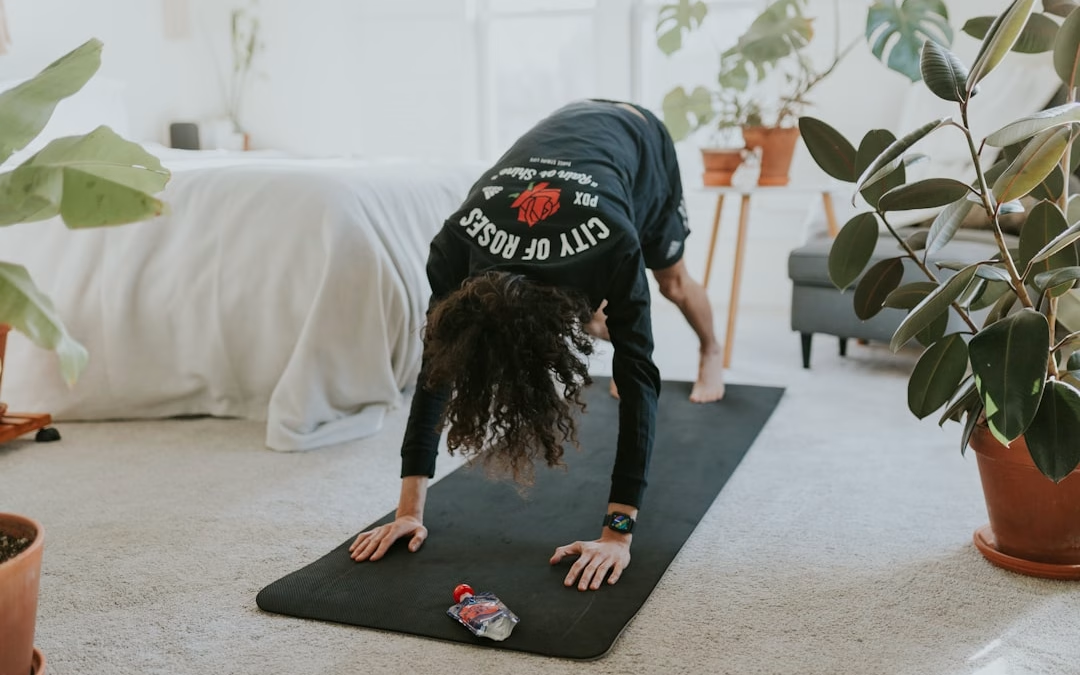
Thinking about how to genuinely improve your health and wellbeing? It’s not about a quick fix or chasing the latest fad. It’s about weaving together different aspects of your life so they support each other, creating a stronger, more resilient you. A holistic approach simply means looking at the whole picture, not just one isolated symptom or goal. It’s about recognizing that your mind, body, and spirit are all interconnected and influence each other more than you might think.
Understanding the Holistic Idea
At its core, a holistic approach to health and wellbeing views you as a complete person. It’s not just about treating a specific illness or aiming for a certain weight. Instead, it’s about fostering balance and harmony across several key areas: your physical health, your mental and emotional state, your social connections, and even your environmental surroundings. Think of it like a well-functioning ecosystem: if one part is struggling, it impacts the whole. When you nurture each element, you build a robust foundation for lasting wellness. This isn’t about perfection, but about mindful awareness and consistent, small steps that add up.
For those interested in enhancing their health and wellbeing through sustainable living, a great resource is the article on backyard homesteading. This guide provides practical tips on how to cultivate your own food, reduce your carbon footprint, and connect with nature. You can read more about it in this informative piece: Backyard Homesteading: Your Guide to a Sustainable Life.
The Physical Core: Beyond Just “Eating Right”
When most people think about health, they jump straight to diet and exercise. And while those are undeniably crucial, a holistic view expands on them significantly. It’s about building a sustainable lifestyle that nourishes your body from the inside out, not just for short-term gains.
Nourishing Your Body: What Really Counts
Food is fuel, but it’s also so much more. It’s information for your cells, it impacts your mood, and it affects your long-term health in profound ways.
The Plate Balance: More Than Just Macronutrients
Forget restrictive diets. Focus on creating balanced meals that include a variety of whole, unprocessed foods. This means making sure you have a good mix of:
- Complex Carbohydrates: These are your energy staples. Think whole grains like oats, quinoa, brown rice, and starchy vegetables like sweet potatoes and squash. They provide fiber, which is great for digestion and helps you feel fuller for longer.
- Lean Proteins: Essential for building and repairing tissues, and also important for satiety. Good sources include fish, poultry, beans, lentils, tofu, and lean cuts of red meat.
- Healthy Fats: Crucial for hormone production, brain health, and absorbing certain vitamins. Avocados, nuts, seeds, olive oil, and fatty fish (like salmon) are your friends here.
- Plenty of Fruits and Vegetables: These are packed with vitamins, minerals, antioxidants, and fiber. Aim for a rainbow of colors to ensure you’re getting a wide spectrum of nutrients.
Hydration: The Unsung Hero
Water is fundamental to virtually every bodily process. It helps transport nutrients, removes waste, regulates body temperature, and keeps your skin healthy. Don’t underestimate its importance. Carry a water bottle with you, sip throughout the day, and notice how much better you feel when you’re properly hydrated. Herbal teas also count!
Mindful Eating: Connecting with Your Food
This is where the mental aspect of nutrition comes in. Mindful eating means paying attention to your food – its taste, texture, and smell – and to your body’s hunger and fullness cues. This isn’t about being perfect, but about slowing down, savoring your meals, and avoiding distractions like screens. It can help you develop a healthier relationship with food and prevent overeating driven by external factors.
Movement: Finding Your Flow
Exercise is a cornerstone, but the “best” exercise is the one you’ll actually do consistently. It’s about integrating movement into your life in a way that brings you joy and benefits your physical and mental health.
Cardiovascular Health: Getting Your Heart Pumping
Regular aerobic activity strengthens your heart and lungs, improves circulation, and helps manage weight. This can be anything from brisk walking, jogging, cycling, swimming, dancing, or even vigorous gardening. Aim for at least 150 minutes of moderate-intensity cardio per week.
Strength Training: Building Resilience
Building muscle mass isn’t just for athletes. It helps with metabolism, bone density, posture, and can prevent injuries as you age. You don’t need a gym. Bodyweight exercises like squats, push-ups (modified if needed), lunges, and planks are incredibly effective. Incorporate weights (even household items) or resistance bands if you want to level up.
Flexibility and Mobility: Staying Nimble
Stretching, yoga, or Pilates can improve your range of motion, reduce stiffness, and prevent injuries. This is especially important for counteracting the effects of prolonged sitting. Think about how your body feels moving through its full range of motion.
The Joy of Movement: Making it Sustainable
The key is to find activities you genuinely enjoy. If you hate running, don’t force it. Experiment with different types of movement until you find something that makes you feel good, both physically and mentally. Consistency trumps intensity for long-term wellbeing.
The Mental and Emotional Landscape: Nurturing Your Inner World
Your thoughts and feelings are just as vital to your health as your physical condition. Neglecting your mental and emotional wellbeing can manifest in physical symptoms, and vice versa.
Stress Management: Taming the Chaos
Chronic stress is a silent thief of wellbeing. It can contribute to a host of health problems, from digestive issues to heart disease and a weakened immune system. Learning to manage stress is non-negotiable.
Identifying Your Stressors: Know Your Triggers
The first step is to become aware of what’s actually stressing you out. Is it work deadlines, relationship conflicts, financial worries, or something else? Once you know your triggers, you can start to develop strategies to deal with them.
Practical De-Stressors: Tools for Calm
- Deep Breathing Exercises: Simple yet powerful. When you feel overwhelmed, take a few slow, deep breaths, focusing on the sensation of air filling your lungs and then releasing.
- Mindfulness and Meditation: Even just a few minutes a day can make a difference. Apps like Calm or Headspace can guide you. It’s about being present without judgment.
- Journaling: Writing down your thoughts and feelings can be incredibly cathartic and help you gain perspective.
- Spending Time in Nature: Studies consistently show that nature has a calming effect. A walk in the park can do wonders.
- Setting Boundaries: Learning to say no to commitments that overextend you is a powerful form of self-care.
Emotional Regulation: Understanding Your Feelings
It’s not about suppressing emotions, but about learning to understand them and respond to them in healthy ways.
Recognizing Your Emotions: Be Your Own Detective
What are you actually feeling? Sometimes we label everything as “stressed” or “sad” when there’s a more nuanced emotion at play. Are you feeling anxious, frustrated, disappointed, or overwhelmed? Giving your emotions a name can be the first step to managing them.
Healthy Expression: Letting It Out, Safely
Find healthy outlets for your emotions. This could be talking to a trusted friend or therapist, engaging in creative pursuits like painting or music, or physical activity. The goal is to process, not to bottle up.
Cultivating Positivity (Without Being Fake)
This isn’t about forcing a smile or pretending everything is perfect. It’s about actively looking for the good, practicing gratitude, and fostering a sense of optimism.
Gratitude Practices: Shifting Your Focus
Every day, take a moment to think of 3-5 things you’re grateful for. They don’t have to be grand gestures. It could be a good cup of coffee, a warm conversation, or a beautiful sunset. This simple practice can reframe your perspective.
Self-Compassion: Being Kind to Yourself
We’re often our own harshest critics. Treat yourself with the same kindness and understanding you would offer a friend. Acknowledge that everyone makes mistakes and experiences challenges.
The Social Connection: The Power of Belonging
Humans are fundamentally social creatures. Our relationships have a massive impact on our wellbeing, from stress levels to longevity.
Building and Nurturing Relationships
Investing time and energy into your relationships is a form of self-care. Strong social ties provide support, reduce feelings of isolation, and boost happiness.
Quality Over Quantity: Deeper Bonds Matter
It’s not about having hundreds of acquaintances, but about cultivating a few deep, meaningful connections. Focus on people who lift you up, support your growth, and with whom you can be your authentic self.
Active Listening: Truly Hearing Others
When you engage with others, really listen. Put away your phone, make eye contact, and try to understand their perspective. This builds trust and strengthens bonds.
Setting Social Boundaries: Protecting Your Energy
Just as with other areas of life, it’s important to have healthy boundaries in your social interactions. This might mean limiting contact with toxic people, declining invitations when you’re feeling drained, or setting expectations about how you want to be treated.
Finding Your Community: Shared Interests and Support
Connecting with people who share your interests or values can provide a sense of belonging and purpose.
Joining Groups and Clubs: Shared Passions
Whether it’s a book club, a hiking group, a volunteer organization, or a sports team, these communities offer a chance to connect with like-minded individuals.
Online Communities: Digital Support Systems
While in-person connections are vital, well-moderated online communities can also offer valuable support and connection, especially for those with niche interests or who face mobility challenges.
Incorporating sustainable practices into our daily lives can significantly enhance our overall health and wellbeing. One interesting approach is composting, which not only reduces waste but also enriches the soil, promoting healthier plants and, ultimately, a better diet. For those looking to get started, a great resource is this beginner’s guide to composting, which offers valuable tips and secrets for creating successful soil. Embracing such eco-friendly habits can lead to a more balanced lifestyle and improved mental health.
The Environmental Influence: Your Surroundings Shape You
We often overlook the impact our physical environment has on our wellbeing. From the air we breathe to the clutter in our homes, our surroundings play a significant role.
Creating a Harmonious Living Space
Your home should be a sanctuary, a place where you can relax and recharge.
Decluttering and Organizing: Clearing the Physical and Mental Space
Physical clutter can translate to mental clutter. Taking the time to declutter and organize your living space can reduce stress and create a sense of calm. It’s not about perfection, but about creating a functional and pleasing environment.
Bringing Nature Indoors: Greenery and Natural Light
Plants can improve air quality and have a calming effect. Maximizing natural light can boost mood and energy levels. Open curtains, use lighter paint colors, and let the sunshine in.
Creating Zones for Different Activities: Work, Rest, and Play
Designate specific areas for different activities. A dedicated workspace can help you switch off from work. A comfortable relaxation corner can encourage downtime.
The Broader Environment: Air, Water, and Sound
Consider the quality of your immediate surroundings beyond your home.
Air Quality: Breathing Easy
If possible, open windows regularly to circulate fresh air. Consider an air purifier if you live in a highly polluted area. Be mindful of harsh chemical cleaners and opt for natural alternatives.
Water Quality: Staying Hydrated Safely
Ensure the water you drink is clean and safe. Investing in a good water filter can be beneficial.
Noise Pollution: Finding Your Quiet
Excessive noise can be a significant stressor. Invest in earplugs or noise-canceling headphones if you live in a noisy environment. Create quiet zones in your home where you can escape the din.
The Spiritual Dimension: Finding Meaning and Purpose
This aspect is often misunderstood and doesn’t necessarily involve religious beliefs. It’s about your connection to something larger than yourself and finding meaning in life.
Exploring Your Values and Beliefs
Understanding what’s truly important to you provides a compass for your life.
Identifying Your Core Values: What Guides You?
What principles do you live by? Is it honesty, compassion, creativity, or something else? When your actions align with your values, you experience a greater sense of integrity and purpose.
Reflecting on Your Purpose: What Drives You?
What kind of impact do you want to have? What brings you a sense of fulfillment? This isn’t always about a grand life mission; it can be about finding joy and meaning in everyday activities and contributions.
Practices for Cultivating Inner Peace
This is about connecting with your inner self and finding moments of stillness and reflection.
Meditation and Contemplation: Quieting the Mind
As mentioned earlier, meditation is a powerful tool for cultivating inner peace. It allows you to step back from the constant chatter of the mind and connect with a deeper sense of self.
Spending Time in Solitude: Recharging Your Batteries
Allow yourself to be alone with your thoughts. This isn’t about loneliness, but about intentional solitude for reflection and self-discovery.
Engaging in Activities That Inspire You: Creativity and Passion
Pursuing hobbies or activities that ignite your passion and creativity can be deeply fulfilling. Whether it’s painting, writing, playing music, or gardening, these pursuits connect you to your inner spirit.
Connecting with Nature: A Deeper Reverence
For many, spending time in nature fosters a sense of awe and connection to the natural world, which can be a profound spiritual experience. Looking up at the stars, listening to the ocean, or walking through a forest can evoke a sense of wonder and belonging.
Putting It All Together: Your Personalized Path
The beauty of a holistic approach is that it’s not one-size-fits-all. It’s about understanding these different dimensions and then tailoring them to your unique life, needs, and preferences.
Self-Awareness is Key: Listen to Your Body, Mind, and Spirit
The most crucial tool you have is your own awareness. Pay attention to how you feel. Is your body signaling fatigue? Is your mind racing? Are you feeling disconnected? Your body, mind, and spirit are constantly communicating with you. Learning to listen is the first step in making informed choices.
Small, Consistent Steps: Build Momentum
You don’t need to overhaul your entire life overnight. Start small. Pick one area to focus on for a week or two. Maybe it’s drinking more water, adding a short walk to your day, or practicing gratitude before bed. Small, consistent changes build momentum and lead to significant long-term improvements.
Patience and Self-Compassion: It’s a Journey, Not a Race
There will be days when you slip up, when motivation wanes, or when challenges arise. That’s perfectly normal. Instead of getting discouraged, practice self-compassion. Acknowledge the setback, learn from it, and gently steer yourself back onto your path. This is a lifelong journey of learning and growth.
Seek Professional Guidance When Needed
Don’t hesitate to seek help from qualified professionals. A doctor can address physical concerns, a therapist can support your mental and emotional wellbeing, and a nutritionist can help you refine your eating habits. They are valuable resources to help you navigate your holistic health journey.
Ultimately, improving your health and wellbeing holistically is about creating a life where all the different parts of you are supported and flourishing. It’s a deeply personal and rewarding endeavor that leads to a more vibrant, resilient, and fulfilling existence.
