

Life can get pretty intense, right? Between work, family, social stuff, and just the general day-to-day demands, it’s easy to feel like you’re constantly juggling. And when you’re juggling, what often gets dropped first? For a lot of us, it’s taking care of ourselves. The good news is, prioritizing your mental wellbeing isn’t some fancy, unattainable goal. It’s about practical steps you can weave into your life to feel more grounded and resilient. This guide is here to give you some straightforward ideas on how to do just that.
Let’s be honest, the term “self-care” can sometimes conjure up images of expensive spa days or elaborate retreats. While those things are nice, they’re not what we’re talking about here. Real self-care is much more down-to-earth. It’s about actively taking steps to protect your physical, mental, and emotional health. It’s not selfish; it’s essential. Think of it like maintaining your car. You wouldn’t just ignore a strange noise or a warning light, would you? You’d get it checked out to prevent a bigger problem down the road. Your mental wellbeing deserves the same kind of attention and preventative care.
It’s Not Just About Pampering
Sure, a long bath or a good book can be wonderful. But self-care goes beyond passive relaxation. It’s also about making conscious choices that support your overall health, even when those choices aren’t immediately “fun.” This might mean saying “no” to extra commitments, setting boundaries, or even just ensuring you get enough sleep. These might not feel as glamorous as a facial, but they have a far more profound and lasting impact on how you feel day-to-day.
The Connection Between Mind and Body
It’s impossible to separate our mental and physical states. When you’re stressed, your body reacts. You might get headaches, stomach issues, or feel constantly drained. Conversely, when you’re physically active or eating well, your mood often lifts, and you feel more capable of handling challenges. Self-care strategies often address both sides of this coin, recognizing that tending to one naturally benefits the other.
Recognizing Your Needs
A big part of self-care is learning to listen to yourself. What does your body and mind need right now? Are you feeling overwhelmed and need quiet time? Are you bored and need some mental stimulation? Are you physically tired and need rest? Once you can identify your needs, you can then choose the most appropriate self-care action. This takes practice and self-awareness, but it’s a skill that will serve you incredibly well.
For those interested in enhancing their mental wellbeing through engaging activities, exploring the therapeutic benefits of gardening can be incredibly rewarding. A related article that delves into this topic is available at Grow Your Dream Garden with These Organic Gardening Techniques. This resource offers valuable insights on how cultivating a garden can serve as a form of mindfulness and stress relief, ultimately contributing to improved mental health.
Practical Ways to Boost Your Mood
Feeling a bit low? It happens to everyone. Fortunately, there are everyday things you can do to give your mood a helpful nudge in the right direction. These aren’t magic cures, but they are known to make a difference.
Getting Moving
Physical activity is a powerful mood booster. You don’t need to run a marathon or join a grueling gym class. Even a brisk 20-minute walk can release endorphins, which are natural mood elevators.
Walking or Jogging
Just stepping outside and moving your legs can be incredibly effective. Explore your neighborhood, a local park, or even just walk laps around your house if the weather is bad. Focus on how the fresh air feels and the rhythm of your steps.
Dancing
Put on some music that makes you feel good and just dance! Whether it’s a full-on living room disco or a gentle sway, moving your body to music is a fantastic stress reliever and mood lifter.
Gentle Stretching or Yoga
These practices can not only relieve physical tension but also calm your mind. Look for beginner-friendly routines online; there are so many options available for all levels.
Connecting with Nature
There’s something inherently grounding about being outdoors. Even a short amount of time in nature can reduce stress, improve focus, and boost your overall sense of wellbeing.
Spending Time in Green Spaces
Visit a park, a forest, or even just a garden. Sit on a bench, observe the plants and wildlife, and breathe deeply. Let the natural world help you relax.
Mindful Observation
When you’re outside, try to engage your senses. What do you see, hear, smell, and feel? This mindful engagement can help pull you out of your head and into the present moment.
Gardening or Caring for Plants
If you have space, gardening can be incredibly rewarding. Even tending to a few indoor plants can provide a sense of purpose and a connection to living things.
Engaging Your Senses
Our senses are powerful tools for tapping into the present moment and shifting our mental state. Intentionally engaging them can be a simple yet effective form of self-care.
Listening to Music or Podcasts
Create playlists that evoke different moods. Uplifting music for energy, calming tunes for relaxation, or engaging podcasts that broaden your perspective.
Enjoying Aromatherapy
Certain scents can have a significant impact on mood. Essential oils like lavender for calm, citrus for energy, or peppermint for focus can be used in diffusers, baths, or even on a tissue.
Savoring Food and Drink
Instead of rushing through meals, try to really taste and enjoy your food. Mindfully sipping a warm cup of tea or coffee can also be a moment of peaceful indulgence. The key is to focus on the experience, not just the consumption.
Building Healthy Habits for Long-Term Wellbeing

Self-care isn’t a one-off event; it’s about building consistent practices that support you over time. This means looking at the smaller, everyday things that can make a big difference.
Prioritizing Sleep
This is non-negotiable. A lack of sleep impacts everything: your mood, your focus, your ability to handle stress, and even your physical health. Aim for 7-9 hours of quality sleep per night.
Establishing a Sleep Routine
Try to go to bed and wake up around the same time each day, even on weekends. This helps regulate your body’s natural sleep-wake cycle.
Creating a Relaxing Bedtime Ritual
Wind down before bed by ditching screens, taking a warm bath, reading a book, or listening to calming music. Make your bedroom a sanctuary for sleep.
Optimizing Your Sleep Environment
Ensure your bedroom is dark, quiet, and cool. Invest in comfortable bedding if possible.
Nourishing Your Body
What you eat has a direct impact on your energy levels and mood. Focus on balanced meals and snacks that provide sustained energy.
Eating Whole Foods
Prioritize fruits, vegetables, lean proteins, and whole grains. These provide essential nutrients that support brain function and overall wellbeing.
Staying Hydrated
Dehydration can lead to fatigue, headaches, and difficulty concentrating. Keep a water bottle with you and sip throughout the day.
Mindful Eating
Pay attention to your hunger and fullness cues. Eat slowly and savor your food, noticing how different foods make you feel. Avoid eating while distracted by screens.
Limiting Processed Foods and Sugar
While an occasional treat is fine, a diet high in processed foods and sugar can lead to energy crashes and mood swings.
Setting Boundaries
This is a crucial, often overlooked, aspect of self-care. Boundaries protect your time, energy, and emotional resources.
Learning to Say “No”
It’s okay to decline requests that will overextend you. Your mental energy is a finite resource, and protecting it is vital.
Communicating Your Needs
Clearly and respectfully communicate your limits to others. This might be about your availability, your workload, or your need for personal space.
Protecting Your Time
Schedule in time for yourself, just as you would schedule an important appointment. This “me time” is for recharging and engaging in activities you enjoy.
Digital Boundaries
In our always-on world, setting boundaries around technology is essential. This might mean designated times for checking emails or social media, or taking screen breaks.
Developing Coping Mechanisms for Stress
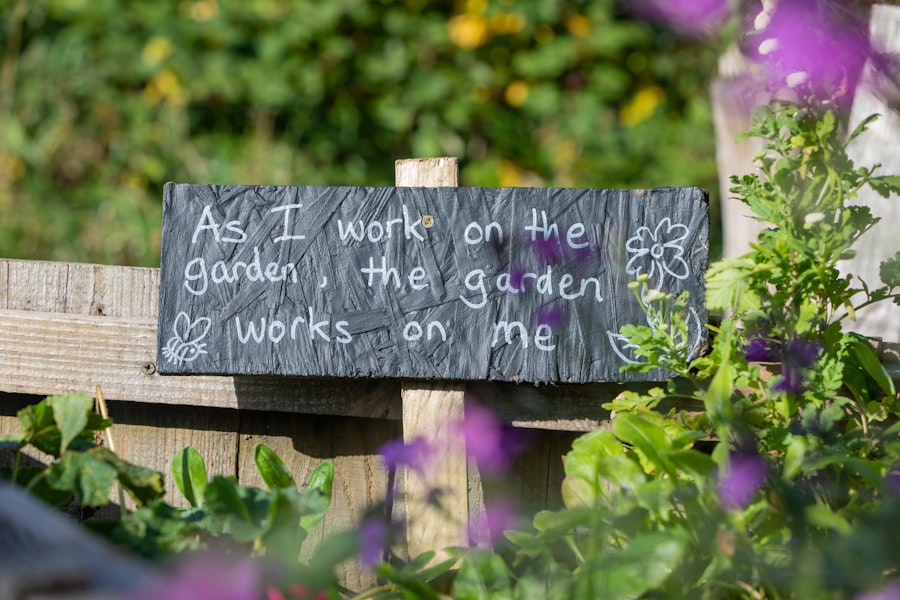
Stress is an inevitable part of life, but how we manage it makes all the difference. Developing healthy coping mechanisms can help you navigate challenging times without becoming overwhelmed.
Mindfulness and Meditation
These practices train your mind to focus on the present moment, which can significantly reduce anxiety and stress.
Simple Breathing Exercises
Even taking a few deep, conscious breaths can calm your nervous system. Inhale deeply through your nose, hold for a moment, and exhale slowly through your mouth.
Guided Meditations
There are many free apps and online resources offering guided meditations for various purposes, from stress reduction to improving focus.
Body Scan Meditations
This involves bringing awareness to different parts of your body, noticing sensations without judgment. It can help release physical tension you may not even realize you’re holding.
Journaling
Writing down your thoughts and feelings can be a powerful way to process emotions, gain clarity, and reduce stress.
Free-Writing
Simply write whatever comes to mind without censoring yourself. Focus on getting your thoughts out of your head and onto paper.
Gratitude Journaling
Each day, write down a few things you are grateful for. This shifts your focus towards the positive aspects of your life.
Problem-Solving Journaling
If you’re struggling with a specific issue, write it out. Brainstorm potential solutions and weigh the pros and cons.
Creative Outlets
Engaging in creative activities can be a fantastic release and a way to express yourself.
Art and Crafts
Painting, drawing, knitting, sculpting – choose something that appeals to you. The process is often more important than the outcome.
Writing Stories or Poetry
If you enjoy writing, explore fictional narratives or poetic expression as a way to process emotions and explore your imagination.
Playing a Musical Instrument
Learning or playing an instrument can be a rewarding and mentally stimulating activity that also offers an emotional outlet.
Engaging in DIY projects can significantly enhance mental wellbeing by providing a sense of accomplishment and creativity. For those interested in exploring how such activities can positively impact mental health, you might find this article on holistic approaches to wellness particularly insightful. It discusses various methods to nurture your mind and spirit, which can complement the hands-on experience of homesteading. You can read more about it here.
Seeking Support When You Need It
| Category | Metric | Value |
|---|---|---|
| Stress | Perceived Stress Scale | 20 |
| Anxiety | Generalized Anxiety Disorder 7-item Scale | 15 |
| Depression | Beck Depression Inventory | 25 |
| Wellbeing | Subjective Well-Being Scale | 70 |
Remember, you don’t have to navigate life’s challenges alone. Reaching out for support is a sign of strength, not weakness.
Talking to Trusted Friends and Family
Often, simply talking through your worries with someone you trust can provide immense relief. They may offer a different perspective or simply be a listening ear.
Active Listening
When talking to a friend, practice active listening. This means paying attention, asking clarifying questions, and showing empathy.
Sharing Your Vulnerabilities
Allowing yourself to be vulnerable with loved ones can deepen connection and lead to more meaningful support.
Professional Help
If you’re consistently struggling, don’t hesitate to seek professional guidance. Therapists and counselors are trained to help you develop strategies and tools for managing your mental health.
Therapy and Counseling
These professionals can provide a safe and confidential space for you to explore your thoughts and feelings. They can offer evidence-based techniques to help you cope with stress, anxiety, depression, and other mental health concerns.
Identifying When to Seek Help
If you find that your feelings are persistent, significantly impacting your daily life, or if you’re having thoughts of harming yourself, it’s crucial to seek professional help immediately.
Different Types of Therapy
There are various therapeutic approaches, such as Cognitive Behavioral Therapy (CBT), Dialectical Behavior Therapy (DBT), and mindfulness-based therapies, all designed to address different needs. Your therapist can help you find the right fit.
Support Groups
Connecting with others who share similar experiences can be incredibly empowering. Support groups offer a sense of community and shared understanding.
Finding the Right Group
Look for groups that align with your specific challenges, whether it’s for anxiety, depression, grief, or other areas.
The Benefits of Peer Support
Sharing experiences with people who truly understand can reduce feelings of isolation and provide practical advice and encouragement.
Prioritizing your mental wellbeing is an ongoing journey, not a destination. By integrating these practical self-care strategies into your daily life, you’ll build a stronger foundation for resilience, happiness, and a more fulfilling life. Be patient with yourself, celebrate small victories, and remember that taking care of yourself is one of the most important things you can do.
