
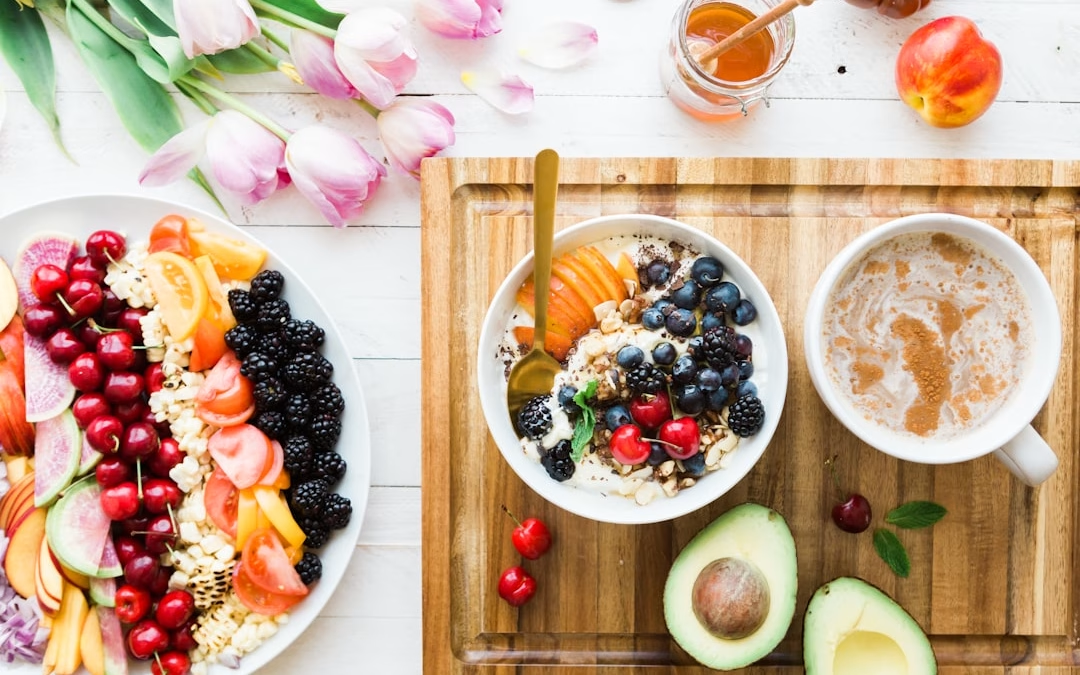
Looking to boost your health and wellness conveniently? Finding what you need “near me” is often simpler than you think, and usually involves a mix of physical locations and online resources tailored to your local area. You don’t have to overhaul your entire lifestyle overnight; small, consistent steps can make a big difference, especially when you leverage what’s accessible right where you are.
Understanding what’s available locally is the first step. This isn’t just about finding a gym, but about a broader spectrum of services and opportunities that support your well-being. Think about what aspects of health you want to focus on – physical, mental, or a blend of both.
Community Centers and Parks
These are often overlooked but fantastic starting points. Many community centers offer affordable classes, from yoga and Zumba to swimming and martial arts. Parks aren’t just for a walk; look for organized walking groups, outdoor fitness equipment, or even boot camps that utilize natural spaces. They often have bulletin boards or websites where local groups post events.
Local Healthcare Providers
Beyond your general practitioner, consider specialists who can help with specific health goals. This might include nutritionists, physical therapists, or even mental health professionals who specialize in holistic approaches.
- Nutritionists and Dietitians: If you’re looking to improve your diet, manage a health condition through food, or simply understand healthy eating better, a local nutritionist can provide personalized guidance.
- Physical Therapists: For injury recovery, chronic pain management, or improving mobility, a PT can be invaluable.
- Mental Health Professionals: Therapists, counselors, and psychologists offer support for stress, anxiety, depression, and overall mental well-being. Look for those specializing in areas like cognitive behavioral therapy (CBT) or mindfulness.
Knowing what’s available means you can make informed choices about your health journey, rather than just guessing.
If you’re interested in enhancing your health and wellness while also focusing on sustainable living, you might find this article on renewable energy solutions particularly insightful. It discusses how homesteaders can power their homes using eco-friendly energy sources, which not only benefits the environment but also promotes a healthier lifestyle. To learn more about this topic, check out the article here: Renewable Energy Solutions for Homesteaders.
Physical Fitness Options
Getting active is a cornerstone of good health, and there are usually plenty of ways to do it locally, no matter your fitness level or preference.
Gyms and Fitness Studios
While a gym membership might seem obvious, there’s a wide variety. From large chains with a vast array of equipment and classes to smaller, specialized studios, your choice depends on what motivates you.
- Large Chain Gyms: These often boast a wide range of cardio and strength equipment, swimming pools, and a busy class schedule (spin, aerobics, body pump, etc.). They can be good for general fitness and offer flexibility in terms of hours.
- Boutique Studios: If you prefer a more focused approach, look for studios specializing in areas like Pilates, yoga, barre, or high-intensity interval training (HIIT). These often offer smaller class sizes and more personalized instruction, fostering a stronger sense of community.
- CrossFit Boxes: For those seeking a challenging, community-driven workout, CrossFit gyms offer varied functional movements performed at high intensity.
- Martial Arts Dojos: Beyond self-defense, martial arts like karate, taekwondo, or Brazilian Jiu-Jitsu offer incredible physical and mental discipline, improving strength, flexibility, and focus.
Outdoor and Less Conventional Fitness
Not everyone enjoys a traditional gym setting. Fortunately, many areas offer excellent outdoor options.
- Hiking and Biking Trails: Explore local parks or nature preserves. Websites like AllTrails or local government park departments can help you find routes suitable for different fitness levels.
- Sports Leagues: Adult recreational leagues for soccer, basketball, volleyball, or softball are a fantastic way to combine exercise with social interaction. Check local community centers or online platforms like Meetup for teams.
- Outdoor Fitness Classes: Look for boot camps or yoga classes held in parks, especially during warmer months. These can be a refreshing change of scenery.
Remember to consider what you genuinely enjoy doing. Consistency is more important than intensity, and you’re more likely to stick with something you find fun.
Mental and Emotional Support
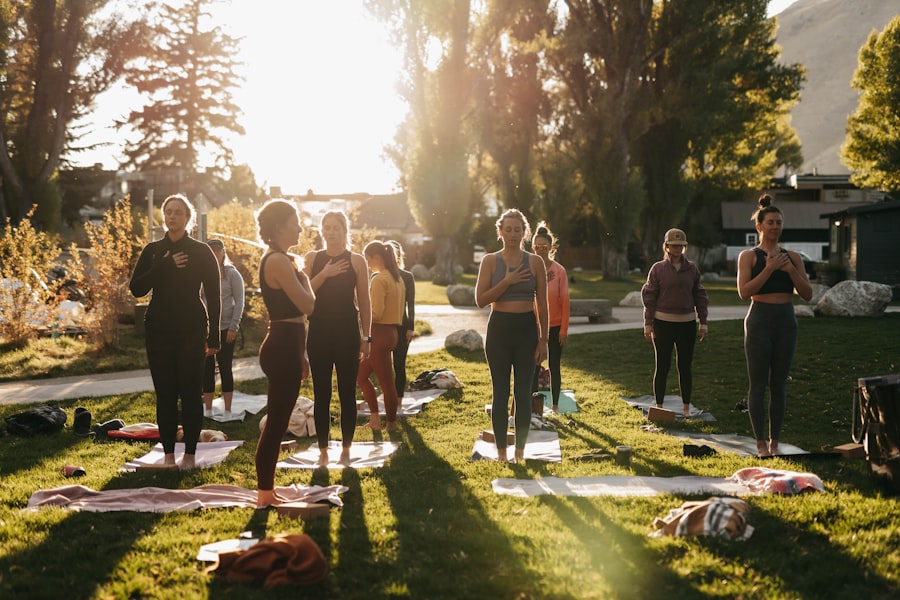
Health isn’t just physical. Your mental and emotional well-being are just as crucial, and local resources often exist to support them.
Therapy and Counseling Services
Finding the right mental health professional can be a significant step. Look for licensed therapists, counselors, or psychologists in your area.
- Individual Therapy: For personal challenges, stress, anxiety, depression, or specific mental health conditions.
- Group Therapy: Offers a supportive environment to share experiences and learn coping strategies from others facing similar issues.
- Couples and Family Counseling: To address relational dynamics and improve communication.
Utilize online directories like Psychology Today or Zocdoc to search for professionals by specialty, insurance acceptance, and location. Don’t be afraid to schedule initial consultations to find a good fit.
Mindfulness and Stress Reduction
Beyond formal therapy, there are many ways to cultivate mental calm and reduce stress right in your neighborhood.
- Yoga and Meditation Centers: These often offer classes for beginners to advanced practitioners, focusing on breathwork, mindfulness, and gentle movement. Many provide introductory packages.
- Community Workshops: Keep an eye out for workshops on stress management, mindfulness techniques, or even creative outlets like art therapy or journaling. These are often advertised at community centers, libraries, or local health food stores.
- Support Groups: For specific challenges like grief, addiction, or chronic illness, support groups provide a safe space for sharing and connection. These are often listed through local hospitals, churches, or mental health organizations.
Prioritizing your mental health is an act of self-care, and understanding the local support network can make it feel much less daunting.
Holistic Health Practices
Sometimes, a more integrated approach to health, considering the whole person – mind, body, and spirit – is what’s needed. Many communities offer practitioners specializing in these areas.
Complementary and Alternative Medicine (CAM)
These practices work alongside conventional medicine to promote well-being. It’s always a good idea to discuss any CAM treatments with your primary care physician.
- Acupuncture: An ancient Chinese medicine technique involving very thin needles placed at specific points on the body to alleviate pain and treat various conditions.
- Chiropractic Care: Focuses on the diagnosis, treatment, and prevention of musculoskeletal disorders, particularly those affecting the spine. It can help with back pain, neck pain, headaches, and overall mobility.
- Massage Therapy: Beyond relaxation, various forms of massage (deep tissue, Swedish, therapeutic) can help with muscle tension, pain relief, improved circulation, and stress reduction.
- Naturopathic Doctors (NDs): NDs are licensed healthcare professionals who combine scientific knowledge with traditional and natural forms of medicine. They focus on identifying the root cause of illness and promoting self-healing through nutrition, lifestyle changes, botanical medicine, and more.
Wellness Retreats and Workshops
While perhaps not “near me” in the everyday sense, some local or regional centers offer day or weekend retreats focused on specific wellness themes.
- Yoga and Meditation Retreats: Immersive experiences to deepen practice, often including healthy meals and workshops.
- Nutrition and Cooking Workshops: Hands-on classes to learn about healthy eating, meal prep, or specific dietary approaches.
- Mind-Body Workshops: Focus on techniques like journaling, vision boarding, or movement to integrate mind and body connection.
These can be a great way to disconnect from daily stressors and dedicate time to self-improvement in a focused environment.
If you’re interested in enhancing your health and wellness through sustainable practices, you might find this article on regenerative agriculture methods particularly insightful. It explores how these innovative techniques can not only improve soil health but also contribute to overall well-being. To learn more about these powerful methods and their benefits, check out the article here.
Online and Digital Resources (Local Focus)
| Category | Metrics |
|---|---|
| Gyms | Number of gyms within 5 miles |
| Yoga Studios | Number of yoga studios within 3 miles |
| Health Food Stores | Number of health food stores within 2 miles |
| Pharmacies | Number of pharmacies within 1 mile |
In today’s connected world, “near me” isn’t just geographical; it also encompasses digital resources that are relevant to your local area.
Local Social Media Groups and Forums
Joining community-specific groups on platforms like Facebook or Nextdoor can unlock a wealth of information about local wellness happenings.
- Fitness Groups: People often organize walking clubs, running partners, or share information about local fitness challenges.
- Healthy Eating Groups: Find recommendations for local farmers’ markets, healthy restaurants, or community-supported agriculture (CSA) programs.
- Mental Wellness Discussions: While caution is advised for sensitive topics, these groups can sometimes point you towards local support services or events.
These groups are a dynamic way to get real-time recommendations and connect with like-minded individuals in your vicinity.
Localized Websites and Apps
Many cities and towns have dedicated websites or apps that list community events, health services, and local businesses.
- City/County Government Websites: Often have sections on parks and recreation, health departments, and public health initiatives.
- Local News Outlets: Check their online event calendars or lifestyle sections for articles on local wellness providers or events.
- Event Listing Platforms (e.g., Eventbrite, Meetup): Filter by your location and “health,” “wellness,” “fitness,” or “yoga” to find upcoming classes, workshops, or gatherings.
- Health and Wellness Directories with Local Filters: Websites like Yelp, Google Maps, or specialized health directories allow you to search for services and practitioners in your immediate area, often with reviews from other users.
Don’t underestimate the power of a quick Google search with “wellness [your town/city]” or “health services [your neighborhood]” – you might be surprised by what pops up.
Making Your Wellness Plan Stick
Finding resources is one thing; consistently engaging with them is another. Here are a few practical tips to help you integrate these local findings into your routine.
Start Small and Be Patient
You don’t need to sign up for every class or visit every practitioner at once. Pick one or two areas you want to focus on and explore those options first. Building new habits takes time and consistency. Don’t get discouraged if you don’t see immediate results; wellness is a journey, not a destination.
Set Realistic Goals
Instead of aiming to “get totally fit,” try something like “walk for 30 minutes three times a week” or “try one meditation class.” Specific, measurable, achievable, relevant, and time-bound (SMART) goals are much easier to stick to.
Track Your Progress
Whether through a journal, a fitness tracker, or a simple calendar, seeing how far you’ve come can be incredibly motivating. This also helps you identify what’s working and what might need adjusting.
Find a Buddy or Community
Working out with a friend, joining a local sports team, or becoming part of a studio’s community can significantly boost your motivation and accountability. Having others on a similar journey can make it more enjoyable and sustainable.
Listen to Your Body
Pay attention to what feels good and what doesn’t. If a particular exercise is causing pain, or a certain diet isn’t agreeing with you, don’t be afraid to adjust your approach or seek professional advice. Your wellness journey is unique to you.
Remember, true health and wellness are about finding practices and resources that fit your life, support your needs, and bring you a sense of balance and well-being. Your local community likely has a surprising amount to offer; take the time to explore and discover what works for you.
