
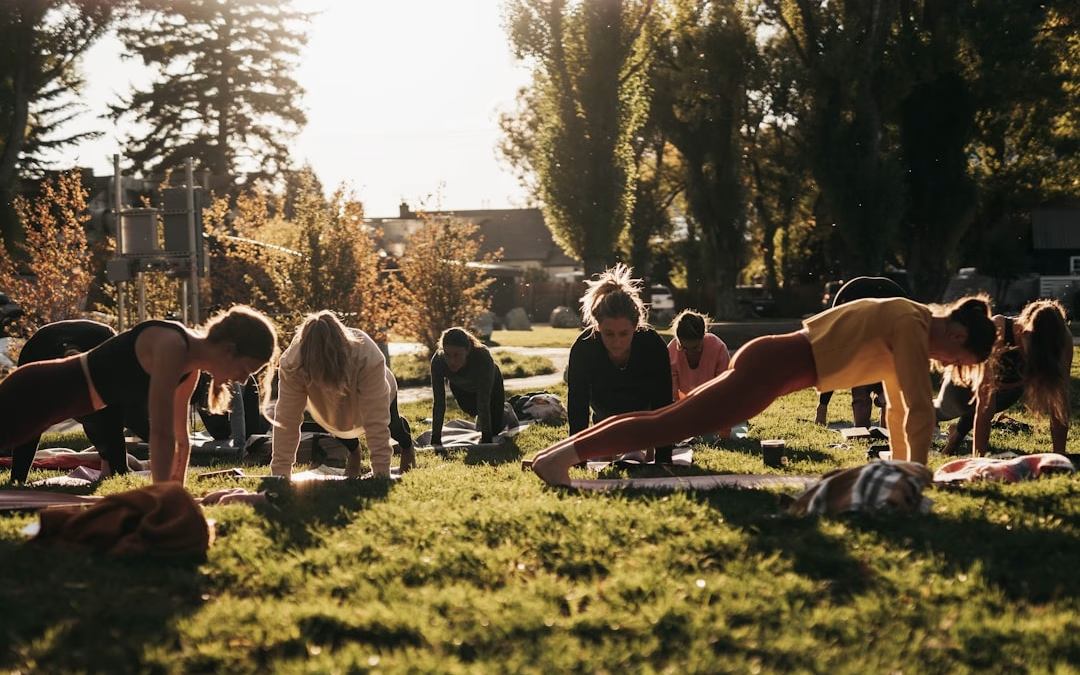
So, you’re wondering what the big secret is to health and wellness, right? It’s probably not as complicated as you might think. The “key” isn’t a single magic pill or a fad diet; it’s more about building a bunch of consistent, good habits that work together. Think of it like tending a garden – you need to water it, give it sunlight, and keep the weeds out. It’s about finding what works for you and sticking with it, even when it’s not always easy. This article will break down some of the most important areas to focus on.
Before we dive into the “how,” let’s nail down the “what.” Health and wellness isn’t just about not being sick. It’s a much broader concept that covers your physical, mental, and emotional state. It’s about feeling good, having energy, and being able to handle life’s ups and downs.
Physical Health: More Than Just the Absence of Disease
This is what most people think of first. It’s about your body functioning well. That means having a strong immune system, good cardiovascular health, and the ability to move without pain.
Nutrition: Fueling Your Body Properly
- What You Eat Matters, But How You Eat Matters Too: It’s not just about counting calories. It’s about getting the right nutrients your body needs to thrive. Think colorful fruits and vegetables, lean proteins, and healthy fats.
- Hydration is Non-Negotiable: Water is involved in pretty much every bodily process. Dehydration can lead to fatigue, headaches, and a whole host of other issues. Aim for consistent intake throughout the day.
- Listen to Your Body’s Cues: Are you genuinely hungry, or just bored or stressed? Learning to distinguish these signals can prevent overeating and improve your relationship with food.
- The “Sustainability” Factor: Fad diets rarely work long-term because they’re too restrictive. Focus on making gradual changes that you can maintain for years, not just weeks. This means enjoying treats in moderation, not eliminating them entirely.
- Processed Foods: The Convenience Trap: While convenient, highly processed foods are often low in nutrients and high in unhealthy fats, sugar, and salt. Reducing your reliance on them is a significant step.
- Fiber’s Friend: Don’t underestimate the power of fiber from whole grains, fruits, vegetables, and legumes. It aids digestion, helps you feel full, and can contribute to better blood sugar control.
Movement: The Body Needs to Move
- It Doesn’t Have to Be Intense: You don’t need to be a marathon runner or a bodybuilder to reap the benefits of exercise. Regular, moderate activity is incredibly effective.
- Find What You Actually Enjoy: If you hate going to the gym, you’re probably not going to stick with it. Explore different activities like dancing, hiking, swimming, or even just brisk walking.
- Consistency Over Intensity: A 30-minute walk most days of the week is far more beneficial than one grueling workout every two weeks.
- Strength Training is Key: This isn’t just for building big muscles. It’s crucial for maintaining bone density, boosting metabolism, and improving overall strength and balance, which becomes increasingly important as we age.
- Flexibility and Mobility: Don’t forget about stretching and exercises that improve your range of motion. This can prevent injuries and improve your daily comfort.
- Everyday Activity Counts: Taking the stairs, walking to the store, or even just standing up and moving around regularly throughout the day adds up.
Sleep: The Unsung Hero
- It’s Not a Luxury, It’s a Necessity: Sleep is when your body repairs itself, consolidates memories, and regulates hormones. Skimping on it has far-reaching consequences.
- Aim for Quality, Not Just Quantity: While 7-9 hours is a general guideline, the quality of your sleep matters too. This involves consistent sleep schedules and a conducive sleep environment.
- Establish a Routine: Going to bed and waking up around the same time, even on weekends, helps regulate your body’s natural sleep-wake cycle (circadian rhythm).
- Create a Sleep Sanctuary: Make your bedroom dark, quiet, and cool. Invest in comfortable bedding.
- Wind Down Before Bed: Avoid screens, caffeine, and heavy meals close to bedtime. Instead, try reading, taking a warm bath, or listening to calming music.
- The Vicious Cycle of Poor Sleep: Not sleeping well can negatively impact your mood, energy levels, and food choices, making it harder to get good sleep the next night. Breaking this cycle is vital.
Mental and Emotional Well-being: The Foundation of Thriving
This is where many people underestimate the impact on their overall health. Stress, anxiety, and negative thought patterns can significantly affect your physical health too.
Stress Management: Navigating Life’s Challenges
- Stress is Inevitable, How You Respond Isn’t: Everyone experiences stress. The key is to develop healthy coping mechanisms.
- Identify Your Stressors: Knowing what triggers your stress is the first step to managing it. Is it work, relationships, finances, or something else?
- Mindfulness and Meditation: These practices can help you become more present, less reactive, and better equipped to handle stressful situations. Even a few minutes a day can make a difference.
- Setting Boundaries: Learning to say “no” to commitments that overextend you is crucial for protecting your mental energy.
- Time Management: Feeling overwhelmed often stems from a lack of control. Effective time management can reduce that feeling of drowning.
- Nature’s Calming Effect: Spending time outdoors has been shown to reduce stress hormones and improve mood. A walk in the park can be surprisingly effective.
Emotional Resilience: Bouncing Back Stronger
- It’s Not About Never Falling Down: Resilience is about your ability to recover from setbacks, not necessarily avoid them.
- Cultivating a Positive Mindset (Without the Platitudes): This isn’t about glass-half-full thinking all the time. It’s about acknowledging difficulties while also focusing on what you can control and learn.
- Develop Self-Compassion: Treat yourself with the same kindness and understanding you would offer a friend who is struggling.
- Seek Support When Needed: Talking to trusted friends, family, or a therapist is a sign of strength, not weakness.
- Learn from Challenges: Every difficult experience is an opportunity for growth and learning.
- Celebrate Small Victories: Acknowledge and appreciate your progress, no matter how small it may seem.
Seeking Professional Help
- When to Consider It: If you’re struggling with persistent feelings of sadness, anxiety, or are having difficulty functioning in your daily life, it’s okay to seek professional help from a therapist or counselor.
- It’s Not a Sign of Failure: Therapy is a tool for growth and healing, just like going to the doctor for a physical ailment.
- Finding the Right Fit: It might take a few tries to find a therapist you connect with, and that’s perfectly normal.
For those interested in enhancing their health and wellness through nutrition, a great resource is the article on preserving fruits and vegetables. This informative piece offers valuable tips on how to maintain the nutritional quality of your harvest, ensuring that you can enjoy the benefits of fresh produce year-round. To learn more about effective methods for preserving your bounty, check out the article here: Preserve Your Harvest: Tips for Preserving Fruits and Veggies.
The Interconnectedness of Everything
It’s crucial to understand that these areas aren’t silos. They influence each other constantly.
How Your Gut Affects Your Brain (and Vice Versa)
- The Gut-Brain Axis: There’s a direct communication pathway between your digestive system and your brain. What you eat can impact your mood, and stress can manifest as digestive issues.
- Microbiome Matters: The trillions of bacteria in your gut can influence everything from your immune system to your mental health. A diverse, healthy microbiome is linked to better outcomes across the board.
- Nourishing Your Gut: Probiotic-rich foods (fermented foods like yogurt, kimchi, sauerkraut) and prebiotic fibers (found in many fruits, vegetables, and whole grains) can support a healthy gut.
The Ripple Effect of Stress on Physical Health
- Chronic Stress and Inflammation: Prolonged stress can lead to chronic inflammation, which is a root cause of many diseases.
- Impact on Sleep and Appetite: Stress often disrupts sleep patterns and can lead to either a loss of appetite or cravings for unhealthy comfort foods.
- Weakened Immune System: When you’re stressed, your body is in a heightened state, which can suppress your immune system, making you more susceptible to illness.
Building Sustainable Habits: The Long Game

This is where the “practical” part really comes in. Diets and quick fixes don’t last. Healthy habits do.
Small Steps, Big Results
- The Power of Incremental Change: Instead of trying to overhaul your entire life overnight, focus on making one small, manageable change at a time.
- Habit Stacking: Link a new habit you want to build to an existing one. For example, “After I brush my teeth, I will drink a glass of water.”
- Making it Easy: Reduce the friction to performing the habit. Lay out your workout clothes the night before, or pre-chop vegetables for healthy meals.
Consistency is Key, Not Perfection
- Don’t Let One Slip-Up Derail You: If you miss a workout or eat an unhealthy meal, don’t beat yourself up. Just get back on track with your next meal or your next planned activity.
- Forgive Yourself: Self-criticism is a major demotivator. Acknowledge the lapse, learn from it, and move forward.
- Focus on the Trend: Look at your habits over weeks and months, not just a single day. Are you generally moving in the right direction?
Accountability and Support
- Find a Buddy: Having someone to share your journey with can provide motivation and accountability.
- Track Your Progress: Seeing how far you’ve come can be a powerful motivator. This could be through a journal, an app, or simply reflecting.
- Consider Professional Guidance: A coach, trainer, or nutritionist can provide personalized strategies and support.
Listening to Your Body: Trusting Your Inner Wisdom

Your body sends you signals all the time. Learning to interpret them is a vital skill.
Recognizing Hunger and Fullness Cues
- Distinguishing Between Physical and Emotional Hunger: Physical hunger builds gradually and can be satisfied by various foods. Emotional hunger is often sudden and specific.
- Eating Slowly: This gives your body time to register that it’s getting full. Put your fork down between bites.
- Pay Attention to Satiety Signals: Learn to recognize when you’re comfortably full, not stuffed.
Understanding Fatigue and Energy Levels
- When to Rest vs. When to Push: Sometimes fatigue is a sign you need rest. Other times, light movement can actually boost your energy.
- Identifying Energy Zappers: What foods, activities, or situations drain your energy? Try to minimize them.
- Finding Energy Boosters: What activities or foods give you a natural lift? Incorporate them into your routine.
Pain as a Signal
- Don’t Ignore Persistent Pain: Pain is your body’s way of telling you something is wrong. Seek medical advice if it persists.
- Differentiating Between Muscle Soreness and Injury: Muscle soreness after exercise is normal; sharp or persistent pain is usually not.
For those interested in enhancing their overall well-being, exploring organic gardening techniques can be a rewarding endeavor. Engaging in this sustainable practice not only promotes physical health through fresh produce but also fosters mental wellness by connecting individuals with nature. If you’re looking for tips on how to cultivate your own garden, you might find this article on organic gardening techniques particularly helpful. Embracing such activities can lead to a more balanced and fulfilling lifestyle.
Making it Your Own: Personalization is Paramount
| Category | Metric | Value |
|---|---|---|
| Physical Health | Body Mass Index (BMI) | 22.5 |
| Emotional Well-being | Stress Level | 3 (on a scale of 1-10) |
| Mental Health | Depression Score | 12 (on a scale of 0-27) |
| Nutrition | Vegetable Servings per Day | 4 |
| Physical Activity | Weekly Exercise Hours | 5 |
There’s no one-size-fits-all approach to health and wellness.
Experiment and Adapt
- What Works for One Person Might Not Work for You: Don’t be afraid to try different things and see what resonates.
- Your Needs Change: What worked for you at 20 might not be ideal at 40. Be open to adapting your strategies as you go through different life stages.
- Listen to Your Body’s Feedback: If something consistently makes you feel unwell or depleted, it’s probably not the right approach for you.
Setting Realistic Goals
- Goals Should Be Achievable: Overly ambitious goals can lead to frustration and giving up.
- Focus on Progress, Not Just the End Result: Celebrate the journey and the small wins along the way.
- Re-evaluate Regularly: As you make progress, your goals may need to be adjusted or updated.
Ultimately, the key to health and wellness isn’t a single, elusive secret. It’s a commitment to understanding your body, making consistent positive choices, and being patient with yourself. It’s about building a lifestyle that supports your well-being, allowing you to live a more vibrant and fulfilling life.
