

Thinking about your health goals but feeling a bit stuck? A health coach can be a fantastic resource. In a nutshell, a health coach is your personal guide and accountability partner for making sustainable, positive changes to your well-being. They’re not doctors or dietitians, but they work with you to bridge the gap between where you are now and where you want to be, focusing on practical strategies that fit your life.
Let’s be honest, taking charge of your health can feel overwhelming. You know what you should be doing, but actually doing it consistently is a whole different ball game. This is where a health coach really shines.
Bridging the Knowledge-Action Gap
We’re bombarded with health information from all sides. One day, carbs are evil; the next, they’re essential. This can lead to analysis paralysis. A coach helps you cut through the noise and figure out what truly makes sense for you and your body. They don’t just hand you a generic plan; they help you craft one.
Overcoming Roadblocks and Setbacks
Life happens. You start strong, then a stressful week hits, and suddenly those healthy habits are out the window. A coach helps you anticipate these challenges, develop coping mechanisms, and get back on track without judgment. They understand that progress isn’t linear, and they’re there to help you navigate the inevitable bumps.
Sustainable Change, Not Quick Fixes
Fad diets and extreme workout routines might offer fast results, but they rarely last. A health coach focuses on building small, consistent habits that become second nature over time. Their goal isn’t to get you to your goal by next month; it’s to equip you with the tools to maintain a healthy lifestyle for years to come.
For health coaches looking to enhance their knowledge about nutrition and food management, exploring effective food preservation techniques can be invaluable. A related article that delves into this topic is available at Explore the Best Food Preservation Techniques. This resource provides insights into various methods that not only extend the shelf life of food but also help maintain its nutritional value, making it a great addition to any health coach’s toolkit.
What Does a Health Coach Actually Do?
It’s easy to talk about what a coach is, but what do they do in practice? Their role is multifaceted, centering on support, education, and empowerment.
Active Listening and Understanding
A good coach starts by listening – a lot. They want to understand your current lifestyle, your past experiences with health, your motivations, and your challenges. This isn’t just a brief chat; it’s a deep dive into your personal health narrative. They’re looking for patterns, beliefs, and underlying factors that might be impacting your well-being.
Goal Setting and Action Planning
Together, you and your coach will define clear, achievable goals. These aren’t just vague aspirations like “eat healthier.” They’re specific, measurable, achievable, relevant, and time-bound (SMART) goals. Once goals are set, you’ll work together to break them down into actionable steps. For example, instead of “exercise more,” it might be “walk for 20 minutes three times a week after work.”
Providing Resources and Education
While a coach isn’t a medical professional, they can provide valuable, evidence-based information on nutrition, exercise, stress management, sleep hygiene, and more. They can help you understand common pitfalls, interpret scientific findings in a digestible way, and point you towards reliable sources. This often involves explaining why certain changes are beneficial, not just telling you what to do.
Accountability and Support
This might be one of the most crucial aspects. Knowing you have someone to check in with can be a powerful motivator. A coach helps you stay accountable to your commitments without being overly strict or judgmental. They celebrate your successes, help you learn from setbacks, and offer encouragement when you feel like giving up. This consistent support is a cornerstone of lasting change.
Developing Self-Efficacy
Ultimately, a health coach wants you to feel confident and capable in managing your own health. They help you develop self-awareness, identify your strengths, and build problem-solving skills. The aim is for you to become your own best health advocate, equipped to make informed decisions long after your coaching relationship ends.
Health Coaching vs. Other Health Professionals

It’s important to understand where a health coach fits in the broader health landscape and how they differ from other professionals you might encounter.
Not a Doctor or Medical Professional
This is key. Health coaches do not diagnose medical conditions, prescribe medication, or offer treatment for diseases. If you have a specific medical concern or symptoms, your first stop should always be your doctor. A coach can complement medical care by helping you implement lifestyle changes recommended by your physician. For example, if your doctor advises you to lower your blood pressure through diet and exercise, a coach can help you figure out how to actually do that.
Not a Registered Dietitian (RD/RN)
While health coaches often discuss nutrition, they are not licensed dietitians. Registered Dietitians have extensive training in medical nutrition therapy and can create detailed meal plans for specific health conditions, allergies, or dietary needs. A coach can offer general healthy eating guidance, help with meal prep strategies, and support behavioral changes around food, but they won’t provide clinical dietary advice.
Not a Personal Trainer
Personal trainers specialize in exercise programming, technique, and physical fitness. While a coach might offer general advice on physical activity and help you find ways to incorporate movement into your day, they won’t design detailed workout routines or spot you at the gym. Some coaches may have dual certifications, but their primary coaching role is still around holistic lifestyle change.
Complementary, Not Replacement
Think of a health coach as a valuable member of your wellness team, working alongside your doctor, dietitian, or trainer. They bring a unique focus on behavior change, motivation, and sustainable habit formation that often isn’t covered in a doctor’s brief visit or a dietitian’s specific meal plan. They integrate all these aspects into a cohesive, actionable plan for your unique life.
What Kinds of Goals Can a Health Coach Help With?
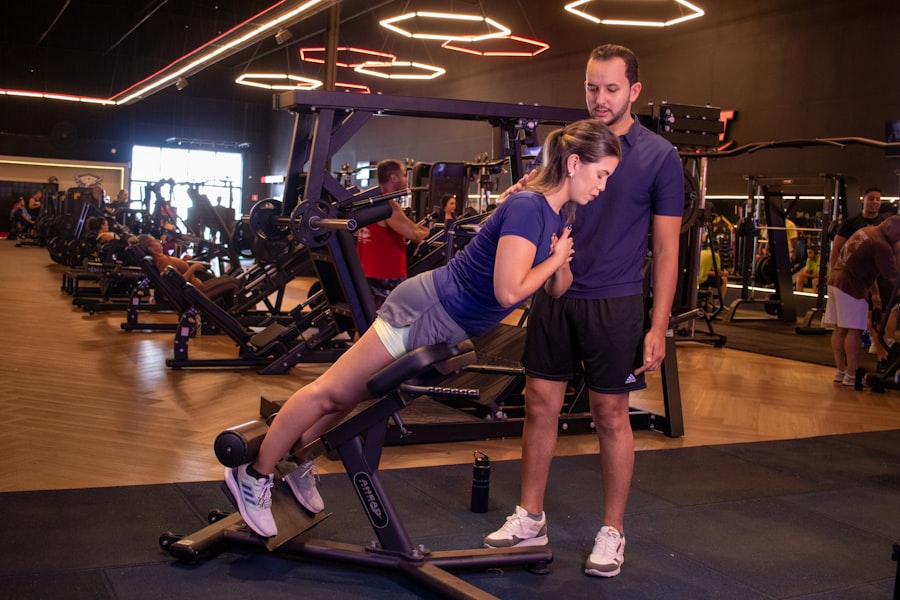
The scope of a health coach’s support is quite broad, touching on many aspects of well-being beyond just diet and exercise.
Nutrition and Eating Habits
This is often a big focus. A coach can help you:
- Identify problematic eating patterns: Are you a stress eater? Do you skip breakfast and overeat later?
- Incorporate more whole foods: Finding practical ways to add fruits, vegetables, and lean proteins.
- Meal planning and preparation: Strategies to make healthy eating easier and more consistent.
- Mindful eating: Learning to pay attention to your hunger and fullness cues.
- Navigating dietary changes: Whether it’s reducing sugar, increasing fiber, or managing food sensitivities.
Fitness and Physical Activity
Moving your body doesn’t have to mean hours at the gym. A coach can help you:
- Find enjoyable forms of movement: Discovering activities you actually like, making exercise sustainable.
- Overcome barriers to exercise: Addressing lack of time, motivation, or physical limitations.
- Build a consistent routine: Starting small and gradually increasing activity levels.
- Integrate movement into daily life: Taking the stairs, parking further away, walking during breaks.
- Set realistic fitness goals: Progressing safely and effectively without burnout.
Stress Management
Stress impacts everything. A health coach can guide you in:
- Identifying stress triggers: Understanding what specific situations or thoughts lead to stress.
- Developing coping mechanisms: Practical tools like mindfulness, deep breathing, or journaling.
- Time management strategies: Organizing your tasks to reduce feelings of overwhelm.
- Setting boundaries: Learning to say no to protect your mental and emotional energy.
- Cultivating resilience: Building the capacity to bounce back from difficult situations.
Sleep Improvement
Quality sleep is foundational to health, yet so many of us struggle. A coach can assist with:
- Optimizing your sleep environment: Creating a dark, cool, and quiet bedroom.
- Establishing a consistent sleep schedule: Going to bed and waking up around the same time.
- Developing a relaxing bedtime routine: Winding down before sleep.
- Addressing habits that disrupt sleep: Reducing screen time, caffeine, or heavy meals before bed.
- Exploring underlying factors: Discussing stress or anxiety that might be impacting sleep.
Energy Levels and Fatigue
Feeling constantly drained can affect every area of your life. A coach can help address this by:
- Reviewing all lifestyle factors: Sleep, nutrition, stress, and activity all play a role.
- Identifying energy drains: Activities or habits that deplete your resources.
- Prioritizing restorative practices: Scheduling downtime and self-care.
- Optimizing daily routines: Structuring your day for peak energy.
- Encouraging hydration and balanced nutrition: Key elements often overlooked.
Building Healthy Habits and Breaking Unhealthy Ones
Ultimately, health coaching is about habit formation. A coach can help you:
- Identify core values and motivations: Tapping into what truly drives you.
- Break down complex behaviors: Making changes feel manageable.
- Implement “tiny habits”: Small, consistent actions that lead to big results.
- Track progress and celebrate milestones: Reinforcing positive behaviors.
- Develop strategies for maintaining habits long-term: Avoiding relapses and staying on track.
Health coaches play a vital role in guiding individuals towards better lifestyle choices, and understanding the impact of nutrition on overall well-being is essential for their success. A fascinating article that delves into the benefits of sustainable practices is available at this link, which explores how regenerative agriculture methods can enhance food quality and promote health. By incorporating insights from such resources, health coaches can better educate their clients on the importance of choosing nutrient-dense foods that support their health goals. For more information, check out the article on regenerative agriculture methods.
Finding the Right Health Coach for You
“`html
| Health Coach | Certification | Experience | Client Success Rate |
|---|---|---|---|
| John Smith | ACE Health Coach Certification | 5 years | 85% |
| Sarah Johnson | Wellcoaches Certification | 3 years | 90% |
| Michael Brown | Nutrition Coach Certification | 7 years | 80% |
“`
Just like any professional service, finding the right fit is crucial for a successful coaching relationship. Don’t just pick the first person you find; invest some time in your search.
Credentials and Training
Look for coaches who have received training from reputable, accredited programs. Organizations like the National Board for Health & Wellness Coaching (NBHWC) offer certification, indicating a high standard of education and competence. While certifications aren’t the only indicator of a good coach, they provide a baseline level of assurance.
Specializations and Focus Areas
Many coaches have particular areas of expertise. Some might focus on gut health, others on stress management for busy professionals, or perhaps women’s health. Consider your primary goals and look for a coach who has experience and passion in those areas. Their specialization might align more closely with your needs.
Experience and Client Testimonials
While newer coaches can be excellent, consider those with some experience. Look at their website for client testimonials or case studies. Do these resonate with your own struggles or aspirations? Don’t hesitate to ask about their experience during an initial consultation.
Coaching Style and Personality
This is subjective but incredibly important. Some coaches are more direct, others more empathetic. Some use a very structured approach, others are more fluid. Do you prefer someone who challenges you, or someone who primarily listens and guides? Most coaches offer a free introductory call; use this as an opportunity to assess rapport. Do you feel comfortable talking to them? Do they listen attentively? Do they seem genuinely interested in your well-being?
Logistics and Cost
Coaching is an investment, both in time and money. Understand their fee structure, session frequency, and how long the coaching engagement typically lasts. Discuss how sessions are conducted (virtual, in-person), and if there’s any ongoing support between sessions. Ensure these logistics align with your budget and availability. Be wary of coaches who promise incredibly quick or dramatic results without discussing the commitment involved. Sustainable change takes time and effort.
Trust Your Gut
Ultimately, you need to feel comfortable and confident in your choice. The relationship with your health coach is a partnership built on trust and open communication. If something feels off, it’s perfectly okay to keep looking. The goal is to find someone who can truly empower you on your health journey.
