

So, what’s all the fuss about turmeric? Simply put, it’s a spice that’s been part of traditional medicine for centuries, and science is increasingly backing up some of those ancient claims. Beyond its vibrant color and earthy flavor in your curry, turmeric, particularly its active compound curcumin, offers some seriously impressive health benefits. We’re talking about things like taming inflammation, easing joint pain, and even giving your brain a little boost. It’s not a magic bullet, of course, but it’s definitely a valuable addition to a healthy lifestyle.
One of the most talked-about benefits of turmeric is its ability to fight inflammation. Chronic inflammation is behind a whole host of modern diseases, from heart issues to certain cancers. Think of curcumin as a natural firefighter, helping to put out those internal fires.
How Curcumin Tackles Inflammation
Curcumin doesn’t just broadly reduce inflammation; it does so through multiple pathways. It actually blocks several molecules that play major roles in the inflammatory process. We’re talking about things like NF-κB, a protein complex that controls DNA transcription, cytokine production, and cell survival. When this guy is overactive, inflammation gets out of control. Curcumin steps in and helps to regulate it. It also inhibits enzymes like COX-2 and 5-LOX, which are involved in producing inflammatory compounds. Essentially, it disrupts the chemical cascade that leads to pain and swelling at a cellular level.
Benefits for Arthritis and Joint Pain
This anti-inflammatory action is particularly good news for anyone dealing with arthritis. Both osteoarthritis (the wear-and-tear kind) and rheumatoid arthritis (the autoimmune kind) involve significant inflammation and pain in the joints. Studies have shown that curcumin supplements can be as effective as some anti-inflammatory drugs (NSAIDs) for reducing pain and improving function in people with knee osteoarthritis, but often with fewer side effects. It helps by reducing the breakdown of cartilage and easing the inflammatory response that causes stiffness and discomfort. For rheumatoid arthritis, while not a cure, it can help manage symptoms by suppressing the immune response that attacks the joints.
Reducing Exercise-Induced Muscle Soreness
Ever feel that ache after a tough workout? That’s often due to muscle damage and inflammation. Taking turmeric or curcumin before and after exercise might help reduce that post-workout soreness. It’s thought to minimize the inflammatory markers that spike after intense physical activity, leading to faster recovery and less discomfort. This means you might be able to get back to your routine quicker and feel better doing it.
Turmeric, known for its powerful anti-inflammatory and antioxidant properties, has gained popularity in recent years for its numerous health benefits. If you’re interested in exploring how to incorporate more natural elements into your lifestyle, you might find this article on organic gardening techniques particularly useful. It discusses how to grow your own herbs and spices, including turmeric, right in your backyard. For more information, check out the article here: Grow Your Dream Garden with These Organic Gardening Techniques.
Boosting Brain Health and Mood
The benefits of turmeric aren’t just physical; they extend to your brain as well. Emerging research suggests it could play a role in cognitive function and even help with mood regulation.
Enhancing Brain-Derived Neurotrophic Factor (BDNF)
BDNF is a really important protein that acts like a fertilizer for your brain cells. It’s essential for the growth of new neurons and the strengthening of existing connections. Lower levels of BDNF are linked to various brain disorders, including depression and Alzheimer’s disease. Curcumin has been shown to increase BDNF levels, which could lead to improved memory, learning, and overall cognitive function. Imagine your brain getting a little extra nourishment to keep ticking along nicely.
Potential Role in Preventing Alzheimer’s Disease
While not a cure, there’s growing interest in turmeric’s potential to help prevent or slow the progression of Alzheimer’s. One of the hallmarks of Alzheimer’s is the accumulation of amyloid plaques in the brain. Curcumin has shown promise in laboratory studies in its ability to cross the blood-brain barrier and, once there, to bind to and disrupt these plaques. Its anti-inflammatory and antioxidant properties are also crucial here, as inflammation and oxidative stress are thought to contribute significantly to the disease’s development. More human studies are needed, but the early signs are encouraging.
Supporting Mental Well-being
Given its impact on inflammation and BDNF, it’s not surprising that curcumin is being explored for its effects on mood. Chronic inflammation is increasingly recognized as a factor in depression. By reducing this inflammation and boosting BDNF, curcumin might help improve symptoms of depression and anxiety. Some studies have even found that it can be as effective as some antidepressant medications when combined with other treatments, demonstrating it’s not just a placebo. It helps to regulate neurotransmitters like serotonin and dopamine, which are key players in mood.
Supporting Cardiovascular Health
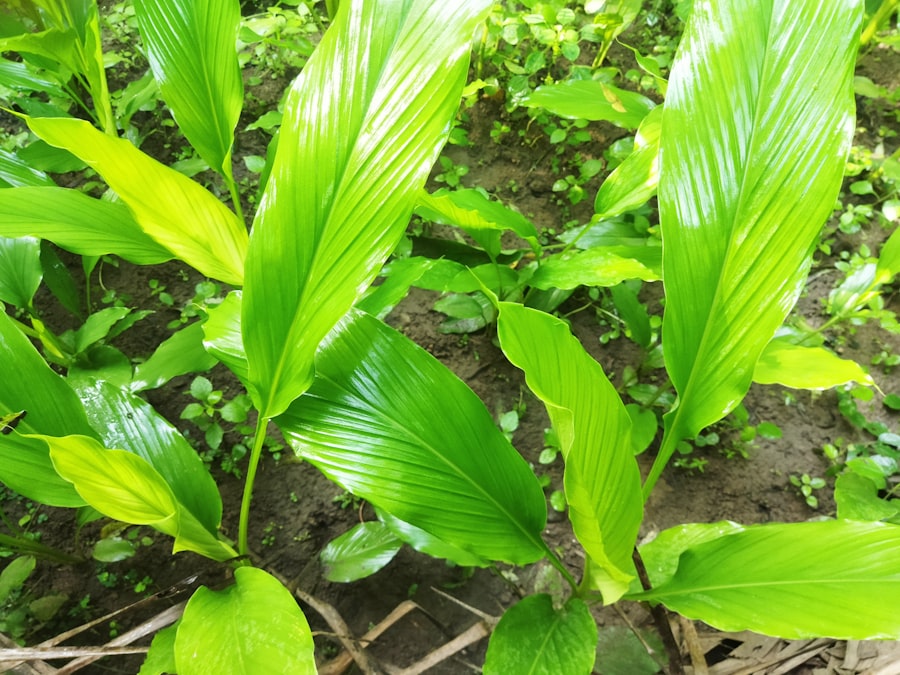
Your heart works tirelessly, and turmeric might give it a helping hand. Its protective effects on the cardiovascular system are another area of significant research.
Improving Endothelial Function
The endothelium is the lining of your blood vessels, and its proper function is crucial for healthy blood pressure regulation and blood clotting. Endothelial dysfunction is a major driver of heart disease. Curcumin has been shown to improve endothelial function, making your blood vessels more flexible and responsive. It does this by increasing the production of nitric oxide, a molecule that helps dilate blood vessels. This is a significant factor in maintaining healthy blood flow and blood pressure.
Lowering Cholesterol Levels
High cholesterol, particularly “bad” LDL cholesterol, is a well-known risk factor for heart disease. Some research suggests that curcumin can help reduce total cholesterol, LDL cholesterol, and triglycerides, while even slightly increasing “good” HDL cholesterol. It does this by influencing the enzymes involved in cholesterol production and absorption. While not a standalone treatment for high cholesterol, it can be a useful addition to a heart-healthy diet and lifestyle.
Antioxidant Protection for the Heart
The heart is constantly working and, like any active organ, produces oxidative stress. This stress can damage cells and contribute to various heart conditions. Curcumin is a potent antioxidant, meaning it helps to neutralize harmful free radicals that cause this cellular damage. By doing so, it protects heart cells from oxidative stress, contributing to overall cardiovascular health. It’s like giving your heart an extra shield against daily wear and tear.
Potential Anti-Cancer Properties
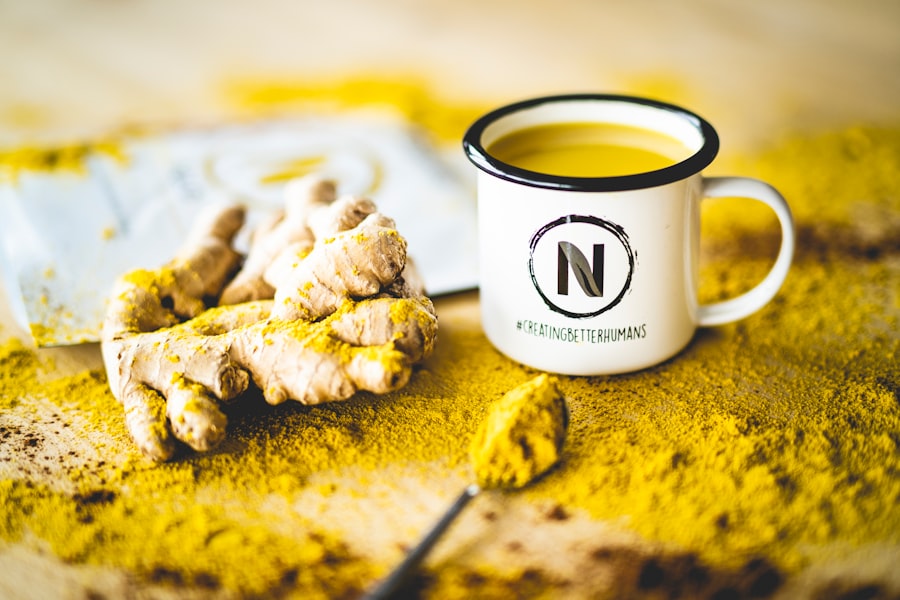
This is an area of very active and promising research. While we’re a long way from calling turmeric a cancer cure, its compounds show some fascinating interactions with cancer cells.
Inhibiting Cancer Cell Growth
Curcumin has been found to affect cancer cells in several ways. It can inhibit their proliferation, meaning it stops them from multiplying. It also encourages apoptosis, which is programmed cell death – essentially, it tells rogue cells to die off before they can cause trouble. This is a critical mechanism because cancer cells often evade this natural process. Curcumin seems to disrupt various signaling pathways that cancer cells rely on to grow and survive.
Reducing Metastasis
Metastasis is when cancer cells spread from their original location to other parts of the body, which is often what makes cancer so dangerous. Laboratory studies suggest that curcumin may have the ability to inhibit this process. It does so by interfering with the pathways that cancer cells use to invade surrounding tissues and travel through the bloodstream or lymphatic system. It can reduce the expression of molecules that cancer cells use to stick to other cells and form new tumors.
Enhancing Chemotherapy Effectiveness
Some early research hints that curcumin might make chemotherapy more effective and reduce some of its side effects. It’s thought to sensitize cancer cells to chemo drugs, meaning the drugs can work better at lower doses. This could potentially lead to better outcomes and less harsh side effects for patients. It can also protect healthy cells from the damaging effects of chemotherapy, acting as a supportive agent. This is still a preliminary area, but it’s an exciting path for future research.
Turmeric has gained popularity for its numerous health benefits, particularly its anti-inflammatory and antioxidant properties. If you’re interested in enhancing your wellness journey, you might want to explore how growing your own organic herbs can complement your diet. For more insights on this topic, check out this article on heirloom seeds for organic gardening, which provides valuable information on cultivating your own herbs, including turmeric, right at home.
Supporting Digestive Health
| Benefit | Description |
|---|---|
| Anti-inflammatory | Turmeric contains curcumin, which has been shown to have strong anti-inflammatory properties. |
| Antioxidant | Curcumin is a powerful antioxidant that helps protect the body from damage caused by free radicals. |
| Improves Digestion | Turmeric can help stimulate bile production, which aids in digestion and may help alleviate symptoms of indigestion. |
| Boosts Immunity | Curcumin has been found to have immune-boosting properties, helping the body fight off infections and illnesses. |
| Supports Joint Health | Studies have shown that turmeric may help reduce symptoms of arthritis and improve joint function. |
Beyond its flavor and color, turmeric has a long history in traditional medicine for its digestive benefits, and modern science is starting to catch up.
Reducing Bloating and Gas
Digestive discomfort, like bloating and gas, can often be linked to inflammation in the gut or an imbalance in gut bacteria. Turmeric’s anti-inflammatory properties can soothe an irritated digestive tract, potentially reducing these uncomfortable symptoms. It also stimulates bile production, which helps in the breakdown of fats in your diet, making digestion smoother after rich meals. This can prevent that heavy, bloated feeling.
Benefits for Irritable Bowel Syndrome (IBS)
IBS is a tricky condition, often characterized by abdominal pain, bloating, diarrhea, and constipation. While there’s no single cure, many people find relief through dietary changes and supplements. Turmeric, with its anti-inflammatory effects, may help alleviate some IBS symptoms by calming inflammation in the gut and potentially modulating gut motility. Some studies have shown a reduction in abdominal pain and improved bowel habits for IBS sufferers taking curcumin.
Promoting a Healthy Gut Microbiome
The balance of bacteria in your gut (your microbiome) is crucial for overall health, including digestion, immunity, and even mood. Turmeric may act as a prebiotic, subtly influencing the growth of beneficial gut bacteria. A healthy microbiome can lead to better digestion, nutrient absorption, and a stronger immune system. It can also help to suppress the growth of less desirable bacteria, further contributing to gut balance.
How to Get More Turmeric into Your Diet
So, how do you actually incorporate this powerful spice into your life? It’s not just about sprinkling it on everything, especially if you want to maximize those benefits.
Culinary Uses
This is the most common way, of course! Turmeric is a staple in many cuisines, particularly South Asian and Middle Eastern dishes. Add it to curries, stews, soups, and marinades for a warm, earthy flavor. A pinch in scrambled eggs, a smoothie, or even roasted vegetables can give them a little health boost and a lovely golden hue. Remember, a little goes a long way in terms of flavor intensity.
Turmeric Teas and Lattes (Golden Milk)
An increasingly popular way to consume turmeric is in beverages. “Golden milk” (turmeric latte) made with warm milk (dairy or plant-based), turmeric, a pinch of black pepper, and sometimes ginger and honey, is a soothing and healthful drink. You can also make a simple turmeric tea by steeping fresh or powdered turmeric in hot water. These are great evening rituals for winding down.
Supplementation Considerations
While food is great, the curcumin in turmeric isn’t very bioavailable on its own – meaning your body struggles to absorb and utilize it efficiently. If you’re looking for therapeutic benefits, a supplement might be more effective.
Why Black Pepper is Key
This is crucial. Piperine, a compound found in black pepper, significantly enhances curcumin absorption, sometimes by up to 2,000%! Most quality turmeric supplements will include piperine (often listed as BioPerine) for this very reason. If you’re cooking with turmeric, always add a dash of black pepper.
Liposomal and Micellar Formulations
Beyond piperine, some advanced supplements use liposomal or micellar encapsulation technologies. These methods essentially wrap the curcumin in a fatty layer, making it much easier for your body to absorb into the bloodstream. These formulations can be more expensive but offer superior bioavailability compared to standard curcumin extracts. If you’re looking for maximum impact, these are worth considering.
Dosage and Safety
Typical supplemental doses of curcumin range from 500mg to 1500mg per day, often split into multiple doses. It’s generally well-tolerated, but high doses can sometimes cause digestive upset in some individuals. If you have gallstones, are on blood thinners, or are pregnant, it’s always best to chat with your doctor before starting any new supplement regimen. Like any potent compound, it interacts with certain medications and conditions.
Important Considerations and Who Should Be Cautious
While turmeric is generally safe for most people, there are some situations where you should exercise caution or avoid it altogether. It’s powerful stuff, so it makes sense to be informed.
Blood Thinners and Bleeding Risk
Turmeric has mild anti-platelet effects, meaning it can thin the blood slightly. If you’re already taking anticoagulant (blood-thinning) medications like warfarin (Coumadin), clopidogrel (Plavix), or even aspirin, adding high doses of turmeric or curcumin supplements could increase your risk of bleeding or bruising. Always discuss this with your doctor to avoid potential complications.
Gallbladder Issues
Since turmeric stimulates bile production, it can be problematic for people with gallstones or bile duct obstruction. While it might help prevent gallstones in healthy individuals, it could worsen existing conditions or trigger pain in those who already have gallbladder problems. If you have a history of gallstones, consult your doctor before using turmeric in medicinal amounts.
Pregnancy and Breastfeeding
There’s not enough solid research on the safety of high-dose turmeric supplements during pregnancy or breastfeeding. While culinary amounts are generally considered safe, therapeutic doses are usually advised against due to potential uterine stimulation. It’s always best to err on the side of caution and avoid supplements during these times unless specifically advised by a healthcare professional.
Diabetes Medications
Turmeric can have a mild blood sugar-lowering effect. If you are taking medications for diabetes, combining them with high doses of turmeric could potentially lead to dangerously low blood sugar levels (hypoglycemia). Monitor your blood sugar closely and discuss any intended turmeric supplementation with your doctor to adjust medication dosages if necessary.
Iron Absorption
Some studies suggest that turmeric can inhibit iron absorption, particularly non-heme iron (the type found in plant foods). If you are anemic or at risk of iron deficiency, it’s something to be aware of. Consuming turmeric with vitamin C can help counteract this effect, as vitamin C enhances iron absorption. It’s rarely a major issue for most people with a balanced diet, but good to keep in mind.
Final Thought: A Spice Worth Exploring
Turmeric is more than just a culinary staple; it’s a spice with a rich history of medicinal use and a growing body of scientific evidence supporting its wide array of health benefits. From fighting inflammation and easing joint pain to supporting brain and heart health, its active compound, curcumin, is quite remarkable. While it’s not a magic cure-all, incorporating turmeric into your diet, or considering a high-quality supplement with enhanced bioavailability, can be a valuable step toward supporting your overall well-being. Just remember to be mindful of its powerful nature and consult with a healthcare professional if you have underlying conditions or are taking medications. It’s a gentle yet potent ally in your pursuit of health.
