
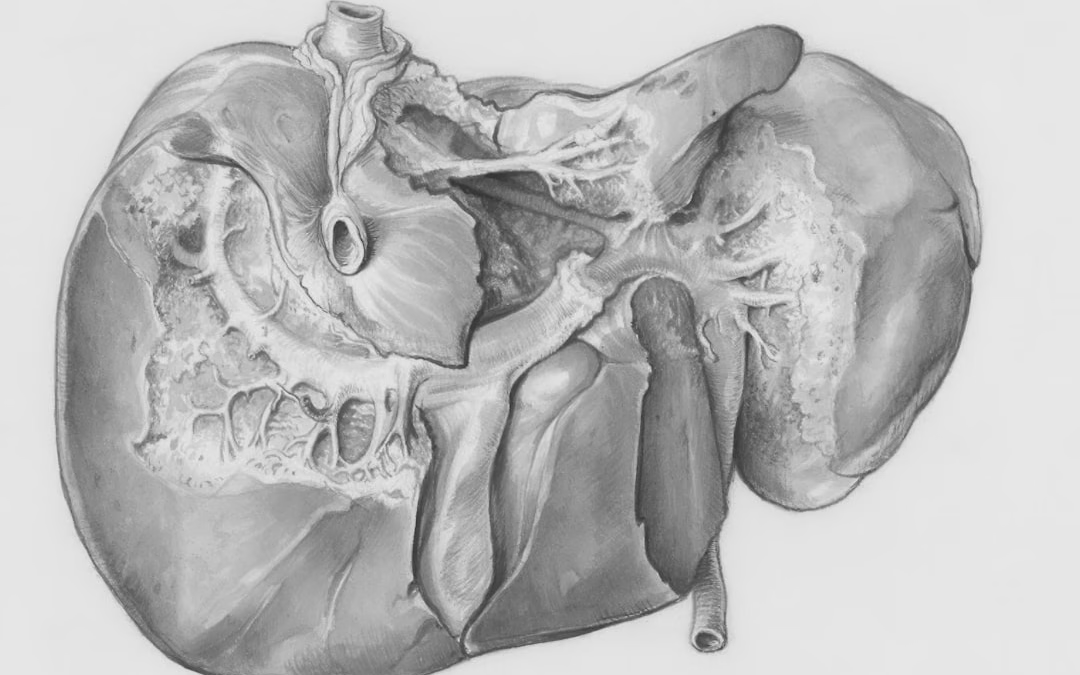
So, you’ve heard the term “fatty liver disease” floating around and maybe you’re wondering what it actually means for you or someone you know. In a nutshell, fatty liver disease is when there’s too much fat built up in your liver. It’s a pretty common condition, and often, it doesn’t cause any immediate problems. But, like anything, it’s worth understanding so you can take care of yourself.
Think of your liver as a super-busy processing plant for your body. It does all sorts of vital jobs, from filtering toxins to making essential proteins. One of its many tasks is handling fats. Normally, your liver makes some fat, breaks it down, and sends it out to where it’s needed.
The Fat Accumulation Problem
Fatty liver disease happens when the balance tips. Fat starts to pile up in your liver cells, more than it should. This isn’t usually a sudden event; it tends to develop over time.
Why Does This Happen? More Than Just “Eating Bad”
While diet plays a role, fatty liver disease isn’t as simple as just overindulging in burgers and fries. There are several reasons why fat can build up.
Type 1: Alcohol-Related Fatty Liver Disease (ARFLD)
This one is pretty straightforward. If you drink alcohol regularly and in significant amounts, your liver struggles to break down the fat from alcohol. This can lead to fat accumulating in the liver. The good news? Cutting back or stopping alcohol intake can often reverse this early stage.
Type 2: Non-Alcoholic Fatty Liver Disease (NAFLD)
This is the more common type, and it occurs in people who don’t drink much alcohol. NAFLD is a broad category, and it’s linked to a variety of factors.
Metabolic Syndrome: The Big Player
Often, NAFLD goes hand-in-hand with what’s called metabolic syndrome. This isn’t a single disease, but rather a cluster of conditions that increase your risk of heart disease, stroke, and diabetes. These conditions include:
- High Blood Pressure: When the force of blood against your artery walls is consistently too high.
- High Blood Sugar: Your body isn’t using insulin effectively, leading to elevated glucose levels.
- Unhealthy Cholesterol Levels: This often means high LDL (“bad”) cholesterol and low HDL (“good”) cholesterol, or high triglycerides.
- Excess Body Fat: Especially around the waist.
When these factors come together, they create an environment where fat is more likely to be stored in the liver.
Insulin Resistance: A Key Culprit
A central theme in NAFLD, especially when linked to metabolic syndrome, is insulin resistance. Insulin is a hormone that helps your body’s cells absorb sugar from your bloodstream for energy. When your cells become resistant to insulin, sugar builds up in your blood, and your body tries to compensate by producing more insulin. This can then signal your liver to make more fat.
Other Contributing Factors
- Genetics: Sometimes, it just runs in families.
- Rapid Weight Loss: Believe it or not, losing weight too quickly can sometimes stress the liver and lead to fat accumulation.
- Certain Medications: Some drugs can have fatty liver as a side effect.
- Other Medical Conditions: Things like polycystic ovary syndrome (PCOS), sleep apnea, and underactive thyroid (hypothyroidism) can also be linked.
For those looking to understand more about fatty liver disease and explore potential natural remedies, a related article can be found at Holistic Health Bundles. This resource provides insights into various holistic approaches that may support liver health and overall well-being, making it a valuable read for anyone interested in managing or preventing fatty liver disease through natural methods.
Identifying Fatty Liver Disease: How Do We Know?
This is a common question because, in its early stages, fatty liver disease often doesn’t shout for attention. Many people have no symptoms at all.
The Silent Nature of the Disease
The lack of obvious signs is why it’s sometimes discovered incidentally.
Routine Blood Tests
Often, blood tests for general check-ups will show elevated liver enzymes (like ALT and AST). These enzymes are released into the bloodstream when liver cells are inflamed or damaged. While elevated enzymes don’t definitively diagnose fatty liver, they can be a red flag that prompts further investigation.
Imaging Scans
If your doctor suspects something is up with your liver based on blood work or your risk factors, they might order an imaging test.
Ultrasound: The Go-To Tool
An abdominal ultrasound is usually the first imaging step. It uses sound waves to create pictures of your liver. Fatty liver often appears bright or echogenic on an ultrasound, distinct from a healthy liver. It’s a quick, non-invasive, and readily available test.
CT Scans and MRI: Deeper Dives
Sometimes, a CT scan or MRI might be used. These can provide more detailed images of the liver and can help assess the extent of fat buildup and look for other signs.
Liver Biopsy: The Gold Standard (But Not Usually the First Step)
A liver biopsy is the most accurate way to diagnose and stage fatty liver disease. It involves taking a small sample of liver tissue with a needle and examining it under a microscope. This can determine if there’s inflammation or scarring. However, it’s an invasive procedure and is usually reserved for cases where the diagnosis is unclear or when doctors need to assess the severity more precisely.
The Stages of Fatty Liver Disease: What Happens Next?
Fatty liver disease isn’t just a one-size-fits-all condition. It can progress through different stages, and understanding these can help explain why doctors emphasize lifestyle changes.
Simple Fatty Liver (Steatosis)
This is the earliest and most common stage. It means there’s fat in the liver, but not much, if any, inflammation or liver cell damage. Most people with simple fatty liver don’t experience significant problems. It’s usually reversible with lifestyle changes.
Non-Alcoholic Steatohepatitis (NASH)
This is where things can get a bit more serious. NASH means that not only is there fat in the liver, but there’s also inflammation and cell damage. This inflammation can lead to scarring over time. NASH is a more significant concern because it can potentially progress to more advanced liver conditions.
Fibrosis
As the liver tries to heal from inflammation and damage, scar tissue can form. This is called fibrosis. In the early stages of fibrosis, the liver can still function well. However, as more scar tissue builds up, it can start to affect the liver’s ability to work properly.
Cirrhosis
This is the most advanced stage of scarring. The liver becomes severely damaged and hardened, making it difficult for it to perform its essential functions. Cirrhosis is a serious condition that can lead to liver failure, liver cancer, and other life-threatening complications. Importantly, damage from cirrhosis is generally not reversible. However, stopping further progression is still possible and crucial.
Managing Fatty Liver Disease: Actionable Steps
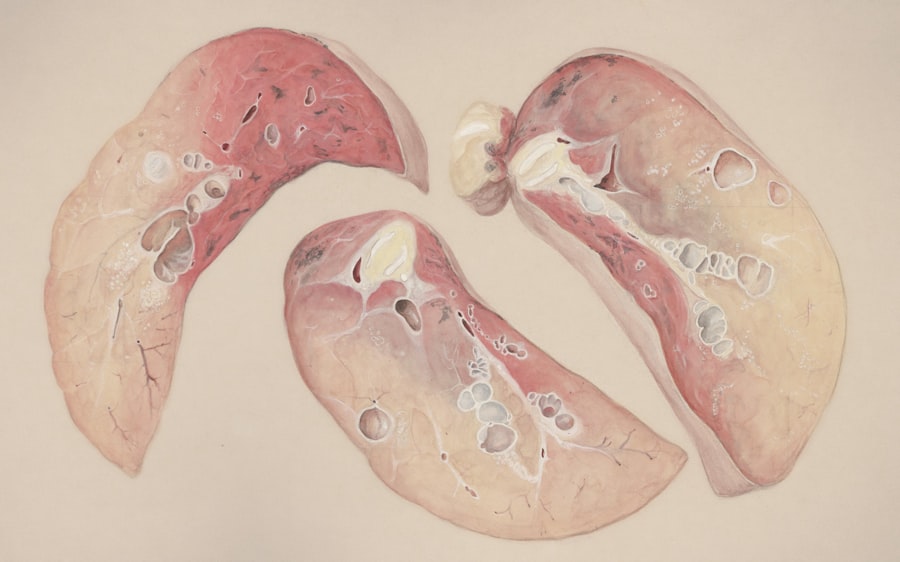
The good news is that for many people, especially in the earlier stages, fatty liver disease can be managed and even reversed. It’s not about magic cures, but about making consistent, healthy choices.
Lifestyle Changes: The Powerhouse of Treatment
This is where the real impact is made.
Weight Management: The Cornerstones
If you are overweight or obese, losing even a modest amount of weight (5-10% of your body weight) can significantly reduce fat in your liver, as well as inflammation and fibrosis.
Gradual and Sustainable Weight Loss
The key here is gradual. Crash diets can sometimes backfire. Focus on making sustainable changes to your eating habits and increasing your physical activity.
Diet Adjustments: Fueling Your Liver Right
What you eat directly impacts your liver.
Lean Proteins and Whole Foods
Focus on a diet rich in fruits, vegetables, whole grains, and lean proteins. These provide essential nutrients without putting a heavy burden on your liver.
Limiting Harmful Foods
- Sugary Drinks and Foods: Excess sugar, especially fructose, is a major contributor to fat buildup. Cut back on sodas, fruit juices with added sugar, candy, and processed snacks.
- Processed and Fried Foods: These are often high in unhealthy fats and low in nutrients.
- Red Meat: While not inherently evil, opting for leaner protein sources more often can be beneficial.
Healthy Fats
Don’t fear all fats! Incorporate healthy fats like those found in olive oil, avocados, nuts, and fatty fish (like salmon and mackerel), which are rich in omega-3 fatty acids.
Regular Exercise: Moving Your Body
Physical activity helps your body use insulin more effectively and can help reduce liver fat, even if you don’t lose a lot of weight.
Aim for a Mix
A combination of aerobic exercise (like brisk walking, jogging, swimming) and strength training (lifting weights, bodyweight exercises) is ideal. Aim for at least 150 minutes of moderate-intensity aerobic activity per week, plus muscle-strengthening activities at least two days a week.
Avoiding Alcohol: A Must for ARFLD
If your fatty liver disease is alcohol-related, the single most important step is to significantly reduce or eliminate alcohol consumption. For NAFLD, while moderate alcohol consumption may not be directly harmful for everyone, it’s often best to err on the side of caution and discuss it with your doctor, especially if you have any inflammation.
Medical Management: When Lifestyle Isn’t Enough
While lifestyle changes are paramount, sometimes medical intervention is needed.
Managing Underlying Conditions
If you have metabolic syndrome or other related conditions, your doctor will work with you to manage:
- Diabetes: Through medication and lifestyle changes.
- High Blood Pressure: With medication and dietary adjustments.
- High Cholesterol: Through diet, exercise, and potentially statin medications.
Medications for NASH (Emerging Area)
Currently, there are no FDA-approved medications specifically to treat NASH. However, research is ongoing, and some medications used for diabetes or weight loss are showing promise and may be prescribed off-label in certain situations. Vitamin E has also been shown to help some individuals with NASH, but it’s important to discuss this with your doctor as it’s not suitable for everyone.
Fatty liver disease is a growing concern that can be influenced by various lifestyle factors, including diet and exercise. For those interested in improving their overall health and potentially reducing the risk of this condition, exploring holistic approaches can be beneficial. A related article discusses effective strategies for maintaining a healthy lifestyle while managing other aspects of well-being, which can be found in this insightful piece on small-scale farming. You can read more about it here.
The Future of Fatty Liver Disease Understanding
| Metrics | Value |
|---|---|
| Prevalence of fatty liver disease | 25% of the global population |
| Leading cause of fatty liver disease | Obesity and excessive alcohol consumption |
| Complications of fatty liver disease | Liver cirrhosis, liver cancer |
| Treatment options | Weight loss, dietary changes, medication |
The prevalence of fatty liver disease, particularly NAFLD, is on the rise globally. This is largely due to increasing rates of obesity and type 2 diabetes.
Continued Research and Development
Scientists are actively researching new ways to diagnose, treat, and even prevent fatty liver disease. This includes:
- Developing targeted medications that can reduce inflammation and fibrosis in the liver.
- Improving diagnostic tools to identify individuals at higher risk and assess disease progression more accurately.
- Understanding the complex interplay of genetics, diet, and gut microbiome in the development of NAFLD.
The Importance of Early Detection and Intervention
The message is clear: the earlier fatty liver disease is identified, the better the chances of managing it and preventing its progression to more serious liver damage.
Empowering Yourself with Knowledge
Understanding the basics of fatty liver disease, its causes, and its potential progression is the first step in taking control of your liver health.
Working Closely with Your Healthcare Provider
Don’t hesitate to discuss any concerns you have with your doctor. They can assess your risk factors, order appropriate tests, and guide you on the best course of action for your individual situation. Early intervention, coupled with consistent, healthy lifestyle choices, is your most powerful tool in nurturing a healthy liver.
