

Sarah felt stuck. For months, she battled constant fatigue, stubborn sinus pressure, and a foggy mind that made her daily tasks a struggle. Her doctor ran tests but found nothing conclusive. It was only after a home inspection revealed hidden mold in her bathroom that a possible culprit emerged.
Sarah’s story is not unique. Research cited by the CDC indicates that up to 50% of indoor spaces host significant mold growth. This hidden environmental factor can be a source of unexplained health concerns for many.
I have developed this comprehensive guide to help you navigate this complex landscape. My approach focuses on safe, evidence-based strategies to support your body’s natural processes. Understanding that mold is ubiquitous, this plan is designed to systematically reduce your toxic burden.
By following this structured guide, you will learn how to support your natural elimination pathways effectively. I encourage you to view this as a journey toward reclaiming your vitality. Every step is grounded in functional medicine principles for lasting health results.
Key Takeaways
- Unexplained symptoms like fatigue and brain fog can sometimes be linked to environmental mold exposure.
- Mold growth is surprisingly common, present in a significant percentage of indoor environments.
- This guide provides a structured, step-by-step approach to addressing this health challenge.
- The strategies presented are evidence-based and prioritize safety throughout the process.
- The goal is to reduce the body’s toxic load while supporting its innate healing pathways.
- This process is framed as a health journey, guided by functional medicine principles.
- Clarity and understanding are the first steps toward achieving lasting wellness.
Introduction to Mycotoxin Detox Protocol
Our bodies are designed to handle toxins, but modern environmental exposures can sometimes overwhelm these natural systems. When this happens, a targeted approach becomes necessary.
Overview of Mycotoxins and Mold Exposure
Mold is a common fungus found in many indoor spaces. The CDC notes it can pose serious risks, especially for people with weakened immune systems.
These fungi produce toxic compounds called mycotoxins. These particles can interact with your cells and disrupt normal function.
Understanding where mold grows helps you manage risk. The table below outlines common types and their potential effects.
| Mold Type | Common Locations | Associated Health Considerations |
|---|---|---|
| Aspergillus | Damp walls, air conditioning systems, dust | Often linked to respiratory irritation and sinus issues. |
| Cladosporium | Window sills, painted surfaces, carpets | Can trigger allergic reactions and asthma symptoms. |
| Stachybotrys (Black Mold) | Chronic water damage, cellulose materials | Associated with more severe respiratory and neurological concerns. |
Why Detoxification is Essential for Health
I believe supporting your body’s natural cleanup processes is crucial. Environmental toxins can accumulate and hinder optimal function.
Your liver, kidneys, and lymphatic system work hard to filter impurities. A structured plan gives these systems the support they need.
My experience shows that addressing these triggers is a foundational step. It helps reduce the overall burden on your body, paving the way for recovery.
Understanding Mold Exposure and Mycotoxins
The air inside your home may contain microscopic particles with significant health implications. Recognizing their source is a critical first step.
Common Indoor Mold Sources and Environmental Triggers
Fungal growth thrives in damp, dark spaces. Basements, bathrooms, and kitchens are common problem areas where moisture pools.
I often remind patients that up to 50% of indoor spaces host significant colonies. This growth can hide behind drywall or under sinks, making professional inspection valuable.
Persistent dampness from a leak or high humidity creates the perfect trigger. Controlling these environmental factors is essential for a healthy home.
How Mycotoxins Affect the Body
Certain molds release toxic compounds called mycotoxins. These particles are incredibly small, often measuring 2.5 microns or smaller.
Their microscopic size allows them to cross the blood-brain barrier. This can directly disrupt your neurological and cellular function.
Understanding this mechanism is key to addressing the impact of chronic, low-level environmental exposure on your well-being.
Recognizing Symptoms of Mold Exposure
Recognizing the connection between your surroundings and your health is the first step toward finding clarity. The symptoms of an environmental issue are often diverse and can be mistaken for other conditions.
Cognitive, Respiratory, and Digestive Symptoms
In my practice, I frequently see patients with profound exhaustion and mental cloudiness. This chronic fatigue and brain fog are classic signs that something is affecting the brain and nervous system.
Respiratory issues are another major clue. Persistent sinus congestion, a nagging cough, or wheezing are common indicators your body is reacting to something in the air.
Digestive disturbances often appear as well. New food sensitivities, bloating, and discomfort can emerge when the gut-brain axis is compromised.
It is crucial to track these symptoms. They often worsen in damp indoor spaces and improve when you leave. Recognizing this pattern is key to identifying a mold exposure source.
The Science Behind Detoxification Pathways
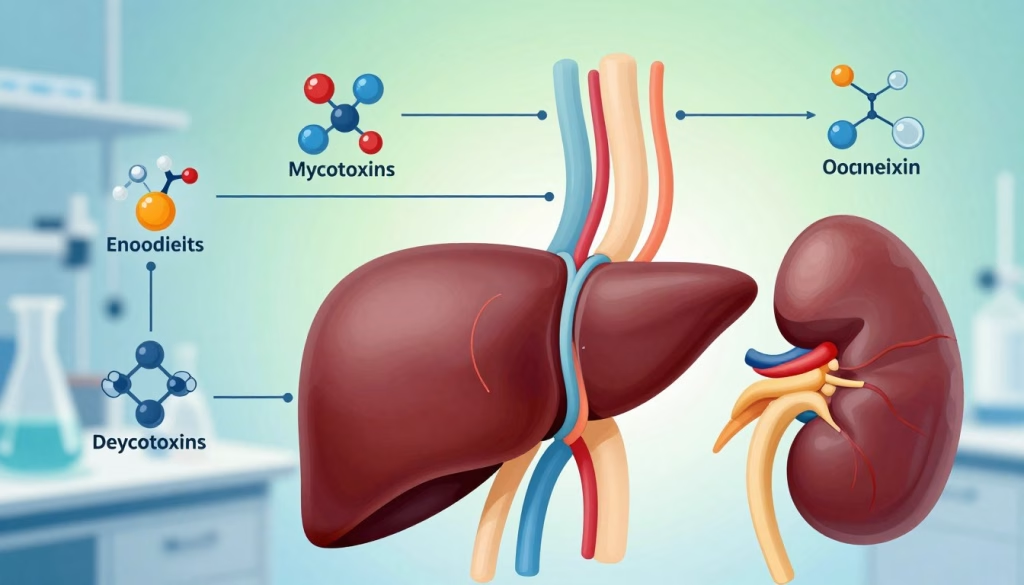
Several vital systems collaborate like a skilled team to process and expel unwanted compounds. Your body’s natural detoxification is a continuous, multi-step process. For some individuals, genetic factors can make this internal work less efficient.
Liver Function and Natural Elimination Processes
Your liver is the primary filter. It works in two distinct phases to transform fat-soluble toxins into water-soluble waste. This crucial conversion allows other organs to safely remove these substances from your body.
I often explain that supporting these hepatic phases is foundational. When the liver is overburdened, the entire detoxification cascade can slow down.
The Role of the Lymphatic and Kidney Systems
The lymphatic network acts as your body’s drainage system. It collects cellular debris and metabolic waste, moving it toward your kidneys and colon for final excretion.
Your kidneys are the master chemists. They fine-tune your blood’s composition, filtering out the water-soluble byproducts prepared by your liver. Keeping these systems flowing is essential.
Research indicates about 25% of people carry HLA-DR gene variants. These can impair their immune cells from recognizing and clearing certain biotoxins effectively.
When these pathways are not optimally supported, inflammation can become systemic. In my practice, I focus on targeted nutrition and manual lymphatic techniques to empower this vital internal team.
Implementing Your Mycotoxin Detox Protocol
Before focusing on internal support, the first and most critical step is to ensure your living space is no longer contributing to the issue. This implementation phase is where knowledge turns into action.
Step-by-Step Guide to Starting Your Protocol
I advise a systematic approach. Begin with a professional home inspection to find and remediate any hidden sources of fungal growth. Your internal healing pathways cannot make progress if you are constantly re-exposed.
This mirrors the functional medicine model used by experts like Dr. Kausik Roy at AustinMD, whose six-step plan is designed to help patients achieve lasting results.
Only after your environment is clear should you begin the internal phase of your recovery journey. For sensitive individuals, starting slowly with gentle modifications is essential to manage potential reactions.
Consistency is the cornerstone of success. In my practice, I recommend committing to the plan for a minimum of three months to allow your body the time it needs to respond effectively.
Nutritional Strategies and Diet Adjustments for Detoxification
The food on your plate plays a pivotal role in either supporting or hindering your body’s internal cleanup efforts. What you eat directly fuels the systems we discussed earlier.
I view strategic nutrition as a powerful tool. It can reduce inflammatory triggers and provide the raw materials your body needs for optimal function.
Adopting an Anti-Inflammatory, Whole-Food Diet
I recommend an anti-inflammatory diet rich in colorful vegetables, healthy fats, and clean proteins. This approach supports your natural detoxification pathways.
These whole foods are packed with antioxidants and phytonutrients. They help combat the oxidative stress often linked to environmental exposure.
Proper hydration is also essential. I advise drinking 8-10 cups of filtered water daily. This simple step helps your kidneys flush out mobilized compounds effectively.
Foods to Avoid That May Contribute to Mold Exposure
Avoiding certain items is a critical part of the strategy. Mold-containing foods like aged cheeses, dried fruits, and some nuts can introduce more burden.
Research shows that Western diet patterns high in processed items worsen symptoms. They can increase the absorption of problematic compounds in the gut.
Shifting toward a whole-food, nutrient-dense eating pattern is key. By tailoring your diet to your sensitivities, you reduce inflammation. This provides the clean fuel needed for lasting health.
Functional Medicine Labs and Testing for Mycotoxin Exposure
To move beyond guesswork, we need objective data that reveals what’s happening inside your body. Functional medicine prioritizes specialized testing to identify root causes.
I use these advanced tools to create a clear picture of your individual situation. This data-driven method is far more effective than a one-size-fits-all plan.
Urine Mycotoxin Tests and Blood Antibody Evaluations
Urine tests are a primary tool. Companies like Mosaic Diagnostics and RealTime Labs offer panels that identify up to 16 different compounds.
These tests measure what your body is actively excreting. This establishes a crucial baseline for your recent and chronic burden.
Blood evaluations provide a different angle. MyMycoLab, for example, measures IgG and IgE antibodies to gauge your immune system’s specific response.
This tells me how your body is reacting to the triggers. Combining both types of data offers the most complete clinical picture.
| Test Type | What It Measures | Best For | Sample Companies |
|---|---|---|---|
| Urine Mycotoxin Test | Direct levels of 14-16 specific mycotoxins excreted from the body | Establishing a baseline of recent and chronic exposure | Mosaic Diagnostics, RealTime Labs |
| Blood Antibody Evaluation | IgG & IgE antibody levels indicating immune system response to mold | Understanding how the body is reacting to specific triggers | MyMycoLab |
Understanding your specific exposure profile is transformative. By measuring these levels, I can design a personalized approach.
This ensures we support your unique physiology correctly. It also provides a way to track your progress objectively over time.
Supplemental Support: The Role of Binders and Other Nutrients
Beyond diet and environment, targeted nutrients play a crucial role in your recovery journey. I view these supplements as specialized tools that empower your body’s innate cleanup crew.

Benefits of Using Biotoxin Binder
Binders work in your digestive tract to capture unwanted compounds. Research shows activated charcoal has an average adsorption capacity of 81% across multiple toxin types.
For this reason, I often recommend a comprehensive binder. You can buy Biotoxin Binder to help capture these particles efficiently. Take it on an empty stomach, away from other medications, for maximum effect.
Additional Supplements to Support Detox Pathways
Glutathione is your body’s master antioxidant. It is crucial for supporting your liver’s natural pathways during recovery.
I often prescribe liposomal forms for better absorption. This helps support your entire system as it works to eliminate burdens.
Always monitor your bowel movements when using these aids. Proper hydration is essential to prevent constipation.
Remember, these supplements are designed to support your body, but they should be used under professional guidance. This ensures your personalized protocol is both safe and effective for your health.
Environmental Mold Management and Home Remediation
Creating a healthy living space requires proactive identification and control of moisture sources. I cannot overstate this point: no internal health strategy will succeed if you remain in a contaminated environment. Your first priority must be to ensure your home is safe.
Identifying Hidden Mold Sources in Your Home
Fungal growth often hides where you cannot see it. I recommend using tools like moisture meters and borescopes. These devices can reveal dampness inside walls or under flooring.
Pay close attention to areas with past water damage. Check behind appliances, under sinks, and in basements. Persistent musty odors are a strong clue that something is amiss in these spaces.
| Assessment Method | Best Use Case | Key Tool |
|---|---|---|
| DIY Visual & Olfactory Check | Initial screening for visible discoloration or musty smells | Flashlight, nose |
| DIY Moisture Detection | Finding damp areas that could lead to future growth | Moisture meter |
| Professional Inspection | Confirming hidden infestation, identifying all species present | Borescope, air sampling pumps |
When to Consider Professional Remediation
For affected areas larger than 10 square feet, I strongly advise hiring experts. Reputable companies follow strict guidelines from the EPA and IICRC.
Proper removal involves containment and specialized equipment. This prevents spores from spreading during the cleanup process. It is not a task for typical do-it-yourself home improvement.
After source removal, improving air quality is wise. Use HEPA air purifiers as a secondary measure. Most importantly, keep indoor humidity below 50% to prevent future growth.
Lifestyle Changes to Enhance Detox and Immune Function
While diet and supplements are crucial, your body’s ability to recover is profoundly influenced by three core lifestyle pillars. I view these daily habits as non-negotiable support for your internal cleanup and immune resilience.
Exercise, Sleep, and Stress Management Techniques
Regular, moderate movement is a cornerstone of my approach. It boosts circulation and immune cell activity. These are vital signs your body is overcoming chronic fatigue.
I advise prioritizing 7-9 hours of quality sleep each night. This maintains healthy cytokine balance. It also supports your natural killer cell function for robust defense.
Managing stress through meditation or yoga prevents elevated cortisol. High cortisol can directly suppress your body’s defense system. Consistent practice is key for long-term balance.
Infrared sauna sessions, 1-3 times weekly, help eliminate stored compounds at a cellular level. Dry brushing is another simple tool. It stimulates lymphatic flow to move waste from your tissues.
| Technique | Primary Benefit | Recommended Frequency |
|---|---|---|
| Moderate Exercise | Improves circulation & immune cell activity | 30 mins, most days |
| Quality Sleep | Supports cytokine balance & cellular repair | 7-9 hours nightly |
| Stress Management | Prevents cortisol-driven immune suppression | Daily practice |
| Infrared Sauna | Promotes elimination of stored toxins | 1-3 times per week |
Integrating these practices creates a powerful synergy. They empower your body’s innate pathways for a more effective recovery journey.
Monitoring Your Progress and Adjusting the Protocol
Effective health management relies on tracking both subjective experiences and objective data. I view this phase as a collaborative dialogue between you and your body.
Your unique response guides every decision. This ensures the plan remains safe and moves you toward your wellness goals.
Tracking Symptom Improvements and Retesting Methods
I require a minimum three-month commitment before retesting. This gives your body adequate time to respond and reduces levels of problematic compounds.
Tracking your symptoms in a daily journal is essential. It shows how different individuals react and where we need to adjust the process.
If symptoms persist, we investigate other factors. Hidden environmental sources or genetic clearance issues could be slowing your results.
Retesting urine mycotoxin levels provides hard data. It tells us when to safely shift from active treatment to a maintenance protocol.
| Monitoring Method | Primary Focus | Ideal Timing | Key Benefit |
|---|---|---|---|
| Symptom Journal | Subjective changes in energy, cognition, & respiration | Daily entries | Reveals personal response patterns & triggers |
| Urine Retest | Objective measurement of excreted toxin levels | After 3+ months | Confirms reduction in total body burden |
| Clinical Review | Professional analysis of all data points | Monthly check-ins | Ensures the process is tailored & effective |
My goal is to ensure this entire process works for you. We adjust the plan based on your physiology to support lasting health.
Your Journey to a Healthier System and Future Wellness
Reclaiming your health from the effects of environmental triggers is a journey of patience and persistence. Many people suffer for years with unexplained fatigue and other symptoms before finding the right functional medicine approach.
By removing the source of mold exposure and supporting your body’s natural detoxification, you build a foundation for lasting wellness. I encourage you to view this protocol as a step toward a stronger internal system.
Remember, recovery is gradual. Be patient with yourself as your body heals. Continuing these supportive lifestyle changes is essential for protecting your future health and preventing issues.
I am committed to supporting individuals on this path. Your journey to vibrant health is possible.
