
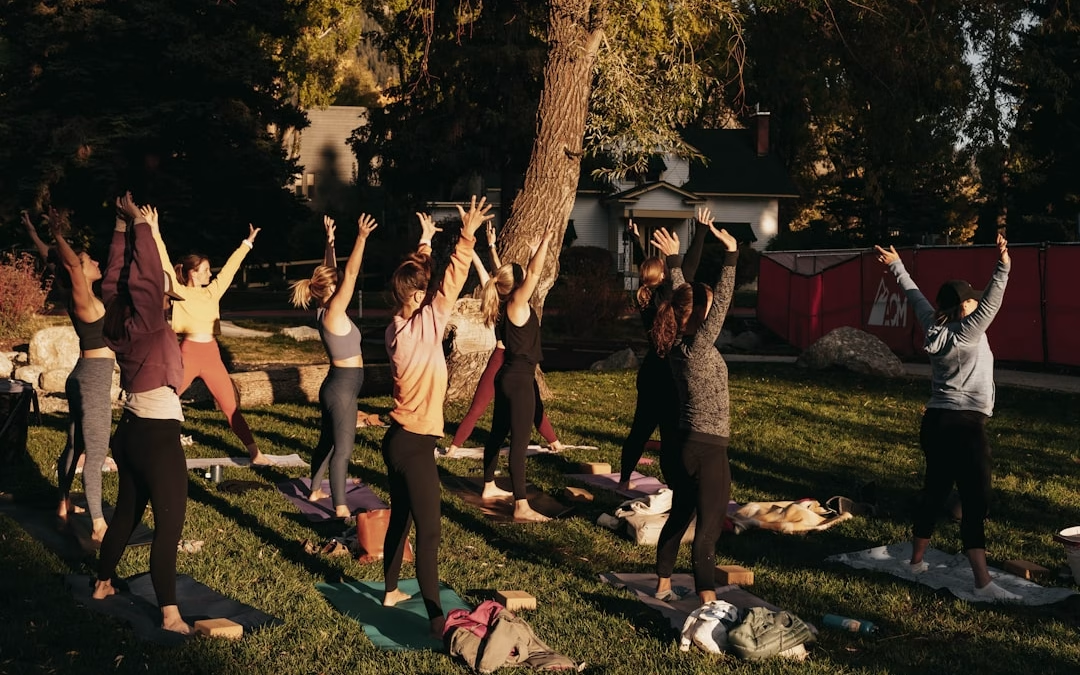
Feeling a bit… meh lately? You’re not alone. The good news is, taking charge of your well-being doesn’t have to be a grand, overwhelming overhaul. It’s often about small, consistent shifts that add up. So, if you’re looking to feel more energized, focused, and generally just better, you’ve come to the right place. Let’s dive into some practical ways to revitalize your health.
What you eat has a direct impact on how you feel, physically and mentally. It’s less about restrictive diets and more about making smart, sustainable choices. Think of your body as a high-performance machine – it needs quality fuel to run optimally.
The Power of Whole Foods
This might sound obvious, but it’s worth hammering home. Processed foods, while convenient, often lack the nutrients your body craves.
What Counts as “Whole”?
When we talk about whole foods, we’re generally referring to things that are as close to their natural state as possible. This includes:
- Fruits and Vegetables: Aim for a rainbow of colors. Different colors signify different vitamins, minerals, and antioxidants. Don’t be afraid to try new ones!Frozen options are just as good as fresh and can be more cost-effective.
- Lean Proteins: Think chicken breast, turkey, fish, beans, lentils, tofu, and eggs. These are crucial for building and repairing tissues, and they keep you feeling full.
- Whole Grains: Opt for brown rice, quinoa, oats, whole wheat bread, and pasta instead of their refined counterparts. They provide sustained energy and fiber.
- Healthy Fats: Avocados, nuts, seeds, and olive oil are your friends. They’re essential for brain health and hormone production.
Making it Practical
- Meal Prep (Even a Little): You don’t need to spend your entire Sunday cooking. Even washing and chopping veggies for the week, or cooking a batch of quinoa, can make a big difference when you’re short on time.
- Smart Swaps: Instead of white pasta, try whole wheat. Instead of sugary cereal, try oatmeal. Instead of chips, try a handful of nuts or some veggie sticks. Small changes add up.
- Hydration is Key: Water is probably the most underrated wellness tool.
The Importance of Hydration
Dehydration can sneak up on you and lead to fatigue, headaches, and poor concentration.
How Much Water is Enough?
The old adage of eight glasses a day is a decent starting point, but individual needs vary based on activity level, climate, and overall health. A good rule of thumb is to drink when you feel thirsty.
Tips for Drinking More Water:
- Carry a Water Bottle: Keep one with you at all times – at your desk, in your car, in your gym bag. Seeing it is a constant reminder.
- Flavor It Up (Naturally): If plain water feels boring, add slices of lemon, lime, cucumber, or berries. Herbal teas (unsweetened) also count.
- Set Reminders: If you tend to forget, use your phone or a smart watch to ping you every hour or so.
- Hydrate Before and After Exercise: This is non-negotiable for optimal performance and recovery.
For those interested in enhancing their health and wellness through sustainable living, the article on embracing an off-grid lifestyle offers valuable insights. By exploring the benefits of self-sufficiency and connection to nature, readers can discover how this lifestyle can positively impact their physical and mental well-being. To learn more about this transformative approach, check out the article here: Unlock the Secrets of an Off-Grid Lifestyle.
Moving Your Body For Energy and Mood
When you think about exercise, try to shift the focus from “burning calories” to “gaining energy” and “boosting your mood.” Movement is medicine, and it doesn’t always mean hitting the gym for an hour.
Finding Movement You Enjoy
The best exercise is the one you’ll actually do. If you hate running, don’t force yourself to do it.
Explore Different Options:
- Walking: Simple, effective, and accessible. Even a brisk 20-minute walk can make a significant difference.
- Dancing: Put on your favorite music and just move! It’s a great stress reliever and a fun way to get your heart rate up.
- Yoga or Pilates: Excellent for flexibility, strength, and mindfulness. There are tons of free resources online.
- Swimming: A fantastic low-impact option that works your whole body.
- Team Sports or Group Classes: If you thrive on social interaction, this can be very motivating.
Making it a Habit
- Schedule It In: Treat your movement time like any other important appointment. Put it in your calendar.
- Start Small: Don’t try to go from zero to hero overnight. Begin with 10-15 minutes a few times a week and gradually increase.
- Incorporate Activity into Your Day: Take the stairs instead of the elevator, park further away from your destination, get up and stretch every hour if you have a sedentary job.
- Listen to Your Body: Rest days are just as important as workout days. Pushing too hard can lead to injury and burnout.
Strength Training is More Than Muscles
Strength training isn’t just about building big muscles. It’s crucial for bone health, metabolism, and improving your posture.
What is Strength Training?
This involves using resistance to build muscle strength and endurance. This can be done with:
- Bodyweight Exercises: Squats, lunges, push-ups, planks.
- Resistance Bands: Lightweight, portable, and versatile.
- Weights (Dumbbells, Kettlebells): Start with lighter weights and focus on proper form.
- Weight Machines: Often found in gyms, these can be good for beginners as they guide your movement.
Benefits Beyond the Gym:
- Improved Metabolism: More muscle means your body burns more calories at rest.
- Stronger Bones: Helps prevent osteoporosis as you age.
- Better Balance and Stability: Reduces the risk of falls.
- Increased Confidence: Feeling physically capable translates to mental confidence.
Prioritizing Rest and Sleep
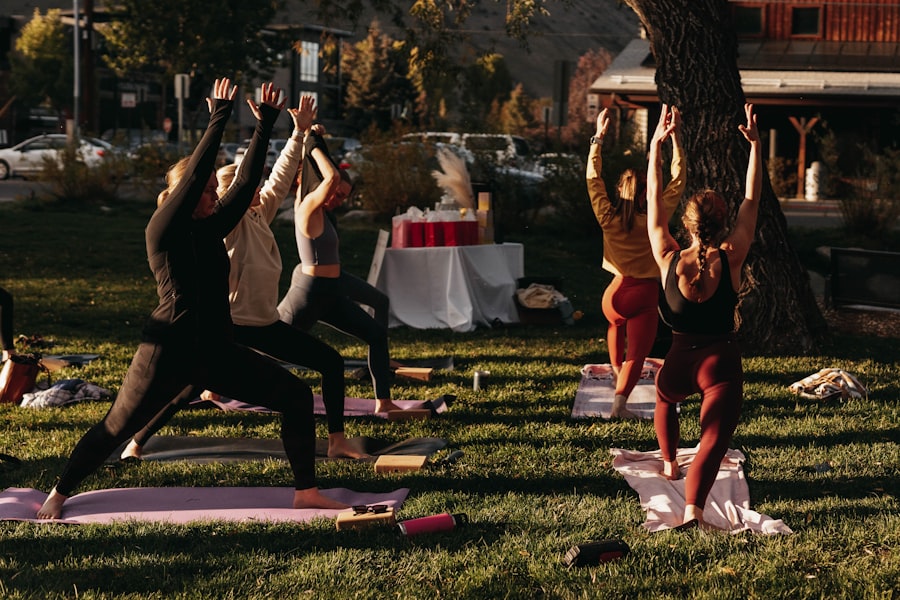
In our go-go-go culture, sleep is often the first thing we sacrifice. But it’s arguably the most vital component of good health.
The Non-Negotiable Nature of Sleep
Think of sleep as your body’s “recharge and repair” time. Without adequate sleep, your physical and mental functions suffer.
How Much Sleep Do You Actually Need?
For most adults, 7-9 hours per night is the sweet spot. Consistently getting less than this can have long-term consequences.
Signs You’re Not Getting Enough Sleep:
- Daytime Drowsiness: Feeling tired even after waking up.
- Irritability: Snapping at people more easily.
- Poor Concentration: Difficulty focusing or remembering things.
- Increased Cravings: Especially for sugary or processed foods.
- Weakened Immune System: Getting sick more often.
Creating a Sleep-Friendly Environment
Your bedroom should be a sanctuary for rest.
Tips for Better Sleep Hygiene:
- Stick to a Schedule: Go to bed and wake up around the same time every day, even on weekends. This helps regulate your body’s natural sleep-wake cycle (circadian rhythm).
- Create a Relaxing Bedtime Routine: This could involve reading a book, taking a warm bath, listening to calming music, or practicing gentle stretching.
- Dark, Quiet, and Cool: Make your bedroom as dark as possible (blackout curtains can help). Minimize noise – consider earplugs if needed. A slightly cooler room is generally better for sleep.
- Limit Screen Time Before Bed: The blue light emitted from phones, tablets, and computers can interfere with melatonin production, the hormone that signals sleep. Aim to put devices away at least an hour before bed.
- Watch Your Caffeine and Alcohol Intake: Avoid caffeine in the late afternoon and evening. While alcohol might make you feel sleepy initially, it disrupts sleep quality later in the night.
- Don’t Lie in Bed Awake: If you can’t fall asleep after 20 minutes, get up, do something quiet and relaxing in dim light until you feel sleepy, and then go back to bed.
Managing Stress for a Clearer Mind
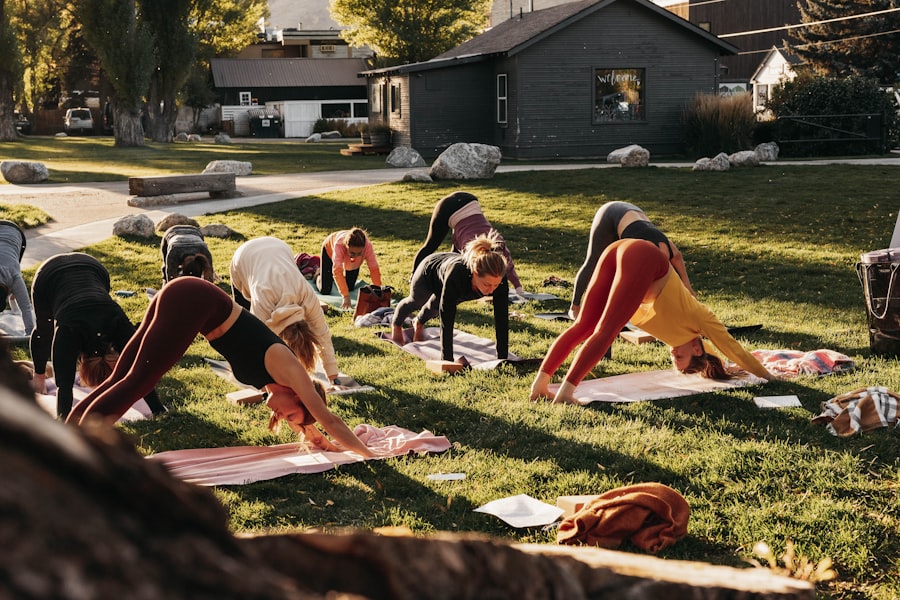
Stress is an inevitable part of life, but how we manage it makes all the difference in our overall health. Chronic stress can impact everything from our digestion to our immune system.
Recognizing Your Stress Triggers
The first step is to identify what’s causing you to feel overwhelmed.
Common Stressors:
- Work-related pressure: Deadlines, demanding colleagues, job insecurity.
- Financial worries: Bills, debt, unexpected expenses.
- Relationship issues: Conflicts with partners, family, or friends.
- Health concerns: Personal or a loved one’s illness.
- Major life changes: Moving, divorce, new job.
Practical Strategies for Coping:
- Mindfulness and Meditation: Even a few minutes a day can make a difference. Apps like Calm or Headspace offer guided meditations.
- Deep Breathing Exercises: When you feel overwhelmed, take a few slow, deep breaths. Inhale deeply through your nose, hold for a few seconds, and exhale slowly through your mouth.
- Journaling: Writing down your thoughts and feelings can help you process them and gain perspective.
- Spending Time in Nature: Research shows that being outdoors can significantly reduce stress levels.
Building Resilience
Resilience isn’t about avoiding stress; it’s about bouncing back from it.
How to Cultivate Resilience:
- Nurture Your Relationships: Strong social connections provide a crucial support system.
- Focus on What You Can Control: Accept that some things are outside of your influence and focus your energy where it will make a difference.
- Maintain a Sense of Purpose: Having goals and feeling like you’re contributing can provide a buffer against stress.
- Practice Self-Compassion: Be kind to yourself, especially during difficult times. You’re human, and it’s okay to struggle.
- Develop Problem-Solving Skills: Instead of dwelling on problems, try to break them down and brainstorm solutions.
Incorporating eco-friendly practices into your daily routine can significantly enhance your overall health and wellness. By making small changes, such as reducing waste and using sustainable products, you not only contribute to a healthier planet but also create a more harmonious living environment for yourself. For more insights on how to embrace these practices, check out this informative article on eco-friendly living. Adopting these tips can lead to a more balanced lifestyle that benefits both you and the Earth.
Nurturing Your Mental Well-being
| Category | Metric | Goal |
|---|---|---|
| Physical Activity | Steps per day | 10,000 |
| Exercise | Minutes per week | 150 |
| Nutrition | Servings of fruits and vegetables per day | 5 |
| Sleep | Hours per night | 7-9 |
| Stress Management | Minutes of relaxation per day | 30 |
Your mental health is just as important as your physical health. They are intrinsically linked, and taking care of one positively impacts the other.
Self-Care Isn’t Selfish
This isn’t about bubble baths and spa days (though those can be nice!). Self-care is about actively making time for activities that support your mental and emotional health.
What Does Self-Care Look Like?
It’s incredibly personal, but here are some ideas:
- Setting Boundaries: Learning to say “no” to things that drain your energy or don’t align with your priorities.
- Engaging in Hobbies: Making time for activities you truly enjoy, whether it’s painting, reading, playing music, or gardening.
- Connecting with Loved Ones: Spending quality time with people who uplift you.
- Taking Breaks: Stepping away from work or stressful situations, even for a few minutes.
- Practicing Gratitude: Regularly acknowledging the good things in your life can shift your perspective.
Making Self-Care a Priority:
- Schedule It: Just like exercise, block out time for your self-care activities.
- Start Small: Don’t feel like you need to dedicate hours. Even 15-20 minutes of intentional self-care can be beneficial.
- Be Flexible: Some days might look different than others. Adapt your self-care to what you need on any given day.
Seeking Support When Needed
There’s incredible strength in recognizing when you need help.
Signs You Might Benefit from Professional Support:
- Persistent Sadness or Low Mood: Feeling down for an extended period.
- Loss of Interest: No longer enjoying activities you once loved.
- Significant Changes in Sleep or Appetite: Dramatic shifts that aren’t explained by other factors.
- Feelings of Hopelessness or Worthlessness: Intense negative self-talk.
- Difficulty Functioning: Struggling with daily tasks, work, or relationships.
How to Find Help:
- Talk to Your Doctor: They can assess your situation and refer you to appropriate mental health professionals.
- Therapy and Counseling: Talking to a therapist provides a safe, confidential space to explore your thoughts and feelings and develop coping strategies.
- Support Groups: Connecting with others who share similar experiences can be incredibly validating and supportive.
- Mental Health Hotlines: If you are in immediate distress, these can provide essential support and resources.
Continuous Learning and Growth
Your health journey isn’t a destination; it’s an ongoing process. Embracing continuous learning and growth keeps things fresh and ensures you’re always evolving.
Staying Informed About Your Health
Knowledge is power when it comes to making informed decisions about your well-being.
Reliable Sources of Information:
- Reputable Health Websites: Look for sites affiliated with well-known medical institutions or government health organizations (e.g., Mayo Clinic, NIH, CDC).
- Medical Professionals: Your doctor is your primary resource for personalized health advice.
- Well-researched Books and Articles: Look for authors with credible backgrounds. Be wary of sensationalized claims or quick fixes.
What to Be Skeptical Of:
- “Miracle” Cures: If something sounds too good to be true, it probably is.
- Unsubstantiated Claims: Rely on evidence-based information rather than anecdotes.
- Advice from Unqualified Individuals: Stick to advice from trained professionals.
Adapting and Evolving Your Habits
What works for you today might need adjustment tomorrow. Life happens, and your health needs will change.
Embracing Flexibility:
- Regularly Reassess: Check in with yourself every few months. Are your current habits still serving you?
- Be Open to New Approaches: As new research emerges or your circumstances change, be willing to try different strategies.
- Celebrate Progress, Not Perfection: Acknowledge how far you’ve come, rather than focusing on perceived failures. If you slip up, just get back on track with your next meal or workout.
- Find Joy in the Process: The more you enjoy your healthy habits, the more likely you are to stick with them long-term.
Revitalizing your health is a journey, not a race. By focusing on these practical, everyday strategies, you can build a foundation for a more energized, balanced, and fulfilling life. Start small, be consistent, and be kind to yourself along the way. You’ve got this.
