
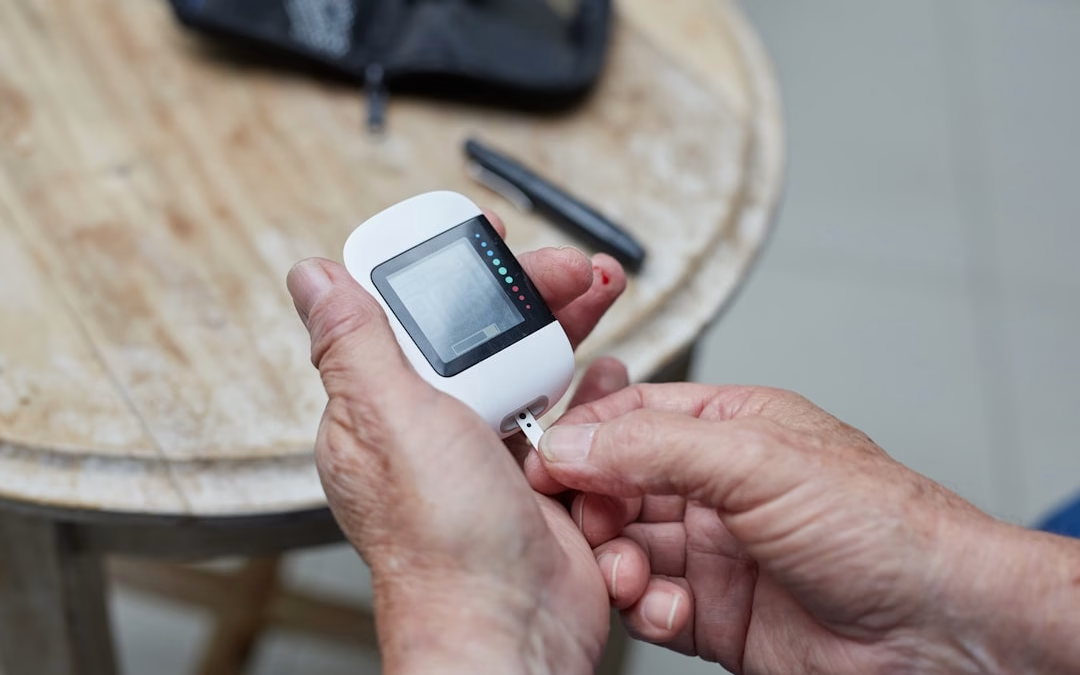
So, you’re navigating life with Type 1 diabetes. It’s a journey, for sure, and managing it effectively often boils down to a few key areas that work together seamlessly: keeping a close eye on your blood sugar, making smart food choices, staying active, and remembering to take care of your mental well-being. It’s not about rigid rules, but more about finding a rhythm that fits your life and helps you feel your best.
Let’s get down to brass tacks. The cornerstone of managing Type 1 diabetes is understanding and controlling your blood glucose levels. It’s like having a thermostat for your body – you want it set within a healthy range to minimize long-term risks and feel good day-to-day. This involves regular monitoring and understanding how different factors influence your numbers.
Why Monitoring Matters
Think of your blood glucose meter or continuous glucose monitor (CGM) as your personal dashboard. They provide real-time information that is absolutely crucial for making informed decisions throughout your day. Without this data, you’re essentially flying blind.
- Tracking Trends: Consistent monitoring helps you spot patterns. You might notice your blood sugar reliably dips after a certain type of exercise or spikes after a specific meal, even if you thought it was carb-neutral. Recognizing these trends is a superpower for prevention.
- Informing Dosing: This is probably the most direct impact. Your insulin doses, whether through injections or an insulin pump, are directly tied to your current blood sugar readings and your planned carbohydrate intake. Accurate readings mean more accurate dosing, which leads to better control.
- Detecting Issues Early: Sudden, unexplained highs or lows can be early warning signs of something going on. Catching these early allows you to address them before they become serious problems like hyperglycemia or hypoglycemia.
Tools of the Trade: Meters vs. CGMs
The technology you use for monitoring can make a big difference in how you manage your diabetes.
- Traditional Blood Glucose Meters (BGMs): These are the tried-and-true devices. You prick your finger, get a drop of blood, and the meter gives you a snapshot reading. They are reliable and often more affordable upfront. The key is to be consistent with your testing schedule.
- Practical Tip: Keep your lancing device and test strips readily accessible – in your bag, car, at work, and by your bedside. You never know when you’ll need a quick check.
- Continuous Glucose Monitors (CGMs): These are a game-changer for many. A tiny sensor inserted under the skin continuously measures glucose levels in your interstitial fluid. A reader or smartphone app displays these readings and trends in real-time, often with alerts for highs and lows.
- Benefits: CGMs provide a much richer picture of your glucose fluctuations. They can show you those subtle rises before a meal or the gradual drops overnight that you might miss with fingersticks alone. They can also predict future trends, giving you time to act.
- Considerations: CGMs require calibration with fingersticks initially, and there’s a learning curve. They also involve ongoing costs for sensors and transmitters. Discuss with your doctor if a CGM is a good fit for you.
What Your Numbers Mean
Understanding the target ranges and what they signify is vital. While these can vary slightly based on individual recommendations from your healthcare team, general targets are often:
- Fasting Blood Glucose: Typically between 80-130 mg/dL (4.4-7.2 mmol/L). This is what your sugar is like after an overnight fast.
- Post-Meal (1-2 hours after starting): Generally below 180 mg/dL (10.0 mmol/L). This is the body’s response to food.
Your doctor will work with you to set your personal targets, and it’s important to aim for them as consistently as possible. Don’t get discouraged by outliers; focus on the overall trend.
For those interested in the intersection of health and sustainable practices, a related article discussing the benefits of regenerative agriculture methods can provide valuable insights. This approach not only supports environmental health but may also have implications for managing chronic conditions such as type 1 diabetes. To learn more about these innovative agricultural techniques, you can read the article here: Discover Powerful Regenerative Agriculture Methods.
Fueling Your Body: Smart Nutrition for Type 1 Diabetes
What you eat has a direct and predictable impact on your blood sugar. The good news? It doesn’t mean you have to eat bland food or miss out on delicious meals. It’s about understanding the impact of different foods and making informed choices.
Carbohydrate Counting: Your Macronutrient Compass
Carbohydrates have the biggest effect on blood glucose levels. Learning to count them accurately is a fundamental skill.
- What are Carbohydrates? They are found in foods like bread, pasta, rice, fruits, starchy vegetables (like potatoes and corn), dairy products, and sweets.
- How to Count: This involves reading nutrition labels, using online databases, or estimating portion sizes. The goal is to match your insulin dose to the amount of carbohydrates you consume.
- Practical Tip: Start by focusing on common foods. Get familiar with how many carbs are in a slice of bread, a serving of rice, or a piece of fruit. This will make eating out much easier.
- Glycemic Index (GI) and Glycemic Load (GL): Beyond just the quantity of carbs, their quality matters too. Foods with a lower GI are digested more slowly, causing a gentler rise in blood sugar. GL considers both GI and the amount of carbs in a serving.
- Focus on: Whole grains, non-starchy vegetables, legumes, and fruits tend to have a lower GI.
Protein and Fats: The Supporting Players
While carbs get the spotlight, protein and fats also play a role in how your blood sugar behaves, though their impact is generally slower and less pronounced.
- Protein: Can help with satiety and has a minimal direct impact on blood sugar.
- Fats: Slow down digestion, which can sometimes delay the rise in blood sugar after a meal. This is something to be aware of, especially when you’re taking insulin to cover a meal. A meal high in fat might require an adjustment to your insulin timing or dose.
- Practical Tip: Incorporating lean proteins and healthy fats (like avocados, nuts, seeds, and olive oil) into your meals can help stabilize your blood sugar and keep you feeling fuller for longer.
Hydration: The Unsung Hero
Don’t underestimate the power of water! Staying adequately hydrated is crucial for overall health and can influence blood sugar.
- How it Helps: Dehydration can concentrate your blood sugar, making readings appear higher. Adequate fluid intake helps your kidneys flush out excess glucose.
- Choosing Wisely: Stick to water, unsweetened tea, or coffee. Be mindful of sugary drinks, juices, and sodas, as these can cause rapid blood sugar spikes.
- Practical Tip: Carry a reusable water bottle with you everywhere. Set reminders to drink throughout the day.
Meal Planning Strategies
Consistency in meal timing and composition can be incredibly helpful.
- Regular Meals: Aim for consistent meal and snack times. This helps your body anticipate nutrient intake and makes insulin dosing more predictable.
- Balanced Meals: Try to include a combination of carbohydrates, protein, and healthy fats at each meal. This provides sustained energy and helps prevent sharp blood sugar fluctuations.
- Snacks: Plan for snacks if needed, especially if you’re active or if there’s a long gap between meals. These can help prevent lows.
- Practical Tip: Batch cooking healthy meals and snacks on weekends can save you a lot of time and effort during the busy work week. Portioning them out makes it easy to grab and go.
The Power of Movement: Exercise and Type 1 Diabetes
Physical activity is fantastic for everyone, and it’s particularly beneficial for people with Type 1 diabetes. However, it requires a bit of strategic planning to ensure your blood sugar stays within a safe range during and after exercise.
How Exercise Affects Blood Sugar
Exercise uses glucose for energy. This means your blood sugar levels will likely decrease during aerobic activity. However, the response can be complex and depends on the type, intensity, and duration of the exercise, as well as your pre-exercise blood sugar and insulin levels.
- Aerobic Exercise (e.g., brisk walking, running, cycling): Tends to lower blood sugar.
- Strength Training (e.g., weightlifting): Can have a more varied effect. It might initially cause a slight rise in blood sugar due to the release of stress hormones, but can lead to improved insulin sensitivity in the longer term.
- High-Intensity Exercise: Can sometimes cause a temporary rise in blood sugar due to the release of counter-regulatory hormones.
Pre-Exercise Precautions
This is where planning is key to avoiding exercise-induced hypoglycemia (low blood sugar).
- Check Your Blood Sugar: Always check your blood sugar before starting any significant physical activity.
- If your blood sugar is below 100 mg/dL (5.6 mmol/L): You’ll likely need a carbohydrate snack before exercising. Aim for about 15-30 grams of fast-acting carbs.
- If your blood sugar is between 100-180 mg/dL (5.6-10.0 mmol/L): You might be okay to start without a snack, but monitor closely.
- If your blood sugar is above 250 mg/dL (13.9 mmol/L), especially with ketones: It’s generally safer to avoid strenuous exercise. High blood sugar with ketones means your body isn’t using glucose effectively and exercise could worsen the situation. Check for ketones if your reading is high.
- Insulin Adjustments (if applicable): If you use an insulin pump, you might consider suspending it or reducing your basal rate during exercise. If you use injections, you might need to adjust doses for meals or snacks eaten before exercise. Discuss this thoroughly with your endocrinologist.
- Consider the Timing: Exercise performed soon after a meal with a carbohydrate bolus might lead to a more significant drop in blood sugar because you have both the food-induced glucose rise and the insulin working simultaneously.
During and After Exercise
Don’t stop paying attention once you’ve started sweating.
- Stay Hydrated: Drink plenty of water.
- Monitor Regularly: Check your blood sugar during prolonged or intense exercise, especially if you’re trying a new activity.
- Post-Exercise Lows: Blood sugar can continue to drop for up to 12-24 hours after exercise, particularly after intense or prolonged activity. Be prepared to have a snack or adjust subsequent meals if necessary.
- Practical Tip: Keep fast-acting carbohydrates (like glucose tablets, fruit snacks, or juice) with you during exercise. Wear a medical ID bracelet that indicates you have diabetes.
Finding Your Groove
The goal is to make exercise a sustainable and enjoyable part of your life. Don’t be afraid to experiment and learn what works best for your body.
- Listen to Your Body: Pay attention to how you feel. If you feel dizzy, shaky, or unwell, check your blood sugar immediately.
- Start Gradually: If you’re new to exercise, start with shorter durations and lower intensities and gradually increase as your fitness improves.
- Find Activities You Enjoy: Whether it’s dancing, swimming, hiking, or playing a sport, finding something you love will make it easier to stick with it.
Managing Stress and Mental Well-being: The Invisible Link
Living with a chronic condition like Type 1 diabetes can take a toll on your mental and emotional health. Stress, anxiety, and depression are not uncommon, and they can, in turn, impact your blood sugar control.
The Stress-Blood Sugar Connection
When you experience stress, your body releases hormones like cortisol and adrenaline. These hormones can cause your liver to release stored glucose, leading to a rise in blood sugar levels.
- Short-Term Stress: May cause temporary hyperglycemia.
- Chronic Stress: Can contribute to ongoing insulin resistance and make blood sugar management more challenging over time. This creates a frustrating cycle where poor control causes stress, which then worsens control.
Strategies for Stress Management
Finding healthy ways to cope with stress is as important as monitoring your blood sugar.
- Mindfulness and Meditation: Even just a few minutes a day can help calm your nervous system and reduce stress. There are many guided meditation apps available.
- Deep Breathing Exercises: Simple, yet effective. Inhale deeply through your nose, hold for a few seconds, and exhale slowly through your mouth.
- Hobbies and Relaxation: Make time for activities you enjoy and that help you unwind, whether it’s reading, listening to music, gardening, or spending time in nature.
- Physical Activity: As we’ve discussed, exercise is a fantastic stress reliever.
- Prioritize Sleep: Aim for 7-9 hours of quality sleep per night. Poor sleep can exacerbate stress and negatively impact blood sugar.
- Practical Tip: Schedule “relaxation time” into your week, just as you would schedule appointments. Treat it with the same importance.
Seeking Support
You don’t have to go through this alone. Connecting with others can make a huge difference.
- Talk to Your Healthcare Team: Your doctor, diabetes educator, or therapist can offer strategies and support. Don’t hesitate to bring up any concerns about your mental health.
- Connect with Other People with Diabetes: Support groups, online forums, or even just talking to a friend who understands can be incredibly validating and helpful. Sharing experiences and tips can reduce feelings of isolation.
- Consider Therapy: A mental health professional can provide tools and techniques for managing anxiety, depression, and the emotional burden of living with diabetes. Cognitive Behavioral Therapy (CBT) and Acceptance and Commitment Therapy (ACT) can be particularly helpful.
- Practical Tip: If you feel overwhelmed, reach out to someone. A simple phone call or conversation can be a good first step.
For those interested in exploring the broader implications of health and wellness, you might find a related article on organic gardening techniques particularly insightful. Engaging in organic gardening can be beneficial for individuals managing type 1 diabetes, as it promotes a healthier lifestyle and encourages the consumption of fresh, nutrient-rich foods. To learn more about these techniques, you can visit this helpful resource that offers practical tips for cultivating your own garden.
Building a Strong Support Network
| Metrics | Value |
|---|---|
| Prevalence | 1.6 per 1,000 |
| Diagnosis Age | Usually in children and young adults |
| Treatment | Insulin therapy |
| Complications | Heart disease, kidney failure, blindness |
Managing Type 1 diabetes is a marathon, not a sprint. Having a reliable support system can make the journey smoother and more manageable.
Your Healthcare Team: Your First Line of Defense
This is your primary resource for accurate information and ongoing care.
- Endocrinologist: Oversees your diabetes management, insulin therapy, and monitors for complications.
- Certified Diabetes Care and Education Specialist (CDCES): Provides practical education on meal planning, exercise, blood sugar monitoring, and insulin use.
- Primary Care Physician: Manages your overall health and screens for other conditions.
- Dietitian/Nutritionist: Can help you create personalized meal plans and understand the nutritional aspects of food.
- Mental Health Professional: As mentioned, crucial for emotional well-being.
- Practical Tip: Don’t be afraid to ask questions. No question is too simple or too silly when it comes to your health. Advocate for yourself and ensure you understand your treatment plan.
Friends and Family: The Personal Circle
The people closest to you can offer invaluable emotional support and practical assistance.
- Educate Them: Share information about your diabetes. Help them understand what Type 1 diabetes is, what your needs are, and how they can help (e.g., recognizing signs of hypoglycemia, understanding your routines).
- Communicate Your Needs: Let them know when you need understanding, patience, or a listening ear.
- Involve Them (if appropriate): Some people find it helpful to involve family in meal planning or even some monitoring tasks if they are willing and able.
- Practical Tip: Host a “diabetes education” chat with close family or friends. Provide them with a simple handout or just have a conversation where they can ask questions openly.
Peer Support: The Power of Shared Experience
Connecting with others who live with Type 1 diabetes can offer a unique kind of understanding.
- Online Communities: Websites, forums, and social media groups dedicated to Type 1 diabetes can be a source of information, encouragement, and friendship.
- Local Support Groups: Many communities have in-person diabetes support groups that offer a chance to connect face-to-face.
- Shared Challenges and Triumphs: Hearing from others who have navigated similar challenges can be incredibly empowering and reassuring. They can offer practical tips and emotional support that might be hard to find elsewhere.
- Practical Tip: Join a group that resonates with you. Start by just reading posts to get a feel for the community before actively participating.
Staying Vigilant: Long-Term Health and Prevention
Managing Type 1 diabetes well today significantly reduces the risk of complications down the road. It’s about proactive care and regular check-ups.
Regular Medical Check-ups are Non-Negotiable
Beyond your routine diabetes appointments, there are specific screenings that are vital for early detection of potential issues.
- Eye Exams: Annual dilated eye exams by an ophthalmologist are crucial to screen for diabetic retinopathy, a condition that can affect vision.
- Foot Exams: Daily self-checks of your feet are important, and your doctor should perform a thorough foot exam at least annually. This checks for nerve damage and poor circulation that can lead to serious problems.
- Kidney Function Tests: Regular urine and blood tests (usually annually) monitor your kidney health for signs of diabetic nephropathy.
- A1C Tests: This is a blood test that provides an average of your blood sugar levels over the past 2-3 months. It’s a key indicator of how well your diabetes is being managed. Aiming for a target A1C (usually below 7%, but personalized by your doctor) is a major long-term goal.
- Cholesterol and Blood Pressure Monitoring: High blood pressure and cholesterol can worsen diabetes complications. Regular checks are essential.
Preventing Complications Through Good Management
The best way to prevent long-term complications is to consistently manage your diabetes. This means consistently aiming for your target blood sugar ranges, maintaining a healthy lifestyle, and adhering to your medical care plan.
- Managing Blood Sugar: Keeping blood glucose levels within the target range as much as possible is the most critical factor in preventing or delaying complications.
- Healthy Diet and Exercise: These aren’t just for immediate blood sugar control; they contribute to overall cardiovascular health and well-being, which are vital in preventing diabetes-related issues.
- Avoiding Smoking: Smoking significantly increases the risk of diabetes complications, particularly cardiovascular disease and nerve damage. If you smoke, seek help to quit.
Staying Informed and Adaptable
Diabetes management isn’t static. New research, technologies, and treatment options emerge, and your needs can change over time.
- Continuous Learning: Stay curious. Read reputable sources about diabetes, talk to your healthcare team about new developments, and consider attending educational workshops.
- Flexibility: Life happens. There will be days when your blood sugar is difficult to manage. Don’t get discouraged. Learn from those times and adjust your approach as needed.
- Celebrate Progress: Acknowledge your successes, no matter how small. Successfully navigating a challenging meal, managing a period of illness without major blood sugar swings, or taking on a new exercise routine are all wins.
Living with Type 1 diabetes is a continuous learning process. By focusing on understanding your body, making informed choices about nutrition and activity, taking care of your mental health, and building a strong support system, you can lead a healthy, fulfilling life. It’s about finding your balance and adapting as you go.
