
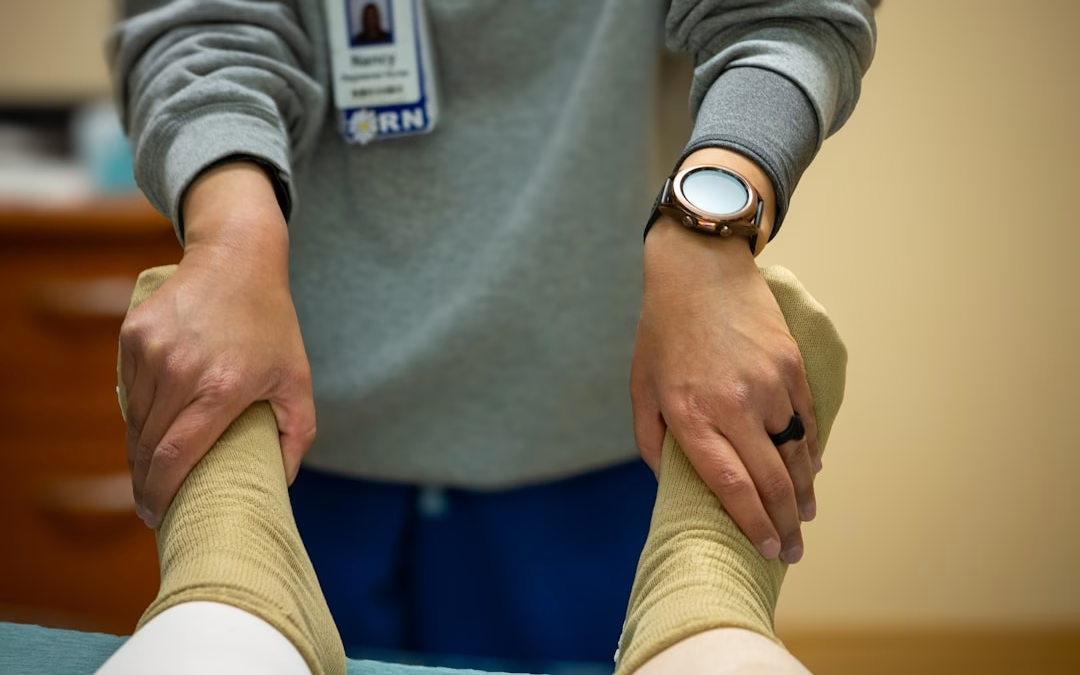
So, you want to know how to improve your foot health? The quickest answer is this: pay attention to your feet daily, treat them like they’re important, and don’t ignore pain. It sounds simple, but it’s often overlooked in our busy lives. Your feet are your foundation, literally carrying you through life, so a little proactive care goes a long way. This isn’t about miracle cures; it’s about practical steps you can take to keep your feet feeling good and functioning well.
Before diving into tips, let’s briefly touch on why your feet matter so much. They’re intricate structures, a masterpiece of engineering with 26 bones, 33 joints, and over 100 muscles, tendons, and ligaments in each foot. They absorb shock, propel you forward, and provide balance. When one part isn’t working correctly, it can throw off your entire body mechanics, leading to issues not just in your feet, but potentially your knees, hips, and back.
The Impact of Neglect
Ignoring foot pain or everyday discomfort isn’t a strategy; it’s a recipe for bigger problems down the line. A small blister can become infected, an ingrown toenail can lead to severe pain and even surgery, and persistent arch pain can signal more serious conditions. Our feet are constantly communicating with us, and knowing how to interpret those signals is key. Think of foot pain as a check engine light – it’s telling you something needs attention.
Common Foot Ailments We See
From bunions and hammertoes to plantar fasciitis and Achilles tendinitis, podiatrists see a wide range of issues. Many of these are preventable or can be managed effectively with early intervention and proper care. While some conditions are genetic, many are exacerbated by poor footwear, inadequate foot hygiene, or neglecting warning signs.
If you’re interested in maintaining overall health and wellness, you might find the article on the benefits of an off-grid lifestyle particularly intriguing. It explores how living off the grid can positively impact various aspects of your well-being, including foot health, which is often overlooked. For more insights, check out this related article on off-grid living: Unlock the Secrets of an Off-Grid Lifestyle.
Choosing the Right Footwear: Your Feet’s Best Friend
This is probably the single most important piece of advice I can give. Your shoes are not just a fashion statement; they are a critical piece of equipment for your feet. The wrong shoes can cause more problems than you can imagine.
Prioritizing Comfort and Support
When you buy shoes, don’t just think about how they look. Focus on how they feel. There should be adequate room in the toe box – no squishing your toes together. Your heel should feel secure, not slipping out with every step. Look for shoes that offer good arch support and cushioning, especially if you spend a lot of time on your feet.
The Importance of a Good Fit
Many people wear the wrong shoe size. Get your feet measured regularly, especially as you age, as foot size can change. Your size might even differ between your left and right foot. Shop for shoes in the afternoon when your feet are slightly swollen, mimicking their size after a day’s activity. Always try on both shoes and walk around the store a bit to ensure they feel comfortable from the get-go. There’s no such thing as “breaking them in” if they don’t feel right initially.
When to Replace Your Shoes
Shoes don’t last forever, even if they look okay on the outside. The internal support and cushioning break down over time. For active individuals, running shoes generally need replacing every 300-500 miles, or about 6 months, whichever comes first. For everyday shoes, if you notice increased foot or joint pain, or if the sole is visibly worn down, it’s probably time for a new pair.
Specific Footwear for Specific Activities
Wearing appropriate footwear for your activity is non-negotiable. Don’t run in walking shoes, and don’t play basketball in sandals. Each activity places different demands on your feet, and specialized footwear is designed to meet those demands, providing targeted support and protection.
Daily Foot Care Habits: Small Steps, Big Impact
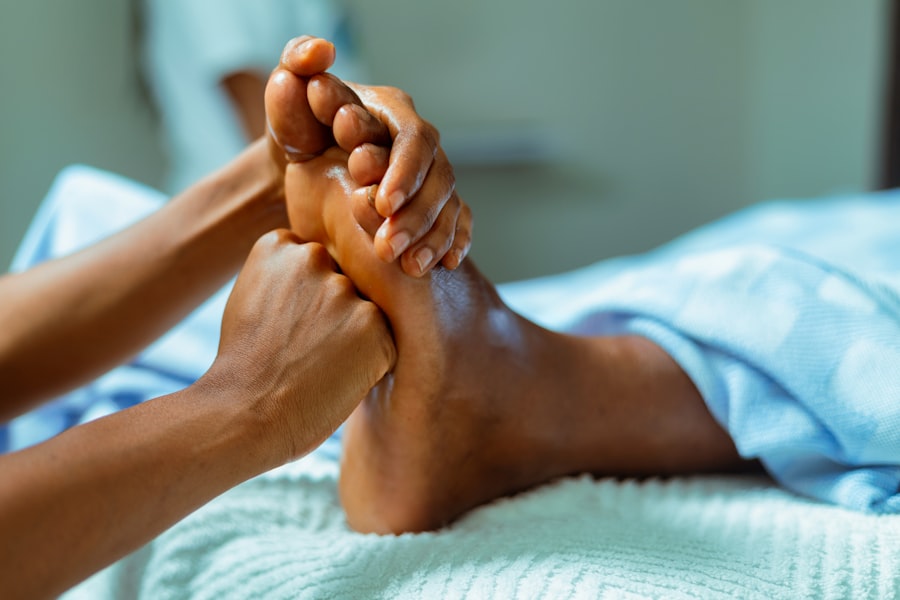
Taking a few minutes each day to care for your feet can prevent a host of problems and keep them feeling refreshed. Think of it like brushing your teeth – a routine that pays off.
Washing and Drying Thoroughly
This might sound like a no-brainer, but it’s often overlooked. Wash your feet daily with soap and water, paying close attention to the areas between your toes. More importantly, dry them thoroughly, especially between the toes. Moisture trapped there is an invitation for fungal infections like athlete’s foot.
Moisturizing for Healthy Skin
Dry, cracked skin on your heels isn’t just unsightly; it can be painful and lead to infections. After drying, apply a good quality moisturizer to your feet, but avoid applying it between your toes as this can trap moisture. Regular moisturizing keeps your skin supple and prevents cracks. Urea-based creams can be particularly effective for very dry or calloused skin.
Inspecting Your Feet Regularly
Make it a habit to look at your feet daily. Check for cuts, blisters, redness, swelling, changes in nail color, or any unusual growths. This is especially crucial for individuals with diabetes or compromised circulation, as they may not feel pain from injuries right away. Early detection of problems can prevent them from escalating.
Nail Care: More Than Just Aesthetics
Your toenails might seem minor, but improper care can quickly lead to painful problems.
Proper Trimming Technique
Always trim your toenails straight across. Do not cut them too short, and avoid rounding the corners. Cutting them too short or curving the edges too much can encourage ingrown toenails, a common and very painful issue. Use clean, sharp clippers designed for toenails.
Addressing Thick or Discolored Nails
If your toenails become thick, brittle, or discolored (yellow, brown, or black), don’t just ignore it. These can be signs of a fungal infection, which requires medical attention. Trying to treat it yourself with over-the-counter remedies often just delays proper diagnosis and treatment. Sometimes, thickening can also be due to trauma or other underlying conditions.
Avoiding “Bathroom Surgery”
Please, do not attempt to dig out ingrown toenails or excessively thick calluses yourself. This often leads to infection, more pain, and a worse problem than you started with. If you have a persistent ingrown toenail or a painful callus, see a podiatrist. We have the tools and expertise to address these issues safely and effectively.
If you’re interested in enhancing your overall well-being, you might find it beneficial to explore the connection between foot health and rural living. A recent article discusses essential tips for creating a comfortable country life, which can include taking care of your feet through proper footwear and regular visits to a podiatrist. For more insights on how to maintain a healthy lifestyle in a rural setting, check out this informative piece on top rural living essentials.
Movement and Strengthening: Keeping Your Feet Agile
| Metrics | Data |
|---|---|
| Number of Podiatrists in the US | 10,000+ |
| Median Annual Salary | 126,240 |
| Job Outlook | 5% growth (faster than average) |
| Education Required | Doctor of Podiatric Medicine (DPM) degree |
Your feet aren’t static structures; they need movement and strength just like any other part of your body. Neglecting foot exercises can lead to stiffness and weakened muscles, making them more prone to injury.
Simple Foot Exercises
Incorporating a few simple exercises into your routine can make a big difference. Try picking up marbles with your toes, doing calf raises, or stretching your toes and ankles. Writing the alphabet in the air with your foot can also help improve flexibility and range of motion. These don’t require special equipment and can be done during downtime.
Stretching for Flexibility
Tight calves and Achilles tendons are common culprits for foot pain, particularly conditions like plantar fasciitis. Regular stretching of your calves and the soles of your feet can significantly improve flexibility and reduce strain on your arch. Hold stretches for at least 30 seconds and repeat several times a day.
The Role of Orthotics (When Necessary)
While good shoes are foundational, sometimes your feet need a little extra help. Orthotics – custom-made or over-the-counter shoe inserts – can provide additional support, cushioning, or correct biomechanical imbalances. If you have chronic foot pain, flat feet, high arches, or other structural issues, a podiatrist can assess whether orthotics would benefit you and recommend the right type. It’s not a ‘one-size-fits-all’ solution.
Staying Active (Sensibly)
Regular physical activity is vital for overall health, and that includes your feet. However, gradually increase the intensity and duration of new activities to allow your feet to adapt. “Too much, too soon” is a common cause of injuries. Listen to your body; if something hurts, ease off or stop.
If you’re interested in the holistic approach to health and wellness, you might find it beneficial to explore how regenerative agriculture can impact overall well-being. A related article discusses the powerful methods of regenerative agriculture and their potential benefits for both the environment and personal health. You can read more about it here. Understanding these connections can enhance your knowledge of how various health practices, including those offered by podiatrists, can be influenced by broader ecological factors.
When to See a Podiatrist: Don’t Self-Diagnose
While these tips can go a long way, there are times when professional help is essential. Don’t play doctor with your feet, especially if pain persists or worsens.
Persistent Pain
If you experience foot pain that lasts for more than a few days, isn’t improving with rest, or is severe enough to limit your daily activities, it’s time to see a professional. Persistent pain often indicates an underlying issue that won’t resolve on its own.
Numbness, Tingling, or Swelling
Any sudden numbness, tingling, burning sensations, or unexplained swelling in your feet or ankles warrants a visit to the podiatrist. These can be signs of nerve damage, circulation problems, or other serious medical conditions.
Changes in Appearance
If you notice significant changes in the color, temperature, or shape of your foot, or changes in your toenails that don’t resolve with basic care (like severe discoloration, thickening, or crumbling), get it checked out.
Foot Injuries
For sprains, fractures (even minor ones), deep cuts, or any injury that causes severe pain or difficulty bearing weight, seek immediate medical attention. Don’t try to tough it out; proper diagnosis and treatment are crucial for correct healing.
If You Have Diabetes or Other Chronic Conditions
Individuals with diabetes, peripheral artery disease, or other conditions affecting circulation or nerve function should be particularly vigilant about daily foot checks and regular podiatric care. Even minor issues can quickly become serious complications in these cases. Regular check-ups with a podiatrist are highly recommended as part of your overall health management.
Taking care of your feet might seem like a small detail, but it’s a crucial component of your overall well-being and mobility. By incorporating these practical tips into your routine, you’re investing in a lifetime of comfortable, pain-free movement. Your feet work hard for you every single day; it’s time to return the favor.
