

If you’re dealing with anxiety, you’re definitely not alone. It’s a common experience, but that doesn’t make it any less impactful. The good news is, there are many practical ways to manage it, and finding relief often comes down to understanding what works best for you. This article will explore some actionable strategies you can integrate into your daily life to help dial down that anxious feeling.
Before we dive into solutions, let’s briefly touch on what anxiety is. It’s your body’s natural “fight or flight” response, designed to protect you from danger. The problem is, sometimes that alarm system gets a little oversensitive, triggering when there’s no real threat. This can manifest as racing thoughts, a pounding heart, shortness of breath, restlessness, and a general feeling of unease or dread. Recognizing these physical and mental cues is the first step towards managing them. You’re not “crazy” – your body is just trying to protect you, albeit a bit misguidedly sometimes.
The Role of Thoughts
Anxiety often thrives on catastrophic thinking. Our minds jump to worst-case scenarios, creating a seemingly endless loop of “what ifs.” Understanding that these thoughts are often just thoughts, not facts, is powerful. They can feel incredibly real and convincing, but they’re frequently exaggerated or imagined potentials rather than present realities.
The Physical Connection
It’s also worth noting the strong link between your mind and body. When you’re anxious, your body tenses up, your breathing becomes shallow, and your heart rate increases. This isn’t just uncomfortable; it can feed into the mental anxiety, creating a vicious cycle. Addressing the physical symptoms can often help calm the mental ones, and vice-versa.
If you’re interested in exploring how lifestyle changes can impact mental health, particularly anxiety, you might find this article on renewable energy solutions for homesteaders insightful. It discusses how adopting sustainable practices can lead to a more peaceful and fulfilling life, which may help alleviate anxiety. You can read more about it here: Renewable Energy Solutions for Homesteaders.
Practical Breathing Techniques
One of the quickest ways to calm your nervous system is through your breath. When you’re anxious, your breathing tends to be shallow and rapid. By deliberately slowing and deepening your breath, you signal to your body that you’re safe, which can help break the anxiety cycle.
Diaphragmatic (Belly) Breathing
This is your go-to technique. Instead of breathing into your chest, focus on breathing into your belly.
- How to do it: Lie down or sit comfortably. Place one hand on your chest and the other on your belly. Inhale slowly through your nose, feeling your belly rise (the hand on your chest should stay relatively still). Exhale slowly through your mouth, gently pushing the air out and feeling your belly fall.
- Practice: Start with a few minutes a day and gradually increase. It might feel awkward at first, but with practice, it becomes more natural. Aim for longer exhales than inhales, as this further activates your parasympathetic nervous system (the “rest and digest” system). Try inhaling for a count of 4, holding for 2, and exhaling for 6.
Square Breathing (Box Breathing)
This technique uses counts to create a steady rhythm, which can be very grounding.
- How to do it: Inhale slowly for a count of four. Hold your breath for a count of four. Exhale slowly for a count of four. Hold your breath for a count of four. Repeat.
- When to use it: This is excellent for short, intense bursts of anxiety or when you need to quickly refocus. It helps bring a sense of control and rhythm to your breathing.
Grounding Exercises
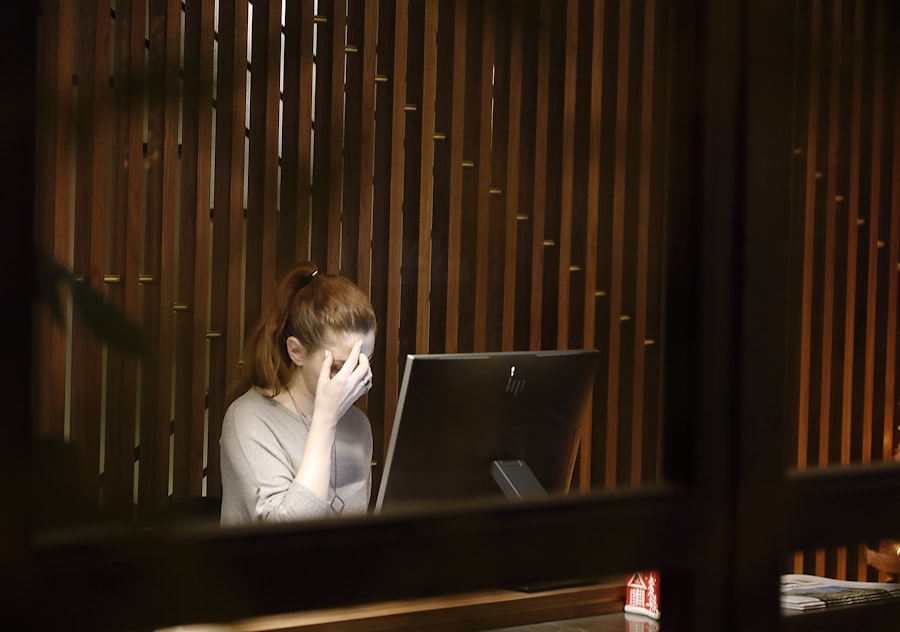
When anxiety makes you feel disconnected or overwhelmed, grounding exercises can bring you back to the present moment. They redirect your focus from anxious thoughts to your immediate physical surroundings.
The 5-4-3-2-1 Technique
This is a popular and effective grounding method.
- How to do it:
- 5: Acknowledge five things you can see around you. Notice details – colors, shapes, textures.
- 4: Acknowledge four things you can feel. The texture of your clothes, the chair beneath you, the temperature of the room.
- 3: Acknowledge three things you can hear. Distant traffic, your own breathing, the hum of a computer.
- 2: Acknowledge two things you can smell. Your coffee, a candle, the air itself.
- 1: Acknowledge one thing you can taste. The lingering taste of food, your saliva, a mint.
- Benefits: This systematic approach forces your attention outwards, away from internal anxious chatter. It’s discreet and can be done anywhere.
Physical Grounding
Sometimes you need a more physical connection to the present.
- How to do it:
- Press your feet into the floor: Feel the solidity beneath you. Notice the pressure, the texture, the weight.
- Hold an object: Pick up something small – a stone, a pen, a fidget toy. Focus on its weight, temperature, and texture in your hand.
- Mindful movement: Stand up and gently sway or stretch. Pay attention to how your muscles feel, the sensation of movement.
- When to use it: Great for moments of intense panic or when you feel disassociated or overwhelmed.
Lifestyle Adjustments That Matter

While breathing and grounding are immediate tools, some longer-term lifestyle changes can significantly reduce your overall anxiety levels. These aren’t quick fixes, but they build resilience over time.
Prioritizing Sleep
Lack of sleep can wreak havoc on your nervous system, making you more susceptible to anxiety. Think of it as charging your emotional battery.
- Create a consistent sleep schedule: Go to bed and wake up around the same time each day, even on weekends. This helps regulate your body’s natural sleep-wake cycle.
- Optimize your sleep environment: Make your bedroom dark, quiet, and cool.
- Wind-down routine: Avoid screens an hour before bed. Instead, read a book, listen to calming music, or take a warm bath.
- Watch caffeine and alcohol: These can disrupt sleep patterns, especially if consumed close to bedtime.
Movement and Exercise
Physical activity is a natural stress reliever. It releases endorphins, reduces stress hormones, and can improve sleep.
- Find what you enjoy: You don’t need to become a marathon runner. A brisk walk, dancing, yoga, swimming, or cycling can all be incredibly beneficial.
- Consistency over intensity: Aim for regular movement rather than sporadic, intense workouts. Even short bursts of activity can make a difference.
- Mindful movement: Try to be present during your exercise. Notice your breath, your body’s sensations, and the environment around you. This adds a meditative element.
Nutrition and Hydration
What you put into your body plays a role in how you feel, both physically and mentally.
- Balanced diet: Focus on whole foods, plenty of fruits and vegetables, lean proteins, and healthy fats. These provide the nutrients your brain needs to function optimally.
- Sugar and processed foods: High sugar intake can lead to energy crashes and mood swings, potentially exacerbating anxiety. Try to reduce processed foods.
- Stay hydrated: Dehydration can contribute to fatigue and irritability, which can heighten anxious feelings. Keep a water bottle handy.
- Consider omega-3s: Found in fatty fish, flaxseeds, and walnuts, omega-3 fatty acids are thought to support brain health and may play a role in mood regulation.
If you’re interested in exploring the connection between mental well-being and sustainable practices, you might find this article on permaculture particularly enlightening. It discusses how engaging with nature through permaculture can significantly reduce anxiety and promote a sense of peace. For more insights on this topic, you can read the article here: discover the power of permaculture.
Managing Anxious Thoughts
| Category | Metrics |
|---|---|
| Prevalence | Approximately 31% of adults will experience an anxiety disorder at some point in their lives. |
| Impact | Anxiety disorders are the most common mental illness in the U.S., affecting 40 million adults in the United States age 18 and older. |
| Symptoms | Common symptoms of anxiety include excessive worrying, restlessness, fatigue, and difficulty concentrating. |
| Treatment | Treatment options for anxiety disorders include therapy, medication, and lifestyle changes such as exercise and stress management. |
Anxiety often comes with a relentless stream of negative or worrying thoughts. Learning to observe and reframe these thoughts is a crucial skill.
Thought Challenging
Instead of accepting anxious thoughts as truth, question them.
- Ask “what’s the evidence?”: Is there concrete proof for this thought, or am I just assuming the worst?
- Consider alternative explanations: Is there another way to look at this situation? What’s a more balanced or realistic perspective?
- What’s the worst that could happen, and can I cope? Often, the worst-case scenario isn’t as catastrophic as our anxiety makes it out to be, and we likely have coping mechanisms.
- Is this thought helpful? Even if it’s true, is dwelling on it serving me right now, or is it just causing more distress?
Scheduling Worry Time
This might sound counterintuitive, but dedicating a specific, limited time to worry can help contain it.
- How to do it: Choose a 15-20 minute slot each day (e.g., 5 PM) for “worry time.” If an anxious thought pops up outside this time, briefly acknowledge it and tell yourself, “I’ll think about this during my worry time.”
- During worry time: Sit down and actively think about all your worries. Write them down. Brainstorm solutions if possible.
- Benefits: This teaches your brain that there’s a designated time for worrying, helping to reduce its intrusive nature throughout the rest of the day.
Mindfulness and Acceptance
Mindfulness is about being present without judgment. It’s not about stopping anxious thoughts, but about observing them without getting caught up in them.
- Practicing mindfulness: This can be through formal meditation, but also by simply paying attention to everyday activities. Notice the sensations of eating, walking, or drinking a cup of tea.
- Acceptance: Instead of fighting or resisting anxiety, which often makes it stronger, try to acknowledge its presence. “I am feeling anxious right now, and that’s okay.” This doesn’t mean you like it, but you’re not adding extra stress by battling it. This shift can be profound.
Anxiety can often feel overwhelming, but exploring holistic approaches may provide some relief. For those interested in natural methods to manage anxiety, a related article discusses the benefits of holistic farming techniques and their impact on mental well-being. By connecting with nature and understanding the cycles of life, individuals can find a sense of peace and grounding. To learn more about these approaches, you can read the article here: Unlock the Power of Holistic Farming Approaches.
Seeking External Support
While self-help strategies are incredibly valuable, sometimes you need a little extra help. There’s no shame in seeking professional guidance.
Therapy Options
Different types of therapy can be highly effective in managing anxiety.
- Cognitive Behavioral Therapy (CBT): This is often considered the gold standard for anxiety. It helps you identify and change negative thought patterns and behaviors that contribute to anxiety. CBT is very practical and focuses on present-day solutions.
- Acceptance and Commitment Therapy (ACT): ACT helps you accept difficult thoughts and feelings rather than battling them, while also committing to actions that align with your values.
- Exposure Therapy: Often used for specific phobias or panic disorder, this involves gradually exposing yourself to feared situations in a safe and controlled environment to reduce avoidance behaviors.
When to Consider Medication
For some people, medication can be a helpful tool, especially when anxiety is severe and impacting daily life.
- Consult a doctor: This is a conversation you should absolutely have with your primary care physician or a psychiatrist. They can discuss options, potential side effects, and determine if medication is appropriate for your situation.
- Not a standalone solution: Medication is typically most effective when used in conjunction with therapy and lifestyle changes. It can help reduce the intensity of symptoms, making it easier to engage in therapeutic work.
Building a Support Network
Connecting with others who understand what you’re going through can be incredibly validating.
- Talk to trusted friends or family: Sharing your experiences can lessen the burden and help you feel less alone.
- Join support groups: Online or in-person anxiety support groups provide a safe space to share and learn from others’ experiences.
- Remember, you don’t have to go through this alone. Reach out.
Managing anxiety is an ongoing process, not a one-time fix. There will be good days and challenging days. The key is to build a toolkit of strategies that you can draw upon, staying curious about what works best for you, and being kind to yourself along the way. Be patient, practice consistently, and remember that even small steps can lead to significant relief.
