

Ear infections can be a real bummer, right? That throbbing pain, the muffled hearing – it’s enough to make anyone miserable. But the good news is, there are effective ways to tackle them. Whether it’s a quick fix you’re after or you’re curious about the different routes to healing, this guide is designed to walk you through the common and effective treatment options. We’ll break down what doctors typically recommend and what you can do at home to help ease the discomfort.
Before diving into treatments, a quick chat about what causes ear infections makes a lot of sense. Most ear infections, especially in kids, are caused by bacteria or viruses making their way into the middle ear. This usually happens after a cold or other upper respiratory infection, where the Eustachian tube (the little tube connecting your middle ear to the back of your throat) gets blocked and inflamed. When that tube is clogged, fluid can build up in the middle ear, creating a perfect breeding ground for germs.
The Anatomy of an Ear Ache
It’s helpful to visualize where the trouble brews. The outer ear is what you see. The middle ear is a tiny, air-filled space behind your eardrum. This is where those small bones that help you hear are located. The inner ear is deeper inside and is responsible for both hearing and balance. Most common ear infections, the ones that cause that classic earache, happen in the middle ear. This is often called otitis media.
Bacterial vs. Viral: Why It Matters
Knowing whether your infection is bacterial or viral is key to choosing the right treatment. Doctors often can’t tell for sure without further tests, but generally, viral infections tend to resolve on their own, while bacterial ones might need a little more help. This distinction is crucial because antibiotics only work against bacteria, not viruses.
If you’re looking for effective ways to support ear infection treatment, you might find it helpful to explore holistic approaches that can complement traditional methods. A related article that discusses various health strategies can be found here: Explore the Best Food Preservation Techniques. This resource offers insights into maintaining overall health, which can be beneficial when addressing issues like ear infections.
When to Seek Professional Help: Don’t Wait It Out
While some minor ear discomfort might ease up on its own, it’s really important to know when it’s time to call in a doctor. Persistent pain, fever, or any changes in hearing definitely warrant a visit. Don’t risk a mild infection becoming a bigger problem.
Red Flags: Signs You Need a Doctor
- Severe pain: If the pain is intense and doesn’t improve with over-the-counter pain relievers.
- High fever: A fever over 102°F (39°C) is a sign to be concerned.
- Fluid draining from the ear: This could indicate a ruptured eardrum, which needs medical attention.
- Hearing loss: Any noticeable decrease in hearing, especially if it persists.
- Swelling or redness behind the ear: This could signal a more serious complication.
- Symptoms in infants and young children: Babies and toddlers can’t always communicate their pain clearly, so look out for tugging at the ear, irritability, and difficulty sleeping.
The Doctor’s Visit: What to Expect
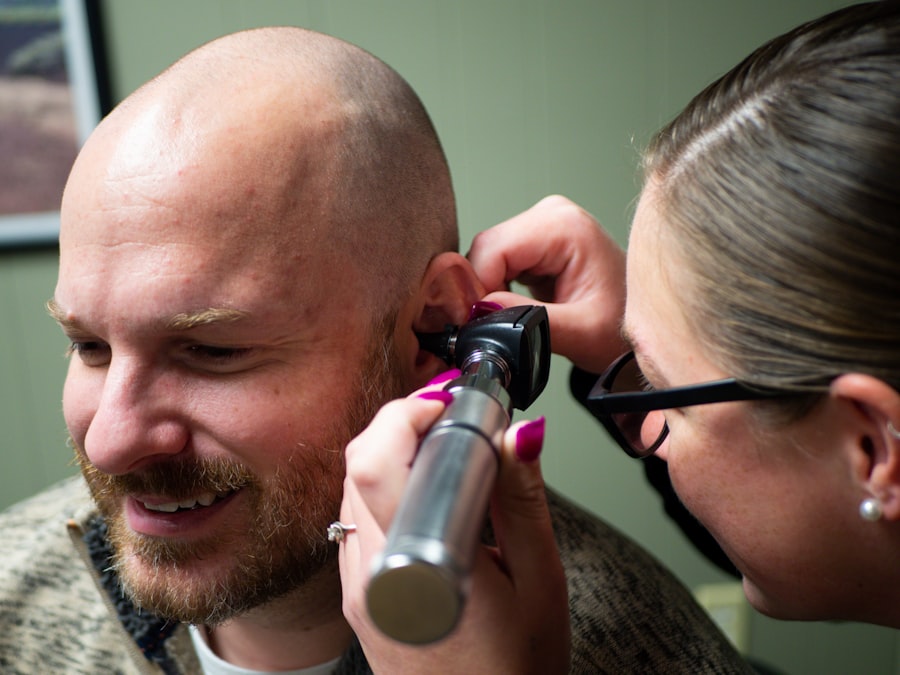
When you see your doctor, they’ll likely use an otoscope to look inside your ear. This tool allows them to see your eardrum and check for signs of inflammation, fluid buildup, or pus. They might also ask about your symptoms, how long you’ve had them, and if you’ve been sick recently. In some cases, they might recommend a hearing test or a sample of fluid from the ear.
Antibiotics: The Go-To for Bacterial Infections
For confirmed bacterial ear infections, antibiotics are usually the first line of defense. Your doctor will prescribe the right type and dosage based on the likely culprit and your medical history. It’s really important to complete the entire course of antibiotics, even if you start feeling better, to ensure the infection is fully cleared and to prevent antibiotic resistance.
Common Antibiotic Choices
- Amoxicillin: This is often the first antibiotic doctors prescribe for ear infections, especially in children. It’s effective against many common bacteria that cause ear infections.
- Augmentin (Amoxicillin-Clavulanate Potassium): If amoxicillin isn’t working or if there’s a history of resistant bacteria, this combination might be used. The clavulanate potassium helps make the amoxicillin more effective.
- Azithromycin (Z-Pak): This antibiotic is taken for a shorter course and can be a good option for people with penicillin allergies.
- Cephalosporins (e.g., Cefdinir, Cefuroxime): These are another class of antibiotics that can be used, particularly if there’s a need to avoid other types.
Taking Your Antibiotics: Dos and Don’ts
- Do: Take the full course as prescribed.
- Do: Take with food if it causes stomach upset.
- Don’t: Stop early just because you feel better.
- Don’t: Share your antibiotics with anyone else.
- Don’t: Save leftover antibiotics for future infections.
Pain Management: Easing the Discomfort
While antibiotics fight the infection, managing the pain is crucial for comfort. Over-the-counter pain relievers are your best friends here.
Over-the-Counter Pain Relievers
- Acetaminophen (Tylenol): This is a good option for reducing pain and fever. Be sure to follow the dosage instructions carefully, especially for children, as overdose can be dangerous.
- Ibuprofen (Advil, Motrin): This works as both a pain reliever and an anti-inflammatory, which can be particularly helpful for ear infection pain. Again, adhere strictly to the recommended dosages.
At-Home Comfort Measures
- Warm Compress: Applying a warm, damp cloth to the outside of the ear can sometimes provide soothing relief. Just make sure it’s not too hot to avoid burns.
- Elevating the Head: Sleeping with your head slightly elevated can help reduce pressure in the ear. A couple of extra pillows can do the trick.
- Rest: Your body needs energy to fight off infection. Getting plenty of rest is essential for a speedy recovery.
- Hydration: Staying well-hydrated helps keep your body functioning optimally and can thin mucus, which might ease congestion that contributes to ear issues.
If you’re looking for effective strategies to manage ear infections, you might find it helpful to explore a related article that discusses various treatment options and home remedies. This resource provides valuable insights into natural approaches that can complement conventional treatments. For more information, you can check out the article on ear infection treatment to enhance your understanding of holistic health practices.
Non-Antibiotic Approaches: When the Cause Isn’t Bacterial
| Treatment | Success Rate | Duration |
|---|---|---|
| Antibiotics | 80% | 7-10 days |
| Pain relievers | 60% | Varies |
| Ear drops | 70% | 7-10 days |
Not all ear infections require antibiotics. In many cases, especially if it’s suspected to be viral or if the doctor is observing a mild case, a “watchful waiting” approach might be recommended.
Watchful Waiting: The Doctor’s Observation Period
This is when your doctor suggests monitoring the infection for a few days to see if it resolves on its own. They might ask you to come back for a re-evaluation. This approach is often used for mild cases, particularly in older children, to avoid unnecessary antibiotic use, which can lead to resistance.
Myringotomy and Ear Tubes: For Recurring Infections
For individuals who experience frequent ear infections, a surgical procedure called a myringotomy might be considered. This involves making a small incision in the eardrum to drain fluid and relieve pressure. In many cases, tiny tubes, called tympanostomy tubes or ear tubes, are inserted into the incision. These tubes help ventilate the middle ear and prevent fluid buildup, significantly reducing the recurrence of infections.
How Ear Tubes Work
Ear tubes are small, hollow cylinders that are placed into the eardrum. They act like tiny chimneys, allowing air to circulate into the middle ear and draining any accumulated fluid. This prevents the conditions that allow bacteria and viruses to thrive. They typically stay in place for several months to a year or more and then fall out on their own.
If you’re looking for effective ways to manage ear infections, you might find it helpful to explore related treatments and remedies. A comprehensive guide on holistic approaches can provide valuable insights into natural methods for healing. For more information, you can check out this article on holistic health practices that may complement traditional treatments and promote overall wellness.
Natural and Home Remedies: Supportive Care
While these shouldn’t replace medical advice, some natural and home remedies can offer supportive care and help manage symptoms. Always discuss any new remedies with your doctor, especially for children.
Soothing Drops and Oils
- Garlic Oil: Some people find that a few drops of warmed garlic oil (made by infusing garlic in a carrier oil like olive oil) can help soothe ear pain. Important: Ensure the oil is lukewarm, not hot, and that the eardrum is not perforated. Never insert anything into the ear if you suspect a ruptured eardrum.
- Olive Oil: Gently warmed olive oil can also be applied to the outer ear for a soothing effect. Again, temperature is key!
Steam Inhalation
Taking a steamy shower or using a humidifier can help loosen congestion in the nasal passages and throat, which in turn can help the Eustachian tubes to drain better. This is particularly useful if the ear infection is accompanied by cold symptoms.
Nasal Saline Sprays
For congestion, saline nasal sprays can help clear nasal passages. When your nose is clear, it can help your Eustachian tubes function better.
Preventing Future Ear Infections: What You Can Do
Once you’ve dealt with an ear infection, you’ll likely want to minimize the chances of another one. A few preventative measures can go a long way.
Hygiene Practices
- Hand Washing: Regular and thorough hand washing is a cornerstone of preventing the spread of germs that lead to colds and other infections that can trigger ear problems.
Lifestyle Adjustments
- Avoid Smoking Exposure: Secondhand smoke is a major irritant for the respiratory system and can significantly increase the risk of ear infections, especially in children.
- Healthy Diet: A balanced diet rich in vitamins and minerals supports a strong immune system, helping your body fight off infections more effectively.
- Vaccinations: Keeping up-to-date with vaccinations, such as the flu shot and the pneumococcal vaccine, can reduce the risk of infections that often lead to ear infections.
Understanding Triggers
- Allergies: Sometimes, allergies can contribute to Eustachian tube dysfunction. If you suspect allergies are playing a role, talk to your doctor about allergy management.
- Pacifier Use: For infants, prolonged pacifier use, especially after the age of one, has been linked to an increased risk of ear infections.
Dealing with an ear infection can be a pain, but knowing your options and when to seek medical advice can make a big difference. From antibiotics to home care and even surgical interventions for persistent issues, there are effective ways to get relief and get back to feeling like yourself. Remember, your doctor is your best resource for diagnosing and treating ear infections, so don’t hesitate to reach out if you’re concerned.
