

Let’s talk about ways to feel a bit better, day to day. You don’t need a complete overhaul or a magic bullet to boost your health. Often, it’s the small, consistent things that make a real difference. This guide is about those practical, no-fuss steps you can weave into your life without it feeling like a chore.
We all know we should drink water, but understanding why and how much can be the difference between feeling sluggish and feeling… well, more like yourself. Water is the unsung hero of our bodily functions.
Why Water is Your Best Friend
Think of your body as a complex machine. Water is the lubricant, the coolant, and the delivery system for everything important. It’s involved in
- Digestion: Water helps break down food so your body can absorb nutrients. Without enough, things can get… stuck.
- Temperature Regulation: When you get hot, you sweat. That sweat is mostly water, and its evaporation cools you down.
- Nutrient Transport: Water carries vitamins, minerals, and glucose to your cells, keeping them energized.
- Waste Removal: Your kidneys need water to filter waste products from your blood and excrete them.
- Joint Health: Water lubricates your joints, allowing them to move smoothly and reducing friction.
- Skin Health: Dehydration can make your skin look dull and dry. Staying hydrated helps maintain its elasticity and plumpness.
How Much is Enough?
This is where it gets a little individual, but there are general guidelines. The old “eight glasses a day” is a decent starting point, but it’s not a hard and fast rule for everyone.
Factors Influencing Your Needs
Your daily water intake depends on a few things:
- Activity Level: If you’re exercising or doing strenuous physical work, you’ll sweat more and need to replace those fluids.
- Climate: Hot and humid weather means more fluid loss through sweat.
- Diet: Foods with high water content (like fruits and vegetables) contribute to your intake. Salty or high-fiber foods might require more water to process.
- Health Status: Certain medical conditions or medications can affect your hydration needs. If you’re unsure, it’s always worth a quick chat with your doctor.
Practical Ways to Stay Hydrated
Making water a habit is easier than you think.
- Keep a Reusable Bottle Handy: This is probably the most impactful tip. Having water within reach makes it easy to sip throughout the day. Find one you like the feel of.
- Start Your Day with Water: Before coffee or anything else, have a glass. It’s a great way to rehydrate after sleeping.
- Sip Between Meals: Instead of trying to chug a liter at once, aim for consistent sips throughout the day.
- Flavor It Up (Naturally): If plain water feels boring, try adding slices of cucumber, lemon, lime, or berries. It adds a subtle taste without added sugar.
- Eat Your Water: Incorporate water-rich foods like watermelon, strawberries, cucumber, oranges, and lettuce into your meals.
For those interested in improving their health through sustainable practices, the article on embracing the homesteading lifestyle offers valuable insights. By adopting techniques that promote self-sufficiency and a closer connection to nature, individuals can enhance their overall well-being. To learn more about how homesteading can positively impact your health, check out this informative piece at Embracing the Homesteading Lifestyle: A Guide to Sustainable Living.
Moving More: Finding Your Rhythm
“Exercise” can sound intimidating, conjuring images of grueling gym sessions. But boosting your movement is about incorporating more activity into your day, not necessarily becoming an athlete overnight.
It Doesn’t Have to Be Intense to Be Beneficial
The biggest hurdle for many is the idea that you need to break a sweat or feel exhausted for it to count. That’s simply not true. Consistent, moderate movement has a huge impact.
The Benefits of Simple Movement
- Improved Mood: Physical activity releases endorphins, which are natural mood boosters.
- Better Sleep: Regular movement can help you fall asleep faster and enjoy deeper, more restful sleep.
- Increased Energy Levels: Paradoxically, expending energy through movement actually gives you more energy in the long run.
- Stronger Muscles and Bones: Even gentle activity helps maintain muscle mass and bone density, crucial as we age.
- Reduced Risk of Chronic Diseases: Regular movement is a powerful tool in preventing conditions like heart disease, type 2 diabetes, and certain cancers.
Finding Your “Movement Sweet Spot”
The key here is to find activities you genuinely enjoy, or at least tolerate enough to do them consistently.
Low-Impact Options
- Walking: This is the king of accessible movement. Aim for a brisk pace where you can still hold a conversation, but your breathing has increased.
- Stretching/Yoga: Improves flexibility, reduces muscle tension, and can be incredibly calming. Many great online resources cater to different levels.
- Dancing: Put on some music you love and just move! It’s fun and a great cardiovascular workout.
- Gardening: Believe it or not, digging, planting, and weeding can be surprisingly physical.
- Swimming: Gentle on the joints and a full-body workout.
Incorporating Movement into Your Day
You don’t need dedicated “workout time” to increase your activity.
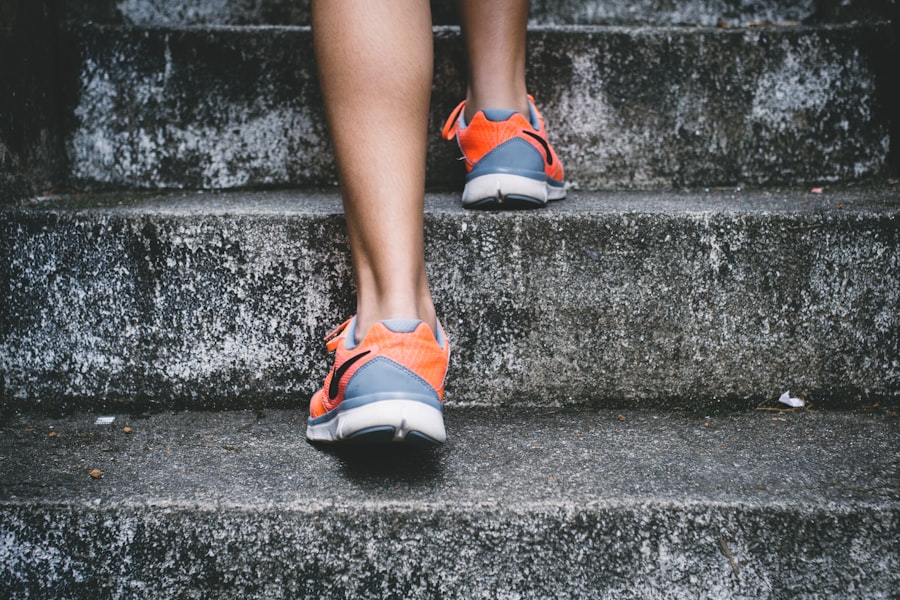
- Take the Stairs: Whenever possible, skip the elevator.
- Park Further Away: Make your journey to the store or office a bit longer.
- Walk During Breaks: Instead of scrolling on your phone during a work break, take a short walk.
- Set Movement Reminders: If you have a desk job, set a timer to get up and move around for a few minutes every hour.
- Active Chores: Approach household tasks with a bit more energy.
Nourishing Your Body: Food as Fuel, Not Just a Treat

What we eat has a direct impact on how we feel, think, and function. It’s less about strict diets and more about making mindful choices that provide your body with the energy and nutrients it needs.
Focus on Whole Foods
“Whole foods” are foods that are as close to their natural state as possible. Think fruits, vegetables, lean proteins, whole grains, and healthy fats.
The Power of Plants
- Fruits and Vegetables: These are packed with vitamins, minerals, fiber, and antioxidants. Aim for a variety of colors to get a broad range of nutrients.
- Whole Grains: Oats, quinoa, brown rice, and whole wheat bread offer sustained energy and fiber, which aids digestion and keeps you feeling full.
- Lean Proteins: Chicken, fish, beans, lentils, and tofu provide the building blocks for your body’s tissues and help with satiety.
- Healthy Fats: Avocados, nuts, seeds, and olive oil are important for brain health, hormone production, and absorbing certain vitamins.
What to “Lessen” Rather Than “Eliminate”
Instead of thinking about what you can’t have, consider what you can reduce.
Understanding Processing
Highly processed foods often contain high amounts of added sugar, unhealthy fats, and sodium, while being low in essential nutrients.
- Sugary Drinks: Sodas, juices, and sweetened coffees are easy sources of empty calories.
- Ultra-Processed Snacks: Packaged cookies, chips, and candies often offer little nutritional value.
- Refined Grains: White bread, white pasta, and white rice lack the fiber and nutrients found in their whole-grain counterparts.
- Excessive Red and Processed Meats: While they can be part of a diet, moderating intake is generally recommended for long-term health.
Practical Eating Habits
Making better food choices doesn’t mean you have to become a gourmet chef or deny yourself pleasures.
- Plan Your Meals (Loosely): Having a general idea of what you’ll eat can prevent last-minute unhealthy choices.
- Grocery Shop Smart: Fill your cart with produce, lean proteins, and whole grains. These should form the bulk of your purchases.
- Cook More at Home: This gives you control over ingredients and portion sizes. Even simple meals are often healthier than takeout.
- Listen to Your Body: Eat when you’re hungry and stop when you’re comfortably full. This mindful eating approach can prevent overeating.
- Don’t Deprive Yourself: If you have a craving for something less healthy, allow yourself a small portion. The key is moderation, not complete restriction, which can backfire.
Sleep: Your Body’s Essential Recharge Time
We often treat sleep as a luxury, something that gets sacrificed when life gets busy. But it’s a fundamental pillar of our health, as important as food or water.
Why Quality Sleep is Non-Negotiable
During sleep, your body and mind are incredibly active, working to repair, restore, and consolidate.
What Happens While You Sleep
- Muscle Repair: Your body releases growth hormone, which aids in tissue repair and muscle growth.
- Brain Consolidation: Memories are processed and stored, and toxins are cleared from the brain.
- Hormone Regulation: Sleep plays a crucial role in regulating hormones that control appetite, stress, and growth.
- Immune System Strengthening: Your immune system produces protective proteins during sleep, helping you fight off illness.
The Impact of Sleep Deprivation
Skimping on sleep doesn’t just make you tired; it has widespread negative effects.
- Impaired Cognitive Function: Difficulty concentrating, reduced problem-solving skills, and poor decision-making.
- Mood Swings and Irritability: Lack of sleep can significantly affect your emotional stability.
- Weakened Immune System: You become more susceptible to colds and other infections.
- Increased Risk of Chronic Diseases: Long-term sleep deprivation is linked to heart disease, diabetes, and obesity.
- Weight Gain: Sleep influences hormones that regulate appetite, making you more likely to crave unhealthy foods when tired.
Cultivating Better Sleep Habits
Improving your sleep often comes down to creating a consistent and conducive environment.
- Stick to a Schedule: Go to bed and wake up around the same time each day, even on weekends, as much as possible. This helps regulate your body’s natural sleep-wake cycle (circadian rhythm).
- Create a Relaxing Bedtime Routine: This signals to your body that it’s time to wind down. Think reading a book, taking a warm bath, or listening to calming music. Avoid screens with blue light for at least an hour before bed.
- Optimize Your Sleep Environment:
- Darkness: Make your bedroom as dark as possible. Blackout curtains can be a game-changer.
- Quiet: Use earplugs or a white noise machine if outside sounds are disruptive.
- Cool Temperature: Most people sleep best in a slightly cool room.
- Watch Your Intake Before Bed:
- Caffeine: Avoid caffeine in the late afternoon and evening.
- Alcohol: While it might make you feel sleepy initially, alcohol disrupts sleep quality.
- Heavy Meals: Try not to eat large, heavy meals close to bedtime.
- Consider Your Mattress and Pillows: Ensure they are comfortable and supportive.
Exploring the benefits of regenerative agriculture can significantly impact our health and the environment. For instance, a recent article discusses how these sustainable practices not only enhance soil health but also improve the nutritional quality of the food we consume. If you’re interested in learning more about this connection, you can read the full article on the topic here. By understanding the relationship between agriculture and health, we can make more informed choices about the food we eat and its effects on our well-being.
Mindfulness and Stress Management: Calming the Inner Noise
“`html
| Category | Metric | Value |
|---|---|---|
| Physical Health | Body Mass Index (BMI) | 24.5 |
| Mental Health | Stress Level | 3.5 (on a scale of 1-10) |
| Exercise | Weekly Workout Hours | 5 hours |
| Nutrition | Vegetable Servings per Day | 4 servings |
“`
In today’s fast-paced world, it’s easy to feel overwhelmed and stressed. Learning to manage stress and cultivate a sense of calm is crucial for both mental and physical well-being.
Understanding Your Stress Triggers
The first step is to become aware of what actually stresses you out.
Identifying Common Stressors
- Work Demands: Tight deadlines, heavy workload, difficult colleagues.
- Financial Worries: Bills, debt, job insecurity.
- Relationship Issues: Conflicts with partners, family, or friends.
- Health Concerns: Personal health problems or those of loved ones.
- World Events: News cycles and global uncertainty can take a toll.
Once you’ve identified your triggers, you can start to develop strategies to cope.
Practical Stress Management Techniques
These are not about eliminating stress entirely, but about building resilience and finding moments of peace.
Simple Practices for Daily Life
- Deep Breathing Exercises: When you feel overwhelmed, take a few slow, deep breaths. Inhale deeply through your nose, hold for a moment, and exhale slowly through your mouth. This can calm your nervous system almost instantly.
- Mindful Moments: Take 1-2 minutes to focus on your senses. What do you see, hear, smell, taste, and feel? This can ground you in the present moment.
- Spending Time in Nature: Even a short walk in a park can be incredibly restorative. Pay attention to the sights and sounds around you.
- Engaging in Hobbies: Doing something you enjoy, whether it’s painting, playing music, or building things, can be a great escape and a stress reliever.
- Journaling: Writing down your thoughts and feelings can help you process them and gain clarity. It doesn’t have to be profound; just get it out.
- Setting Boundaries: Learning to say “no” to requests that will overload you is a crucial skill for managing stress. It’s not selfish; it’s self-preservation.
- Seek Social Support: Talking to friends, family, or a therapist can provide an outlet and perspective.
The Role of Mindfulness
Mindfulness is about paying attention to the present moment without judgment. It’s not about emptying your mind, but about noticing what’s happening within and around you.
Bringing Mindfulness into Your Day
- Mindful Eating: Pay attention to the taste, texture, and smell of your food. Eat slowly and savor each bite.
- Mindful Walking: As mentioned before, focus on the sensation of your feet hitting the ground, the movement of your body, and your surroundings.
- Mindful Listening: When someone is speaking, try to give them your full attention without planning your response.
- Body Scan Meditation: Simply bring your attention to different parts of your body, noticing any sensations without trying to change them. There are many guided body scan meditations available online.
By incorporating these simple, practical tips into your daily life, you can gradually build a foundation of better health, feeling more energized, balanced, and ready to face whatever comes your way. Remember, consistency over intensity is the key.
