

Balancing your lifestyle for better wellness isn’t about perfection; it’s about making sustainable choices that genuinely support your physical and mental health. Think of it less as a rigid diet or exercise plan and more as thoughtfully integrating practices into your daily routine that make you feel good, inside and out. It’s about finding that sweet spot where healthy habits become second nature, and you don’t feel like you’re constantly fighting against yourself. Essentially, it’s about crafting a life that naturally fosters well-being without feeling like a never-ending chore.
Before you can start making improvements, it’s helpful to take an honest look at where you’re at right now. This isn’t about judgment, but about gaining clarity. What are your current habits, both good and not-so-good? What feels easy, and what feels like a struggle?
Reflecting on Your Daily Routine
Try jotting down a typical day. What time do you wake up? What do you eat for each meal and snack? How much movement do you get? How do you manage stress? Do you feel rushed, or do you have moments of calm? This snapshot can highlight areas that might need a little tweaking. Look for patterns – perhaps you always skip breakfast, or your evenings are dominated by screen time.
Identifying Key Stressors
Stress is a significant drain on wellness. Pinpointing what specifically causes you stress can be incredibly empowering. Is it work demands, financial worries, relationship challenges, or simply the feeling of being overwhelmed? Once you know the source, you can start exploring strategies to either mitigate the stressor or change your reaction to it. Sometimes, just naming the stressor can reduce its power.
Acknowledging Your Strengths and Weaknesses
Everyone has areas where they naturally excel and others where they find it harder to maintain consistency. Maybe you’re great at exercising but struggle with getting enough sleep. Or perhaps you’re a fantastic cook but find it hard to carve out time for mental relaxation. Recognizing these allows you to leverage your strengths and focus your energy on shoring up your weaknesses without getting discouraged. It’s about building on what you already do well.
For those interested in enhancing their lifestyle wellness through mindful eating and sustainable practices, a great resource is the article on preserving fruits and vegetables. This piece offers valuable tips for maintaining the freshness and nutritional value of your harvest, which can contribute significantly to a healthier diet. You can read more about it here: Preserve Your Harvest: Tips for Preserving Fruits and Veggies.
Nourishing Your Body: Beyond Just Food
When we talk about nourishing your body, food is certainly a big part of it, but it’s not the only piece of the puzzle. It also encompasses how you move and how you hydrate. These three elements work together to fuel your physical well-being.
Mindful Eating Habits
This isn’t about restrictive diets, but rather about developing a healthier relationship with food. It’s about listening to your body’s hunger and fullness cues, choosing foods that make you feel good, and enjoying your meals without distraction.
Prioritizing Whole Foods
Focus on incorporating more whole, unprocessed foods into your diet. Think fruits, vegetables, lean proteins, and whole grains. These foods provide essential nutrients and fiber, supporting energy levels and overall health. They are the building blocks your body needs to function optimally. It’s not about never eating a treat, but about making whole foods the majority of what you consume.
Hydration as a Foundation
Water is crucial for almost every bodily function. Often, we mistake thirst for hunger. Making sure you’re adequately hydrated throughout the day can impact your energy levels, digestion, skin health, and even your mood. Keep a water bottle handy and sip regularly. Infuse it with fruit if you find plain water boring.
Listening to Your Body’s Cues
Pay attention to how different foods make you feel. Do some foods leave you feeling sluggish, while others energize you? Are you genuinely hungry, or are you eating out of boredom or stress? Developing this awareness is a cornerstone of mindful eating. It’s about becoming an expert on your own body’s needs and responses.
Movement That Matters
Movement doesn’t have to mean intense gym sessions. It simply means finding ways to incorporate physical activity into your day that you genuinely enjoy and that serve your body. The best exercise is the one you’ll actually do consistently.
Finding Joy in Movement
Explore different types of physical activity until you find something that resonates with you. Whether it’s dancing, hiking, cycling, swimming, gardening, or a brisk walk with a friend. When you enjoy it, it stops feeling like a chore and becomes a source of pleasure and stress relief. This enjoyment is key to long-term adherence.
Incorporating Daily Activity
Look for opportunities to move more throughout your day, even if it’s in small bursts. Take the stairs instead of the elevator, park further away, walk during your lunch break, or do a few stretches while waiting for coffee. These small additions add up over time and combat the effects of a sedentary lifestyle.
Rest and Recovery
Pushing your body without adequate rest can lead to burnout and injury. Make sure to schedule rest days into your routine. This doesn’t mean being entirely inactive, but rather choosing lower-intensity activities to allow your muscles to repair and recover. Sleep is also a critical component of physical recovery.
Cultivating Mental and Emotional Well-being

Your mind and emotions play a huge role in your overall wellness. Neglecting them can impact your physical health, your relationships, and your ability to navigate daily challenges. This area is about building resilience and finding peace.
Stress Management Techniques
Stress is inevitable, but how you manage it can make all the difference. Developing a personal toolkit of stress-reduction strategies is incredibly valuable.
Mindfulness and Meditation
Even a few minutes of mindfulness or meditation each day can significantly reduce stress and improve focus. Simple breathing exercises, body scans, or guided meditations can help center your mind and bring you back to the present moment. There are many apps and free resources available to get you started.
Journaling for Clarity
Writing down your thoughts and feelings can be a powerful way to process emotions, identify patterns, and gain perspective. It doesn’t have to be formal; even a few bullet points about how you’re feeling can be beneficial. It helps get things out of your head and onto paper, often leading to a sense of relief.
Hobbies and Creative Outlets
Engaging in activities you enjoy purely for the sake of pleasure can be a powerful stress reliever. Whether it’s painting, playing an instrument, gardening, reading, or crafting, hobbies provide a much-needed break from daily demands and stimulate different parts of your brain.
Prioritizing Quality Sleep
Sleep is not a luxury; it’s a fundamental biological need. Chronic sleep deprivation can impact everything from your mood and focus to your immune system and metabolic health.
Creating a Bedtime Routine
Just like children, adults benefit from a consistent bedtime routine. This signals to your body that it’s time to wind down. This might include a warm bath, reading a book, gentle stretching, or listening to calming music. Avoid screens before bed, as the blue light can interfere with melatonin production.
Optimizing Your Sleep Environment
Make your bedroom a sanctuary for sleep. Ensure it’s dark, quiet, and cool. Invest in a comfortable mattress and pillows. Remove clutter and distractions to create a peaceful space conducive to rest.
Regular Sleep Schedule
Try to go to bed and wake up around the same time each day, even on weekends. This helps regulate your body’s natural circadian rhythm, making it easier to fall asleep and wake up feeling refreshed. Consistency is key here.
Fostering Healthy Relationships
Humans are social creatures. Strong, positive connections with others contribute significantly to our mental and emotional well-being.
Spending Time with Loved Ones
Make an effort to connect with friends and family who uplift you. Whether it’s a phone call, a shared meal, or an activity, quality time with supportive people can reduce feelings of loneliness and boost your mood.
Setting Boundaries
Healthy relationships also involve clear boundaries. Know when to say no, when to step back, and when to protect your energy. This prevents resentment and ensures your relationships nourish rather than drain you. It’s okay to prioritize your own well-being.
Practicing Empathy and Forgiveness
Both for yourself and for others. Holding onto grudges or self-criticism can be emotionally draining. Practicing empathy helps you understand others, and forgiveness frees you from negative emotional burdens.
Cultivating a Supportive Environment
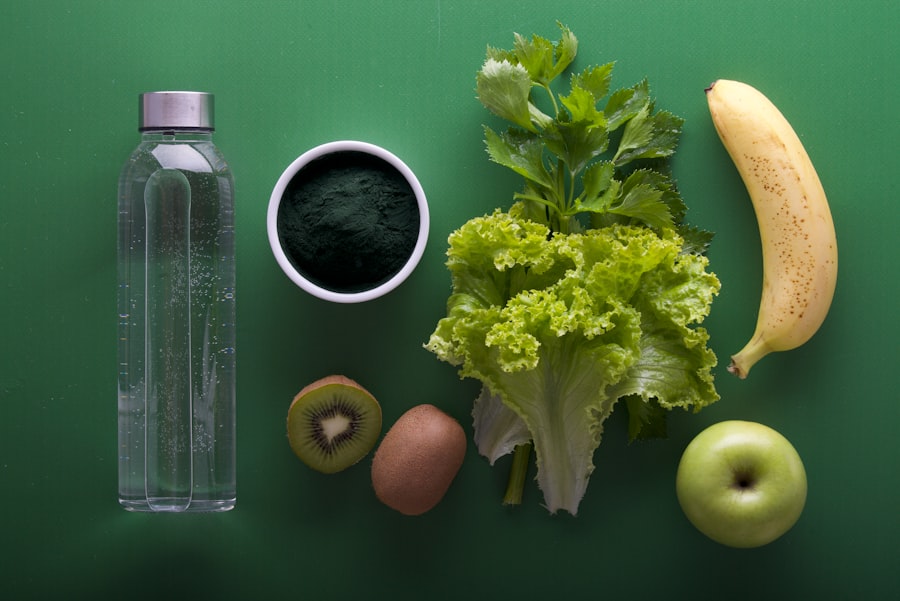
Your surroundings, both physical and social, have a profound impact on your ability to maintain wellness. It’s about creating a setting that encourages and facilitates healthy choices, rather than making them an uphill battle.
Decluttering Your Space
A cluttered environment can often lead to a cluttered mind. Taking the time to organize your physical surroundings can have a surprisingly positive effect on your mental state.
Creating Order
Even small steps, like making your bed daily or tidying your workspace, can create a sense of calm and control. A clean and organized home or office can reduce visual distractions and make it easier to focus.
Simplifying Your Possessions
Consider adopting a minimalist approach to some extent. Less stuff means less to manage, less to clean, and less mental burden. Donate, sell, or discard items that no longer serve a purpose or bring you joy. This frees up both physical space and mental energy.
Optimizing for Wellness
Arrange your environment to support your healthy habits. Place your water bottle where you’ll see it, keep your running shoes by the door, or set up a cozy reading nook. Make the healthy choice the easy choice.
Managing Digital Consumption
In today’s connected world, our digital environment plays a huge role in our well-being. It can be a source of connection and information, but also of overwhelm and distraction.
Intentional Screen Time
Be mindful of how you spend your time online. Are you scrolling mindlessly, or are you engaging with content that genuinely enriches your life? Set intentions for your digital use. If you’re going online, know why you’re there.
Digital Detoxes
Periodically unplugging from devices can be incredibly refreshing. Even a few hours or a full day away from screens can help reset your mind, improve your sleep, and encourage you to engage with the real world. Schedule these breaks regularly.
Curating Your Feed
Be selective about what content you consume. Unfollow accounts that trigger negative emotions, consume content that is informative and uplifting, and seek out diverse perspectives without getting caught in echo chambers. Your digital diet matters as much as your food diet.
In today’s fast-paced world, embracing a lifestyle focused on wellness is essential for maintaining balance and harmony in our lives. One effective way to enhance your well-being is by adopting eco-friendly practices that not only benefit your health but also the environment. For insightful tips and trends on creating a sustainable home, you can explore this informative article on eco-friendly living. By integrating these practices into your daily routine, you can contribute to a healthier planet while nurturing your own wellness journey. Check out the article here for more information.
Making Sustainable Changes and Staying Consistent
| Category | Metric | Value |
|---|---|---|
| Physical Activity | Steps per day | 10,000 |
| Nutrition | Vegetable servings per day | 5 |
| Sleep | Hours of sleep per night | 7-9 |
| Mental Health | Stress level | Low |
The journey to balanced lifestyle wellness isn’t a race; it’s a marathon. The key is to make changes that you can stick with long-term, even when life gets busy or challenging.
Setting Realistic Goals
Big, sweeping changes often lead to burnout. Instead, focus on small, manageable steps that you can consistently implement.
Small, Achievable Steps
Instead of aiming to run a marathon next month, start with a 15-minute walk daily. Instead of overhauling your entire diet, focus on adding one extra serving of vegetables to your dinner. These small wins build momentum and confidence.
One Habit at a Time
Don’t try to change everything at once. Focus on establishing one new healthy habit, make it stick, and then move on to the next. This prevents overwhelm and increases your chances of success.
Flexibility Over Perfection
Life happens. You’ll miss a workout, eat an unhealthy meal, or have a less-than-perfect night’s sleep. The key is not to let one slip-up derail your entire progress. Acknowledge it, learn from it, and get back on track the next day without self-judgment.
Building a Support System
You don’t have to do this alone. Having people who encourage and support your wellness goals can make a significant difference.
Accountability Partners
Share your goals with a trusted friend, family member, or colleague. Check in with each other regularly to offer encouragement and hold each other accountable. This external motivation can be very powerful.
Seeking Professional Guidance
If you’re struggling with specific areas, don’t hesitate to seek help. A nutritionist, therapist, personal trainer, or doctor can provide tailored advice and support to help you achieve your goals safely and effectively.
Community and Connection
Join groups or communities that align with your wellness interests, whether it’s a hiking club, a meditation group, or a healthy cooking class. Being part of a like-minded community can provide motivation, inspiration, and a sense of belonging.
Reflecting and Adjusting Periodically
Wellness is an ongoing journey, not a destination. What works for you today might need to be adjusted six months from now.
Regular Check-ins
Periodically pause and assess how your current habits are serving you. Are you feeling energized? Are you managing stress effectively? Are your relationships flourishing? These check-ins help you fine-tune your approach.
Learning and Adapting
Be open to trying new things and adjusting your strategies as needed. As you grow and change, your wellness needs will evolve too. What you learn about yourself in this process is hugely valuable.
Celebrating Progress, Not Perfection
Acknowledge and celebrate the progress you make, no matter how small. Focusing on how far you’ve come, rather than dwelling on perceived imperfections, helps maintain motivation and fosters a positive mindset towards your ongoing wellness journey. True wellness isn’t about being perfect; it’s about consistently striving to be a healthier, happier you.
