

Bloom Mental Wellness is a proactive approach to taking care of your inner world, much like tending to a garden. It’s about cultivating habits and practices that help your mind flourish, making it more resilient and capable of navigating life’s ups and downs. Instead of waiting for things to feel overwhelming, Bloom Mental Wellness encourages you to integrate simple, everyday actions that support your mental and emotional health. Think of it as investing in your long-term well-being, ensuring you have the mental resources to enjoy life and face challenges with greater ease.
At its heart, Bloom Mental Wellness isn’t about eliminating all negative feelings – that’s neither realistic nor desirable. Instead, it’s about building a strong foundation of self-awareness and coping mechanisms. It’s recognizing that your mental state isn’t static; it’s dynamic and can be influenced by your thoughts, actions, and environment. The goal is to develop a toolkit of strategies that empower you to nurture your mind, allowing it to grow, adapt, and thrive, even when faced with difficult circumstances. This approach emphasizes consistency and personal growth over quick fixes.
The “Growth” Metaphor Explained
The term “Bloom” is intentionally chosen to evoke a sense of natural progression and beauty. Just as a flower doesn’t burst into full bloom overnight, our mental well-being develops over time through consistent care and attention. It suggests a process of unfolding, of reaching your potential. This metaphor highlights that mental wellness isn’t a destination but an ongoing journey, where each step, no matter how small, contributes to the overall health and vibrancy of your inner life. It encourages patience and self-compassion throughout this process.
Moving Beyond Problem-Focused Approaches
Historically, conversations around mental health have often been reactive, focusing on diagnosed conditions and crises. Bloom Mental Wellness shifts this focus towards prevention and enhancement. It’s about equipping individuals with the skills to maintain good mental health, much like we focus on physical health through diet and exercise, not just when we’re ill. This proactive stance can help prevent issues from escalating and build a greater overall sense of life satisfaction. It’s about building capacity, not just repairing damage.
The Role of Self-Awareness
A cornerstone of Bloom Mental Wellness is cultivating self-awareness. This means understanding your own thoughts, feelings, patterns of behavior, and what influences them. It’s about paying attention to the signals your mind and body are sending you, without judgment. The more you understand yourself, the better equipped you are to make choices that support your well-being and to identify when you might need to adjust your approach. This isn’t about introspection to the point of rumination, but rather a practical understanding of your inner landscape.
For those interested in enhancing their mental wellness through creative outlets, a related article can be found at Discover DIY Projects Perfect for Homesteading Enthusiasts. Engaging in DIY projects not only fosters a sense of accomplishment but also provides a therapeutic escape from daily stressors, making it a great complement to mental wellness practices.
Practical Pillars of Nurturing Your Mind
Bloom Mental Wellness isn’t just a concept; it’s built on actionable practices. These are the “gardening tips” for your mind, designed to be integrated into your daily life. They address various aspects of well-being, from how you think to how you connect with the world around you. The key is finding what resonates with you and making it a sustainable habit.
Mindful Moments and Presence
The Power of Being Present
Mindfulness is about intentionally bringing your attention to the present moment, without judgment. This doesn’t require hours of meditation. It can be as simple as truly savoring your morning coffee, noticing the sensations of walking, or paying attention to your breath for a few moments. The goal is to pull yourself out of the autopilot of worries about the past or anxieties about the future, and to ground yourself in the here and now. This can significantly reduce stress and enhance your appreciation for everyday experiences.
Simple Mindfulness Exercises
- Focused Breathing: Take a few minutes to simply notice your breath as it enters and leaves your body. Don’t try to change it, just observe.
- Sensory Awareness: Pick an object – a piece of fruit, a leaf, your hand – and explore it with all your senses. What does it look, feel, smell, and even taste like?
- Mindful Walking: As you walk, pay attention to the feeling of your feet on the ground, the movement of your body, and the sights and sounds around you.
Cultivating Positive Self-Talk
Challenging Negative Thought Patterns
Our internal dialogue has a profound impact on our mood and self-perception. Bloom Mental Wellness encourages us to become aware of negative self-talk – those critical, often subconscious, messages we send ourselves. Once identified, the practice involves gently challenging these thoughts. Are they truly accurate? Are they helpful? This isn’t about forcing positive thoughts, but rather about creating a more balanced and compassionate inner conversation.
Strategies for Kinder Self-Talk
- Identify the Voice: When you notice criticism, try to identify the “voice” behind it. Is it like a parent, a peer, or something else?
- Reframe and Question: Ask yourself: “Is this thought 100% true?” “What’s a more balanced way to look at this?” “What would I say to a friend in this situation?”
- Affirmations (Used Wisely): Instead of generic positive statements, focus on affirmations that feel achievable and true to you, or that acknowledge your efforts. For example, “I am learning to be more patient with myself.”
Physical Well-being as a Foundation
The Mind-Body Connection
It’s hardly surprising that our physical state deeply influences our mental state. Neglecting your body can lead to increased stress, fatigue, and emotional volatility. Conversely, taking care of your physical health can provide a robust foundation for mental resilience. This pillar of Bloom Mental Wellness emphasizes that physical activity, adequate sleep, and proper nutrition aren’t just about physical health; they are essential components of a flourishing mind.
Tangible Steps for Physical Care
- Movement That You Enjoy: Don’t force yourself into workouts you dread. Find activities you genuinely like, whether it’s dancing, hiking, swimming, or gentle yoga. Aim for consistency over intensity.
- Prioritizing Sleep: Establish a regular sleep schedule, create a relaxing bedtime routine, and make your bedroom a conducive environment for rest. Quality sleep is crucial for emotional regulation and cognitive function.
- Nourishing Your Body: Focus on whole foods that provide sustained energy. Hydration is also vital – often headaches or fatigue are simply signs of dehydration.
Effective Coping Strategies for Life’s Challenges
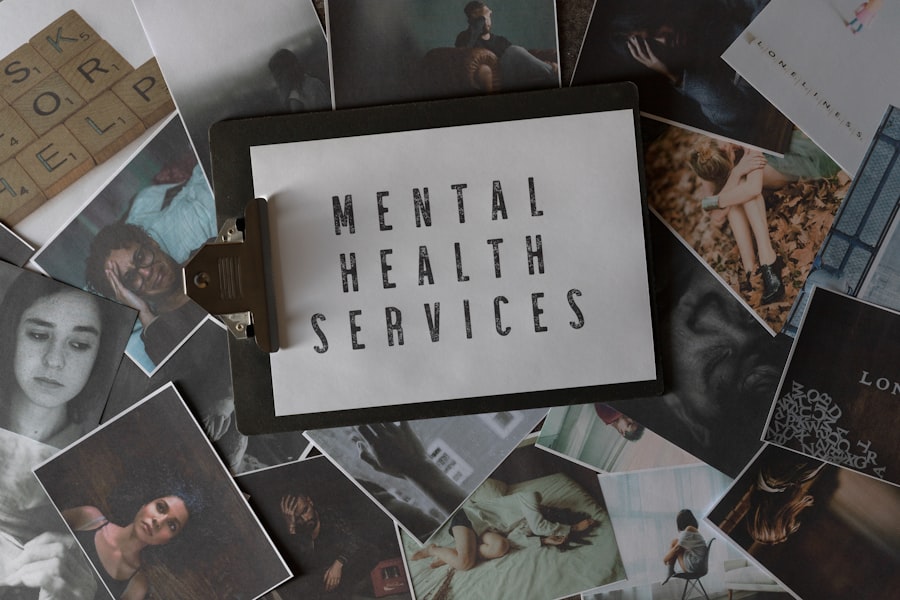
Life inevitably throws curveballs. Bloom Mental Wellness isn’t about avoiding these challenges, but about developing a repertoire of effective coping mechanisms that help you navigate them without becoming overwhelmed. These are like your emergency preparedness kit for the mind.
Building Resilience Through Problem-Solving
A Proactive Stance on Difficulties
Resilience isn’t just about bouncing back; it’s about adapting and growing from adversity. Bloom Mental Wellness encourages a proactive approach to problem-solving. When faced with a difficulty, instead of letting it paralyze you, focus on breaking it down into manageable steps. This empowers you and builds confidence in your ability to handle future obstacles.
Practical Problem-Solving Techniques
- Identify the Core Issue: Clearly define the problem you’re facing. What is it specifically?
- Brainstorm Solutions: Don’t censor yourself. Write down any potential solutions, no matter how outlandish they might seem at first.
- Evaluate and Prioritize: Consider the feasibility and potential outcomes of each solution. Choose one or two to try.
- Take Action and Adapt: Implement your chosen solution and monitor its effectiveness. Be prepared to adjust your approach if it’s not working as expected.
The Importance of Stress Management
Understanding Your Stressors
Stress is a natural part of life, but chronic, unmanaged stress can be detrimental to mental well-being. Bloom Mental Wellness involves identifying your personal stressors – the people, situations, or thoughts that consistently trigger stress. Once identified, you can begin to develop strategies to manage them.
Tools for Stress Reduction
- Time Management: Learning to organize your time effectively can reduce feelings of being overwhelmed. Prioritize tasks and learn to say “no” when necessary.
- Boundary Setting: Establishing healthy boundaries in relationships and at work is crucial. This means knowing your limits and communicating them clearly.
- Relaxation Techniques: Beyond meditation, explore activities like deep breathing exercises, progressive muscle relaxation, or listening to calming music.
Emotional Regulation Skills
Understanding and Expressing Emotions
Emotional regulation is the ability to understand, manage, and express your emotions in a healthy and adaptive way. It’s not about suppressing emotions, but about processing them constructively. Bloom Mental Wellness supports developing these skills to prevent emotions from becoming overwhelming.
Developing Emotional Regulation
- Label Your Emotions: Simply identifying and naming what you’re feeling (e.g., “I’m feeling frustrated,” “I’m experiencing anxiety”) can be incredibly helpful.
- Acceptance, Not Judgment: Recognize that all emotions are valid and temporary. Try to observe them without judgment.
- Healthy Expression: Find healthy outlets for your emotions, such as journaling, talking to a trusted friend, engaging in creative activities, or physical exercise.
The Role of Connection and Community

Human connection is a vital nutrient for our mental well-being. Bloom Mental Wellness recognizes that we are social beings and that strong relationships contribute significantly to our resilience and happiness. Going it alone is not the path to mental flourishing.
Nurturing Supportive Relationships
The Impact of Social Support
Having a strong support network – friends, family, colleagues – to whom you can turn in times of need is invaluable. These connections provide us with a sense of belonging, validation, and practical assistance. Actively investing in these relationships is a key part of nurturing your mind.
Practical Ways to Foster Connections
- Regular Check-ins: Make an effort to connect with important people in your life regularly, even if it’s just a quick text or call.
- Quality Over Quantity: Focus on building deep, meaningful connections rather than having a large number of superficial acquaintances.
- Be a Good Listener: When you’re with someone, be truly present and listen actively to what they’re saying. Show genuine interest.
Finding Your Tribe
The Power of Shared Experiences
Belonging to groups or communities that share your interests or values can provide a profound sense of belonging and understanding. This could be a hobby group, a volunteer organization, or even an online community. These shared experiences can validate your feelings and offer new perspectives.
Examples of Community Engagement
- Join a Club or Group: Explore local clubs, sports teams, or educational groups that align with your passions.
- Volunteer: Contributing to a cause you care about is a meaningful way to connect with others and make a difference.
- Seek Out Shared Interest Forums: Online communities can be a good starting point for finding people with similar interests, especially if local options are limited.
Setting Healthy Relational Boundaries
Protecting Your Emotional Energy
As important as connection is, it’s also vital to ensure your relationships are healthy and don’t drain your emotional resources. This involves setting and maintaining boundaries, which are essential for protecting your mental energy and ensuring your relationships are mutually supportive.
Implementing Effective Boundaries
- Identify Your Needs: Be clear about what you need to feel safe and respected in your relationships.
- Communicate Clearly and Kindly: Express your boundaries directly and respectfully. Use “I” statements (e.g., “I need some quiet time,” rather than “You’re always bothering me”).
- Be Consistent: Uphold your boundaries consistently. This can be challenging at first, but it’s crucial for others to understand and respect them.
For those interested in enhancing their mental wellness, exploring holistic approaches can be incredibly beneficial. A related article discusses the transformative effects of holistic farming techniques on overall well-being, highlighting how connecting with nature can foster a sense of peace and mindfulness. You can read more about this intriguing connection in the article on holistic farming methods found here. Engaging with these practices not only nurtures the mind but also promotes a healthier lifestyle.
Integrating Bloom Mental Wellness into Your Life
| Metrics | Data |
|---|---|
| Number of clients served | 500 |
| Average session length | 60 minutes |
| Client satisfaction rate | 95% |
| Number of therapists | 10 |
Bloom Mental Wellness isn’t a one-time project; it’s an ongoing practice. The key is to make it a natural and sustainable part of your lifestyle. This involves self-compassion, flexibility, and a willingness to adapt as your needs change.
Creating a Personalized Mental Wellness Plan
Tailoring Strategies to Your Unique Needs
No two people are alike, and what works for one person may not work for another. Bloom Mental Wellness encourages you to create a personalized plan that reflects your individual strengths, challenges, interests, and lifestyle. This plan should be flexible and adaptable.
Steps to Building Your Plan
- Self-Assessment: Honestly reflect on what areas of your mental well-being could use more attention.
- Identify Key Practices: Choose a few practices from the pillars discussed that resonate with you and feel achievable.
- Schedule It In: Treat your mental wellness practices with the same importance as appointments you wouldn’t miss.
- Regular Review: Periodically review your plan, assess what’s working, and make adjustments as needed.
The Role of Self-Compassion
Being Kind to Yourself
A crucial element of Bloom Mental Wellness is self-compassion. This means treating yourself with the same kindness, understanding, and support that you would offer a good friend. It involves acknowledging that you are human and that making mistakes or having down days is part of the process.
Practicing Self-Compassion in Action
- Acknowledge Your Struggles: When you’re going through a tough time, acknowledge that it’s difficult, rather than trying to ignore or push past it.
- Offer Yourself Comfort: Think about what you would do for a friend in pain – a warm drink, a listening ear, some space. Offer that to yourself.
- Common Humanity: Remind yourself that suffering and imperfection are part of the shared human experience. You are not alone in your struggles.
Embracing Imperfection and Progress
The Journey, Not the Destination
Bloom Mental Wellness is about progress, not perfection. There will be days when you feel more like wilting than blooming. This is normal. The important thing is to acknowledge these moments without judgment and to recommit to nurturing your mental garden. Celebrate small victories and learn from setbacks.
Shifting Your Mindset
- Focus on Effort, Not Just Outcome: Recognize and appreciate the effort you’re putting into your mental well-being, regardless of the immediate results.
- Learn from Setbacks: Instead of viewing setbacks as failures, see them as opportunities to learn and adjust your approach.
- Embrace the Ongoing Process: Understand that mental wellness is a continuous journey of growth and self-discovery.
When Professional Support is Beneficial
While Bloom Mental Wellness emphasizes self-directed practices, there are times when seeking professional guidance is not only beneficial but essential. Recognizing these moments and reaching out for support is a sign of strength, not weakness.
Recognizing the Signs
When Bloom Needs a Gardener’s Touch
Sometimes, despite your best efforts, you might find that your mental well-being struggles to flourish. This could manifest as persistent low mood, overwhelming anxiety, significant changes in sleep or appetite, or difficulty functioning in daily life. These are indicators that professional support could be incredibly helpful.
Signs It Might Be Time to Seek Help
- Persistent Sadness or Hopelessness: If feelings of sadness or hopelessness linger for weeks or months.
- Intense or Unmanageable Anxiety: When anxiety interferes significantly with your daily life and is difficult to control.
- Changes in Basic Functioning: Difficulty sleeping, eating, concentrating, or maintaining relationships.
- Thoughts of Self-Harm or Harm to Others: If you are experiencing thoughts of ending your life or harming others, seek immediate professional help.
The Value of Professional Guidance
A Partner in Cultivation
Therapists, counselors, and other mental health professionals are trained to provide specialized support and tools. They can help you understand underlying issues, develop more effective coping mechanisms, and navigate complex emotions. Think of them as expert gardeners who can help diagnose and treat ailments in your mental garden.
Types of Professional Support
- Therapy (Psychotherapy): Various forms of therapy, such as Cognitive Behavioral Therapy (CBT) or Dialectical Behavior Therapy (DBT), can equip you with practical skills.
- Counseling: Often focused on specific issues or life transitions, counseling provides a safe space to explore challenges.
- Psychiatry: Psychiatrists can assess if medication might be helpful in managing certain mental health conditions.
Overcoming Stigma and Barriers
Making Support Accessible
Historically, there has been stigma associated with seeking mental health support. Bloom Mental Wellness encourages a mindset shift where accessing support is seen as a proactive and empowering step towards a healthier, more fulfilling life. It’s about prioritizing your well-being.
Practical Steps to Accessing Help
- Talk to Your Doctor: Your primary care physician can be a good first point of contact and can offer referrals.
- Explore Online Resources: Many reputable organizations offer information on finding therapists, including directories and guides.
- Consider Employee Assistance Programs (EAPs): If available through your workplace, EAPs often provide confidential, short-term counseling services.
- Local Mental Health Services: Many communities have public mental health centers that offer sliding-scale fees.
By embracing Bloom Mental Wellness, you’re making a commitment to actively nurture your mind. It’s about creating a rich inner environment where you can grow, adapt, and find resilience, allowing you to live a more balanced and fulfilling life. It’s a journey of continuous cultivation, and the rewards are deeply personal and profoundly enriching.
