

Organic living for wellness basically boils down to making choices that support your health and the health of the planet, primarily by opting for products free from synthetic chemicals, hormones, and GMOs. It’s about being mindful of what you put in and on your body, and how your choices impact the environment around you. This isn’t a rigid, all-or-nothing approach; rather, it’s a spectrum of choices you can make to feel better and live healthier.
Many people are curious about organic living, and for good reason. There’s a growing body of evidence and anecdotal experience that points to some tangible advantages when you lean into this lifestyle.
Healthier Food Choices
When we talk about organic food, the biggest draw is often the absence of certain harmful elements.
Fewer Pesticides and Herbicides
Conventional farming often relies on synthetic pesticides and herbicides to protect crops from pests and weeds. While these chemicals are regulated, there’s ongoing debate about their long-term effects on human health. Organic farming, on the other hand, prioritizes natural pest control methods, meaning significantly less, if any, of these substances end up on your plate. This can reduce your exposure to potentially harmful residues.
No GMOs
Genetically Modified Organisms (GMOs) are a staple in conventional agriculture, designed to enhance crop resistance or yield. Organically certified products, by definition, cannot contain GMOs. If you’re concerned about the unknown long-term effects of consuming genetically modified foods, choosing organic offers a clear pathway to avoid them.
Better for the Gut
Some research suggests that a diet rich in organic foods, particularly fruits and vegetables, might contribute to a healthier gut microbiome. The absence of certain agricultural chemicals and the potential for a more diverse range of microbes in organic produce could be a factor here. A healthy gut is increasingly linked to overall well-being, including immune function and mental health.
Environmental Impact
Beyond personal health, organic living has a significant positive ripple effect on the environment.
Soil Health Matters
Organic farming practices focus on building healthy soil through methods like crop rotation, composting, and companion planting. Healthy soil is more fertile, retains water better, and reduces erosion. This sustainable approach helps to maintain the delicate balance of ecosystems.
Biodiversity Support
By avoiding synthetic pesticides and fertilizers, organic farms tend to support a greater variety of plant and animal life. This includes beneficial insects, birds, and other wildlife that are crucial for a thriving ecosystem. Conventional farming practices can often deplete local biodiversity, whereas organic methods actively work to preserve it.
Reduced Water Contamination
Synthetic pesticides and fertilizers can seep into groundwater and run off into rivers and lakes, contaminating water sources. Organic farming significantly reduces this risk, leading to cleaner water for everyone and for aquatic life.
For those interested in enhancing their organic living and wellness journey, a great resource is the article on cultivating an urban homestead. This piece offers practical ideas to integrate sustainable practices into your daily life, making it easier to grow your own food and live more harmoniously with nature. You can read more about it here: Cultivate an Urban Homestead: Practical Ideas to Try.
Navigating Organic Food: What to Look For and How to Shop Smart
Stepping into the organic aisle can feel a bit overwhelming at first. Here’s how to make sense of it without breaking the bank or feeling lost.
Understanding Organic Labels
Not all “natural” or “healthy” labels mean organic. It’s important to know what to look for.
USDA Organic Seal
In the United States, the USDA Organic seal is your gold standard. Products bearing this seal are certified to have been produced according to strict federal guidelines, covering everything from soil quality and pest control to animal welfare. If a product says “100% Organic,” it’s made entirely with organic ingredients. “Organic” means at least 95% organic ingredients, and “Made with Organic Ingredients” means at least 70% are organic.
Other Certifications
Depending on where you live or what you’re buying, you might see other reputable organic certifications. For example, in Europe, the EU Organic logo serves a similar purpose. Always check for a recognized certification body to ensure genuine organic claims.
Prioritizing Your Organic Purchases
Going 100% organic right away might not be feasible for everyone, and that’s perfectly fine. Focus on where you’ll get the most impact.
The “Dirty Dozen” and “Clean Fifteen”
Environmental Working Group (EWG) publishes annual lists of the “Dirty Dozen” (produce most likely to have pesticide residues) and the “Clean Fifteen” (produce least likely to have pesticide residues). Prioritizing organic versions of items on the Dirty Dozen list – like strawberries, spinach, and kale – can be a cost-effective way to reduce your exposure to pesticides. For items on the “Clean Fifteen” like avocados and corn, conventional might be a reasonable choice.
Animal Products
If your budget allows, consider organic meats, dairy, and eggs. Organic animal products often come from animals raised without synthetic hormones, antibiotics, or GMO feed. This not only benefits the animals but also means you’re consuming fewer of these substances. Look for labels like “grass-fed organic” for an even higher standard of animal welfare and potentially better nutritional profiles.
Staples vs. Snacks
Focus on organic for your staple foods – fruits, vegetables, grains, and proteins – that form the bulk of your diet. You might find less benefit from organic versions of highly processed snack foods, which can still be high in sugar, unhealthy fats, and additives, even if the base ingredients are organic.
Beyond the Plate: Extending Organic Principles to Your Home

Organic living isn’t just about food. It’s a holistic approach that extends to the products you use in your everyday life.
Personal Care Products
What you put on your body is just as important as what you put in it, as skin is our largest organ.
Reading Ingredient Labels
Many conventional personal care products contain a cocktail of chemicals – parabens, phthalates, sulfates, synthetic fragrances – that some people prefer to avoid. Look for products with recognizable, natural ingredients. Brands that use essential oils for fragrance and plant-based alternatives for emollients and cleansers are good starting points.
DIY and Minimalist Approaches
Consider making some of your own personal care products, like scrubs or masks, using simple kitchen ingredients. This guarantees you know exactly what’s in them. Alternatively, embrace a minimalist approach: use fewer products and choose multi-purpose items to reduce your exposure to various chemicals.
Certified Organic Body Care
Just like food, there are certifications for organic personal care products. Look for seals that indicate genuine organic content, such as USDA Organic for products made with agricultural ingredients. These certifications provide an added layer of assurance.
Cleaning Supplies
Your home can also be a source of chemical exposure, particularly from cleaning products.
Non-Toxic Alternatives
Many conventional cleaning products contain harsh chemicals that can irritate airways, skin, and contribute to indoor air pollution. There are plenty of effective non-toxic alternatives available, many of which use plant-derived ingredients and essential oils.
Simple Homemade Cleaners
You can create powerful and safe cleaning solutions with common household ingredients like vinegar, baking soda, lemon juice, and essential oils (like tea tree or lavender for their antimicrobial properties). These are often just as effective as their chemical counterparts without the worry of harmful fumes or residues.
Making the Shift: Practical Tips for a Smooth Transition
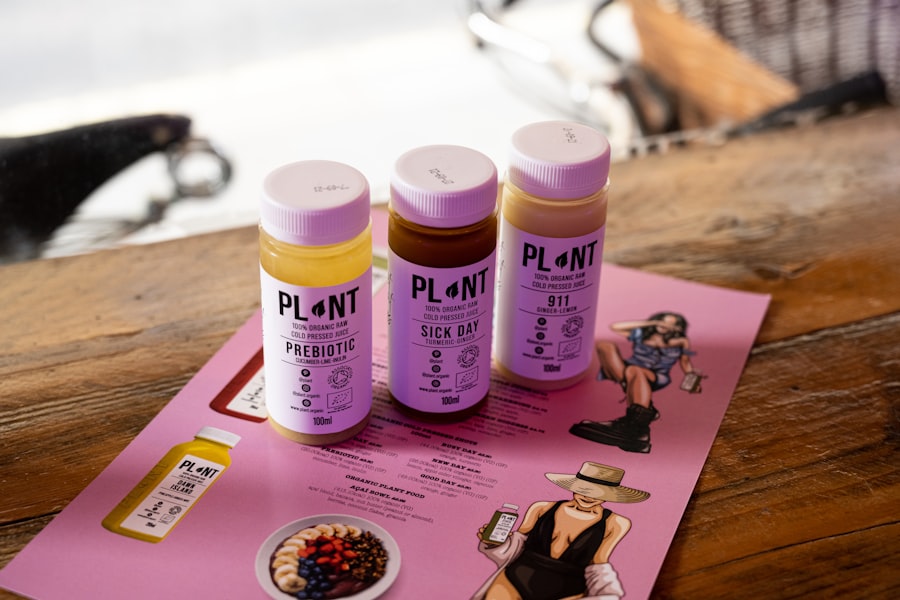
Adopting an organic lifestyle doesn’t mean an abrupt overhaul. It’s a gradual process, and these tips can help you integrate it smoothly.
Start Small
Trying to change everything at once can be overwhelming and lead to giving up.
One Category at a Time
Pick one area to focus on first. Maybe it’s switching to organic milk, or buying organic apples. Once that feels natural, move on to the next. This incremental approach makes the journey more sustainable and enjoyable.
Focus on What Matters Most to You
What are your biggest concerns? If pesticides are a major worry, focus on the Dirty Dozen. If animal welfare is a priority, start with organic meat and dairy. Tailor your approach to your values.
Budgeting for Organic
Yes, organic products can sometimes be more expensive, but there are ways to manage the cost.
Shop Seasonally and Locally
Produce that’s in season is often more affordable, whether organic or not. Visiting local farmers’ markets allows you to buy directly from growers, sometimes at a lower price point than supermarkets, and you can ask about their farming practices. Local, seasonal produce also tends to be fresher and more nutrient-dense.
Cook More at Home
Eating out, especially at restaurants that don’t prioritize organic ingredients, can negate your efforts. Cooking at home gives you full control over ingredients and is almost always more cost-effective than dining out.
Look for Sales and Discounts
Many grocery stores have sales on organic items. Keep an eye on weekly flyers and use coupons when available. Store brands for organic products can also be a more budget-friendly option.
Buy in Bulk for Staples
Grains, legumes, nuts, and some produce can often be bought in bulk at a lower per-unit price. This is especially true for organic options. Just be mindful of storage to prevent spoilage.
For those interested in enhancing their organic living and wellness journey, exploring the principles of homesteading can be incredibly beneficial. Embracing a homesteading lifestyle not only promotes sustainability but also fosters a deeper connection with nature and self-sufficiency. To learn more about this enriching way of life, you can read about it in this insightful article on sustainable living. By integrating these practices into your daily routine, you can cultivate a healthier and more fulfilling lifestyle.
The Organic Mindset: A Holistic Approach to Well-being
| Category | Metrics |
|---|---|
| Organic Food | Percentage of organic food sales |
| Wellness Products | Number of wellness products sold |
| Organic Farming | Acres of land dedicated to organic farming |
| Healthy Lifestyle | Percentage of population practicing healthy lifestyle |
Embracing organic living isn’t just about labels; it’s a broader philosophy that encourages a more mindful and holistic approach to health.
Connecting with Nature
This lifestyle often inherently leads to a deeper connection with the natural world.
Gardening and Growing Your Own
Even a small herb garden on a windowsill can connect you to the process of growing food. If you have the space, a vegetable patch is a fantastic way to ensure you’re eating truly organic, fresh produce, and it’s incredibly rewarding. You learn about soil, plants, and the seasons.
Spending Time Outdoors
An organic mindset often encourages spending more time outdoors, appreciating the natural environment, and engaging in activities that are rejuvenating. This could be hiking, gardening, or simply spending time in a park.
Reducing Waste and Living Sustainably
Organic living naturally aligns with other sustainable practices.
Composting Food Scraps
If you’re eating more whole, organic foods, you’ll likely have more organic waste. Composting these scraps enriches your garden soil and reduces landfill waste, completing a virtuous cycle.
Choosing Reusable Over Disposable
From reusable grocery bags to water bottles and coffee cups, the organic mindset often fosters a general awareness of reducing one’s environmental footprint. This extends to buying products with minimal packaging or opting for refillable options.
In conclusion, organic living for wellness is a journey of conscious choices, leading to benefits for your personal health and the planet. It’s not about perfection, but about progress and making informed decisions that resonate with your values. By taking small, manageable steps, you can gradually integrate organic principles into your life, fostering a healthier, more sustainable way of being.
