

You’re looking to get the full picture when it comes to wellbeing, right? Not just feeling okay for a bit, but truly thriving. Holistic wellbeing basically means looking at yourself as a whole person – mind, body, spirit, and how you connect with the world around you. It’s about making sure all these parts are in sync, working together to make you feel your best. Think of it like a well-tuned instrument; when each string is right, the music is beautiful. The good news? It’s totally achievable with a bit of conscious effort.
When we talk about holistic wellbeing, it’s not just one thing. It’s a combination of different aspects of your life that all contribute to how you feel. Ignoring one area can throw the others off balance. Identifying these core areas is the first step to consciously improving them.
Physical Wellbeing: Your Body’s Foundation
This is often the most obvious part of wellbeing. It’s about taking care of your physical vessel so it can carry you through life with energy and resilience.
Nourishing Your Body: Fueling for Life
What you eat directly impacts your energy levels, mood, and how your body functions. It’s not about strict diets, but about understanding what makes your body feel good and energized.
The Power of Whole Foods
Focusing on unprocessed foods – fruits, vegetables, lean proteins, whole grains, and healthy fats – provides your body with the essential vitamins, minerals, and energy it needs. Think vibrant colours on your plate!
Hydration: More Than Just Thirst Quenching
Water is fundamental. It helps with everything from digestion and temperature regulation to brain function. Don’t underestimate a good glass of water throughout the day.
Mindful Eating Practices
Pay attention to your hunger cues and practice savouring your food. Eating slowly and being present can improve digestion and your relationship with food.
Movement: For Strength and Vitality
Your body is designed to move. Regular physical activity is crucial for both physical health and mental clarity.
Finding Your Flow
The ‘best’ exercise is the one you actually enjoy and will stick with. Whether it’s walking, dancing, swimming, or lifting weights, find something that brings you joy.
Consistency Over Intensity
It’s better to do moderate activity regularly than to push yourself to extremes sporadically. Small, consistent efforts build lasting habits.
Listening to Your Body
Learn to differentiate between discomfort and pain. Rest when you need to, and don’t push through injuries.
Rest and Recovery: The Unsung Heroes
Sleep and adequate downtime are just as important as exercise and healthy eating. They are when your body and mind repair and recharge.
Prioritizing Sleep Hygiene
Aim for 7-9 hours of quality sleep per night. Creating a consistent sleep schedule and a relaxing bedtime routine can make a huge difference.
Incorporating Downtime
Beyond sleep, consciously schedule periods of relaxation and unstructured time for your mind to wander and decompress.
Mental and Emotional Wellbeing: The Inner Landscape
This is about how you think, feel, and process your experiences. It’s the internal engine that drives your responses to the world.
Managing Stress: Navigating Life’s Challenges
Stress is inevitable, but how you manage it is key. Developing effective coping mechanisms can prevent it from negatively impacting your health.
Identifying Stressors
Become aware of what triggers your stress. Simply acknowledging these triggers is the first step in addressing them.
Developing Coping Strategies
This could include deep breathing exercises, meditation, mindfulness, journaling, or spending time in nature. Find what works for you.
Seeking Support When Needed
Don’t be afraid to talk to friends, family, or a professional therapist when you’re feeling overwhelmed.
Cultivating Emotional Resilience
This is your ability to bounce back from adversity and difficult emotions. It’s about navigating challenges without being completely derailed.
Practicing Self-Compassion
Treat yourself with the same kindness and understanding you would offer a friend going through a tough time.
Developing a Growth Mindset
View challenges as opportunities to learn and grow, rather than as insurmountable obstacles.
Emotional Regulation Techniques
Learning to identify, understand, and manage your emotions in healthy ways is a lifelong skill.
Nurturing a Positive Mindset
While not about forced positivity, it’s about consciously choosing to focus on what’s good and practicing gratitude.
The Power of Gratitude
Regularly acknowledging the things you are thankful for can shift your perspective and boost your overall mood.
Challenging Negative Thoughts
Recognize unhelpful thought patterns and actively challenge them with more balanced and realistic perspectives.
Social Wellbeing: Connection and Belonging
We are inherently social creatures. Our relationships and sense of community play a vital role in our overall happiness and health.
Building and Maintaining Relationships
Nurturing positive connections with others provides support, reduces loneliness, and fosters a sense of belonging.
Quality Over Quantity
Focus on meaningful connections with people who uplift and support you, rather than just accumulating acquaintances.
Effective Communication
Learning to listen actively, express yourself clearly, and manage conflict constructively are essential for healthy relationships.
Setting Healthy Boundaries
Knowing your limits and communicating them respectfully is crucial for protecting your energy and wellbeing within relationships.
Finding Your Community
Belonging to a group where you feel understood and valued can significantly enhance your sense of wellbeing.
Shared Interests and Passions
Joining clubs, groups, or online communities based on your hobbies or interests can lead to fulfilling connections.
Contributing and Giving Back
Volunteering or participating in community initiatives can foster a sense of purpose and connection.
Spiritual Wellbeing: Purpose and Meaning
This isn’t necessarily about religion, but about your sense of purpose, meaning, and connection to something larger than yourself.
Exploring Your Values and Beliefs
Understanding what truly matters to you provides a compass for your life and helps you make decisions aligned with your inner self.
Identifying Core Values
What principles guide your actions and choices? Reflect on what you believe is important in life.
Living Authentically
Aligning your actions with your values allows for a deeper sense of integrity and authenticity, contributing to peace of mind.
Cultivating a Sense of Purpose
Having a sense of purpose can provide direction, motivation, and resilience in the face of life’s challenges.
Finding Meaning in Everyday Life
Purpose doesn’t always have to be grand; it can be found in your work, your relationships, your hobbies, or how you contribute to others.
Setting Meaningful Goals
Goals that align with your values and passions can provide a strong sense of direction and fulfillment.
Connecting with Something Larger
This could be through nature, art, meditation, philosophical inquiry, or spiritual practices that resonate with you.
Mindfulness and Meditation
These practices can help quiet the mental chatter and foster a deeper connection with yourself and the present moment.
Spending Time in Nature
The natural world often offers a powerful sense of peace, awe, and connection to something vast and ancient.
Environmental Wellbeing: Your Surroundings
This aspect focuses on how your external environment impacts your internal state and how you interact with the world.
Creating a Supportive Living Space
Your home should be a sanctuary. A well-organized and calming environment can significantly reduce stress.
Decluttering and Organization
A tidy space often leads to a tidier mind. Letting go of unnecessary items can create a sense of release.
Incorporating Nature Indoors
Plants, natural light, and natural materials can bring a sense of calm and vitality to your home.
Connecting with Your Local Environment
Engaging with your surroundings can foster a sense of belonging and appreciation.
Exploring Your Neighborhood
Take walks, visit local parks, and get to know the places around you.
Supporting Local Initiatives
Participating in community gardens or local clean-up efforts can strengthen your connection to your environment and community.
Sustainable Practices for a Healthier Planet
Being mindful of your environmental impact is not only good for the planet but can also lead to a greater sense of responsibility and connection.
Reducing Your Footprint
Simple changes like reducing waste, conserving energy, and choosing sustainable products can make a difference.
Conscious Consumption
Thinking about where your products come from and their impact can lead to more mindful purchasing decisions.
For those interested in exploring the interconnectedness of holistic practices, a related article on holistic farming approaches can provide valuable insights. By understanding how holistic farming not only benefits the environment but also enhances overall wellbeing, readers can gain a deeper appreciation for sustainable living. To learn more about this topic, check out the article here: Unlock the Power of Holistic Farming Approaches.
Practical Steps to Enhance Your Wellbeing
So, we’ve covered the ‘what’ and ‘why’. Now, let’s get into the ‘how’. Implementing changes doesn’t have to be overwhelming. It’s about making small, consistent adjustments that build over time.
Setting Realistic Goals
Trying to overhaul everything at once is a recipe for burnout. Focus on one or two areas you want to improve first.
SMART Goals Framework
Use the SMART framework: Specific, Measurable, Achievable, Relevant, and Time-bound. This makes your goals concrete and actionable.
Gradual Implementation
Start small. If you want to exercise more, begin with a 15-minute walk three times a week, rather than aiming for an hour every day.
Developing Healthy Habits
Habits are the building blocks of long-term wellbeing. They automate positive behaviours, requiring less willpower over time.
Habit Stacking
Link a new habit to an existing one. For example, after you brush your teeth, do three minutes of deep breathing.
Be Patient and Persistent
It takes time for a new habit to become ingrained. Don’t get discouraged by occasional slip-ups. Just get back on track.
Track Your Progress
Seeing how far you’ve come can be incredibly motivating. Use a journal, app, or simple checklist.
Practicing Mindfulness in Everyday Life
Mindfulness isn’t just for meditation cushions. It’s about bringing your attention to the present moment, wherever you are.
Mindful Moments
Take a few moments throughout the day to simply pause and notice your surroundings, your breath, or your bodily sensations.
Mindful Eating and Walking
Bring your full attention to the experience of eating or walking, noticing the tastes, smells, textures, and sensations.
Deep Breathing Exercises
Even a few minutes of focused breathing can calm your nervous system and bring you back to the present.
Seeking Support and Connection
You don’t have to do this alone. Leaning on others is a sign of strength.
Talking to Trusted Friends or Family
Sharing your thoughts and feelings can provide relief and offer new perspectives.
Joining Support Groups
Connecting with others who share similar experiences can be incredibly validating and empowering.
Professional Help is Valid
When you’re struggling, a therapist or counselor can provide tools and guidance to navigate challenges. There’s no shame in seeking professional support.
Self-Care Rituals: Making Time for Yourself
Self-care isn’t selfish; it’s essential. It’s about intentionally doing things that nourish your mind, body, and soul.
Scheduling ‘Me Time’
Treat your self-care appointments with the same importance as any other commitment.
Experimenting with Different Activities
Discover what truly recharges you. It could be reading, taking a bath, listening to music, creating art, or spending time in nature.
Listen to Your Needs
Your self-care needs will change. Be flexible and adapt your rituals as needed.
Overcoming Common Barriers to Wellbeing

Even with the best intentions, obstacles pop up. Understanding these common challenges can help you navigate them.
Time Constraints
“I just don’t have enough time!” is a frequent refrain.
Re-evaluating Your Priorities
Where is your time actually going? Are there commitments that can be trimmed or delegated?
Tiny Habits Approach
Even 5 minutes a day can make a difference. Don’t dismiss small pockets of time.
Batching Tasks
Group similar activities together to improve efficiency.
Lack of Motivation
Motivation can ebb and flow. Relying solely on it is unreliable.
Focus on Discipline
Discipline is the bridge between goals and accomplishment. It’s about doing what you need to, even when you don’t feel like it.
Find Your ‘Why’
Reconnecting with your deeper reasons for pursuing wellbeing can reignite motivation.
Reward Your Efforts
Acknowledge and celebrate your progress, no matter how small.
Perfectionism
The desire to do everything perfectly can lead to inaction.
Embrace ‘Good Enough’
Striving for perfection can be paralyzing. Aim for progress, not flawlessness.
Challenge All-or-Nothing Thinking
Recognize that one step back doesn’t negate all the progress you’ve made.
Focus on the Process, Not Just the Outcome
Enjoy the journey and the small wins along the way.
Negative Self-Talk
The inner critic can be your biggest saboteur.
Become an Observer
Notice your negative thoughts without immediately believing them.
Reframe Negative Thoughts
Challenge distorted thinking and replace it with more balanced perspectives.
Practice Affirmations
Use positive statements to reinforce desired beliefs and attitudes.
External Pressures and Expectations
Societal norms and the opinions of others can weigh heavily.
Define Your Own Success
Don’t let external benchmarks dictate your sense of wellbeing. What does a fulfilling life look like to you?
Learn to Say No
Setting boundaries is crucial for protecting your mental and emotional resources.
Cultivate Your Inner Authority
Trust your own judgment and intuition.
Measuring Your Wellbeing Journey
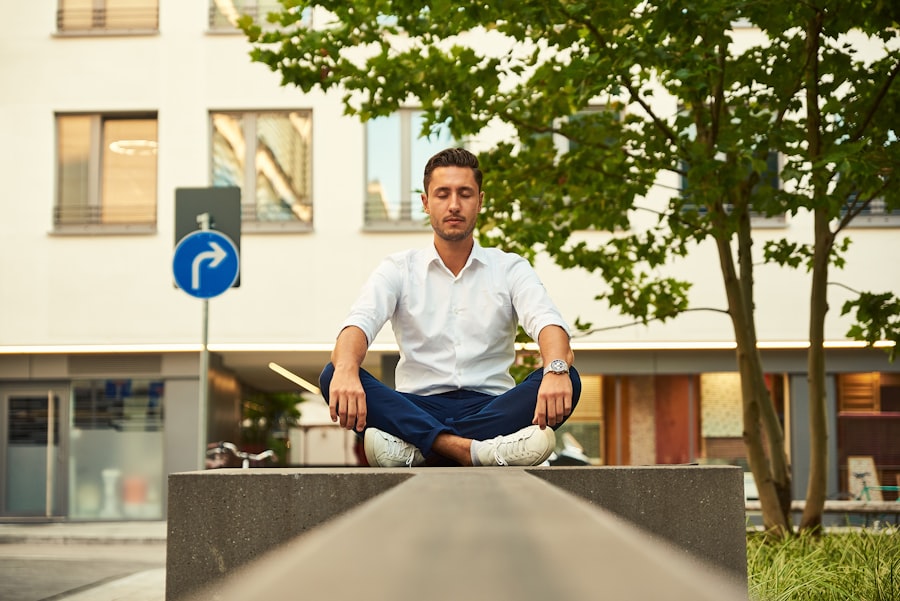
How do you know if you’re actually making progress? It’s not about hitting a specific number, but about noticing shifts in how you feel.
Subjective Well-being Indicators
These are about how you feel day-to-day.
Mood Tracking
Simple daily check-ins about your general mood can reveal patterns.
Energy Levels
Notice how sustained your energy is throughout the day. Are you crashing often?
Satisfaction with Life Areas
Reflect on your contentment with different aspects of your life – work, relationships, personal growth.
Objective Indicators to Monitor
These can offer more concrete insights.
Sleep Quality and Duration
Are you getting enough restful sleep?
Physical Health Metrics
While not the sole measure, things like stress levels (if you track them), ability to cope with physical demands, or frequency of illness can be indicators.
Social Connection Quality
Are your relationships fulfilling and supportive?
Reflective Practices for Ongoing Assessment
Regular check-ins are key to staying on track.
Journaling
Dedicate time to write down your thoughts, feelings, and observations about your wellbeing.
Setting Regular Review Points
Periodically (e.g., monthly or quarterly), take stock of your progress and adjust your approach as needed.
Seeking Feedback from Trusted Sources
Sometimes, trusted friends or partners can offer valuable insights into perceived changes.
Exploring the concept of holistic wellbeing often leads to a deeper understanding of how various aspects of our lives are interconnected, including our energy sources. For those interested in sustainable living, the article on renewable energy solutions for homesteaders provides valuable insights into how to power your home while maintaining a balanced lifestyle. By integrating these eco-friendly practices, individuals can enhance their overall wellbeing and contribute to a healthier planet. You can read more about it in this informative piece on renewable energy solutions.
Integrating Holistic Wellbeing into Daily Life
| Category | Metric | Measurement |
|---|---|---|
| Physical Wellbeing | Exercise | Hours per week |
| Emotional Wellbeing | Stress Level | Scale of 1-10 |
| Mental Wellbeing | Mindfulness | Minutes per day |
| Social Wellbeing | Quality Time with Loved Ones | Hours per week |
| Spiritual Wellbeing | Meditation | Frequency per week |
The goal isn’t to compartmentalize wellbeing into specific ‘activities’. It’s about weaving these principles into the fabric of your everyday existence.
Creating a Personal Wellbeing Plan
This is about tailoring the principles to your unique life.
Identifying Your Priorities
What areas of wellbeing are most crucial for you right now?
Setting Actionable Steps
Break down your goals into small, manageable actions you can take daily or weekly.
Being Flexible and Adaptable
Life happens. Your plan should be a guide, not a rigid rulebook. Allow for adjustments as your circumstances change.
Cultivating a Mindset of Continuous Growth
Holistic wellbeing is not a destination, but an ongoing journey.
Embracing Imperfection
There will be ups and downs. Focus on learning from challenges rather than being discouraged by them.
Celebrating Small Wins
Acknowledge and appreciate every step forward, no matter how small. This fuels momentum.
Staying Curious and Open
Be open to new approaches, ideas, and experiences that can enhance your wellbeing.
The Ripple Effect: How Your Wellbeing Impacts Others
When you prioritize your own wellbeing, it doesn’t just benefit you.
Improved Relationships
Being more balanced and resilient often makes you a better partner, friend, or family member.
Enhanced Productivity and Creativity
When your mind and body are well-supported, you’re more capable and creative in all areas of your life.
Inspiring Those Around You
Your commitment to wellbeing can positively influence the people in your life, encouraging them to explore their own journeys.
Ultimately, achieving holistic wellbeing is about cultivating a deep, ongoing relationship with yourself. It’s about understanding that you are a complex, interconnected being, and that nurturing each part of you leads to a richer, more fulfilling life. It’s a journey of self-discovery, self-care, and conscious living, and it’s one of the most rewarding paths you can embark on.
