
So, you’re wondering how to actually get to optimal health and wellness, not just talk about it. That’s a great question, and thankfully, it’s not some mystical secret. It boils down to making consistent, smart choices across a few key areas of your life. Think of it less like a destination and more like a continuous journey where you’re actively participating. You don’t need to be perfect, but you do need to be intentional. Let’s break down what that actually looks like.
This is probably the most talked-about aspect of health, and for good reason. What you put into your body directly impacts how you feel, think, and perform. It’s not about restrictive diets or fad trends; it’s about understanding what nourishes you.
The Whole Foods Approach: Your Go-To Strategy
Forget processed junk as your daily driver. Focus on foods as close to their natural state as possible. This means loads of vegetables, fruits, lean proteins, and healthy fats.
Vegetables and Fruits: The Nutrient Powerhouses
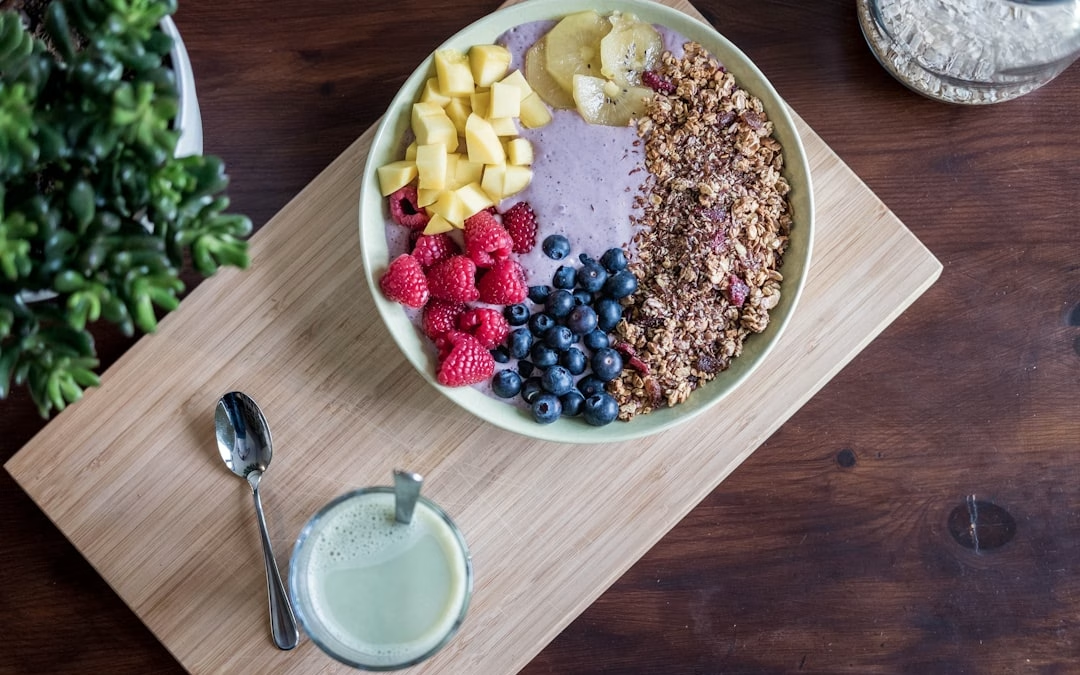
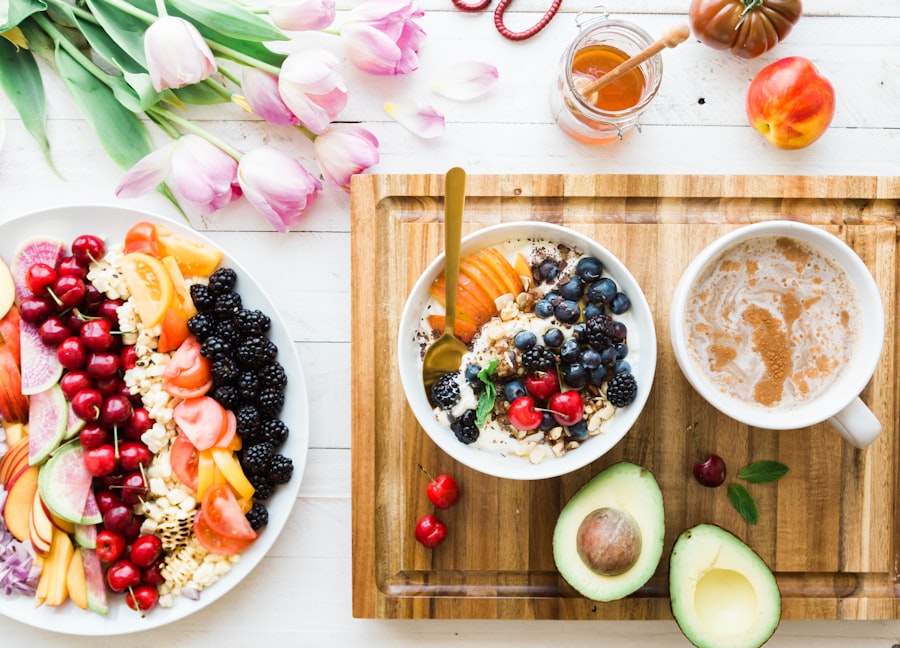
Aim for a rainbow of colors on your plate. Different colors signify different vitamins, minerals, and antioxidants. Think leafy greens for iron and folate, berries for antioxidants, and oranges for Vitamin C. Don’t be afraid to try new vegetables or fruits; you might discover a new favorite. Frozen options are just as good, if not better, as they’re often picked at peak ripeness and their nutrients are locked in.
Lean Proteins: Building Blocks and Satisfaction
Protein is crucial for muscle repair, hormone production, and keeping you feeling full. Good sources include chicken, fish, beans, lentils, tofu, and lean beef. Variety is key here too, as different protein sources offer different benefits. For example, fatty fish like salmon provide omega-3 fatty acids, which are great for brain health and reducing inflammation.
Healthy Fats: Essential for Everything
Fats often get a bad rap, but the right kinds are vital. Think avocados, nuts, seeds, olive oil, and fatty fish. These fats help absorb vitamins, support brain function, and can even help you feel more satisfied after meals. Just be mindful of portion sizes, as they are calorie-dense.
Hydration: The Unsung Hero
Water is literally life. It’s involved in almost every bodily process. Dehydration can lead to fatigue, headaches, and poor concentration, so it’s a real productivity killer.
How Much is Enough?
There’s no single magic number, as it varies with activity level, climate, and individual needs. A good starting point is to drink when you’re thirsty. Carrying a water bottle with you throughout the day is a simple but effective habit. Herbal teas also count towards your fluid intake.
Smart Carbohydrates: Energy, Not Excess
Carbs are your body’s primary energy source. The trick is choosing the right kinds of carbs.
Whole Grains Over Refined
Opt for whole wheat bread, brown rice, quinoa, and oats instead of white bread, white rice, and sugary cereals. Whole grains provide sustained energy and are packed with fiber, which aids digestion and helps regulate blood sugar.
Sugar: The Stealth Saboteur
Added sugars are hidden in so many processed foods and drinks. They offer little nutritional value and can contribute to weight gain, inflammation, and chronic diseases. Reading food labels and choosing options with minimal added sugar is a significant step.
For those interested in achieving optimal health and wellness, exploring eco-friendly living can be a transformative journey. A related article that delves into this topic is titled “Embrace Eco-Friendly Living: Tips and Trends for a Sustainable Home,” which offers valuable insights on how sustainable practices can enhance both personal well-being and environmental health. You can read more about it by visiting this link: Embrace Eco-Friendly Living.
The Power of Movement: Beyond the Gym Walls
Exercise isn’t just about aesthetics; it’s about creating a body that functions well, feels good, and can keep up with life. And it doesn’t have to mean grueling gym sessions if that’s not your thing.
Finding Joy in Activity: Consistency is Your Friend
The best exercise is the one you actually enjoy and will stick with. If you hate running, don’t force yourself to run. Explore different activities until you find something that sparks your interest.
Cardiovascular Health: Keeping Your Engine Running
Aerobic exercise, like brisk walking, cycling, swimming, or dancing, strengthens your heart and lungs. Aim for at least 150 minutes of moderate-intensity aerobic activity per week. It doesn’t have to be all at once; a 30-minute walk most days is fantastic.
Strength Training: Building Resilience
Muscle mass isn’t just for athletes. It’s crucial for metabolism, bone density, and everyday functionality. Resistance training, using weights, resistance bands, or your own body weight, helps build and maintain muscle. Even simple exercises like squats, push-ups, and lunges make a big difference.
Flexibility and Mobility: Moving Freely
Stiffness can creep in with age and inactivity. Incorporating stretching, yoga, or Pilates helps improve your range of motion, prevent injuries, and reduce muscle soreness. It’s about keeping your joints healthy and your body agile.
Integrating Movement into Daily Life: Small Changes, Big Impact
You don’t need dedicated workout time to be more active.
Sneaky Ways to Move More
Take the stairs instead of the elevator. Park further away from your destination. Go for a walk during your lunch break. Do some stretches while you watch TV. Park your car at the far end of the parking lot. Every little bit adds up.
Active Hobbies: Fun and Functional
Gardening, hiking, playing a sport with friends, or even dancing around your living room are all great ways to get your body moving and enjoy yourself at the same time.
Rest and Recovery: The Underrated Pillars
We often talk about what to do for health, but what we don’t do is equally important. Rest isn’t a luxury; it’s a fundamental biological need.
Sleep: Your Body’s Overnight Repair Crew
This is where the magic happens for cellular repair, hormone regulation, and cognitive function. Skimping on sleep has far-reaching negative consequences.
Aim for Quality, Not Just Quantity
Most adults need 7-9 hours of quality sleep per night. It’s not just about the number of hours, but also about uninterrupted, deep sleep.
Creating a Sleep Sanctuary: Tips for Better Zzzzs
- Consistent Schedule: Try to go to bed and wake up around the same time, even on weekends.
- Dark, Quiet, Cool Room: Make your bedroom a haven for sleep.
- Limit Screen Time Before Bed: The blue light from phones and computers can interfere with melatonin production.
- Wind-Down Routine: Engage in relaxing activities like reading, taking a warm bath, or gentle stretching before bed.
- Watch Your Caffeine and Alcohol Intake: Especially in the hours leading up to sleep.
Stress Management: Taming the Overwhelm
Chronic stress takes a massive toll on your physical and mental health, contributing to everything from digestive issues to heart problems. Learning to manage it is non-negotiable.
Identifying Your Stressors
The first step is recognizing what’s causing you to feel stressed. Is it work, relationships, finances, or a combination?
Practical Stress Relief Techniques
- Mindfulness and Meditation: Even a few minutes a day can make a difference in your ability to stay calm and focused.
- Deep Breathing Exercises: Simple, yet powerful techniques to activate your body’s relaxation response.
- Spending Time in Nature: Research shows that being outdoors can significantly reduce stress levels.
- Creative Outlets: Hobbies like painting, writing, or playing music can be incredibly therapeutic.
- Setting Boundaries: Learning to say “no” to commitments that will overwhelm you is a vital skill.
- Talking it Out: Connecting with friends, family, or a therapist can provide invaluable support and perspective.
Active Recovery: Giving Your Body a Break
Rest days are not lazy days; they are essential for muscle repair and preventing burnout.
Listen to Your Body
Don’t push through extreme fatigue or pain. If your body is signaling it needs a break, give it one. Active recovery could involve light walking, gentle stretching, or a leisurely bike ride.
The Importance of Downtime
Schedule periods of genuine relaxation where you’re not trying to be productive or entertained. Simply resting your mind and body is incredibly beneficial.
Mental and Emotional Well-being: The Core of It All

Optimal health isn’t just about the physical. Your mental and emotional state profoundly influences your overall well-being.
Cultivating a Positive Mindset: It’s a Choice
While not every day will be sunshine and rainbows, you can actively work on fostering a more positive outlook.
Gratitude Practice
Taking a few moments each day to acknowledge what you’re thankful for can shift your perspective. This could be as simple as jotting down three things in a notebook or just mentally reflecting.
Self-Compassion: Being Your Own Best Friend
Treat yourself with the same kindness and understanding you’d offer a friend. Acknowledge that you’re human, you’ll make mistakes, and that’s perfectly okay.
Challenging Negative Thoughts
Become aware of your thought patterns. When you catch yourself having a negative or self-defeating thought, pause and question its validity. Is it really true? What’s a more balanced or realistic perspective?
Emotional Regulation: Navigating Your Feelings
Learning to understand and manage your emotions is a lifelong skill that significantly impacts your relationships and your ability to cope with challenges.
Emotional Awareness
Pay attention to how you’re feeling. Name your emotions without judgment. Understanding what you’re feeling is the first step to managing it.
Healthy Coping Mechanisms
Instead of resorting to unhealthy habits like excessive drinking or binge eating when upset, develop constructive ways to process your emotions, such as journaling, talking to someone, or engaging in calming activities.
Building Strong Connections: The Social Fabric of Health
Humans are social creatures. Strong, supportive relationships are a cornerstone of good mental and emotional health.
Nurturing Relationships
Invest time and energy into your connections. Be present when you’re with loved ones. Show appreciation and offer support.
Setting Healthy Boundaries in Relationships
Just as important as building connections is establishing healthy boundaries. This ensures your relationships are mutually respectful and don’t drain your energy.
For those interested in achieving optimal health and wellness, exploring holistic approaches can be incredibly beneficial. One insightful resource is an article that delves into the benefits of holistic farming methods, which can enhance not only our physical health but also our connection to the environment. You can read more about these transformative practices in this article on holistic farming approaches. By integrating these principles into our daily lives, we can cultivate a more balanced and fulfilling lifestyle. To learn more, visit this article.
Proactive Health and Prevention: Staying Ahead of the Curve
| Category | Metric | Value |
|---|---|---|
| Physical Health | Body Mass Index (BMI) | 18.5 – 24.9 |
| Physical Health | Resting Heart Rate | 60 – 100 bpm |
| Mental Health | Stress Level | Low |
| Mental Health | Sleep Quality | 7-9 hours per night |
| Nutrition | Fruit and Vegetable Intake | 5 servings per day |
| Nutrition | Water Intake | 8 glasses per day |
Attaining optimal health is also about taking a proactive approach to identify and address potential health concerns before they become major problems.
Regular Health Check-ups: Your Doctor is Your Partner
Don’t wait until something feels wrong to see a doctor. Routine check-ups are crucial for early detection and prevention.
Know Your Numbers
Understand your blood pressure, cholesterol levels, blood sugar, and other key health markers. This information empowers you to make informed decisions about your health.
Vaccinations and Screenings
Stay up-to-date on recommended vaccinations and regular health screenings as advised by your healthcare provider. These are simple yet highly effective preventative measures.
Listening to Your Body’s Signals: Trust Your Intuition
Your body often provides subtle clues when something is off. Don’t dismiss persistent symptoms.
When to Seek Professional Advice
If you experience persistent pain, unusual fatigue, changes in appetite or sleep, or any other concerning symptoms, don’t hesitate to consult a healthcare professional. It’s always better to be safe than sorry.
Understanding Your Genetic Predispositions
While you can’t change your genes, understanding potential genetic risks can guide preventative strategies. This might involve more frequent screenings or lifestyle modifications.
Environmental Factors: What’s Around You Matters
Consider the impact of your environment on your health.
Air and Water Quality
Be aware of the air you breathe and the water you drink. Simple steps like using air purifiers or water filters can make a difference.
Exposure to Toxins
Minimize exposure to harmful chemicals in your home and workplace where possible. Opt for natural cleaning products and be mindful of what you’re using.
Continuous Learning and Adaptation: The Journey Never Ends
Optimal health isn’t a static achievement; it’s a dynamic process of learning, adjusting, and growing.
Staying Informed and Curious
The world of health is constantly evolving. Be open to learning new information, but also be critical of sources.
Reliable Health Information
Look for information from reputable sources like academic journals, established health organizations, and qualified healthcare professionals. Be wary of sensationalized headlines or anecdotal evidence presented as fact.
Adapting to Life Changes
Your health needs will change as you age, experience different life stages, or encounter unexpected challenges. Be prepared to adapt your routines and strategies accordingly.
Setting Realistic Goals and Celebrating Progress
Big changes can feel overwhelming. Break them down into smaller, manageable steps.
SMART Goals
When setting goals for yourself, make them Specific, Measurable, Achievable, Relevant, and Time-bound. This helps keep you focused and motivated.
Acknowledge Your Wins
Don’t forget to celebrate your successes along the way, no matter how small they may seem. This positive reinforcement is crucial for long-term motivation.
Embracing Imperfection: It’s About Progress, Not Perfection
There will be days when you deviate from your plan. That’s normal. The key is not to let one off day derail your entire journey. Get back on track with your next meal or your next workout.
The 80/20 Rule: A Practical Approach
Consider the 80/20 rule: aim for healthy choices 80% of the time, and allow yourself flexibility for the other 20%. This approach is much more sustainable and prevents burnout.
Seeking Support When Needed
Don’t be afraid to ask for help. Whether it’s from friends, family, a coach, or a healthcare professional, having a support system is invaluable.
Attaining optimal health and wellness isn’t about achieving a flawless state, but about building a life where you feel strong, energized, balanced, and resilient. It’s a continuous, conscious effort to care for your body and mind, one intentional choice at a time.
