
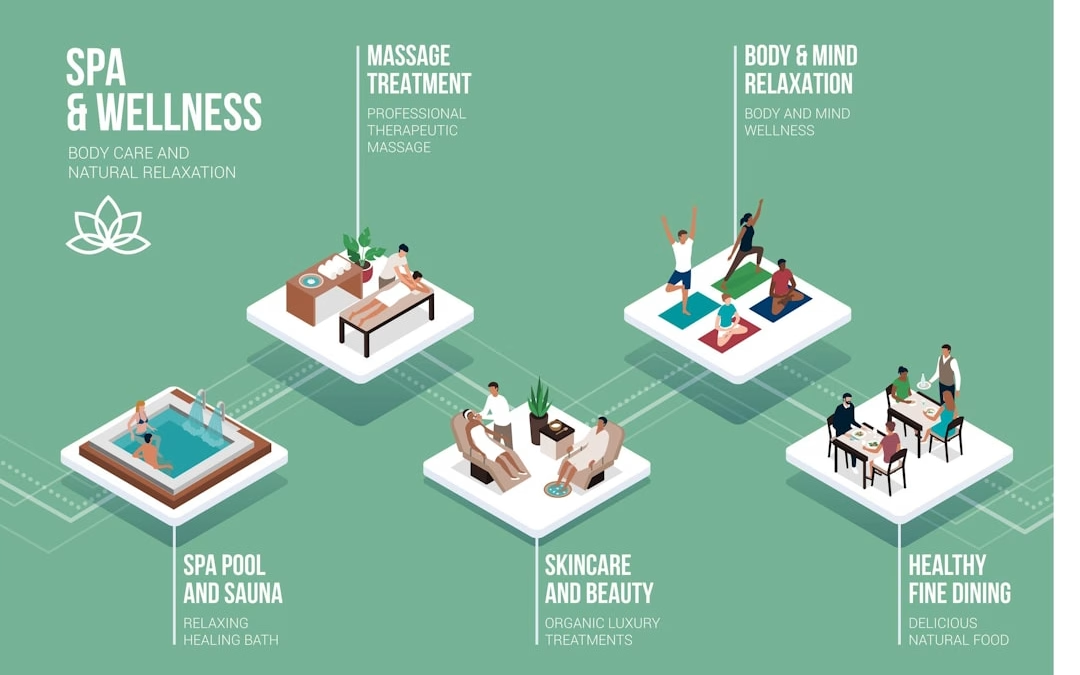
So, how can workplace wellness programs actually help your employees (and by extension, your business)? The short answer is: by making it easier for people to be healthier, which leads to fewer sick days, better focus, and a more positive work environment. It’s not about mandatory yoga sessions or guilt trips; it’s about creating an atmosphere where well-being is supported and accessible. Think of it as an investment in your most valuable asset – your people.
Let’s cut through the jargon. When we talk about workplace wellness programs, we’re not just talking about throwing a few fruit baskets in the breakroom. It’s a broader strategy designed to encourage and facilitate healthy behaviors among employees. This can span a huge range of initiatives, from supporting mental health to promoting physical activity and even financial well-being. The core idea is to proactively address health issues before they become major problems, benefiting both the individual and the organization. It’s about creating a culture where taking care of yourself isn’t an afterthought, but a natural part of the workday.
Why Bother with Wellness Programs Anyway?
It might seem like an extra expense, but the reality is that unhealthy employees cost businesses a lot of money. Beyond direct healthcare costs, there’s lost productivity due to absenteeism (when people aren’t there) and presenteeism (when people are there but not fully functional due to illness or stress). Think about it: a team member struggling with chronic pain, anxiety, or burnout is unlikely to be at their sharpest. Wellness programs aim to mitigate these issues by providing resources and support.
Beyond the Hype: Tangible Benefits
- Reduced Healthcare Costs: This is often the headline-grabber, and for good reason. When employees are healthier, they use fewer medical services, leading to lower insurance premiums and out-of-pocket expenses for both the company and the individuals.
- Increased Productivity and Engagement: A healthy workforce is generally a more productive workforce. Employees who feel good physically and mentally are more likely to be focused, creative, and engaged in their work.
- Improved Morale and Retention: When employees feel valued and cared for, their morale tends to be higher. This can lead to increased loyalty and a lower turnover rate, saving the significant costs associated with recruiting and training new staff.
- Lower Absenteeism and Presenteeism: Fewer sick days and more focused working days directly translate to better output and efficiency.
Workplace wellness programs have gained significant attention in recent years as companies recognize the importance of employee health and well-being. A related article that explores the broader implications of wellness initiatives can be found at this link. While the article primarily focuses on composting and sustainable practices, it highlights the connection between a healthy environment and overall wellness, which is a key consideration for effective workplace wellness programs. By fostering a culture of health, organizations can enhance employee productivity and satisfaction.
Designing a Program That Actually Works
So, you’re convinced it’s a good idea. Great. But how do you actually build a program that resonates with your team and delivers results? It’s not a one-size-fits-all situation. What works for one company might bomb for another. The key is to understand your specific workforce and their needs.
Knowing Your Audience: The Needs Assessment
Before you roll out any initiatives, you need to know what your employees are actually dealing with. This means doing some homework.
Conducting Employee Surveys
Anonymous surveys are your best friend here. Ask questions about their current health habits, pain points, stress levels, and what kinds of support they feel they’re missing. Keep it concise and easy to complete.
Analyzing Health Data (Anonymously!)
If your company offers health insurance, you might be able to access aggregated, anonymized data on claims and health trends. This can reveal common health issues within your workforce that you might not be aware of. Remember, this is purely for understanding broader patterns, not for individual tracking.
Gathering Feedback Through Focus Groups
Sometimes a survey doesn’t capture the nuance. Small, informal focus groups can provide deeper insights into how employees feel about their well-being and what barriers they face. Ensure these are safe spaces for honest feedback.
Tailoring Initiatives to Your Workforce
Once you have a clear picture of your employees’ needs, you can start to build a program that’s relevant.
Physical Health Focus
This is often the first thing people think of.
Encouraging Movement
- Walking Challenges: Gamified challenges can be fun and encourage people to get their steps in. Offer small prizes or team recognition.
- Subsidized Gym Memberships or On-site Fitness: If feasible, offering discounts on local gyms or even setting up a small on-site fitness area can be a big draw.
- Ergonomic Assessments: For those spending a lot of time at desks, proper ergonomic setups can prevent musculoskeletal issues and improve comfort.
- Active Break Prompts: Encourage short bursts of stretching or movement throughout the day. Technology can even help with reminders.
Nutrition Support
- Healthy Snack Initiatives: Stocking the breakroom with healthier options like fruits, nuts, and yogurt can make a difference in daily choices.
- Educational Workshops: Bring in nutritionists for talks on healthy eating, meal prep, or managing dietary restrictions.
- Providing Healthy Catering Options: When ordering food for meetings or events, prioritize nutrient-dense choices.
Mental Health and Stress Management
This is arguably even more critical today.
Stress Reduction Resources
- Mindfulness and Meditation Apps: Offer subsidized access to popular apps that guide users through relaxation techniques.
- Quiet Spaces: Designate a small, quiet room where employees can take a break to decompress, meditate, or simply have a moment of peace.
- EAP (Employee Assistance Program) Promotion: Make sure employees know about and are encouraged to use their EAP. This provides confidential counseling and support for a range of personal and work-related issues.
Building Resilience
- Workshops on Stress Management Techniques: Teach practical skills for coping with stress and building emotional resilience.
- Promoting Work-Life Balance: Encourage reasonable work hours and discourage a culture of constant availability. Leaders should model this behavior.
- Manager Training on Mental Well-being: Equip managers with the skills to recognize signs of distress in their team members and offer appropriate support.
Financial Well-being
Money stress can significantly impact overall health.
Financial Literacy Programs
- Budgeting Workshops: Help employees learn to manage their money effectively.
- Retirement Planning Seminars: Provide guidance on saving for the future.
- Debt Management Resources: Offer access to information or support for tackling debt.
Making it Accessible and Inclusive
The best wellness programs are those that everyone can participate in and benefit from.
Considering Different Needs and Abilities
- Offer a Variety of Activities: Not everyone enjoys high-intensity workouts. Include options like gentle yoga, walking groups, or educational sessions.
- Remote Work Considerations: Ensure initiatives are accessible to remote employees. This might mean virtual classes, digital resources, or stipend programs for home office ergonomics.
- Cultural Sensitivity: Be mindful of cultural differences and preferences when designing and promoting programs.
Communication is Key
- Clear and Consistent Messaging: Regularly communicate what your wellness program offers and how to access it. Use multiple channels – email, intranet, team meetings.
- Leadership Buy-in and Participation: When leaders actively participate in and champion wellness initiatives, it sends a powerful message to the rest of the team.
- Feedback Loops: Continuously solicit feedback on the program and be willing to adapt based on what you learn.
Measuring the Impact: Is It Actually Working?

It’s not enough to just launch a program; you need to know if it’s making a difference. Measuring the impact helps you understand what’s working, what’s not, and where to allocate resources.
Tracking Key Metrics
- Participation Rates: How many people are engaging with the different aspects of the program? This gives you a baseline understanding of interest.
- Health Outcomes Data (Aggregated/Anonymized): Look for trends in things like reduced sick days, fewer claims for specific conditions (e.g., stress-related illnesses, musculoskeletal issues), or improvements in biometric screenings (if offered).
- Employee Feedback and Satisfaction: Surveys specifically about the wellness program can gauge how employees perceive its value and effectiveness.
Qualitative Assessment
Beyond the numbers, what are people saying?
Employee Testimonials and Stories
Hearing directly from employees about how the program has positively impacted their lives can be incredibly powerful.
Observing Changes in Workplace Culture
Are people more open to discussing well-being? Is there a general sense of support and a reduction in stress-related complaints? These are subtle but important indicators.
Common Pitfalls to Avoid

It’s easy to get this wrong. Many well-intentioned wellness programs fall flat because they overlook some critical aspects.
The “One-Size-Fits-All” Trap
As we’ve hammered home, forcing the same set of activities on everyone rarely works. People are individuals with diverse needs and preferences.
Lack of Genuine Leadership Support
If leadership is just going through the motions or doesn’t visibly endorse the program, employees will likely see it as just another corporate initiative with no real substance.
Overly Ambitious or Complex Programs
Starting too big can be overwhelming. It’s better to begin with a few well-executed initiatives and build from there. Simplicity often leads to higher engagement.
Focusing Only on Physical Health
While important, neglecting mental and financial well-being means you’re only addressing part of the puzzle. Holistic well-being is the goal.
Making it Mandatory or Punitive
Wellness should be empowering, not compulsory. Employees should feel encouraged to participate, not forced. And never use participation or lack thereof for performance reviews.
Inconsistent Communication
If employees don’t know about the program or forget about it because it’s rarely communicated, it won’t be effective.
Workplace wellness programs have gained significant attention in recent years as companies strive to enhance employee well-being and productivity. A related article discusses the benefits of incorporating organic gardening into these programs, highlighting how activities like growing heirloom seeds can foster a sense of community and improve mental health. For more insights on this topic, you can read the article on organic gardening and its potential impact on workplace wellness initiatives.
The Long Game: Embedding Wellness into Your Culture
| Metrics | 2018 | 2019 | 2020 |
|---|---|---|---|
| Employee Participation | 65% | 70% | 75% |
| Healthcare Cost Savings | 5% | 7% | 10% |
| Employee Satisfaction | 80% | 85% | 90% |
Ultimately, the most successful workplace wellness programs aren’t just a series of initiatives. They become an integral part of the company’s culture. It’s about shifting the mindset from reacting to health problems to proactively fostering well-being.
Fostering a Supportive Environment
This means encouraging open conversations about stress, workload, and personal challenges. It means managers are trained to be empathetic and supportive.
Continuous Improvement and Adaptation
The needs of your workforce will change over time. So should your wellness program. Regularly review, evaluate, and adapt your offerings to ensure they remain relevant and impactful.
It’s a Marathon, Not a Sprint
Don’t expect overnight miracles. Building a culture of well-being takes time, consistent effort, and a genuine commitment from all levels of the organization. But the reward – a healthier, happier, and more productive workforce – is well worth the investment. By focusing on practical, employee-centric approaches, you can create a workplace wellness program that truly benefits everyone.
