
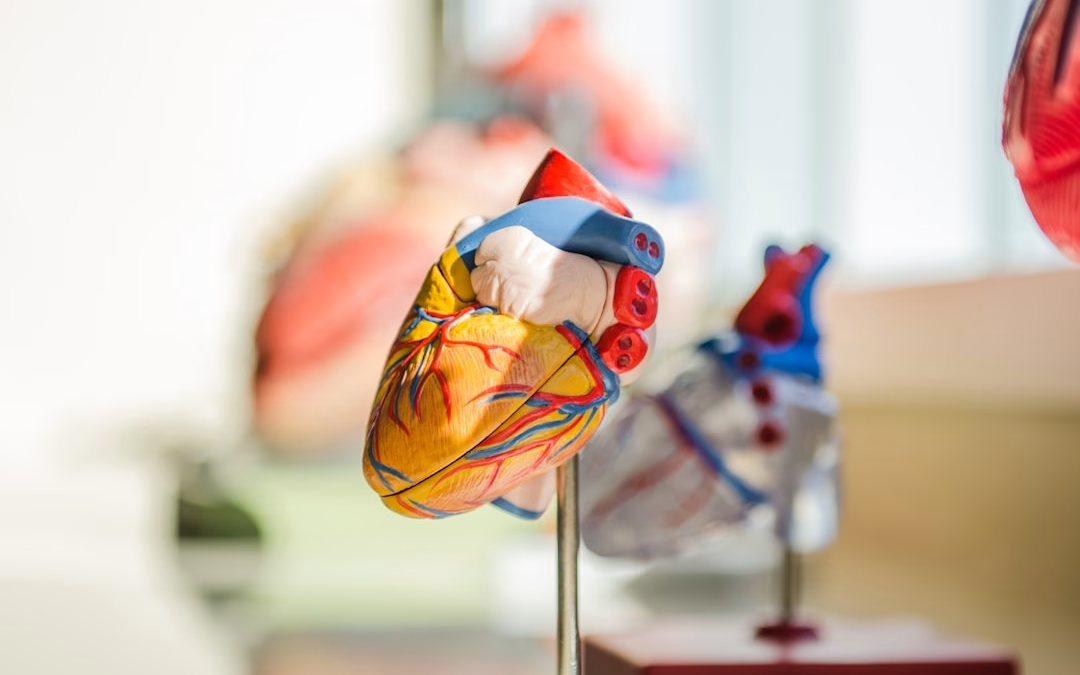
When you think about keeping your body running smoothly, your heart probably comes to mind. And when it comes to your heart’s health, there’s one specialist you really want to know about: the cardiologist. So, what exactly does this person do, and why are they such a big deal for your well-being? In short, cardiologists are doctors who specialize in diagnosing, treating, and preventing diseases and conditions that affect your heart and blood vessels. They are the experts who help you navigate everything from high blood pressure to serious heart attacks, and they play a crucial role in ensuring your cardiovascular system stays in good shape for the long haul.
It’s easy to lump all doctors together, but cardiology is a deeply specialized field. Think of it like this: a general practitioner is like your family doctor, who has a broad understanding of many health issues. A cardiologist, on the other hand, is like a highly trained mechanic specifically for your car’s engine and its fuel lines. They’ve dedicated years to understanding the intricate workings of the cardiovascular system, from the tiniest capillaries to the mighty aorta.
The Long Road to Expertise
Becoming a cardiologist isn’t a quick process. After completing medical school, which is typically four years, a doctor needs to go through a rigorous residency program, usually in internal medicine, which lasts another three to four years. This is where they gain broad experience in treating a wide range of adult illnesses. Following that, they embark on a specialized fellowship in cardiology, which can take another three to four years. During this fellowship, they dive deep into heart-specific diseases, learning about diagnosis, treatment, and cutting-edge research. It’s a very demanding path, but it ensures they have the knowledge and skills to tackle complex heart issues.
Beyond the Basics: Subspecialties Within Cardiology
The field of cardiology itself is so extensive that many cardiologists choose to further specialize. This allows them to become even more expert in a particular area.
Interventional Cardiology
These are the cardiologists who perform procedures using catheters – thin, flexible tubes – inserted into blood vessels. Think of angioplasties, where they open blocked arteries, or placing stents to keep them open. They’re like the surgeons of the blood vessels, but often with less invasive techniques.
Electrophysiology (EP)
EP cardiologists focus on the electrical system of the heart. They diagnose and treat problems like irregular heartbeats (arrhythmias), pacemakers, and defibrillators. They’re the ones who can zap away faulty electrical pathways or implant devices to keep your heart beating in rhythm.
Heart Failure Specialists
These doctors manage patients with weakened hearts that can’t pump blood effectively. Their focus is on improving quality of life and managing symptoms for individuals dealing with chronic heart failure, often through medication, lifestyle changes, and sometimes advanced therapies.
Congenital Heart Disease Specialists
This subspecialty deals with heart problems that people are born with. While many congenital heart defects are found in childhood, some adult patients have them too, and these cardiologists are experts in their long-term management.
Advanced Heart Failure and Transplant Cardiology
A more focused branch of heart failure, these specialists often oversee patients who are candidates for or have undergone heart transplantation, alongside other advanced mechanical support devices.
For those interested in exploring the intersection of heart health and natural remedies, a related article that may provide valuable insights is available at Explore Natural Remedies for a Healthier Life. This article delves into various holistic approaches that can complement traditional cardiology practices, offering readers a broader perspective on maintaining cardiovascular wellness through natural means.
When Should You See a Cardiologist?
You don’t necessarily need to wait until you have a heart problem to have a conversation with a cardiologist. In fact, in many cases, your primary care physician will be your first point of contact. However, there are specific situations and symptoms that would prompt a referral or a direct visit to a heart specialist.
Recognizing the Warning Signs
Your body often sends signals when something isn’t right. For your heart, these can include:
- Chest Pain or Discomfort: This is the classic symptom, but it can manifest in various ways – a squeezing, pressure, fullness, or pain in the center of your chest. It might spread to your arm, jaw, neck, or back. Don’t ignore it, especially if it’s new or worsens with exertion.
- Shortness of Breath: Feeling winded during activities you used to handle easily, or even at rest, can be a sign your heart isn’t pumping efficiently.
- Palpitations: A sensation of your heart racing, fluttering, pounding, or skipping beats. While not always serious, it’s worth checking out.
- Swelling (Edema): Unexplained swelling in your legs, ankles, or feet can indicate fluid buildup, a common sign of heart failure.
- Fatigue and Weakness: Persistent, unusual tiredness can be linked to reduced blood flow to your muscles.
Beyond Symptoms: Risk Factors and Prevention
Even if you’re not experiencing symptoms, a cardiologist can be invaluable for preventive care, especially if you have risk factors.
High Blood Pressure (Hypertension)
This is often called the “silent killer” because it has no symptoms. Consistent high blood pressure damages your arteries and strains your heart over time. A cardiologist can help manage it effectively.
High Cholesterol
Elevated cholesterol levels can lead to plaque buildup in your arteries, increasing your risk of heart attack and stroke. They can recommend lifestyle changes and medications to control it.
Diabetes
Diabetes significantly increases the risk of cardiovascular disease. Cardiologists work closely with endocrinologists to manage diabetes and minimize its impact on your heart.
Family History
If heart disease runs in your family, especially at a younger age, it’s wise to have a cardiologist assess your individual risk and recommend proactive measures.
Lifestyle Factors
Smoking, a sedentary lifestyle, obesity, and a history of stress are all serious contributors to heart problems. A cardiologist can provide personalized advice and strategies to mitigate these risks.
Regular Check-ups for Peace of Mind
For some individuals, especially those with known heart conditions or significant risk factors, regular follow-up appointments with a cardiologist are essential. These visits help monitor the progression of any condition, adjust treatments, and catch potential problems before they become serious emergencies.
How Do Cardiologists Diagnose Heart Conditions?

Cardiologists have a remarkable toolkit for understanding what’s going on inside your chest. They combine detailed patient histories with a range of advanced diagnostic tests.
The Power of Conversation and Physical Exam
Before any machines are involved, a cardiologist will talk to you extensively. This isn’t just small talk; they’re gathering vital information.
Taking Your History
They’ll ask about your symptoms, when they started, what makes them better or worse, and any family history of heart disease. They’ll also inquire about your lifestyle, diet, exercise habits, and any medications you’re taking.
The Physical Examination
This involves listening to your heart and lungs with a stethoscope, checking your pulse, and looking for any signs of swelling or other physical clues.
Essential Diagnostic Tests
Once they have a baseline understanding, cardiologists use a variety of tests to get a clearer picture.
Electrocardiogram (ECG or EKG)
This is a common and painless test that records the electrical activity of your heart. It can detect heart attacks, arrhythmias, and other electrical issues. They’ll place small sticky electrodes on your chest, arms, and legs.
Echocardiogram (Echo)
This is an ultrasound of your heart. It uses sound waves to create images of your heart’s chambers, valves, and walls, showing how well it’s pumping and if there are any structural problems.
Stress Test
This test evaluates how your heart performs under exertion. You’ll typically walk on a treadmill or ride a stationary bike while your heart’s activity, blood pressure, and breathing are monitored. If you can’t exercise, medication can be used to simulate the effects of exercise.
Cardiac MRI and CT Scans
These advanced imaging techniques provide detailed cross-sectional views of the heart and blood vessels, helping to detect blockages, assess heart muscle damage, and evaluate the aorta.
Cardiac Catheterization and Angiogram
This is a more invasive procedure where a thin, flexible tube (catheter) is inserted into a blood vessel (usually in the groin or arm) and guided to the heart. A dye is injected to visualize the coronary arteries and identify any blockages. This can also be used to perform interventions like angioplasty.
Holter Monitor, Event Monitor, and Mobile Cardiac Telemetry
These are portable devices that continuously record your heart’s electrical activity for extended periods (24 hours to several weeks). They are particularly useful for diagnosing intermittent arrhythmias or palpitations that might not show up on a standard ECG.
What Types of Conditions Do Cardiologists Treat?

The scope of what a cardiologist handles is broad, covering a wide spectrum of heart and blood vessel issues.
Coronary Artery Disease (CAD)
This is the most common type of heart disease, where plaque builds up in the arteries that supply blood to the heart muscle. This can lead to angina (chest pain) and heart attacks.
Heart Failure
When the heart muscle is weakened and can’t pump blood effectively to meet the body’s needs, it’s called heart failure. Cardiologists manage this condition with medication, lifestyle changes, and sometimes advanced treatments.
Arrhythmias
These are problems with the heart’s rhythm, where the heart beats too fast, too slow, or irregularly. Arrhythmias can range from harmless to life-threatening.
Valvular Heart Disease
The heart has four valves that control blood flow. If these valves aren’t working properly, it can lead to a variety of problems, from leaking to narrowing, all of which a cardiologist can assess and manage.
Congenital Heart Defects
These are heart conditions present at birth. While many are treated in childhood, some adult patients live with them and require ongoing cardiology care.
Peripheral Artery Disease (PAD)
This condition affects the blood vessels in the limbs, most commonly the legs. It’s often caused by the same buildup of plaque that affects the heart’s arteries.
Hypertension (High Blood Pressure) and High Cholesterol
As mentioned earlier, managing these critical risk factors is a primary role for cardiologists in preventing more serious cardiovascular events.
Cardiomyopathy
This is a disease of the heart muscle itself, making it harder for the heart to pump blood throughout the body. There are several types, and a cardiologist will diagnose and manage them.
For those interested in the intersection of health and environmental practices, a fascinating article on regenerative agriculture can provide insights into how sustainable farming methods can impact overall well-being. By exploring the benefits of these practices, cardiologists and other healthcare professionals may find valuable information that connects lifestyle choices with heart health. To learn more about these powerful methods, you can read the article here.
The Cardiologist’s Role in Your Overall Health Journey
| Metrics | Value |
|---|---|
| Number of Cardiologists | 10,000 |
| Cardiology Procedures Performed | 500,000 |
| Cardiology Consultations | 1,000,000 |
| Cardiology Research Publications | 5,000 |
Seeing a cardiologist isn’t just about treating a sick heart; it’s about integrating heart health into your entire well-being. They often work as part of a larger healthcare team.
Collaboration with Other Specialists
Cardiologists don’t work in a vacuum. They frequently collaborate with:
- Primary Care Physicians: For initial referrals and ongoing management of general health.
- Endocrinologists: To manage diabetes, which is a major risk factor for heart disease.
- Nephrologists: For patients with kidney disease, which often goes hand-in-hand with heart problems.
- Surgeons (including Cardiac Surgeons): For those who may need procedures like bypass surgery or valve replacement.
- Dietitians and Nutritionists: To develop heart-healthy eating plans.
- Rehabilitation Specialists: For post-heart event recovery and exercise programs.
Lifestyle as Medicine
A significant part of a cardiologist’s approach involves empowering patients to make lifestyle changes. This isn’t about prescribing pills only; it’s about guiding you towards healthier habits.
Diet Recommendations
They’ll often suggest dietary patterns that are lower in saturated fats, sodium, and added sugars, and rich in fruits, vegetables, and whole grains.
Exercise Guidance
Understanding your physical capabilities, they’ll help create safe and effective exercise plans to strengthen your heart and improve your overall fitness.
Smoking Cessation Support
For smokers, quitting is one of the most impactful things they can do for their heart health. Cardiologists can offer resources and support for quitting.
Stress Management
Chronic stress can take a toll on your heart. They might encourage techniques like mindfulness, yoga, or other relaxation methods, and can refer you to specialists if needed.
Empowering You with Knowledge
Ultimately, a good cardiologist aims to make you an informed participant in your own health. They spend time explaining your condition, the purpose of treatments, and what you can do to stay healthy. This knowledge can reduce anxiety and improve adherence to treatment plans, leading to better outcomes. They are your dedicated partners in ensuring your heart keeps beating strong, allowing you to live a full and active life.
