

Looking at health and wellness as a single, narrow path isn’t doing us any favors. The reality is, what works for one person might not even register for another. Embracing a diversified approach means recognizing that true well-being is a complex tapestry woven from many threads – physical, mental, emotional, and even environmental. It’s about personalizing your journey, pulling from a broader toolkit to build a routine that genuinely supports your unique needs and goals.
Movement isn’t just about intense workouts or logging miles. It’s about finding ways to use your body that feel good and support your overall function.
Beyond the Gym: Varied Exercise Approaches
For many, the idea of “exercise” conjures images of sweaty gyms and strict routines. While those can be effective, they’re not the only, or even always the best, options.
Integrating Low-Impact Activities
Things like walking, swimming, cycling, or even gentle yoga can be incredibly beneficial. They reduce strain on joints, improve cardiovascular health, and can be sustained more easily over time. This is especially important as we age or if we’re dealing with chronic conditions. Think about a regular brisk walk during your lunch break, or making a point to use stairs instead of elevators. These small shifts add up.
Exploring Mind-Body Practices
Practices like Pilates, Tai Chi, and even certain dance forms integrate physical movement with mental focus. They improve flexibility, balance, and coordination, all while reducing stress. Moving with intention, rather than just going through the motions, can be a powerful way to connect with your body.
Functional Movement in Daily Life
Can you incorporate more movement into your everyday? Gardening, playing with children or pets, taking a standing break instead of sitting for hours, or even active commuting (walking or biking to work) are all forms of functional movement. It’s about making your environment work for you, rather than feeling like movement is another chore to add to your list.
In exploring the multifaceted approach to diversified health and wellness, one can gain valuable insights from the article on regenerative agriculture methods. This piece highlights how sustainable farming practices not only enhance soil health but also contribute to overall well-being by providing nutrient-rich food sources. For more information on this vital topic, you can read the article here: Discover Powerful Regenerative Agriculture Methods.
Nurturing Mental and Emotional Well-being
Your mind and emotions are inseparable from your physical health. Ignoring them is like trying to fix a leaky faucet while the pipes are bursting elsewhere. A diverse approach acknowledges this interplay.
Techniques for Stress Management
Stress is unavoidable, but how we manage it significantly impacts our overall health. Having a range of tools helps.
Mindfulness and Meditation Practices
You don’t need to become a zen master to benefit from these. Even five minutes of focused breathing can lower your heart rate and calm your nervous system. Apps, guided sessions, or simply finding a quiet space to observe your thoughts without judgment can make a difference. The goal isn’t to stop thinking, but to notice thoughts without getting swept away by them.
The Power of Creative Expression
Art, music, writing, or any creative outlet can serve as a powerful emotional release and a way to process experiences. It doesn’t have to be “good” or for an audience; the act of creating itself can be therapeutic. This taps into a different part of your brain and can be a wonderful distraction from worry.
Building Social Connections
Humans are social creatures. Genuine connection reduces feelings of loneliness and isolation, which are significant risk factors for physical and mental health issues. This could mean deep conversations with close friends, joining a community group, volunteering, or simply reaching out to family members. Quality over quantity is often key here.
Addressing Emotional Regulation
Understanding and managing emotions is a skill that can be developed, not just something you’re born with.
Journaling for Self-Reflection
Writing down your thoughts and feelings can help you identify patterns, understand triggers, and process difficult emotions. It provides a safe space to explore without judgment and can lead to valuable insights. It’s a low-stakes way to check in with yourself.
Seeking Professional Support When Needed
Sometimes, the best thing you can do is talk to someone trained to help navigate complex emotions. Therapy or counseling isn’t a sign of weakness; it’s a proactive step towards better mental health. There are many different approaches, so finding the right fit for you is important.
Personalized Nutrition Strategies
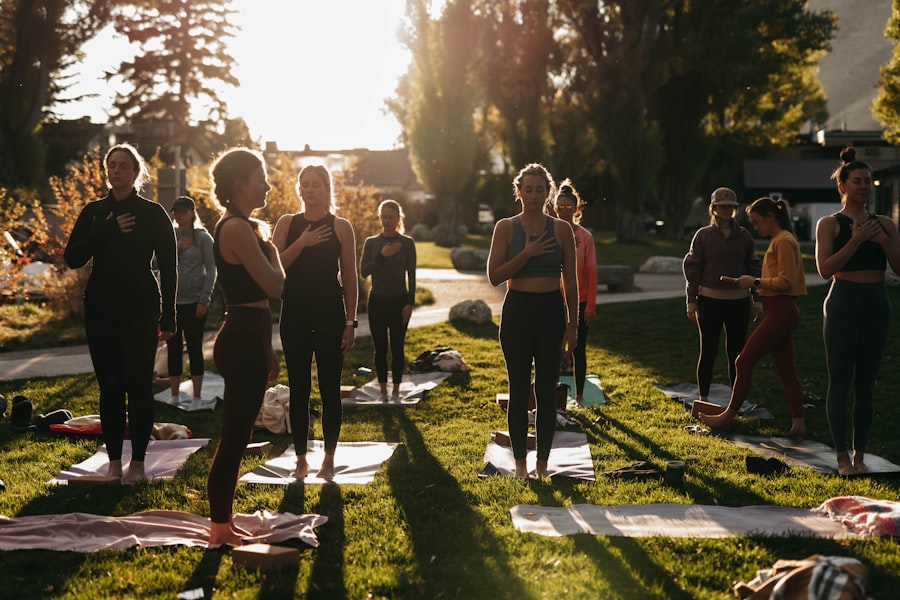
There’s no one-size-fits-all diet. What keeps one person energized might leave another feeling sluggish. Diversifying your approach to nutrition means listening to your body and understanding its unique needs, rather than chasing every new trend.
Moving Beyond Restrictive Diets
Focusing on restriction often creates a cycle of deprivation and cravings. A more sustainable approach emphasizes balance and nutrient density.
Emphasizing Whole, Unprocessed Foods
Regardless of specific dietary choices (vegetarian, paleo, etc.), prioritizing whole foods like fruits, vegetables, lean proteins, and healthy fats is foundational. These foods provide essential nutrients without the artificial additives often found in processed items. Think about building your meals around real ingredients.
Understanding Macronutrient Balance
The right balance of carbohydrates, proteins, and fats can vary for individuals based on activity levels, age, and metabolic health. Learning what ratio makes you feel best – whether it’s higher protein, moderate carbs, or more healthy fats – is key to sustained energy and satiety. It’s not about demonizing any one group, but finding your personal sweet spot.
The Role of Hydration
Often overlooked, adequate water intake impacts everything from metabolism and energy levels to skin health and cognitive function. Diversified health means remembering the basics, and proper hydration is as basic as it gets. Don’t underestimate its silent power.
Exploring Dietary Flexibility
Staying open to different approaches and being willing to adjust based on how you feel.
Mindful Eating Practices
Beyond what you eat, how you eat matters. Slowing down, savoring flavors, and paying attention to hunger and fullness cues can improve digestion, reduce overeating, and increase satisfaction. It connects your mind to your meal.
Incorporating Functional Foods
Certain foods, beyond their basic nutritional value, offer specific health benefits. Think fermented foods for gut health, omega-3 rich foods for inflammation, or antioxidant-packed berries. Incorporating a variety of these can enhance your body’s natural functions.
Adapting to Life Stages and Conditions
Your nutritional needs will change throughout your life – during pregnancy, intense training periods, or dealing with a specific health condition. Being flexible and adapting your diet to these evolving needs is a crucial part of diversified wellness. What worked at 20 might not work at 40.
The Importance of Environmental Factors

Our immediate surroundings and the broader world around us significantly impact our well-being. A diversified approach looks beyond just internal factors.
Creating Health-Supportive Spaces
The physical and sensory aspects of your environment play a larger role than you might think.
Optimizing Your Home Environment
A cluttered space can contribute to mental clutter. Think about how light, air quality, and even the organization of your home impact your mood and productivity. Small changes like decluttering a frequently used area or adding plants can make a difference. Consider the comfort of your sleep space, too – a good mattress and proper bedding are investments in your rest.
Connecting with Nature
Spending time outdoors, whether in a park, forest, or by water, has documented benefits for stress reduction, mood improvement, and even immune function. It’s a reminder that we are part of a larger ecosystem. Even a daily walk in a green space counts.
Minimizing Toxin Exposure
This involves everything from being mindful of cleaning products and personal care items to understanding air and water quality in your area. While you can’t control everything, making informed choices where you can contribute to a healthier internal and external environment.
Leveraging External Resources
Beyond your personal space, utilizing what’s available in your community and beyond.
Community and Green Spaces
Access to parks, community gardens, walking trails, and public recreation centers supports both physical activity and social connection. Advocating for or utilizing these resources is a way to foster collective well-being.
Sustainable Living Practices
Considering how your actions impact the planet is also a form of diversified health. Reducing waste, conserving energy, and supporting ethical consumption can reduce stress about the future and align with a broader sense of responsibility. It can be empowering to make choices that benefit more than just yourself.
In the pursuit of diversified health and wellness, many individuals are exploring sustainable living practices, such as small-scale farming. This approach not only promotes physical health through fresh produce but also enhances mental well-being by fostering a connection with nature. For those interested in this lifestyle, a related article offers valuable insights and practical tips on how to thrive in small-scale farming. You can read more about it in this informative piece on successful small-scale farming. Embracing these practices can lead to a more balanced and fulfilling life.
Continuous Learning and Adaptation
| Category | Metrics |
|---|---|
| Physical Health | Exercise frequency, BMI, blood pressure, cholesterol levels |
| Mental Health | Stress levels, anxiety, depression, sleep quality |
| Nutrition | Caloric intake, macronutrient balance, fruit and vegetable consumption |
| Wellness Programs | Participation rate, satisfaction levels, impact on health outcomes |
Embracing diversified health and wellness isn’t a one-time decision; it’s an ongoing journey of learning and adjusting. What works today might need tweaking tomorrow.
Staying Informed and Critical
The wellness space is full of information, some good, some not so much. Developing a critical lens is essential.
Researching Credible Sources
Before adopting a new practice or belief, look for evidence-based information. Reputable scientific journals, professional health organizations, and qualified experts are good places to start. Be wary of sensational claims or quick fixes.
Understanding Bio-Individuality
Recognize that everyone’s body and mind are unique. What works wonders for your friend might not be right for you, and that’s perfectly normal. This is perhaps the most critical aspect of diversified health – personalizing everything.
Challenging Dogma and Old Beliefs
Don’t be afraid to question conventional wisdom or even past practices you’ve held. As new research emerges and you evolve, your approach to wellness should also adapt. Growth means letting go of what no longer serves you.
Developing a Flexible Wellness Toolkit
Instead of rigidly adhering to one system, build a varied collection of practices you can draw upon as needed.
Adapting to Changing Life Circumstances
Life throws curveballs. Stressful periods, illness, new jobs, or family changes will necessitate shifts in your routine. Having a diverse toolkit means you won’t be derailed if one practice becomes temporarily unavailable or ineffective.
Regular Self-Assessment
Periodically check in with yourself. How are you feeling physically? Mentally? Emotionally? Is your current approach supporting your goals? What areas might need more attention? This isn’t about judgment, but about honest evaluation.
Embracing Experimentation
View your wellness journey as an ongoing experiment. Try new things, observe the results, keep what works, and discard what doesn’t. This mindset fosters curiosity and prevents stagnation, ensuring your health and wellness journey remains dynamic and truly yours. There’s no failing, only learning.
