
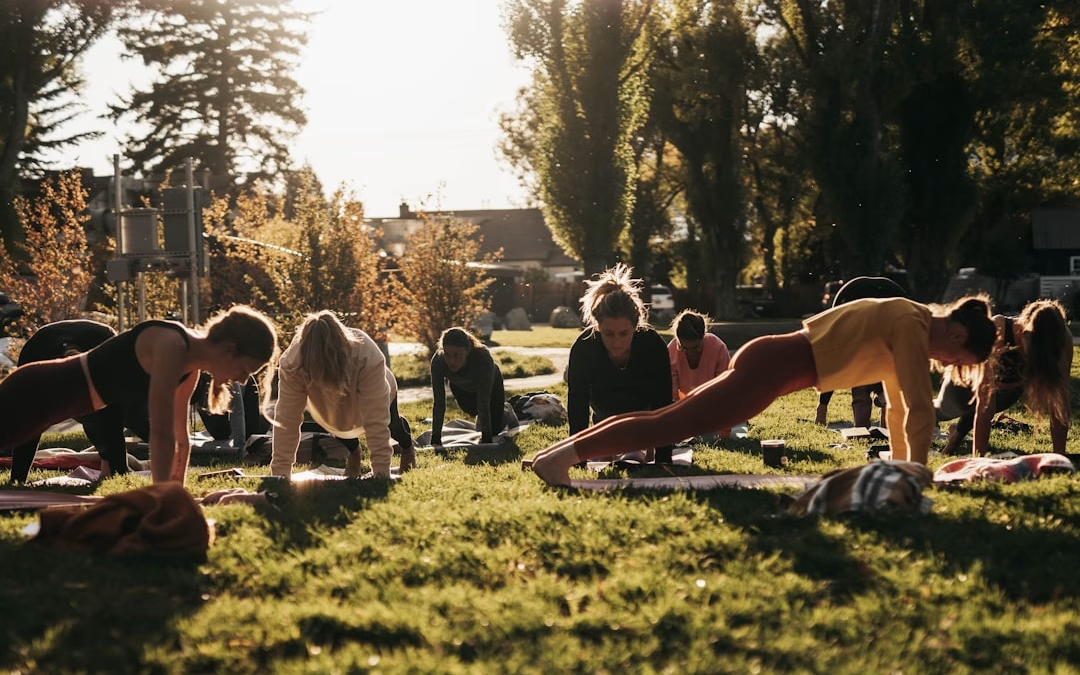
Holistic wellness is all about looking at your health from every angle – mind, body, and spirit – to create a truly balanced and fulfilling life. It’s not just about addressing symptoms when they pop up, but about nurturing all aspects of yourself so you can thrive. Think of it as a comprehensive approach to feeling good, inside and out. Instead of focusing on one area, like just diet or just exercise, it’s about understanding how everything connects and influences each other.
Understanding Holistic Wellness
Holistic wellness isn’t a new-fangled idea; it’s a concept rooted in ancient wisdom that recognizes the interconnectedness of all living things. In essence, it means viewing your health not as a series of isolated parts, but as a complex, dynamic system where each component affects the others. If one area is out of whack, it’s likely to ripple into other parts of your life.
For example, when you’re stressed (a mental and emotional factor), it can lead to physical symptoms like headaches or digestive issues. Conversely, a lack of physical activity can dampen your mood and energy levels. Holistic wellness encourages you to pay attention to these subtle (and not-so-subtle) interactions and proactively ensure all your needs are being met. It’s about building resilience and fostering well-being so you can navigate life’s inevitable ups and downs with greater ease and vitality.
Taking care of your body is a foundational piece of the holistic wellness puzzle. It’s not about striving for perfection or adhering to rigid ideals, but about finding sustainable practices that make you feel good and support your overall health.
The Power of Movement
Moving your body is more than just about burning calories; it’s essential for your physical and mental well-being. You don’t need to become a gym fanatic to reap the benefits.
Finding Your Movement Style
The “best” exercise is the one you’ll actually do consistently. If you dread going to the gym, explore other options. Maybe you enjoy dancing, hiking, cycling, swimming, or even just taking long walks in nature. The key is to find activities that you genuinely enjoy and that fit into your lifestyle. Variety can also be helpful, engaging different muscle groups and keeping things interesting.
Consistency Over Intensity
It’s far better to do a moderate amount of physical activity regularly than to overdo it occasionally and burn out. Aim for at least 30 minutes of moderate-intensity activity most days of the week. This could be broken up into smaller chunks, like three 10-minute walks throughout your day. Listen to your body and adjust as needed. Some days you might feel up for more, other days less is perfectly fine.
Fueling Your Body Wisely
What you put into your body directly impacts your energy levels, mood, and long-term health. Think of food as fuel, not just a source of pleasure or comfort.
Prioritizing Whole Foods
Focus on eating mostly whole, unprocessed foods. This means plenty of fruits, vegetables, lean proteins, and whole grains. These foods are packed with essential nutrients, vitamins, and minerals that your body needs to function optimally. Try to incorporate a wide variety of colors into your diet to ensure you’re getting a broad spectrum of nutrients.
Hydration is Key
Often overlooked, proper hydration is crucial. Our bodies are mostly water, and even mild dehydration can lead to fatigue, headaches, and impaired cognitive function. Aim to drink plenty of water throughout the day. Keep a water bottle handy and sip regularly, especially if you’re active or in a warm climate. Herbal teas can also contribute to your daily fluid intake.
Mindful Eating Habits
Instead of rushing through meals or eating distractedly, try to practice mindful eating. Pay attention to your hunger and fullness cues, savor the flavors and textures of your food, and truly enjoy the experience. This can lead to better digestion and a more satisfying relationship with food. It also helps you differentiate between physical hunger and emotional eating.
The Importance of Rest and Recovery
Sleep isn’t a luxury; it’s a fundamental biological need. Just as important as activity is the time your body and mind get to rest and repair.
Quality Sleep Practices
Aim for 7-9 hours of quality sleep each night. Establish a consistent sleep schedule, even on weekends. Create a relaxing bedtime routine that primes your body for sleep, like winding down with a book, taking a warm bath, or practicing gentle stretches. Avoid screens and heavy meals close to bedtime. Your bedroom should be dark, quiet, and cool.
Stress Reduction Techniques
Chronic stress can significantly impact your physical health, leading to inflammation, high blood pressure, and weakened immunity. Incorporate stress-reduction techniques into your daily life. This could include meditation, deep breathing exercises, spending time in nature, or engaging in hobbies that help you unwind. Even short bursts of relaxation throughout the day can make a difference.
For those interested in exploring the concept of holistic wellness further, a related article that delves into essential strategies for fostering independence and self-sufficiency can be found at this link: Unlock Self-Sufficiency: Essential Tips for Independent Living. This resource provides valuable insights on how to cultivate a balanced lifestyle that supports both physical and mental well-being, aligning perfectly with the principles of holistic health.
Cultivating Mental and Emotional Well-being
Your mind and emotions play a huge role in your overall health blueprint. Neglecting these areas can lead to a whole host of physical and life challenges. This pillar of holistic wellness is about fostering resilience, self-awareness, and a positive outlook.
Building Emotional Intelligence
Understanding and managing your emotions is a powerful skill that contributes immensely to your well-being. It’s not about suppressing feelings, but about acknowledging and responding to them constructively.
Identifying and Expressing Emotions
Take time to notice how you’re feeling. Are you frustrated, joyful, sad, or anxious? Giving a name to your emotions can help you understand them better. Learn to express your feelings in healthy ways, whether it’s through journaling, talking to a trusted friend, or engaging in a creative outlet. Holding emotions in can be detrimental to both mental and physical health.
Developing Coping Mechanisms
Life will inevitably throw curveballs. Having healthy coping mechanisms in place allows you to navigate these challenges without being completely derailed. This could involve problem-solving, seeking support from others, engaging in self-soothing activities, or reframing negative thoughts. Distinguishing between productive coping and avoidance is key.
Practicing Mindfulness and Presence
Bringing your attention to the present moment can significantly reduce stress and enhance your appreciation for life. It’s about gently observing your thoughts and feelings without judgment.
Simple Mindfulness Exercises
You don’t need to sit for hours in meditation to be mindful. Start with short practices, like focusing on your breath for a few minutes, paying full attention while you’re eating, or noticing the sensations of walking. The goal is to bring awareness to everyday activities. Little moments of mindfulness add up.
Gratitude Practices
Consciously appreciating the good things in your life, no matter how small, can shift your perspective and boost your mood. Keep a gratitude journal, share what you’re grateful for with others, or simply take a moment each day to reflect on things you appreciate. This practice can rewire your brain towards more positive thinking.
Fostering Positive Relationships
Humans are social creatures, and our connections with others significantly impact our mental and emotional health. Nurturing healthy relationships is vital for holistic well-being.
Nurturing Supportive Connections
Invest time and effort in relationships that uplift you. Surround yourself with people who make you feel seen, valued, and understood. Offer support in return. Healthy relationships provide a sense of belonging and reduce feelings of isolation. This applies to family, friends, and even colleagues.
Setting Healthy Boundaries
It’s equally important to establish clear boundaries in your relationships. This protects your energy, time, and emotional space. Learning to say “no” when necessary and communicating your needs respectfully are crucial skills for maintaining healthy emotional equilibrium. Boundaries are a form of self-care.
Connecting with Your Spiritual Side
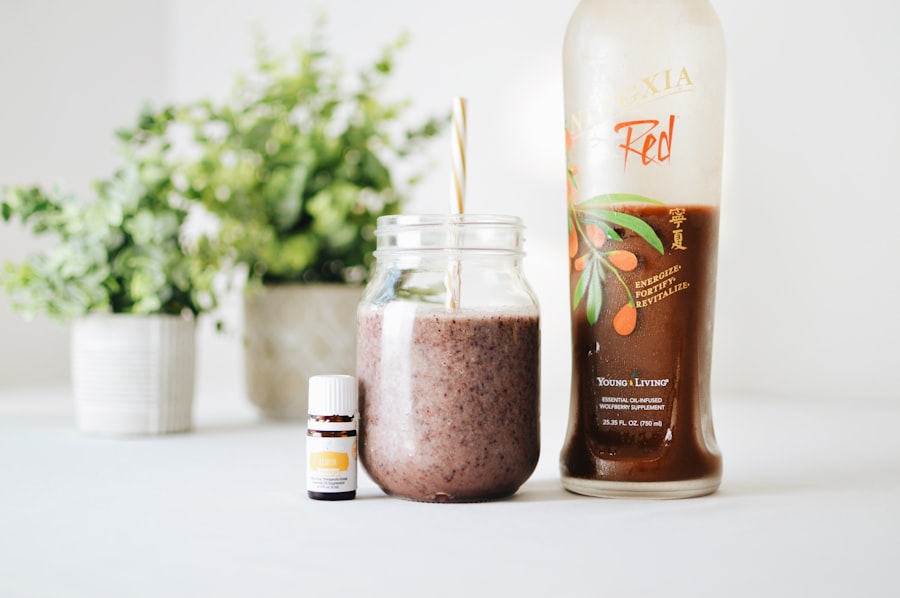
Spirituality often gets misunderstood, but it’s not necessarily about organized religion. It’s about finding meaning, purpose, and a sense of connection to something larger than yourself. This dimension adds depth and resilience to your life.
Defining Your Spirituality
Your spiritual path is unique to you. It’s about what resonates with your inner self and brings you a sense of peace and transcendence.
Exploring Personal Beliefs
Take time to reflect on your core values and beliefs. What gives your life meaning? What do you believe about the world, the universe, or your place within it? This exploration can bring clarity and a stronger sense of self. It might involve reading, contemplation, or discussions with others.
Finding Purpose and Meaning
Having a sense of purpose provides direction and motivation. This could be through your work, volunteering, creative pursuits, or a commitment to making a positive impact on the world. When you feel purposeful, you’re often more resilient and fulfilled. Small acts of purpose accumulate.
Engaging in Spiritual Practices
There are many ways to foster your spiritual connection, both formal and informal.
Meditation and Contemplation
These practices allow you to quiet the mind, connect with your inner wisdom, and cultivate a sense of inner peace. Whether you follow a guided meditation, sit in silence, or simply take moments for quiet reflection, these periods can be incredibly nourishing. Consistency is key here, even if it’s just for a few minutes daily.
Connection with Nature
Spending time outdoors can be a deeply spiritual experience for many. The vastness of nature can help put things into perspective, inspire awe, and foster a sense of connection to the natural world. Take walks in the park, hike in the mountains, or simply sit in your garden and observe.
Creative Expression
Engaging in creative activities, like painting, writing, playing music, or crafting, can be a form of spiritual expression. It allows you to tap into your intuition, express your inner world, and experience flow states where you feel fully immersed and alive. This is about the process, not necessarily the outcome.
Creating a Balanced Lifestyle
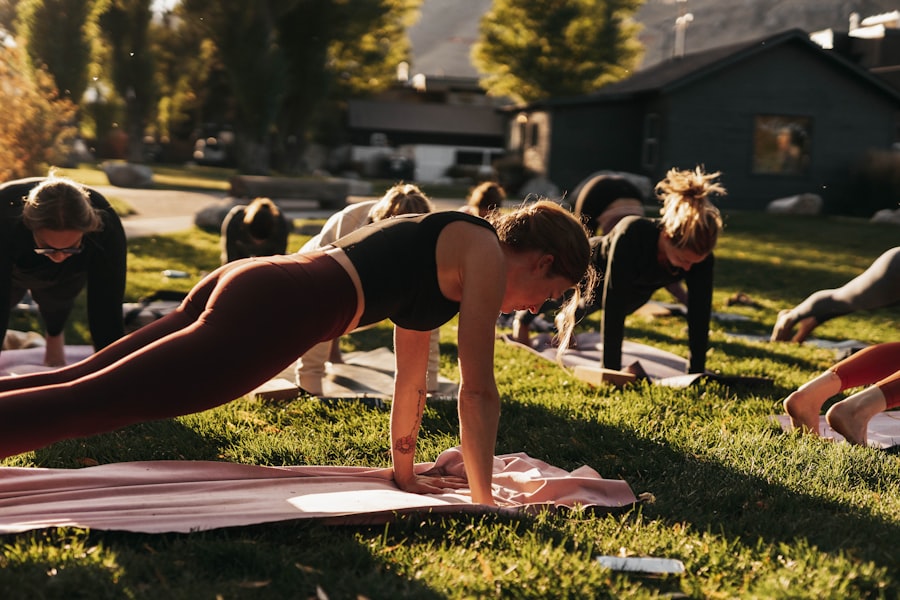
The goal of holistic wellness isn’t to be perfect in every area all the time, but to strive for balance and integration. It’s about finding what works for you and making sustainable choices that support your overall well-being.
Self-Assessment and Reflection
Regularly checking in with yourself is crucial for understanding where you stand and what adjustments might be needed.
Identifying Areas for Growth
Periodically take stock of your physical, mental, emotional, and spiritual well-being. Where do you feel strong? Where do you feel a little depleted? Be honest with yourself, without judgment. This is an ongoing process of self-discovery.
Setting Realistic Goals
Once you’ve identified areas for growth, set small, achievable goals. Instead of aiming to overhaul your entire diet overnight, perhaps focus on adding one more serving of vegetables to your day. Small victories build momentum and confidence. Be kind to yourself through this process.
Practicing Self-Compassion
Holistic wellness is an ongoing journey, not a destination. There will be days when you nail it, and days when you feel off track. Self-compassion is your ally through it all.
Being Kind to Yourself
Treat yourself with the same kindness and understanding you would offer a good friend. When you make a mistake or fall short of your goals, instead of self-criticism, offer yourself encouragement and understanding. Perfection isn’t the goal; consistent effort and self-love are.
Embracing Imperfection
Life is messy, and human beings are imperfect. Accept that there will be ups and downs, setbacks, and times when you feel less than your best. Holistic wellness is about having tools and strategies to navigate these moments, not to eliminate them entirely.
Holistic wellness encompasses various aspects of well-being, including physical health, mental clarity, and environmental consciousness. One fascinating approach to enhancing your overall wellness is through sustainable practices like composting, which not only benefits your garden but also contributes to a healthier planet. For those interested in exploring this topic further, you can read about effective composting techniques in this informative article on successful soil management. Embracing such eco-friendly habits can significantly enrich your holistic lifestyle.
Practical Steps to Get Started
| Category | Metric |
|---|---|
| Physical Wellness | Exercise frequency |
| Emotional Wellness | Stress level |
| Mental Wellness | Mindfulness practice |
| Social Wellness | Quality of relationships |
| Spiritual Wellness | Connection to purpose |
It’s easy to feel overwhelmed when thinking about all aspects of holistic wellness. The best way to begin is often with small, manageable steps. Don’t try to change everything at once.
Starting Small and Building Momentum
Think about one or two areas where you feel you could make the most impact right now, or where you feel the most drawn to start.
Choosing One Area to Focus On
Perhaps you want to improve your sleep, or integrate a short mindfulness practice into your day, or reach out to a friend you haven’t spoken to in a while. Pick just one thing. Once that feels like a natural part of your routine, then consider adding another.
Incorporating Daily Habits
Small, consistent daily habits have a powerful cumulative effect. A 10-minute walk each morning, five minutes of journaling before bed, or a conscious effort to drink more water can lead to significant shifts over time. These habits become the foundation of your holistic well-being.
Seeking Support and Resources
You don’t have to navigate this journey alone. There are many resources and people who can help.
Connecting with Professionals
If you’re struggling with specific physical or mental health concerns, don’t hesitate to reach out to healthcare professionals, therapists, or coaches. They can offer guidance, support, and specialized knowledge to help you on your path. A holistic doctor might be a good starting point for a broader perspective.
Utilizing Community and Online Resources
Join groups or communities that align with your wellness goals, whether it’s a fitness class, a meditation group, or an online forum. There’s a wealth of information and support available through books, podcasts, and reputable websites. Just be sure to vet your sources for accuracy and credibility.
Making It Sustainable
The aim isn’t a temporary fix but lasting change. For holistic wellness to truly integrate into your life, it needs to be sustainable.
Listening to Your Body and Mind
Pay attention to what feels good and what doesn’t. If a particular practice or dietary change makes you feel worse, it’s okay to adjust or explore other options. Your body gives you valuable feedback; learn to tune into it. This is a journey of self-discovery.
Adapting as You Evolve
Life circumstances change, and so do you. What worked for you a year ago might not be what you need today. Be flexible and willing to adapt your wellness practices as your needs, priorities, and stages of life evolve. Holistic wellness is a dynamic process of continuous learning and adjustment, leading to a richer, more balanced existence.
