
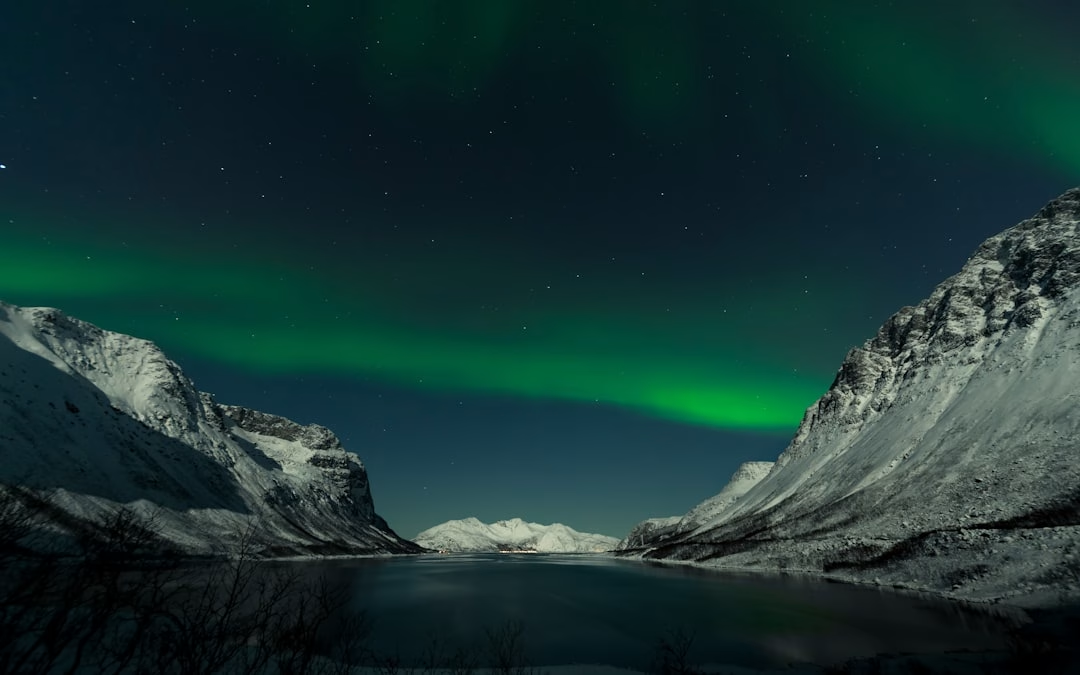
If you’ve ever dreamt of witnessing the mesmerizing dance of the Northern Lights, or Aurora Borealis, then understanding the Aurora itself is your first step. And when it comes to experiencing it, we’re thrilled to introduce you to the Livewell – a concept designed to elevate your aurora-chasing experience. Simply put, the Livewell is about optimizing conditions and comfort to maximize your chances of seeing those ethereal lights, while also making the journey enjoyable, even if the aurora decides to be shy.
The Aurora, whether Borealis (Northern Lights) or Australis (Southern Lights), is a truly breathtaking natural phenomenon. It’s caused by charged particles from the sun, ejected during solar flares and coronal mass ejections (CMEs), interacting with the Earth’s magnetic field and atmosphere. It’s a cosmic ballet playing out right above our heads.
The Science Behind the Spectacle
When these energized particles, primarily electrons and protons, reach Earth, they’re typically guided by our planet’s magnetic field towards the poles. As they collide with gases in our upper atmosphere – mainly oxygen and nitrogen – they excite these atoms. When these excited atoms return to their normal state, they release photons of light. This is the light we see as the aurora.
Aurora Colors and Their Origins
The colors you see in the aurora depend on the type of gas molecule being excited and the altitude at which the collision occurs.
- Green: This is the most common and often brightest color, produced by oxygen atoms at altitudes of around 100-300 km (60-180 miles).
- Red: A rarer but equally stunning color, red aurora is also from oxygen, but at much higher altitudes, typically above 200 km (120 miles).
- Blue/Violet: These hues come from nitrogen molecules at lower altitudes (around 90-100 km or 55-60 miles).
- Pink/Purple: A mix of red and blue, indicating both oxygen and nitrogen interference.
Solar Activity and Aurora Intensity
The intensity and frequency of auroral displays are directly linked to solar activity. We often talk about the “solar cycle,” an approximately 11-year cycle during which the sun’s activity fluctuates. During solar maximum, when sunspots and solar flares are more numerous, aurora displays tend to be more frequent and powerful. Conversely, during solar minimum, the aurora might be less active. Keeping an eye on space weather forecasts is crucial for aurora hunters.
If you’re interested in exploring more about sustainable practices that enhance health and well-being, you might find this article on regenerative agriculture methods particularly insightful. It delves into how these innovative techniques can improve soil health, increase biodiversity, and promote a more resilient ecosystem. You can read more about it here: Discover Powerful Regenerative Agriculture Methods.
The Livewell Approach: Maximizing Your Chances
The Livewell isn’t just a place; it’s a philosophy. It’s about creating an optimal environment for aurora viewing, both in terms of technical conditions and personal comfort. We understand that chasing the aurora can involve cold nights and waiting, so the Livewell focuses on making that waiting as pleasant and productive as possible.
Strategic Location and Timing
Location, location, location. This isn’t just for real estate – it’s paramount for aurora viewing. The Livewell emphasizes being in the right place at the right time.
- Aurora Oval: The aurora typically forms within a region known as the “aurora oval,” a band around Earth’s magnetic poles. Being within or near this oval significantly increases your chances. Regions like Northern Scandinavia (Norway, Sweden, Finland), Iceland, Alaska, and Northern Canada are prime viewing locations.
- Light Pollution Avoidance: City lights are the archenemy of aurora viewing. The Livewell ensures you are far away from urban centers, nestled in dark sky locations. This means less ambient light interfering with the faint glow of the aurora.
- Seasonal Considerations: While the aurora can occur year-round, dark, clear nights are essential. This generally means late autumn, winter, and early spring in polar regions. The longer the nights, the more viewing hours you have.
- Time of Night: The aurora is most active between 10 PM and 2 AM local time, though it can appear earlier or later. Patience is key.
Weather and Cloud Cover
Even with perfect solar activity, a cloudy sky means no aurora. The Livewell integrates real-time weather monitoring into its strategy.
- Cloud Forecasts: We heavily rely on highly localized and even satellite-based cloud forecasts to predict clear sky windows. We’re not just looking at general weather, but cloud altitude and type.
- Microclimates and Mobility: Some sub-arctic regions have varied microclimates. What might be cloudy in one valley could be clear just a short drive away. The Livewell considers mobility and flexibility to chase clear skies if necessary.
- Preparedness for All Conditions: Even on clear nights, cold temperatures are a given. The Livewell ensures you’re prepared with appropriate gear and comfortable viewing setups to withstand the elements.
Space Weather Data Interpretation
Understanding the “Kp-index” and solar wind data is crucial for forecasting aurora strength. The Livewell leverages expert interpretation of this scientific data.
- Kp-Index: This planetary index measures geomagnetic activity on a scale from 0 to 9. A Kp of 3 or higher generally indicates a good chance of seeing the aurora at higher latitudes, while a Kp of 5 or more (a geomagnetic storm) can lead to spectacular, widespread displays visible even at lower latitudes.
- Solar Wind Speed and Density: These factors tell us about the incoming stream of charged particles. Higher speeds and densities often correlate with brighter and more active auroras.
- Interplanetary Magnetic Field (IMF) Data: The orientation of the IMF relative to Earth’s magnetic field is a critical predictor. If the IMF is oriented southward (Bz negative), it can connect with Earth’s magnetic field, allowing solar wind particles to more easily enter our atmosphere and fuel impressive auroral displays.
Comfort and Logistics: The Livewell Experience
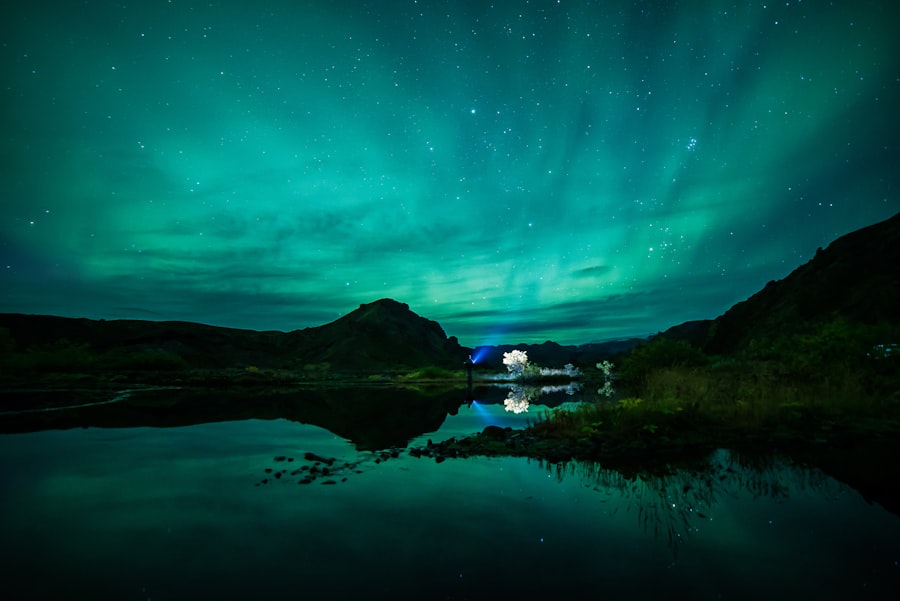
Chasing the aurora isn’t always glamorous; it can be cold, involve long waits, and require patience. The Livewell philosophy places a strong emphasis on comfort and smooth logistics, enhancing the overall experience whether the lights show up or not.
Warmth and Shelter
Staying warm is paramount to enjoying extended periods outdoors. The Livewell ensures you’re not just surviving, but thriving in the cold.
- Heated Viewing Areas: Imagine dedicated viewing shelters, strategically located, with transparent roofs or large windows, allowing you to stay warm while watching the sky. These could be small, cozy cabins or even custom-designed igloos.
- Layered Clothing Recommendations: Providing practical advice on appropriate layering systems is crucial. This goes beyond just “wear warm clothes” to explaining base layers, mid-layers, and outer shells, and the materials best suited for extreme cold.
- Warm Beverages and Snacks: Simple but impactful. Having access to hot coffee, tea, and hearty snacks can make a significant difference during a long night of waiting.
- Portable Heaters and Seating: When stationary, portable heaters and insulated, comfortable seating arrangements (like heated outdoor benches or thermal pads) can greatly improve comfort.
Photography and Equipment Support
Many aurora chasers want to capture the moment. The Livewell incorporates support for photography.
- Tripod Availability and Stability: A sturdy tripod is essential for long-exposure photography. Having tripods readily available or designated stable areas to set them up ensures clear shots.
- Camera Settings Guidance: Offering quick tips or even pre-programmed settings for common cameras can help beginners get great shots without fussing in the cold. Examples include wide-angle lenses, high ISO (e.g., 1600-6400), low aperture (f/2.8 or lower), and exposure times from 5-20 seconds.
- Battery Management: Cold drains batteries quickly. Providing external power banks or heated battery pouches can be incredibly helpful.
- Protective Gear for Equipment: Advice on protecting cameras from condensation when moving between cold outdoor and warm indoor environments is vital.
Practical Amenities and Rest
Long nights require opportunities for rest and rejuvenation. The Livewell doesn’t forget the practicalities.
- Accessible Facilities: Easy access to restrooms is often overlooked but incredibly important, especially on cold nights.
- Comfortable Transportation: Getting to and from viewing sites in comfortable, warm vehicles equipped for winter conditions contributes to a smoother experience.
- Communication Options: Reliable ways to communicate, whether it’s through Wi-Fi hot spots or satellite phones in remote areas, for safety and sharing the experience.
- Post-Viewing Relaxation: A warm place to wind down after a successful (or even unsuccessful) aurora chase, perhaps with a warm meal, enhances the overall memory.
The Human Element: Guided Experience and Local Knowledge
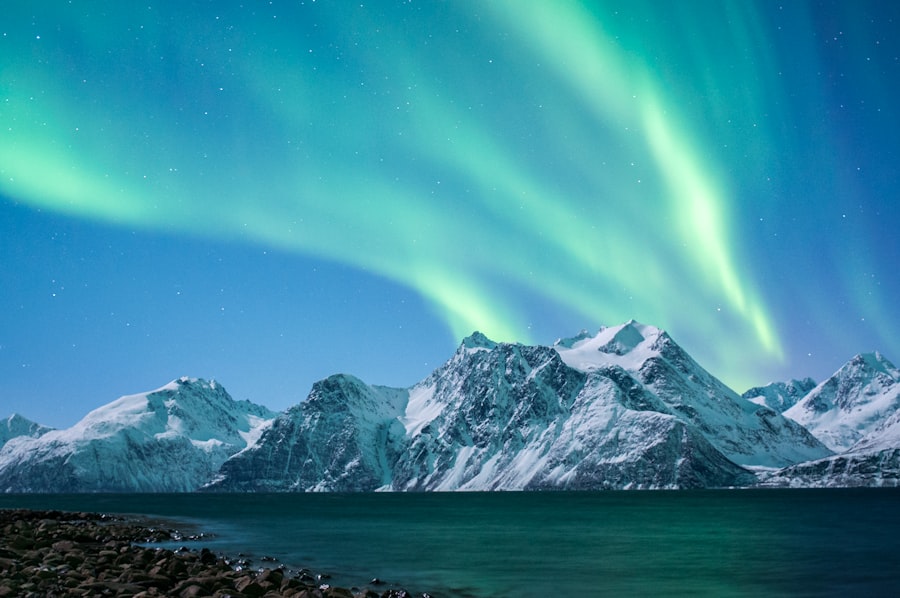
While technology and logistics are vital, the human touch makes the Livewell truly exceptional. Experienced guides, rooted in local knowledge, are invaluable.
Expert Guides and Local Insights
Navigating the nuances of aurora hunting requires specific expertise.
- Aurora Forecasters: The Livewell integrates guides who are skilled in interpreting real-time space weather data and making informed decisions on viewing locations. They can explain the science in an understandable way.
- Local Terrain Knowledge: Local guides know where the best vantage points are, which areas are less prone to cloud cover, and how to safely navigate winter landscapes. This insider knowledge is irreplaceable.
- Cultural Context: Aurora has deep cultural significance in many indigenous communities. Guides can often share stories, folklore, and local traditions related to the lights, enriching the experience beyond just the visual spectacle.
- Wildlife Awareness: In remote areas, understanding local wildlife (e.g., moose, reindeer) and safety protocols is important.
Patience and Flexibility
Aurora hunting is a game of patience, and sometimes, quick decisions.
- Managing Expectations: Guides are adept at managing guest expectations, emphasizing that the aurora is a natural phenomenon and not guaranteed. They teach you to appreciate the journey, not just the destination.
- Adapting to Conditions: If a spot becomes cloudy, an experienced Livewell guide will know alternative locations or strategies, demonstrating flexibility to maximize chances.
- Entertainment During Waiting: Short talks, local stories, or even stargazing guidance can keep spirits high during long waits.
Safety and Preparedness
Safety is non-negotiable, particularly in challenging winter environments.
- Winter Driving Expertise: Guides are trained in safe winter driving techniques, essential for navigating icy roads and often remote pathways.
- Emergency Protocols: All Livewell guides are equipped with first aid training and knowledge of emergency procedures, including communication in remote areas.
- Group Management: Ensuring everyone stays together, especially in difficult visibility or terrain, is a core responsibility.
- Equipment Checks: Regular checks of all vehicles and safety equipment (e.g., torches, reflective gear, spare tire, emergency blankets) are standard procedure.
If you’re interested in enhancing your well-being while embracing a rural lifestyle, you might find the article on top rural living essentials quite insightful. It offers practical tips and suggestions that can complement your journey with the Aurora Livewell system. For more information, you can read the article here. This resource can help you create a comfortable and fulfilling life in the countryside, aligning perfectly with your wellness goals.
Beyond the Lights: Enhancing the Overall Journey
| Parameter | Value |
|---|---|
| Water Temperature | 72°F |
| Oxygen Level | 8.5 mg/L |
| pH Level | 7.2 |
| Ammonia Level | 0.1 ppm |
The Livewell recognizes that an aurora trip is more than just waiting for lights. It’s an immersion into a unique environment. Even if the aurora decides to stay hidden, the journey itself should be memorable.
Day-Time Activities and Local Immersion
Making the most of the daylight hours adds significant value to the trip.
- Winter Sports: Opportunities for activities like dog sledding, snowmobiling, cross-country skiing, or snowshoeing provide adventure and a chance to experience the winter landscape.
- Cultural Experiences: Visiting local Sámi or indigenous communities, learning about their traditions, handicrafts, and reindeer herding, provides a deeper understanding of the region.
- Local Cuisine: Enjoying local delicacies, perhaps even a traditional meal cooked over an open fire, connects you with the destination.
- Nature Walks/Hikes: Exploring the pristine, snow-covered landscapes during the day offers stunning photographic opportunities and a chance for fresh air and exercise.
Stargazing and Astrophotography Without Aurora
Even without the aurora, dark northern skies offer incredible stargazing.
- Milky Way Visibility: In the absence of light pollution, the Milky Way can be breathtakingly clear. Guides can point out constellations and planets.
- Meteor Showers: If timed correctly, a trip can coincide with meteor showers, adding another celestial spectacle.
- Astrophotography Opportunities: Even without aurora, the clear night skies offer fantastic opportunities for wide-field astrophotography. Guides can assist with settings and composition.
Sustainable and Responsible Tourism
The Livewell philosophy also extends to respecting the environment and local communities.
- Leave No Trace Principles: Adhering to and encouraging “Leave No Trace” principles to preserve the pristine nature of the viewing locations.
- Supporting Local Businesses: Partnering with local operators, accommodations, and suppliers to ensure economic benefits stay within the community.
- Minimizing Environmental Impact: Using eco-friendly transportation where possible, managing waste responsibly, and being mindful of energy consumption.
- Educating Visitors: Providing information on the delicate ecosystem of the Arctic and how to enjoy it responsibly.
In conclusion, the Livewell isn’t just about showing you the aurora; it’s about crafting an immersive, comfortable, and well-informed journey into the heart of the Arctic winter. It’s about combining scientific insight with logistical excellence and local wisdom to maximize your chances of witnessing one of Earth’s greatest wonders, while also ensuring that every moment of your adventure is enriching and memorable. It’s about more than just seeing the lights; it’s about experiencing the aurora, mind, body, and soul.
