

So, you’re wondering how to actually optimize your nutrition for overall wellness? It’s a great question, and the short answer is: it’s less about chasing trends and more about building a sustainable, enjoyable approach that fuels your body and mind. We’re not talking about restrictive diets or counting every single calorie. Instead, it’s about understanding what your body needs and making smart, everyday choices. Think of it as equipping yourself with the knowledge to make informed decisions that genuinely make you feel better, both physically and mentally. This isn’t about perfection, it’s about progress and consistency. Let’s break down how to actually do it.
Forget one-size-fits-all advice. Your body is a unique system, and what works wonders for one person might not be the best fit for another. Understanding this is the first step to truly optimizing your nutrition, not just following a generalized plan.
Macronutrients: More Than Just Protein, Carbs, and Fats
You’ve heard of macros, but what do they really do for you? They’re the building blocks of everything your body does, from repairing tissues to providing energy.
The Role of Protein
Protein is crucial for building and repairing muscles, but it’s also vital for your immune system, hair, skin, and nails. It’s the worker bee of your cells.
- Sources: Lean meats, poultry, fish, eggs, dairy, legumes (beans, lentils), tofu, tempeh, nuts, and seeds are all excellent sources.
- How much? Generally, aim for around 0.8-1.2 grams of protein per kilogram of body weight, depending on your activity level. Athletes may need more. Spreading your protein intake throughout the day is usually more beneficial than trying to cram it all into one meal.
Carbohydrates: Your Body’s Preferred Energy Source
Carbs often get a bad rap, but they are your body’s primary fuel. The key is choosing the right kinds of carbs.
- Complex vs. Simple: Focus on complex carbohydrates found in whole grains (oats, quinoa, brown rice), vegetables, and fruits. These are digested slower, providing sustained energy and keeping you feeling full longer. Simple carbs (sugary drinks, white bread, pastries) cause rapid blood sugar spikes and crashes, leading to energy dips and cravings.
- Fiber is Your Friend: High-fiber carbs are particularly important. Fiber aids digestion, helps regulate blood sugar, and contributes to satiety.
Healthy Fats: Essential for Brain Health and More
Fats are not the enemy! They’re essential for hormone production, nutrient absorption (especially fat-soluble vitamins like A, D, E, and K), and brain function.
- Types of Fats: Prioritize unsaturated fats found in avocados, olive oil, nuts, seeds, and fatty fish (like salmon and mackerel). Limit saturated fats from red meat and butter, and avoid trans fats found in processed and fried foods.
- Omega-3s: These are particularly beneficial for heart and brain health.
Micronutrients: The Tiny Titans of Health
These are the vitamins and minerals, and while needed in smaller amounts, they are absolutely critical for countless bodily functions. Deficiencies can lead to a surprising array of health issues.
Vitamins and Minerals: A Symphony of Support
Each vitamin and mineral plays a specific role, from supporting energy metabolism to protecting your cells from damage.
- Variety is Key: The best way to get a full spectrum of micronutrients is to eat a diverse diet rich in fruits, vegetables, and whole foods. Think of a rainbow on your plate!
- Iron for Energy: Essential for carrying oxygen in your blood. Found in red meat, leafy greens, and lentils.
- Calcium and Vitamin D for Bones: Crucial for bone health, found in dairy, fortified plant milks, leafy greens, and sunshine (for Vitamin D).
- B Vitamins for Energy Production: Involved in converting food into energy. Found in whole grains, meat, eggs, and leafy greens.
- Antioxidants (Vitamins C, E, Beta-Carotene): These help protect your cells from damage caused by free radicals, contributing to overall health and potentially reducing the risk of chronic diseases. They are abundant in brightly colored fruits and vegetables.
For those interested in enhancing their nutrition and wellness, the article on self-sufficiency offers valuable insights into independent living. By incorporating essential tips for growing your own food and making healthier choices, you can significantly improve your overall well-being. To explore these concepts further, check out the article here: Unlock Self-Sufficiency: Essential Tips for Independent Living.
Building a Balanced Meal Plan
Focusing on balance over restriction makes nutrition sustainable and enjoyable. It’s about creating meals that offer a good mix of all the essential components we just talked about.
The Art of the Balanced Plate
Imagine your plate as a canvas. A balanced meal aims to fill it with the right proportions of different food groups.
Combining Macronutrients for Optimal Energy Release
It’s not just about what you eat, but how you combine it. This helps with sustained energy and satiety.
- Protein + Fiber: Pairing protein sources with fiber-rich carbohydrates (like a piece of chicken with a large salad or lentil soup with whole-grain bread) helps slow down digestion, preventing blood sugar spikes and keeping you full for longer.
- Healthy Fats + Nutrients: Adding healthy fats (like avocado on a whole-grain toast or a drizzle of olive oil on roasted vegetables) can enhance your body’s absorption of fat-soluble vitamins from those foods.
Timing and Frequency: Does it Matter?
For most people, the total daily intake of nutrients is more important than rigidly adhering to specific meal timings. However, some general principles can help.
- Regular Meals: Eating regular meals and snacks can help prevent extreme hunger, which often leads to less healthy choices.
- Pre- and Post-Workout Nutrition: If you’re active, consuming a meal or snack with carbohydrates and some protein before exercise can provide energy. After exercise, a similar combination can aid in muscle recovery.
- Listen to Your Body: Ultimately, your hunger and fullness cues are your best guides.
Practical Meal Planning Strategies
It doesn’t have to be complicated. Simple strategies can make a big difference.
- Batch Cooking: Dedicate a few hours on the weekend to prepare staples like cooked grains, roasted vegetables, and grilled chicken or beans. This makes weekday meals quick and easy.
- Meal Prepping Components: Instead of full meals, prep individual ingredients. Chop veggies, marinate proteins, or make a large batch of dressing.
- Theme Nights: Have “Taco Tuesday” or “Stir-fry Friday” to simplify decision-making and encourage variety.
- Utilize Leftovers: Plan meals so that leftovers can be repurposed. Roasted chicken from Sunday dinner can become chicken salad for Monday’s lunch.
Hydration: The Overlooked Cornerstone of Wellness
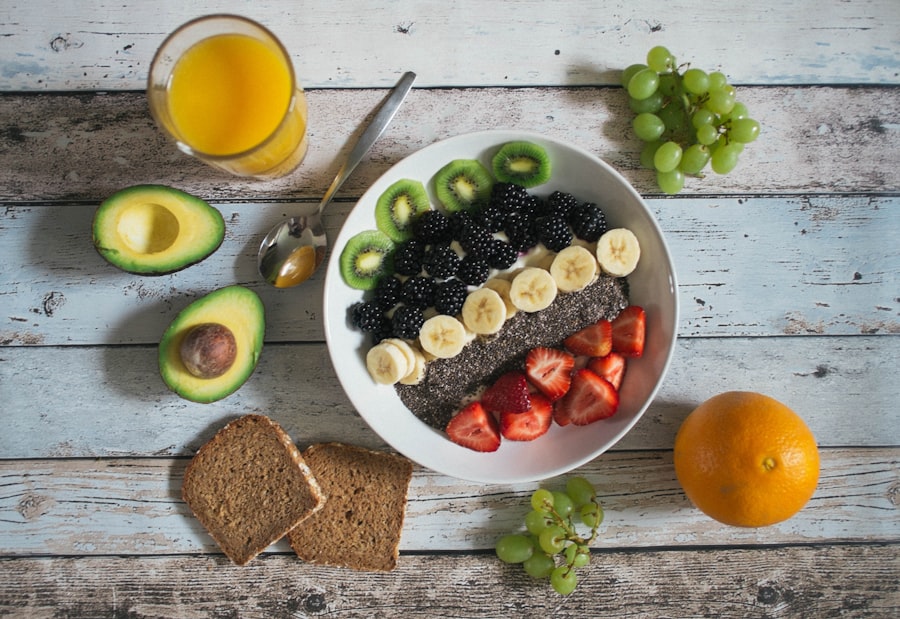
Water is fundamental to every single bodily process. Seriously, it’s involved in everything from regulating your body temperature to transporting nutrients.
How Much Water Do You Actually Need?
The old “eight glasses a day” is a decent starting point, but it’s not a strict rule for everyone.
- Individual Needs: Your hydration needs depend on factors like your activity level, the climate you live in, and your overall health. If you’re sweating a lot, you’ll need more.
- Signs of Dehydration: Thirst is an obvious sign, but you might also experience fatigue, headaches, dry skin, and a decreased frequency of urination.
- Tips for Staying Hydrated:
- Carry a reusable water bottle with you.
- Drink water before you feel thirsty.
- Infuse your water with fruits like lemon, cucumber, or berries to add flavor without sugar.
- Include water-rich foods in your diet, such as watermelon, cucumbers, and oranges.
Beyond Plain Water: What Else Can You Drink?
While water is king, other beverages can contribute to your fluid intake.
- Herbal Teas: Unsweetened herbal teas are a great way to add variety and can offer various health benefits depending on the herb.
- Milk and Plant-Based Alternatives: These contribute to hydration and also provide nutrients like calcium and protein. Opt for unsweetened varieties.
- Moderation with Other Drinks: Coffee and tea can be hydrating, but be mindful of caffeine intake. Sugary drinks and excessive alcohol can actually dehydrate you.
Gut Health: The Foundation of Digestion and Immunity

Your gut microbiome—the trillions of bacteria living in your digestive tract—plays a surprisingly huge role in your overall health, from how well you digest food to your immune system’s effectiveness and even your mood.
The Gut-Brain Connection: It’s Real
Did you know a significant portion of your serotonin, a mood-regulating neurotransmitter, is produced in your gut? A healthy gut contributes to a healthier mind.
The Role of Fiber in Gut Health
Fiber is not just for digestion; it’s also the primary food source for beneficial gut bacteria.
- Insoluble Fiber: Adds bulk to stool, aiding in regularity. Found in whole grains, vegetables, and fruit skins.
- Soluble Fiber: Dissolves in water to form a gel-like substance, which can help regulate blood sugar and cholesterol. Found in oats, beans, apples, and citrus fruits.
Nurturing Your Microbiome: What to Eat and What to Limit
What you eat directly impacts the types and balance of bacteria in your gut.
- Probiotics: These are live beneficial bacteria found in fermented foods.
- Sources: Yogurt (with live and active cultures), kefir, sauerkraut, kimchi, tempeh, and kombucha.
- Consistency Matters: Regularly incorporating probiotic-rich foods can help maintain a healthy balance.
- Prebiotics: These are non-digestible fibers that feed your beneficial gut bacteria.
- Sources: Garlic, onions, leeks, asparagus, bananas, and whole grains.
- Limit Processed Foods and Sugar: These can feed less beneficial bacteria and disrupt the delicate balance in your gut.
- Stay Hydrated: Essential for proper digestive function.
Exploring the connection between nutrition and wellness can lead to transformative changes in our lives. A fascinating article on holistic farming approaches highlights how sustainable practices can enhance the nutritional value of our food. By understanding these methods, we can make more informed choices about our diets and overall health. For more insights, check out this informative piece on holistic farming approaches.
Mindful Eating and Sustainable Habits
| Category | Metric | Value |
|---|---|---|
| Nutrition | Calories | 2000 per day |
| Nutrition | Protein | 50 grams per day |
| Nutrition | Fiber | 25 grams per day |
| Wellness | Exercise | 30 minutes per day |
| Wellness | Sleep | 7-9 hours per night |
Nutrition is more than just what you put in your body; it’s also how you approach eating. Developing a mindful and sustainable relationship with food is key to long-term wellness.
The Psychology of Eating: Beyond Hunger Pangs
Understanding your eating habits and triggers can be as important as understanding macronutrients.
Identifying Emotional Eating
Many of us eat for reasons beyond physical hunger, such as stress, boredom, or sadness. Recognizing these patterns is the first step to managing them.
- Pause and Reflect: Before reaching for food, ask yourself: Am I truly hungry? What am I feeling right now?
- Find Alternative Coping Mechanisms: If you identify emotional eating, explore other ways to manage your feelings, like going for a walk, calling a friend, or engaging in a hobby.
The Importance of Savoring Your Food
Mindful eating involves paying attention to the experience of eating.
- Slow Down: Put your fork down between bites. Chew your food thoroughly.
- Engage Your Senses: Notice the smells, textures, and flavors of your food.
- Eliminate Distractions: Try to eat without screens or other distractions to truly focus on your meal. This can lead to better digestion and a greater sense of satisfaction.
Creating Sustainable Dietary Habits
We’re aiming for a lifestyle, not a temporary fix.
- Flexibility Over Rigidity: Allow yourself occasional treats and less “perfect” meals. This prevents feelings of deprivation and makes the overall approach sustainable.
- Focus on Addition, Not Subtraction: Instead of thinking about what you can’t eat, focus on adding more nutrient-dense foods to your diet.
- Listen to Your Body’s Cues: Again, your hunger, fullness, and energy levels are important signals. Learn to interpret them.
- Seek Professional Guidance When Needed: If you’re struggling with disordered eating, chronic health issues, or have specific nutritional goals, consulting a registered dietitian or nutritionist can provide personalized support and evidence-based advice. They can help you create a practical, enjoyable, and effective nutrition plan tailored to your individual needs and lifestyle.
By focusing on these practical, foundational aspects of nutrition—understanding your body’s needs, building balanced meals, staying hydrated, nurturing your gut, and cultivating a mindful approach to eating—you’re well on your way to optimizing your nutrition for genuine, lasting overall wellness. It’s a journey, and every small, consistent step makes a difference.
