
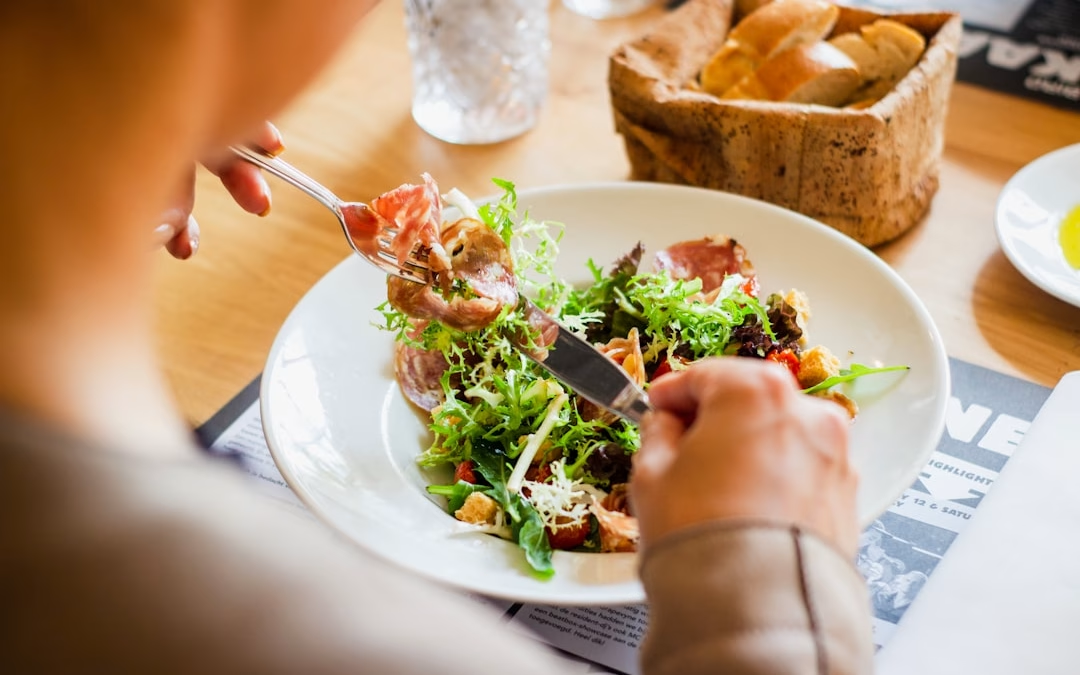
Eating better doesn’t have to be a monumental task. It’s really about making a series of small, sustainable changes that add up over time. Think of it less as an overhaul and more as a gentle nudge in the right direction. We’re talking about practical steps you can take today, without needing a degree in nutrition or an endless budget for fancy ingredients.
Diving headfirst into a restrictive diet often backfires. It’s tough to maintain and can lead to a cycle of deprivation and overeating. Instead, focus on small, achievable tweaks that you can stick with for the long haul. Consistency trumps intensity every time when it comes to diet changes.
The One-Meal-at-a-Time Approach
Don’t feel pressured to revamp every single meal right away. Pick one meal – maybe breakfast, since it’s often the easiest to control – and focus on making that one healthier. Once that feels comfortable, move on to lunch, and so on.
Swap, Don’t Stop
Rather than eliminating entire food groups, think about smart substitutions. Love white rice? Try swapping half of it for brown rice or quinoa. Can’t live without pasta? Opt for whole wheat or lentil pasta occasionally. It’s about upgrading, not depriving yourself.
Hydration Habits
This might seem basic, but staying adequately hydrated is crucial for overall health and can even help with hunger regulation. Often, what feels like hunger is actually thirst.
Water First
Before reaching for a snack, try drinking a glass of water. Wait 10-15 minutes, and if you’re still hungry, then consider a smart snack.
Flavor Without the Fuss
If plain water feels boring, try infusing it with slices of cucumber, lemon, lime, or berries. Steer clear of sugary drinks, which add empty calories.
If you’re looking to improve your eating habits and embrace a healthier lifestyle, you might find valuable insights in the article on self-sufficiency. It offers essential tips for independent living that can help you cultivate your own food sources and make more informed dietary choices. To explore these ideas further, check out the article here: Unlock Self-Sufficiency: Essential Tips for Independent Living.
Prioritize Whole Foods
This is arguably the most impactful change you can make. Whole foods are foods that are as close to their natural state as possible, with minimal processing. Think fruits, vegetables, lean proteins, and whole grains.
Embrace the Produce Aisle
Make fruits and vegetables the stars of your plate. They’re packed with vitamins, minerals, and fiber, which keeps you feeling full and satisfied.
“Eat the Rainbow” Isn’t Just a Saying
Aim for a variety of colors in your daily produce intake. Different colors often indicate different beneficial compounds and nutrients.
Sneak ‘Em In
Don’t like spinach? Blend it into a smoothie. Not a fan of broccoli? Roast it with some simple seasonings until it’s crispy and delicious. There are countless ways to incorporate more veggies without feeling like you’re eating “rabbit food.”
Understand Protein Power
Protein is essential for satiety, muscle repair, and overall body function. Including a lean protein source at every meal can make a big difference in hunger management and energy levels.
Lean Protein Choices
Think chicken breast, turkey, fish, beans, lentils, tofu, eggs, and Greek yogurt. These provide muscle-building amino acids without excessive saturated fat.
Plant-Based Powerhouses
For those looking to reduce meat intake or go fully plant-based, lentils, chickpeas, black beans, quinoa, edamame, and tempeh are excellent protein sources. Combine different plant proteins to ensure you’re getting all essential amino acids.
Whole Grains Over Refined
Whole grains retain all parts of the grain kernel – the bran, germ, and endosperm – providing more fiber and nutrients than their refined counterparts.
Making the Switch
Swap white bread for whole wheat, white rice for brown rice or wild rice, and sugary cereals for oatmeal. Read labels carefully to ensure you’re getting 100% whole grain.
Beyond the Basics
Explore grains like farro, barley, bulgur, and millet. They offer different textures and flavors and can add variety to your meals.
Smart Snacking

Snacks aren’t inherently bad. In fact, strategically chosen snacks can help manage hunger between meals, prevent overeating at your next meal, and provide essential nutrients. The key is choosing wisely.
Ditch the Empty Calories
Forget chips, cookies, and candy bars as go-to snacks. These often provide a quick energy spike followed by a crash, leaving you hungrier in the long run.
The Protein-Fiber Combo
The winning formula for a satisfying snack is a combination of protein and fiber. This duo works together to slow digestion, stabilize blood sugar, and keep you feeling full.
Easy Examples
- Apple slices with a tablespoon of peanut butter: Fiber from the apple, protein and healthy fats from the peanut butter.
- A handful of almonds (about 1/4 cup) with a small orange: Healthy fats and protein from almonds, vitamin C and fiber from the orange.
- Greek yogurt with a few berries: Protein powerhouse from the yogurt, antioxidants and fiber from the berries.
- Hard-boiled egg: Pure protein, easy to prepare in advance.
- Vegetable sticks with hummus: Fiber from veggies, protein and healthy fats from hummus.
Plan Ahead
Impulse snacking often leads to less healthy choices. Take a few minutes at the beginning of the week to portion out some smart snacks to grab and go.
Prep Your Produce
Wash and chop carrots, celery, bell peppers, and cucumbers so they’re ready for dipping.
Portion Control
Instead of eating straight from a bag or container, portion out snacks into smaller bowls or baggies to avoid overeating.
Mindful Eating Practices

Eating well isn’t just about what you eat, but also how you eat. Mindful eating involves paying attention to your food, your body’s signals, and the eating experience itself.
Slow Down and Savor
Many of us eat quickly, often while distracted. This can lead to overeating because our brain doesn’t have enough time to register fullness.
Put Down Your Fork
Between bites, try putting down your fork or spoon. This simple act forces you to slow down.
Chew Thoroughly
Take the time to chew your food properly. This aids digestion and helps you enjoy your meal more.
Pay Attention to Hunger and Fullness Cues
Learn to differentiate between true physical hunger and emotional hunger (boredom, stress, sadness). Stop eating when you feel comfortably full, not stuffed.
The “Hunger Scale”
Imagine a scale from 1 (starving) to 10 (uncomfortably full). Aim to start eating around a 3 or 4 and stop around a 6 or 7.
Check In With Yourself
Before you start eating, pause for a moment and ask yourself, “Am I truly hungry?” During your meal, periodically check in: “Am I still hungry, or am I starting to feel satisfied?”
Minimize Distractions
Eating in front of the TV, scrolling on your phone, or working at your desk often means you’re not fully present with your food. This can lead to mindless eating and overconsumption.
Tech-Free Zones
Designate certain meals as “tech-free.” Turn off the TV, put away your phone, and simply enjoy your meal.
Engage Your Senses
Notice the colors, textures, aromas, and tastes of your food. This can enhance satisfaction and help you feel more nourished.
Eating better is an essential part of leading a healthier lifestyle, and one way to enhance your diet is by embracing the principles of sustainable living. For those interested in this approach, you might find it beneficial to explore the concept of homesteading, which emphasizes self-sufficiency and organic food production. To learn more about how adopting a homesteading lifestyle can positively impact your eating habits, check out this insightful article on embracing the homesteading lifestyle. By integrating these practices into your daily routine, you can cultivate a deeper connection with your food and improve your overall well-being.
Plan and Prepare (The Practical Side)
“`html
| Category | Metric |
|---|---|
| Vegetables | 5 servings per day |
| Fruits | 3 servings per day |
| Whole grains | At least half of grain intake |
| Protein | Lean sources like fish, poultry, beans |
| Fats | Healthy fats like avocados, nuts, and olive oil |
| Sugar | Limit added sugars |
“`
Good intentions are a great start, but execution requires a bit of planning. Meal planning and prepping don’t have to be rigid or complicated; even a little bit goes a long way.
The Weekly Blueprint
Taking just 15-30 minutes once a week to plan your meals can save you time, money, and stress, and definitely steer you towards healthier choices.
Inventory First
Before making a grocery list, check what you already have in your pantry, fridge, and freezer. This helps avoid food waste and unnecessary purchases.
Create a Loose Plan
You don’t need to specify every single ingredient for every meal, but having a general idea of what you’ll eat for breakfast, lunch, and dinner keeps you on track. For example: “Monday: Chicken and veggies. Tuesday: Lentil soup. Wednesday: Leftovers.”
The Smart Grocery List
Organize your grocery list by categories (produce, dairy, pantry, etc.) to make shopping more efficient and less prone to impulse buys. Stick to your list!
Meal Prep Made Easy
Meal prepping isn’t just for bodybuilders. Even simple prep can significantly reduce the effort required for healthy eating during busy weekdays.
Batch Cooking Basics
Cook larger quantities of staple items that can be used in multiple meals.
- Grains: Cook a big batch of quinoa, brown rice, or farro.
- Proteins: Roast a whole chicken, hard-boil a dozen eggs, or cook a large pot of beans or lentils.
- Veggies: Chop up a week’s worth of sturdy vegetables like bell peppers, carrots, and celery for snacks or stir-fries. Roast a tray of mixed veggies.
Components, Not Full Meals
You don’t have to assemble full meals in advance. Sometimes, just having the key components ready – cooked protein, prepped veggies, cooked grains – is enough to throw together a healthy meal in minutes.
Smart Storage
Invest in good-quality food storage containers (glass is often preferred) to keep your prepped food fresh and organized. Labeling containers with the date and contents is a good habit.
Cooking at Home More Often
Eating out frequently, even at seemingly healthy places, often means higher sodium, unhealthy fats, and larger portion sizes. Cooking at home gives you full control over your ingredients.
Master a Few Go-To Recipes
You don’t need a massive repertoire. Find 5-7 healthy recipes that you enjoy making and eating, and cycle through them. This builds confidence and makes cooking less daunting.
Experiment and Simplify
Try new healthy recipes occasionally to keep things interesting. Look for recipes with fewer ingredients and shorter cooking times when you’re short on time. Sheet pan meals, stir-fries, and one-pot dishes are excellent for quick weeknight meals.
Dealing with Cravings and Slip-Ups
Everyone has cravings, and everyone has days when their eating isn’t perfectly on track. The key is how you respond to these moments.
Acknowledge, Don’t Judge
When a craving hits, acknowledge it without judgment. Denying it outright can often make it stronger.
Practice the Pause
Before immediately giving in, pause for a few minutes. Drink some water, go for a short walk, or engage in a distracting activity. Often, the craving will pass or diminish.
The 80/20 Rule
Aim for healthy eating 80% of the time, and allow for some flexibility the other 20%. This isn’t a free-for-all, but it means you can enjoy your favorite treats in moderation without feeling guilty or derailed. It helps prevent feelings of deprivation and makes healthy eating more sustainable.
Learn from Slip-Ups
If you overeat or make a less-than-ideal food choice, don’t beat yourself up. See it as a learning opportunity. What triggered it? What could you do differently next time? Then, simply get back on track with your very next meal. One “bad” meal or day doesn’t undo all your progress.
Revamping your diet is a continuous journey, not a destination. It’s about building a healthier relationship with food, understanding your body, and making sustainable choices that support your well-being. By focusing on small, actionable steps, prioritizing whole foods, practicing mindful eating, and putting a little planning into action, you’ll be well on your way to eating better without feeling overwhelmed.
