
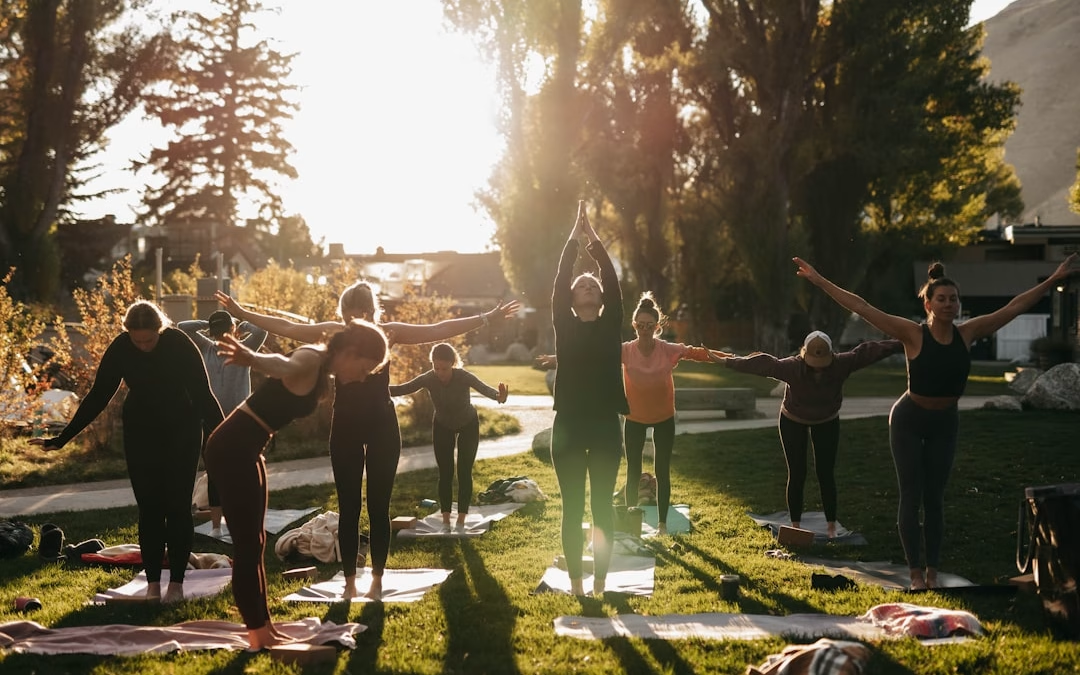
Thinking about hitting pause on life and giving yourself a real reset? A health retreat might just be the answer. Basically, these aren’t your typical spa days. They’re dedicated periods where you remove yourself from the daily grind to focus entirely on your physical and mental health. You’ll find a structured environment designed to help you de-stress, eat better, move more, and learn practices you can take back home. It’s about making space for yourself and actively working on feeling better, inside and out.
Choosing a health retreat isn’t a one-size-fits-all deal. The best one for you will depend on what you’re hoping to achieve. Are you looking to shed a few pounds, manage stress better, overcome burnout, or just generally feel healthier? Knowing your goals will guide you to the right place.
What’s Your Primary Goal?
It’s worth spending some time reflecting on why you’re considering a retreat in the first place.
Weight Management and Nutrition Focus
If your main aim is to improve your eating habits and perhaps lose some weight, look for retreats that specialize in nutritional guidance. They often offer workshops on healthy cooking, meal planning, and understanding macronutrients. The emphasis here is on sustainable, long-term dietary changes rather than quick fixes. You’ll likely find programs with dedicated nutritionists who can tailor advice to your individual needs.
Stress Reduction and Mindfulness
For those feeling overwhelmed, burnt out, or just constantly on edge, retreats focused on stress reduction and mindfulness are a great choice. These programs typically incorporate meditation, yoga, breathing exercises, and even sound baths. The environment itself is usually designed to be peaceful and calming, encouraging you to disconnect from digital distractions and reconnect with yourself.
Detox and Cleansing Programs
Some retreats offer detox or cleansing programs. These can be intense and involve specific dietary protocols, often focusing on whole foods and eliminating processed items, sugar, and sometimes even gluten or dairy. It’s crucial to research the specific detox methods and ensure they align with your health status and what feels right for you.
Holistic Wellness and General Rejuvenation
If you’re not targeting a specific issue but rather a general desire to feel healthier and more vibrant, a holistic wellness retreat is probably the way to go. These programs tend to offer a broader spectrum of activities, covering nutrition, movement, mental well-being, and sometimes even sleep hygiene.
Location, Location, Location
Where the retreat is located can significantly impact your experience.
Nature Immersion
Many retreats are situated in beautiful natural settings, like mountains, forests, or by the sea. This connection with nature can be incredibly therapeutic. Think waking up to bird songs, taking walks through scenic trails, and breathing in fresh air. The visual and sensory aspects of nature can have a profound calming effect.
Accessibility and Travel Time
Consider how far you’re willing to travel and how easy it is to get there. A long, stressful journey can counteract some of the benefits you’re hoping to gain. Some people prefer to stay closer to home for convenience, while others see the travel as part of the escape.
The Program Structure: What to Expect Day-to-Day
Understanding the daily schedule is key to knowing if a retreat is the right fit. Some are highly structured, while others offer more flexibility.
Intensive vs. Relaxed Pacing
Do you thrive on a packed schedule with back-to-back activities, or do you prefer more downtime for personal reflection and rest? Some retreats are designed for deep immersion, with early mornings and a full day of activities. Others offer a more relaxed pace, allowing for spontaneous exploration or simply enjoying the quiet.
Duration of Stay
Retreats can range from a weekend getaway to a week or even longer. A shorter retreat can be a good entry point, while a longer stay allows for deeper transformation and habit formation. Consider your availability and what you realistically think you can commit to.
If you’re interested in enhancing your well-being through natural methods, you might find the article on regenerative agriculture quite enlightening. It explores how sustainable farming practices not only benefit the environment but can also contribute to healthier food systems and overall wellness. You can read more about it in this insightful piece: Discover Powerful Regenerative Agriculture Methods. This connection between health retreats and regenerative practices highlights the importance of holistic approaches to wellness.
Nourishing Your Body: The Core of a Health Retreat
Food at a health retreat is usually a highlight, but it’s also a serious commitment. It’s not just about being served healthy meals; it’s about understanding why you’re eating what you’re eating and how it impacts your body.
Understanding the “Healthy” Food Philosophy
Retreats often have a specific approach to nutrition. It’s rarely about restrictive dieting in the traditional sense.
Whole Foods and Plant-Based Emphasis
Many retreats champion whole, unprocessed foods, with a strong preference for plant-based meals. This means plenty of fruits, vegetables, whole grains, legumes, nuts, and seeds. The focus is on nutrient density and providing your body with the building blocks it needs to function optimally.
Allergy and Dietary Restrictions Accommodation
This is a big one: ensure the retreat can cater to your specific needs. If you have allergies (e.g., nuts, gluten, dairy) or follow a particular dietary plan (e.g., vegan, vegetarian, paleo), confirm they can accommodate you without fuss. Most reputable retreats are well-equipped to handle common restrictions, but it’s always best to check in advance.
Cooking Classes and Education
Some retreats go beyond just serving food and actually teach you how to prepare it. This can be incredibly empowering. Learning to make delicious, healthy meals yourself is a skill that extends far beyond the retreat itself, allowing you to integrate healthy eating into your daily life.
Hydration: More Than Just Water
You’d be surprised at how often hydration is overlooked.
Beyond Plain Water
While water is undoubtedly essential, many health retreats incorporate other hydrating and nutrient-rich beverages. Think herbal teas, infused waters with fruits and herbs, and sometimes freshly pressed juices (though the emphasis is usually on whole fruits and vegetables for fiber).
Understanding Your Body’s Cues
Part of the nutritional education at a retreat is learning to listen to your body. This includes recognizing thirst and understanding how different foods make you feel. It’s about developing a more intuitive relationship with eating and drinking.
Moving Your Body: Finding Joy in Every Step, Stretch, and Flow
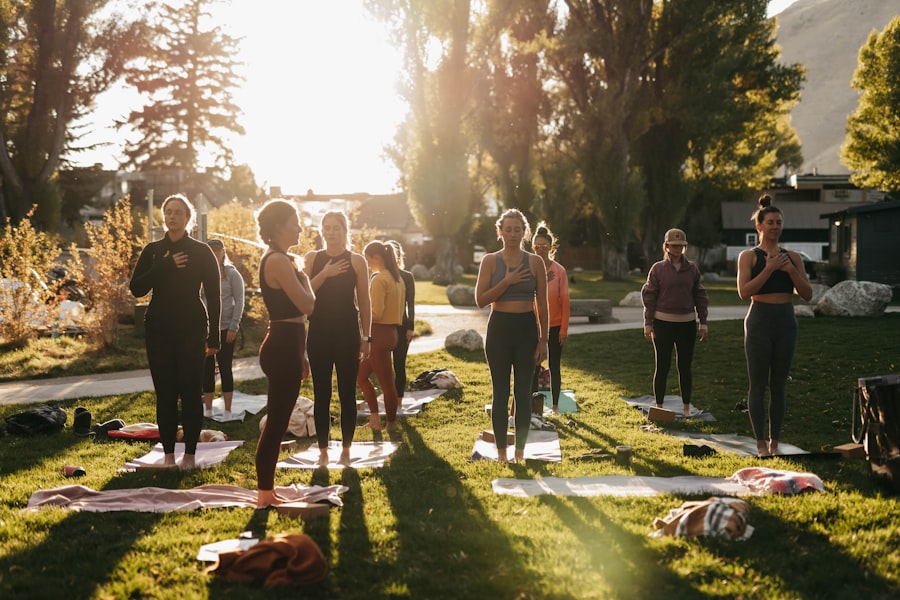
Movement isn’t about grueling workouts at a health retreat; it’s about rediscovering how good it feels to get your body moving in ways that feel good to you.
Diverse Movement Modalities
Health retreats offer a variety of ways to get active, often catering to different fitness levels and preferences.
Yoga and Pilates
These are often central to retreat programs. Whether you’re a seasoned yogi or a complete beginner, there are usually classes to suit. They focus on flexibility, strength, balance, and mindfulness, connecting breath with movement.
Guided Hikes and Nature Walks
If your retreat is in a natural setting, expect guided excursions. These aren’t intense treks but rather opportunities to explore the surroundings while getting some gentle exercise and fresh air. It’s a fantastic way to combine movement with appreciating your environment.
Functional Fitness and Bodyweight Training
Some retreats incorporate more traditional (but still accessible) fitness. This might involve bodyweight exercises, resistance bands, or even light weights. The emphasis is on building functional strength that supports everyday activities.
Personalizing Your Movement Journey
It’s your retreat, so your movement should feel right for you.
Adapting to Your Level
No one expects you to be a seasoned athlete. Good retreat leaders will offer modifications for exercises, ensuring everyone can participate safely and effectively, regardless of their current fitness level.
Finding Movement You Enjoy
The goal is to find activities you genuinely enjoy, making it easier to stick with them long after the retreat. This might be discovering a love for morning meditation walks or the calming rhythm of yoga.
Cultivating Inner Peace: The Mental and Emotional Reset
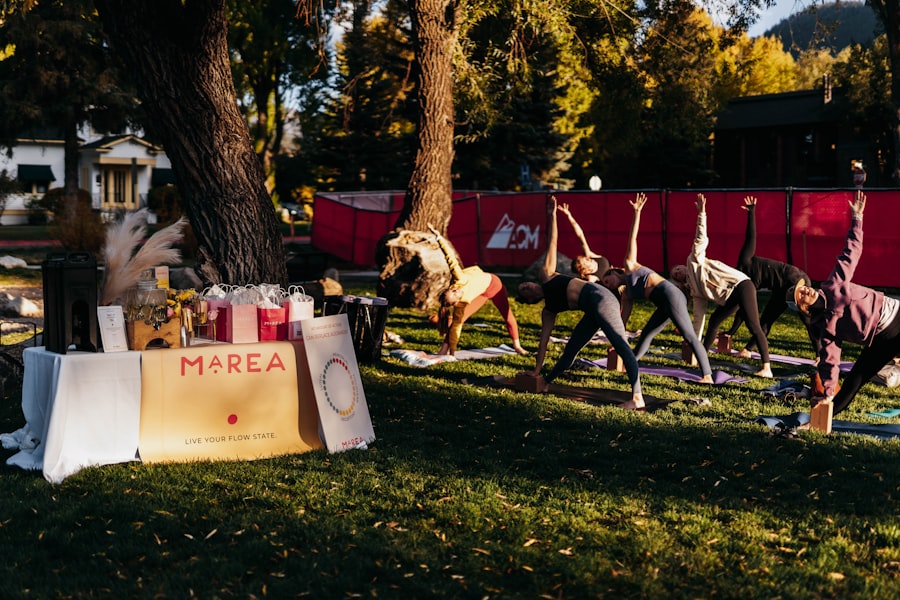
Beyond the physical, a huge part of revitalizing your well-being is tending to your mental and emotional landscape. Health retreats provide a conducive environment for this.
Mindfulness and Meditation Practices
These are often at the heart of mental well-being programs.
Daily Meditation Sessions
You’ll typically find daily guided meditation sessions. These can range from short, introductory sessions to longer explorations of different meditation techniques. The aim is to train your mind to be more present and less reactive.
Breathwork Techniques
Learning to control your breath is a powerful tool for managing stress and anxiety. Retreats often teach various breathing exercises that can calm the nervous system and improve focus.
Mindful Movement and Walking Meditations
Combining movement with mindfulness can be incredibly effective. Thinking of mindful walking as paying attention to your steps, your surroundings, and the sensation of moving through space.
Stress Management and Emotional Release
The environment of a retreat is designed to help you unwind.
Journaling and Self-Reflection
Dedicated time for journaling is often incorporated, providing a space to process thoughts and feelings without external pressure. Prompts might be provided to guide your reflection.
Creative Expression Workshops
Some retreats offer workshops in art, journaling, or other creative outlets. These can be a wonderful way to express emotions and tap into your inner creativity.
Quiet Time and Digital Detox
Crucially, many retreats encourage or mandate a digital detox. This means leaving your phone and devices behind, allowing you to truly disconnect from the constant barrage of notifications and anxieties from the outside world. This solitude is vital for mental clarity.
Attending a health retreat can be a transformative experience, offering individuals the chance to rejuvenate both body and mind. For those interested in enhancing their wellness journey, exploring ways to maintain a healthy diet is essential. One effective method is learning how to preserve seasonal produce, which can be beneficial for long-term health. For tips on this topic, you can read more in this article about preserving fruits and veggies. By incorporating these practices, participants can maximize their nutritional intake even after returning home from their retreat. To learn more, visit this article.
Practicalities and What to Pack: Making the Most of Your Retreat
| Health Retreat Metrics | 2019 | 2020 | 2021 |
|---|---|---|---|
| Number of Participants | 500 | 600 | 550 |
| Average Length of Stay (days) | 7 | 6 | 8 |
| Customer Satisfaction Rate (%) | 90% | 92% | 95% |
| Number of Wellness Activities | 20 | 25 | 30 |
So, you’ve decided a health retreat is for you. Great! Now, let’s talk about the nitty-gritty to ensure your experience is as smooth and beneficial as possible.
Getting There and Settling In
The journey to the retreat should ideally be a calm one.
Transportation Options
Consider how you’ll get to the retreat center. Some offer airport pick-ups, while others expect you to arrange your own transport. If you’re driving, check parking availability.
Arrival and Welcome
Most retreats have a welcoming process where they’ll show you your accommodation, explain the daily schedule, and introduce you to the staff and other guests. It’s a good time to ask any immediate questions.
What to Pack: Essentials and Comforts
Packing smart can make a big difference to your comfort and enjoyment.
Comfortable Clothing
Think layers and breathable fabrics. You’ll need clothes suitable for yoga or exercise, but also comfortable loungings for downtime. Natural fibers like cotton and linen are usually good choices. Don’t forget something warm, even if the weather is generally mild, as evenings can get cool.
Footwear
You’ll likely need comfortable walking shoes or trainers for any excursions or movement sessions. Depending on the retreat’s setting, you might also want slippers or comfortable indoor shoes for around the accommodation.
Personal Items
Bring any personal toiletries you prefer, though most retreats provide basics. Don’t forget a water bottle, sunglasses, a hat, and sunscreen if you’ll be outdoors.
Journal and Pen
As mentioned, journaling is often a key component. Bring a notebook and pen that you enjoy using.
A Book or Two
While many retreats encourage disconnecting, having a good book for quiet personal time can be a welcome accompaniment.
Any Necessary Medications
If you take any prescription medications, ensure you pack enough for your stay and any necessary over-the-counter remedies you might need.
Understanding Retreat Etiquette
While everyone is there for a similar purpose, there are some unwritten rules.
Respecting Quiet Zones
Many retreats have designated quiet areas for reflection. Be mindful of these and keep noise levels down.
Participating in Activities
You’re generally encouraged to participate in the scheduled activities, but it’s also acceptable to opt-out if you need more rest. Communicate your needs if you decide to skip something.
Being Mindful of Others
Everyone is on their own journey. Be considerate of other guests and staff. Avoid being overly loud or disruptive.
Taking Your Well-being Home: Integrating the Retreat Experience
The real test of a health retreat’s success isn’t just how you feel during your stay, but how well you integrate those positive changes into your everyday life once you return.
Creating a Sustainable Post-Retreat Plan
The skills and knowledge you gain at a retreat are meant to be lasting.
Meal Planning and Preparation
If you attended cooking workshops or learned about new recipes, start incorporating them into your weekly meal plan. Even small changes, like adding more vegetables to your dinner or experimenting with a new healthy breakfast, can make a difference.
Incorporating Movement Habits
Identify the types of movement you enjoyed most at the retreat and find ways to continue them. This might mean joining a local yoga studio, finding a walking group, or simply dedicating time each day for stretching or a brisk walk.
Continuing Mindfulness Practices
Make meditation or breathwork a non-negotiable part of your day, even if it’s just for a few minutes. Consistency is more important than duration. Apps like Headspace or Calm can be helpful reminders, but also try practicing without them.
Managing Setbacks and Staying Motivated
Life back home can be challenging, and you’ll likely face days where old habits creep back in.
Recognizing Triggers
Pay attention to what situations or emotions tend to lead you back to unhealthy behaviors. Awareness is the first step to managing them.
Reconnecting with Your Retreat Experience
Look through your journal entries from the retreat or recall specific moments that brought you peace or joy. This can serve as a powerful reminder of why you sought out the retreat in the first place.
Seeking Support
Don’t hesitate to lean on friends, family, or even online communities for support. You might also consider finding a local wellness practitioner or coach who can help you stay on track.
Gentle Self-Compassion
There will be days when you slip up. Instead of beating yourself up about it, practice self-compassion. Acknowledge the setback, learn from it, and gently recommit to your goals. It’s a journey, not a race.
The Long-Term Vision: Continued Growth and Well-being
A health retreat is often a catalyst for ongoing well-being. It’s an investment in yourself, offering the tools and perspective to live a healthier, more fulfilling life. The key is to view it not as a one-off escape, but as a vital step in a lifelong commitment to your own health.
