

Thinking about how to give your workplace a little pick-me-up? It’s a common question, and the short answer is: focus on wellness. A well-planned and genuine approach to workplace wellness can significantly boost morale, productivity, and even the bottom line. It’s not just about offering a gym membership – it’s about creating an environment where people feel genuinely supported and valued, leading to a healthier, happier, and more engaged workforce. Let’s dive into some practical ways to get there.
Okay, so “wellness” might sound a bit like corporate jargon sometimes, but at its core, it’s remarkably practical. We spend a huge chunk of our lives at work, and the environment we’re in profoundly affects us. Ignoring that reality means missing a big opportunity.
Beyond the Buzzwords: Real Benefits
When we talk about workplace wellness, we’re really talking about a few key things. It’s about reducing stress, creating a positive atmosphere, and supporting employees so they can bring their best selves to work. This isn’t just fluffy stuff; it directly impacts things like turnover rates, sick days, and overall output. Employees who feel good, mentally and physically, are simply more resilient and effective.
The Bottom Line Isn’t Just About Profits
It’s easy to think of wellness initiatives as an added expense, but look at it another way: they’re an investment. Think about the cost of high employee turnover, constant recruitment, and lost productivity due to burnout. A healthy, engaged workforce is a stable, productive one. This translates into savings and increased efficiency in the long run.
Workplace wellness is increasingly recognized as a crucial factor in enhancing employee productivity and overall satisfaction. For those interested in creating a healthier work environment, exploring eco-friendly practices can be beneficial. A related article that delves into sustainable living and its positive impact on well-being is available at Embrace Eco-Friendly Living: Tips and Trends for a Sustainable Home. This resource provides valuable insights into how adopting eco-conscious habits can lead to a more balanced and fulfilling lifestyle, both at home and in the workplace.
Crafting a Wellness Strategy That Actually Works
So, how do you move beyond just talking about wellness to actually doing something meaningful? It starts with understanding what your team truly needs and then building a strategy that’s flexible and inclusive.
Listen First, Then Act
No two workplaces are exactly alike, and what works for one company might fall flat in another. Before you roll out a new program, take some time to understand your team’s current challenges and preferences.
Surveys and Anonymous Feedback
A simple, anonymous survey can be incredibly insightful. Ask about stress levels, work-life balance, desired wellness activities, and what support employees feel they might be missing. This gives you a baseline and helps prioritize. You might find that access to mental health resources is a bigger concern than a ping-pong table.
Focus Groups and Informal Chats
Sometimes, a survey only tells you so much. Small focus groups or even informal conversations with employees from different departments can uncover issues or ideas that wouldn’t surface otherwise. Remember, the goal is to listen, not just to dictate.
Make it Accessible and Inclusive
A wellness program that only caters to gym fanatics or early risers is going to miss the mark for a lot of people. Think broadly about what “wellness” means.
Different Strokes for Different Folks
Wellness means different things to different people. For some, it’s physical activity; for others, it’s mindfulness, financial stability, or community involvement. Offering a variety of options ensures that more people can find something that resonates with them. This might include online mindfulness sessions, financial planning webinars, or even just quiet spaces for focused work.
Removing Barriers to Participation
Consider practical barriers. Is the program held during work hours, making it difficult for those with high workloads? Is it accessible to people with different physical abilities? Are the resources easy to find and understand? Making it easy to participate is half the battle.
Boosting Physical Health: More Than Just Steps
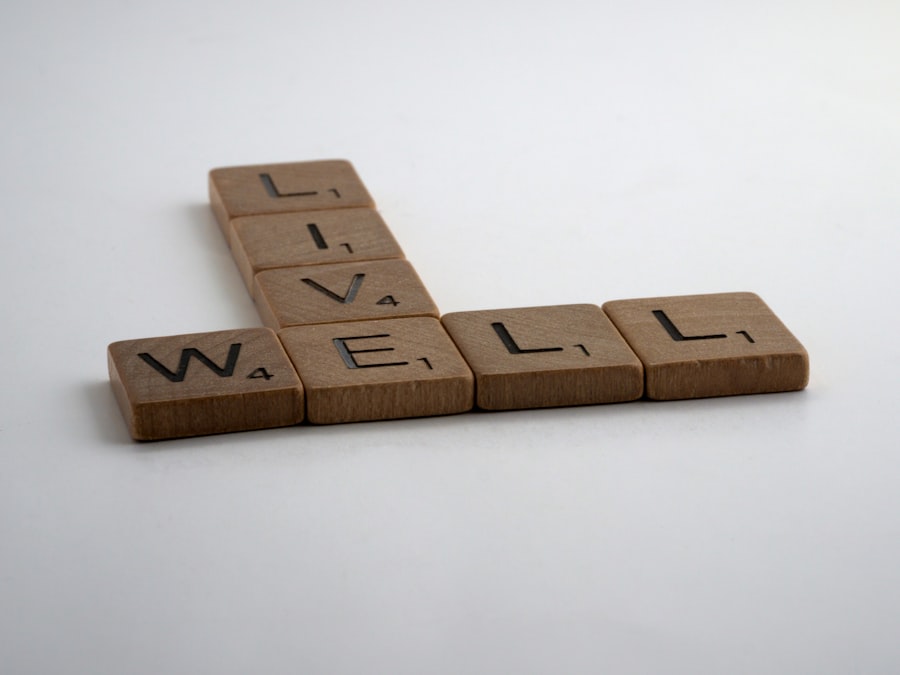
When most people think of workplace wellness, physical health often comes to mind first. And rightly so – it’s a crucial component. But it’s not just about counting steps.
Encouraging Movement and Activity
Sitting for long periods isn’t great for anyone. How can we subtly encourage more movement throughout the day?
Walking Challenges and Team Activities
These are classics for a reason. They can be fun, foster team spirit, and don’t require significant investment. Consider setting up team-based step challenges with small, non-monetary rewards or even just bragging rights.
Ergonomics and Active Workstations
Sometimes, the simplest changes make the biggest difference. Ensuring desks and chairs are properly adjusted can prevent discomfort and injury. For those interested, offering resources on ergonomic best practices or even supporting stand-up desks can be a big plus. It’s about providing the tools, not forcing everyone into a new setup.
Nourishment and Healthy Eating
What we fuel our bodies with directly impacts our energy levels and focus.
Healthy Snack Options
If you have a breakroom, offer a selection of healthy snacks alongside the usual suspects. Think fruit, nuts, and whole-grain options. This makes the healthier choice the easier choice.
Educational Resources and Workshops
Consider bringing in a nutritionist for a lunch-and-learn session on healthy eating, or providing accessible resources about meal prepping. It’s about empowering people with knowledge, not policing their food choices.
Prioritizing Mental and Emotional Wellbeing

This is arguably one of the most critical, yet often overlooked, aspects of workplace wellness. The mental load of work can be significant, and supporting mental health is vital for a thriving workforce.
Open Conversations and Reducing Stigma
Creating an environment where people feel comfortable discussing mental health is a huge step.
Mental Health Awareness Training
Training for managers and even all employees on mental health first aid or awareness can be incredibly helpful. It equips people with the tools to recognize signs of struggle in themselves and others, and how to offer support or direct to resources. It’s also about changing the culture to one where talking about mental health is as normal as talking about a cold.
Leadership Buy-in and Role Modeling
When leaders openly discuss their own challenges or prioritize mental health, it sends a powerful message that it’s okay to do so. This isn’t about oversharing, but about demonstrating that mental wellbeing is taken seriously at all levels.
Providing Support and Resources
Beyond awareness, offer tangible resources to help employees manage stress and mental health.
Access to Professional Support
This could include an Employee Assistance Program (EAP) that offers confidential counseling services. Make sure employees know how to access these services and feel comfortable using them.
Mindfulness and Stress Reduction Techniques
Simple tools like guided meditation apps or short mindfulness exercises available during the workday can make a real difference. Consider a designated quiet space for a few minutes of calm. Even a 10-minute break can help reset focus.
In today’s fast-paced work environment, promoting workplace wellness is essential for enhancing employee productivity and satisfaction. A related article that explores the importance of self-sufficiency and its impact on overall well-being can be found at Unlock Self-Sufficiency: Essential Tips for Independent Living. This resource provides valuable insights into how fostering independence can contribute to a healthier work-life balance, ultimately benefiting both employees and employers alike.
Fostering Work-Life Integration (Not Just “Balance”)
| Wellness Metric | 2019 | 2020 | 2021 |
|---|---|---|---|
| Employee Satisfaction | 78% | 82% | 85% |
| Absenteeism Rate | 4% | 3.5% | 3% |
| Healthcare Costs | 500,000 | 480,000 | 450,000 |
| Participation in Wellness Programs | 60% | 65% | 70% |
The idea of “work-life balance” often implies a strict separation, which isn’t always realistic in today’s interconnected world. “Work-life integration” acknowledges that work and personal lives blend, and the goal is to make that blend sustainable and supportive.
Flexible Work Arrangements
One of the most impactful ways to support work-life integration is by offering flexibility.
Remote and Hybrid Options
Where possible, enabling remote or hybrid work allows employees to manage personal appointments, family needs, and commute times more effectively. This trust-based approach can significantly reduce stress and improve job satisfaction.
Flexible Hours and Compressed Workweeks
Not every job fits a 9-to-5 mold. Can you offer flexible start/end times, or even a compressed workweek (e.g., four 10-hour days) to allow for longer weekends? This kind of flexibility demonstrates a commitment to employee wellbeing.
Encouraging Disconnection and Boundaries
With constant connectivity, it’s easy for work to seep into all aspects of life. It’s important to help employees set boundaries.
“No Email After Hours” Policies (and Leading by Example)
While a strict blanket policy might not always be feasible, encouraging employees to truly disconnect outside of working hours is important. More importantly, managers and leaders need to model this behavior. If staff see emails from leadership sent at 10 PM, they may feel pressured to respond.
Designated “Quiet Hours” or “Meeting-Free” Time
Setting aside specific times for focused, uninterrupted work can reduce cognitive load and prevent burnout from constant interruptions. This lets people genuinely engage with their deep work without feeling the pull of immediate responses.
In today’s fast-paced work environment, prioritizing employee well-being has become essential for fostering productivity and job satisfaction. A related article discusses innovative approaches to workplace wellness that can significantly enhance the overall health of employees. By exploring various strategies, organizations can create a supportive atmosphere that promotes mental and physical well-being. For more insights on creating a harmonious work environment, check out this informative piece on renewable energy solutions that highlights how sustainable practices can also contribute to a healthier workplace.
Measuring Success and Adapting
A wellness program isn’t a “set it and forget it” kind of deal. To be truly effective, it needs ongoing evaluation and adjustment.
What Does Success Look Like?
Before you even start, define what success means for your specific program and goals.
Tracking Key Metrics
While direct ROI can be tricky to measure, you can look at things like reduced absenteeism, lower turnover rates, employee engagement survey scores (e.g., questions about stress and work-life balance), and participation rates in wellness initiatives. Keep an eye on employee feedback.
Employee Testimonials and Qualitative Data
Don’t underestimate the power of personal stories. Anonymous testimonials about how a wellness program has helped individuals can be incredibly motivating and provide valuable insights that quantitative data might miss.
Be Ready to Tweak and Evolve
Workplaces and employee needs are constantly changing. Your wellness program should too.
Regular Feedback Loops
Make it easy for employees to provide ongoing feedback, not just through formal surveys but via suggestion boxes, informal chats, or dedicated channels. This ensures the program remains relevant.
Pilot Programs and Phased Rollouts
Instead of launching a massive, untested program, consider piloting smaller initiatives first. Gather feedback, make adjustments, and then scale up. This iterative approach minimizes risk and maximizes the chances of success.
Revitalizing your workplace with wellness isn’t about ticking boxes or following trends; it’s about investing in your people. When you genuinely support their physical, mental, and emotional health, you build a stronger, more resilient workplace that benefits everyone involved. It’s an ongoing journey, but one that’s definitely worth the effort.
