
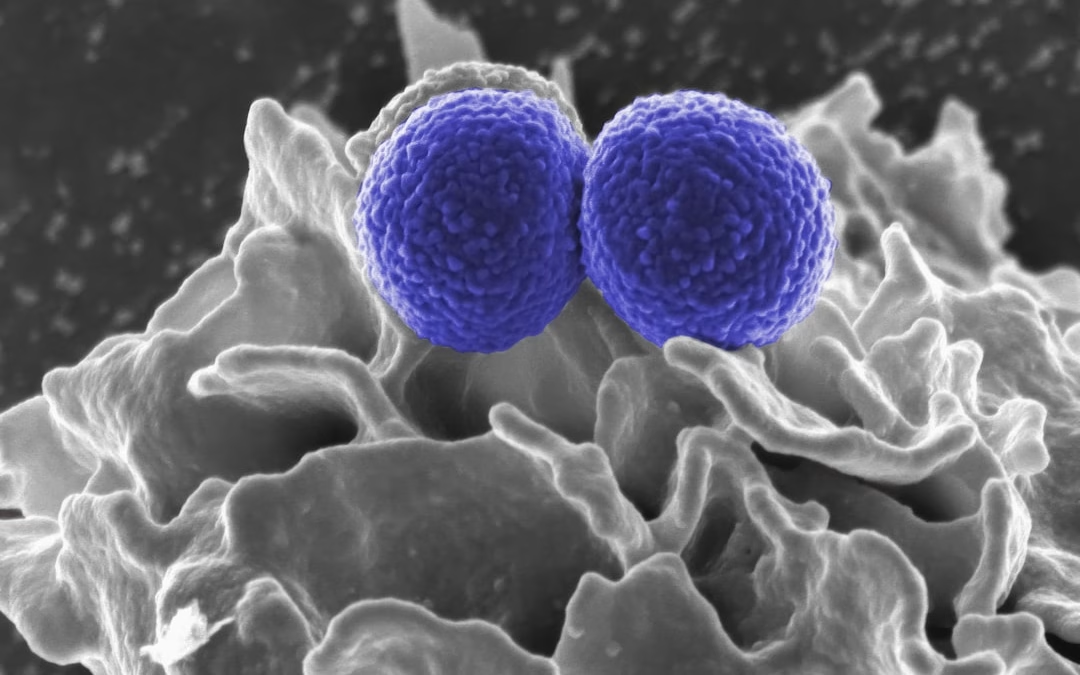
Hepatitis B, for those unfamiliar, is a viral infection that attacks the liver and can cause both acute and chronic disease. It’s a pretty big deal globally, impacting millions of lives and placing a significant burden on healthcare systems worldwide. Think of it not just as a medical problem, but as a complex issue with far-reaching social and economic consequences. Unlike many illnesses that get a lot of airtime, Hepatitis B often remains a silent epidemic, quietly progressing in individuals and communities, often without symptoms until significant damage has been done.
Hepatitis B isn’t always something people are actively aware of. It’s not like the flu where symptoms hit you pretty quickly and unmistakably. This stealthy nature is a big part of why it’s such a challenge for global health.
What Exactly is Hepatitis B?
At its core, Hepatitis B is caused by the Hepatitis B virus (HBV). This virus primarily targets the liver, an organ vital for countless bodily functions, from detoxification to metabolism. When HBV infects the liver, it can cause inflammation and damage.
Acute vs. Chronic Infection
Here’s where things get important. When someone first gets infected, they experience an “acute” phase. For many adults, their immune system can fight off the virus, and they recover completely, developing immunity for life. However, for a significant number of people, especially infants and young children, the infection persists, becoming “chronic.” This chronic phase is where the real long-term problems lie.
How Does it Spread?
Understanding transmission is key to prevention. HBV is primarily spread through contact with infected blood or other body fluids. This can happen in several ways:
- Mother-to-Child (Perinatal) Transmission: This is a major route, especially in high-prevalence areas. An infected mother can pass the virus to her baby during birth.
- Unsafe Injections/Medical Procedures: Sharing needles among drug users is a well-known risk, but so are unsterilized medical instruments or certain traditional practices that involve piercing the skin.
- Sexual Contact: Unprotected sexual contact with an infected person can also transmit the virus.
- Household Contact: Less common, but sharing razors, toothbrushes, or other items that might have traces of blood can also pose a risk.
It’s important to note it’s not spread through casual contact like kissing, hugging, sneezing, or sharing food and drink. This often helps ease unwarranted fears.
For those interested in learning more about hepatitis B and its management, you may find this article on natural remedies particularly insightful. It discusses various holistic approaches that can complement traditional treatments for hepatitis B, promoting overall liver health. To read more, visit this article.
The Devastating Health Consequences
When HBV becomes chronic, it doesn’t just sit there. It actively works on the liver, leading to a cascade of serious health issues over time. This is where the long-term impact really starts to show.
Chronic Hepatitis
The continuous presence of the virus in the liver leads to ongoing inflammation, known as chronic hepatitis. This inflammation, if left unchecked, starts to scar the liver tissue.
Liver Cirrhosis
Think of cirrhosis as advanced scarring of the liver. The healthy liver tissue is replaced by scar tissue, which can’t perform the liver’s vital functions. This scarring is irreversible and severely impacts liver function. Symptoms might include fatigue, jaundice (yellowing of skin and eyes), fluid retention, and easy bruising.
Liver Cancer (Hepatocellular Carcinoma – HCC)
This is one of the most frightening consequences of chronic Hepatitis B. HBV is a major risk factor for developing primary liver cancer, specifically hepatocellular carcinoma (HCC). It’s so significant that HBV infection can lead to liver cancer even before cirrhosis fully develops. This makes regular monitoring of chronically infected individuals crucial.
Liver Failure
In the most severe cases of cirrhosis, the liver simply stops working properly. This is liver failure, a life-threatening condition that often requires a liver transplant. Without a transplant, the prognosis is usually very poor.
The Global Burden: Who and Where?

Hepatitis B isn’t evenly distributed around the world. Certain regions bear a much heavier burden than others, largely due to historical factors, healthcare infrastructure, and vaccination rates.
Prevalence Hotspots
Over 290 million people globally live with chronic Hepatitis B infection. The Western Pacific Region and the African Region of the World Health Organization (WHO) account for almost 70% of the global burden. Within these regions, there are specific countries with extremely high prevalence rates.
- Sub-Saharan Africa: Many countries here have estimated prevalence rates of chronic HBV infection exceeding 8%.
- East Asia and Southeast Asia: Similarly, countries like China, Mongolia, Vietnam, and parts of Indonesia have historically high prevalence, though vaccination programs are making inroads.
Risk Factors and Vulnerable Populations
Beyond geographic location, certain populations are at higher risk:
- Infants born to HBV-infected mothers: As mentioned, perinatal transmission is a huge factor in chronic infection.
- Healthcare workers: Due to occupational exposure to blood and body fluids.
- People who inject drugs: Sharing needles is a direct route of transmission.
- Individuals with multiple sexual partners or men who have sex with men (MSM): Increased risk due to sexual transmission.
- Recipients of unscreened blood transfusions or organ transplants: Though much less common now with screening protocols.
- People undergoing dialysis: Due to repeated blood exposure in a healthcare setting.
Understanding these populations helps target prevention and screening efforts more effectively.
Socioeconomic Ripple Effects
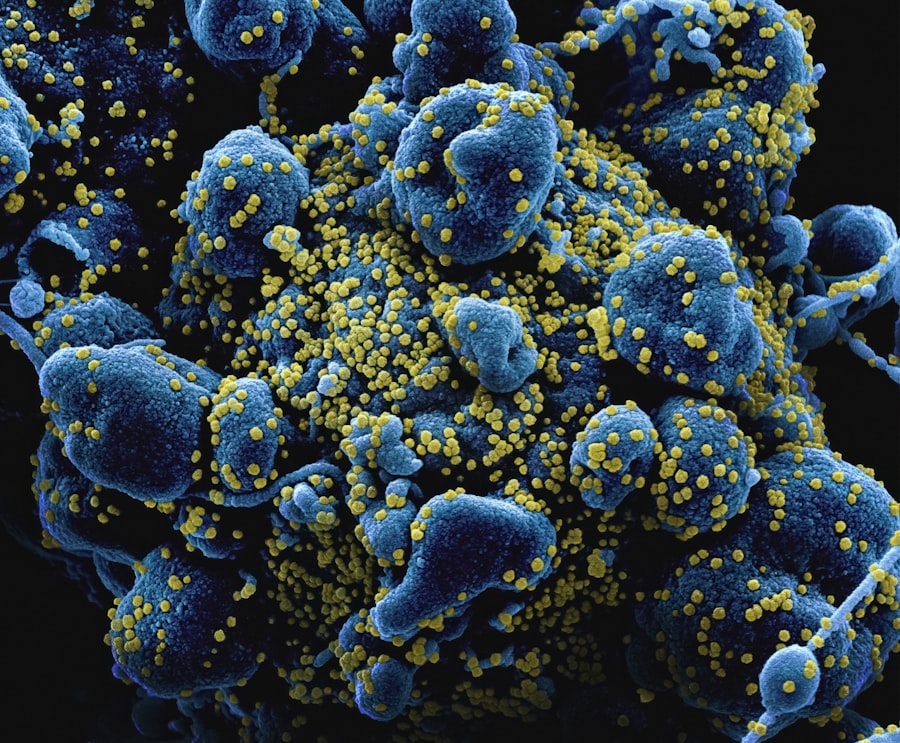
The impact of Hepatitis B extends far beyond individual health. It creates significant ripples through communities and national economies, affecting productivity, healthcare costs, and even social dynamics.
Stigma and Discrimination
Living with Hepatitis B can lead to significant social stigma and discrimination. People might face ostracism in their communities, difficulties in employment, or even unfair treatment in healthcare settings. This fear of judgment can prevent individuals from seeking testing or treatment, further entrenching the problem.
Healthcare Costs
From diagnosis and regular monitoring to antiviral treatments and, in severe cases, liver transplants, the financial burden of managing chronic Hepatitis B can be immense.
- Diagnostic Testing: Initial screening and follow-up tests (HBV DNA, liver function tests) add up.
- Antiviral Medications: While effective, these can be expensive, especially in countries with limited healthcare budgets. Long-term adherence is also crucial.
- Treatment of Complications: Managing cirrhosis, liver cancer, and liver failure demands intensive medical interventions, often requiring hospitalization and specialized care.
These costs strain national healthcare systems, diverting resources that could be used for other public health initiatives. For individuals without robust insurance or in low-income settings, these costs are often insurmountable, leading to delayed treatment and worse outcomes.
Loss of Productivity and Economic Impact
When individuals are ill with chronic Hepatitis B or its complications, their ability to work and contribute to the economy is severely hampered.
- Premature Mortality: Liver cancer and liver failure take lives prematurely, removing productive members of society.
- Disability and Chronic Illness: The ongoing symptoms and health issues reduce quality of life and work capacity, leading to absenteeism and reduced productivity.
- Caregiver Burden: Family members often have to take time off work or sacrifice their own careers to care for sick loved ones, creating a ripple effect of economic strain.
This loss of human potential and economic output represents a significant challenge for affected nations, particularly those already facing economic struggles.
Hepatitis B is a viral infection that affects the liver and can lead to serious health complications if left untreated. For those interested in understanding how to maintain overall health while managing chronic conditions, a related article on preserving fruits and vegetables can provide valuable insights. You can explore tips for keeping your produce fresh and nutritious by visiting this helpful resource. Eating a balanced diet rich in fruits and vegetables is essential for supporting liver health and enhancing the immune system, making such preservation techniques particularly beneficial.
Prevention and Control: A Path Forward
“`html
| Country | Number of cases | Prevalence rate |
|---|---|---|
| China | 20,000,000 | 14.7% |
| India | 40,000,000 | 3.4% |
| Nigeria | 20,000,000 | 11.2% |
“`
The good news is that Hepatitis B is a preventable and treatable disease. Global efforts are underway to tackle this challenge, focusing on comprehensive strategies from vaccination to improved access to treatment.
The Power of Vaccination
This is perhaps the most impactful intervention. A safe and effective vaccine against Hepatitis B has been available since 1982.
- Infant Vaccination: Crucially, vaccinating infants within 24 hours of birth (the “birth dose”) followed by a complete series is highly effective at preventing mother-to-child transmission and establishing lifelong immunity. This is the cornerstone of global elimination strategies.
- Childhood and Adolescent Vaccination: Catch-up vaccination programs for older children and adolescents who missed their infant doses are also important.
- Adult Vaccination: Vaccinating at-risk adults (healthcare workers, people who inject drugs, household contacts of infected individuals) further strengthens protection.
Widespread vaccination has dramatically reduced HBV infection rates in many countries. However, ensuring equitable access to the birth dose, especially in remote or underserved areas, remains a challenge.
Screening and Diagnosis
You can’t treat what you don’t know about. Early and accurate diagnosis is critical.
- Targeted Screening: Screening pregnant women for HBV allows for immediate intervention (vaccine and immunoglobulin) for their newborns. Screening high-risk populations is also crucial.
- Universal Screening: Some advocate for universal screening, but targeted approaches are often more practical in resource-limited settings.
- Access to Testing: Ensuring readily available, affordable, and accurate testing facilities, even in remote areas, is a fundamental step.
Antiviral Treatment
For those who develop chronic Hepatitis B, effective antiviral medications can help.
- Suppressing the Virus: These drugs don’t cure the infection, but they can suppress the virus, reducing liver inflammation, preventing progression to cirrhosis and liver cancer, and improving long-term outcomes.
- Lifelong Treatment: Many patients require lifelong treatment, highlighting the need for affordable and consistently available medication.
- Monitoring: Regular monitoring is essential to assess treatment effectiveness and detect any potential side effects or resistance.
Harm Reduction Strategies
Beyond medical interventions, public health strategies play a vital role.
- Safe Injection Practices: For healthcare settings, this means strict adherence to sterilization protocols and single-use needles. For people who inject drugs, needle exchange programs and safe injection sites are crucial harm reduction measures.
- Blood Safety: Rigorous screening of blood and blood products before transfusions is paramount.
- Safe Sex Practices: Promoting condom use and education on safe sex practices helps reduce sexual transmission.
In conclusion, Hepatitis B is far more than just a viral infection; it’s a global health crisis that intersects with social, economic, and cultural factors. Its silent progression, devastating health consequences, and uneven global distribution demand continued concerted action. While significant strides have been made, particularly with the widespread availability of an effective vaccine, persistent challenges remain in ensuring equitable access to prevention, screening, and treatment for all who need it. A truly integrated approach will be necessary to eliminate this preventable cause of illness and death.
