
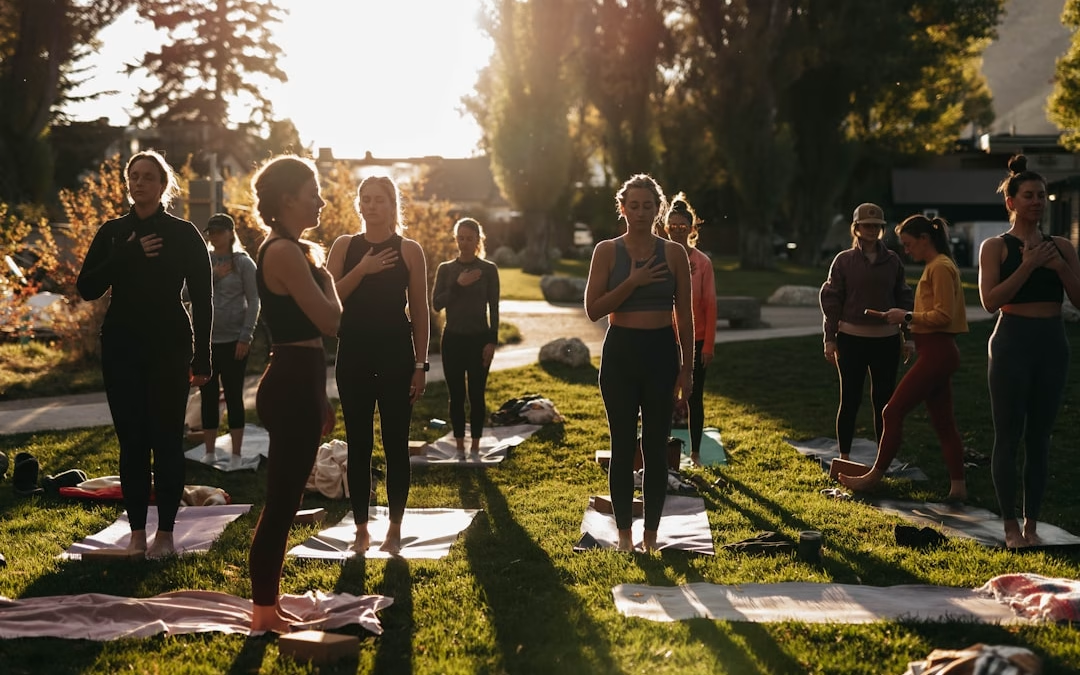
You’re probably here because you’re wondering how to really make the most of your well-being right here in your hometown. The good news is, you don’t need to move to a mega-city to thrive; your current community likely has more resources than you realize. This article will help you uncover those gems and offer practical ways to integrate wellness into your daily life, making health an accessible habit, not a daunting task.
Before you jump into new routines, it’s worth taking a moment to understand what’s already around you. Your hometown, no matter its size, has a unique health ecosystem.
Mapping Your Local Resources
Think of your town like a small planet, with different zones dedicated to well-being.
- Healthcare Providers: Beyond your regular doctor, are there specialists you might need? Dentists, optometrists, physical therapists, chiropractors, or even mental health professionals like therapists and counselors. Do you know where the walk-in clinics or urgent care centers are located? It’s good to have this information handy before you actually need it.
- Pharmacies and Medical Supply Stores: These are often cornerstone resources. Beyond prescriptions, many offer basic health screenings, vaccination services, and advice from pharmacists.
- Grocery Stores and Farmers’ Markets: Access to fresh, healthy food is crucial. Are there local markets that pop up seasonally? What about grocery stores that prioritize organic or local produce?
- Fitness Facilities: This varies wildly. It could be a full-fledged gym, a community center with a pool, a yoga studio, a Pilates studio, a martial arts school, or even just public parks with walking trails and outdoor exercise equipment.
- Community Centers and Libraries: These hubs often offer free or low-cost health-related programs – anything from nutrition workshops to stress management seminars.
- Parks and Green Spaces: These are often overlooked but incredibly valuable for physical activity, mental relaxation, and connecting with nature.
Local Initiatives and Programs
Many communities have specific programs aimed at improving public health.
- Public Health Department Programs: Your local health department often runs free clinics, vaccination drives, and chronic disease management programs. Sometimes they offer resources on topics like quitting smoking, managing diabetes, or healthy eating.
- Community Garden Projects: Getting involved not only provides fresh produce but also offers physical activity and social connection.
- Walking Groups or Running Clubs: These are fantastic for motivation and building a social network around active living. Check notice boards at community centers or online local forums.
- Support Groups: For various health conditions or life challenges, support groups in your area can provide invaluable emotional and practical help.
For those interested in enhancing their hometown health and wellness, exploring the principles of regenerative agriculture can be incredibly beneficial. A related article that delves into these methods is available at Discover Powerful Regenerative Agriculture Methods. This resource highlights how sustainable farming practices not only improve soil health but also contribute to the overall well-being of communities by promoting access to nutritious food and fostering a connection to local ecosystems.
Nourishing Your Body: Eating Well Locally
Eating healthy doesn’t have to mean exotic ingredients or expensive health food stores. Focusing on local options can be both beneficial and sustainable.
Tapping into Local Produce
Eating seasonally and locally often means fresher, more nutrient-dense food, and it supports your local economy.
- Farmers’ Markets and Farm Stands: These are goldmines for fresh fruits, vegetables, eggs, and often homemade goods. Talk to the farmers – they can offer cooking tips and tell you what’s in season.
- Community Supported Agriculture (CSA): Consider joining a CSA. You pay a subscription fee to a local farm and receive a weekly box of whatever they’re harvesting. It encourages you to try new things and eat with the seasons. If your town doesn’t have one, perhaps a neighboring town does.
- Local Butchers and Fishmongers: If available, these can offer higher quality, ethically sourced meats and seafood than larger chain stores. Don’t be afraid to ask where their products come from.
Eating Out Smart in Your Hometown
Even when you dine out, you can make healthy choices and support local businesses.
- Restaurants Prioritizing Fresh/Local Ingredients: Keep an eye out for restaurants that advertise using local produce, meats, or dairy. These often have fresher, more flavorful dishes.
- Customizing Your Order: Don’t be shy about asking for modifications. Can they swap fries for a side salad? Can sauce be served on the side? Are there grilled options instead of fried?
- Exploring Diverse Cuisines: Sometimes, ethnic restaurants offer inherently healthier options due to their traditional ingredients and cooking methods (e.g., lots of vegetables, lean proteins).
Moving Your Body: Active Living Close to Home

Physical activity is non-negotiable for wellness, and your hometown offers many ways to stay active without feeling like a chore.
Leveraging Outdoor Spaces
Nature is a powerful ally in well-being, and most towns have some form of green space.
- Parks and Trails: Explore your local parks. Are there paved walking paths, unpaved hiking trails, or even mountain bike routes? Just going for a regular walk outdoors can significantly boost your mood and physical health.
- Public Sports Facilities: Many towns have public tennis courts, basketball courts, soccer fields, or even disc golf courses that are free or low-cost to use.
- Community Pools: If your town has a public pool, it’s a great low-impact exercise option, especially in hotter months.
- Home-based Outdoor Activities: Even your own backyard or neighborhood sidewalks can be used for activities like gardening, walking the dog, or a spontaneous game of catch.
Engaging with Local Fitness Offerings
Beyond the great outdoors, there are often structured fitness options.
- Community Center Classes: These are often the most affordable and accessible. Look for classes like aerobics, Zumba, tai chi, or gentle stretching.
- Local Gyms and Studios: From large chain gyms to small, specialized studios (yoga, Pilates, spin), explore what fits your budget and interests. Many offer trial memberships.
- Organized Sports Leagues: Adult recreational leagues (softball, soccer, volleyball, bowling) are a fantastic way to be active and socialize. Check local sports complexes or community boards.
- Walking and Cycling Clubs: These provide camaraderie and motivation. Sometimes local bike shops or running stores host regular group outings.
Nurturing Your Mind: Mental Well-being in Your Community
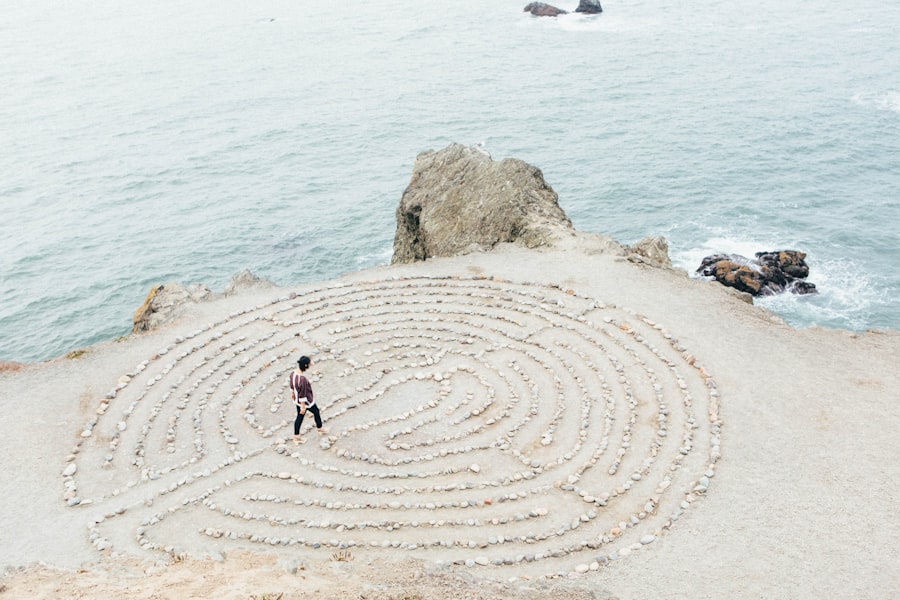
Mental health is just as important as physical health, and your hometown can be a supportive environment.
Accessing Mental Health Support
Knowing where to turn when you need help is crucial.
- Local Therapists and Counselors: A quick search, or asking your primary care physician, can help you find local mental health professionals. Some may offer sliding scale fees based on income.
- Community Mental Health Centers: These often provide a range of services, including therapy, support groups, and crisis intervention, often at reduced costs.
- Support Groups (Disease or Life-Challenge Specific): For conditions like anxiety, depression, grief, or addiction, local support groups offer a safe space to connect with others facing similar challenges. Check with hospitals, community centers, or online resources like NAMI for local chapters.
- Telehealth Options: Even if a specialist isn’t in your town, many therapists offer online sessions, making expert care more accessible.
Cultivating Connection and Purpose
Strong social ties and a sense of purpose are vital for mental well-being.
- Volunteering: Giving back to your community provides a sense of purpose and connection. Consider local shelters, libraries, hospitals, or environmental groups.
- Joining Local Clubs and Groups: From book clubs to gardening clubs, hobby groups, or civic organizations, these offer opportunities to meet like-minded people.
- Attending Community Events: Festivals, concerts in the park, farmers’ markets – these are great opportunities to feel part of your community and make new connections.
- Educational Opportunities: Libraries and community colleges often offer free or low-cost classes on various subjects, feeding your mind and fostering learning.
For those interested in enhancing their hometown health and wellness, exploring sustainable living practices can be incredibly beneficial. One insightful resource on this topic is an article about backyard homesteading, which offers practical tips for creating a self-sufficient lifestyle. By incorporating elements of sustainable agriculture into your daily routine, you can improve not only your health but also the well-being of your community. To learn more about this approach, check out this informative guide on backyard homesteading.
Restoring and Rejuvenating: Prioritizing Self-Care Locally
| Category | Metrics |
|---|---|
| Physical Health | Exercise frequency, BMI, blood pressure |
| Mental Health | Stress level, happiness index, sleep quality |
| Nutrition | Dietary habits, water intake, nutrient balance |
| Community Engagement | Participation in local events, volunteer hours |
Self-care isn’t selfish; it’s essential. Look for ways to build rest and rejuvenation into your local routine.
Finding Local Spots for Relaxation
Sometimes a change of scenery, even a small one, can do wonders.
- Quiet Parks and Gardens: Seek out less populated areas in local parks for quiet contemplation, meditation, or just reading a book in nature.
- Local Coffee Shops or Libraries: These can offer a cozy, low-key environment for some personal downtime, away from the distractions of home.
- Spas and Wellness Centers: If your budget allows, consider a local massage therapist, acupuncturist, or spa for stress relief and physical rejuvenation. Many offer introductory deals.
- Nature Preserves or Scenic Overlooks: If your town is near any, these can be perfect for unwinding and enjoying beautiful views.
Incorporating Restful Practices
Small, consistent habits can make a big difference.
- Mindfulness and Meditation Groups: Check with community centers or online groups for local meditation meet-ups. Often, these are free or donation-based.
- Restorative Yoga or Tai Chi: Look for these gentler movement classes at local studios or community centers, focusing on relaxation and gentle stretching.
- Digital Detox Zones: Create a “no screen” zone in your home or designate specific times to unplug. This might involve a walk in a local park without your phone.
- Prioritizing Sleep: While not directly a “local resource,” ensuring you have a dark, quiet, comfortable sleep environment at home is fundamental and often overlooked.
Thriving in your hometown isn’t about grand gestures or expensive pursuits. It’s about intelligently surveying your local landscape, connecting with available resources, and intentionally weaving wellness practices into the fabric of your daily life. Your community holds more support for your health than you might at first perceive – it’s just waiting for you to discover it.
