
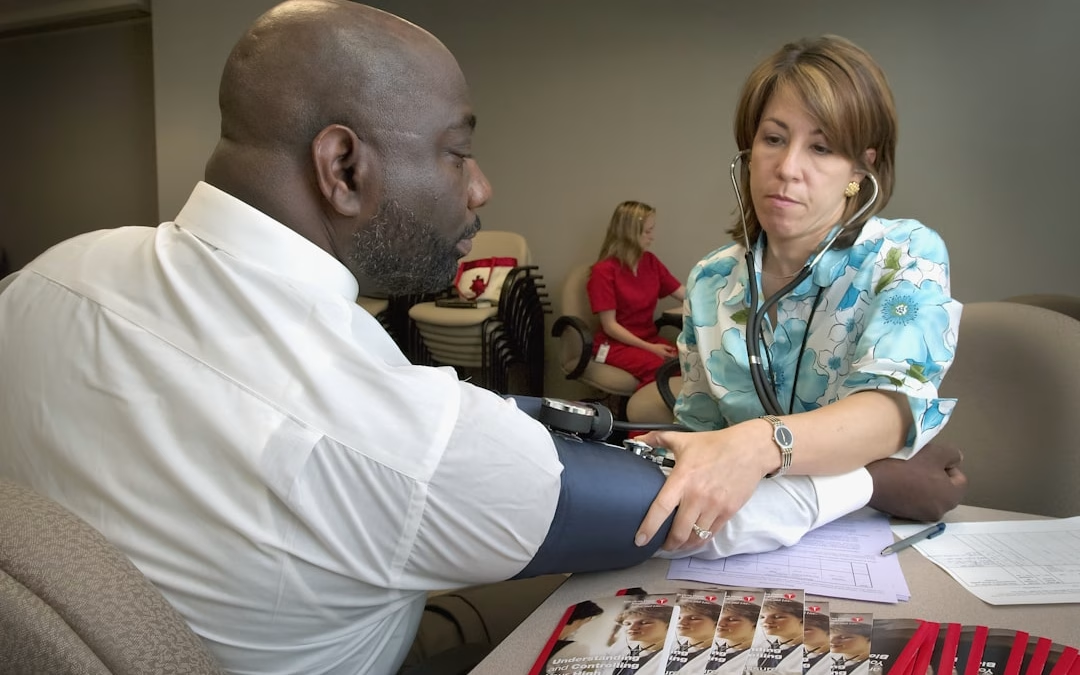
When it comes to your health, blood pressure is one of those key numbers you genuinely need to understand. Simply put, blood pressure is the force of your blood pushing against the walls of your arteries as your heart pumps it around your body. It’s measured with two numbers: the top one (systolic) represents the pressure when your heart beats and pushes blood out, and the bottom one (diastolic) is the pressure when your heart rests between beats. Knowing your numbers is crucial because consistently high blood pressure, or hypertension, can lead to serious health problems like heart attack, stroke, and kidney disease, often without any noticeable symptoms. Understanding what those numbers mean and what impacts them is the first step toward keeping your heart healthy.
Let’s break down those two numbers you see on a blood pressure reading. They tell a slightly different story but are equally important.
Systolic Pressure (The Top Number)
This is the higher number in your blood pressure reading and it represents the pressure in your arteries when your heart muscle contracts and pumps blood out. Think of it as the peak force. A healthy systolic reading is generally below 120 mmHg (millimeters of mercury). When this number is consistently high, it means your heart is working harder than it should to push blood through your vessels.
Diastolic Pressure (The Bottom Number)
This is the lower number and it measures the pressure in your arteries when your heart is at rest, between beats. It reflects the minimum pressure in your arteries. A healthy diastolic reading is typically below 80 mmHg. If this number is consistently elevated, it suggests that your arteries might not be relaxing as much as they should, or that there’s constant tension in your vascular system.
Blood Pressure Categories
Understanding where your numbers fit into these categories is key to knowing if you need to take action.
- Normal: Less than 120/80 mmHg. This is where you want to be. Keep up the good work!
- Elevated (Prehypertension): Systolic between 120-129 mmHg and diastolic less than 80 mmHg. This is a heads-up. It means you’re at risk of developing high blood pressure, and it’s a good time to make some lifestyle changes.
- High Blood Pressure (Hypertension Stage 1): Systolic between 130-139 mmHg or diastolic between 80-89 mmHg. At this stage, your doctor will likely recommend lifestyle changes and might consider medication, depending on other risk factors.
- High Blood Pressure (Hypertension Stage 2): Systolic 140 mmHg or higher or diastolic 90 mmHg or higher. This is more serious. Your doctor will almost certainly recommend lifestyle changes and medication.
- Hypertensive Crisis: Systolic higher than 180 mmHg and/or diastolic higher than 120 mmHg. This requires immediate medical attention. If you see numbers this high, even if you feel fine, call your doctor or 911.
For those interested in understanding the broader implications of health and wellness, particularly in relation to blood pressure management, you may find the article on permaculture practices insightful. It explores how sustainable living and dietary choices can influence overall health, including cardiovascular well-being. You can read more about it here: Discover the Power of Permaculture: Permaculture Practices.
Why High Blood Pressure is a Silent Threat
One of the trickiest things about high blood pressure is that it often doesn’t have obvious symptoms. You can feel perfectly fine while quietly causing damage to your body, which is why it’s often called the “silent killer.”
Damage to Arteries
Over time, high blood pressure stiffens and hardens your arteries, making them less elastic. This damage can reduce the flow of blood and oxygen to your organs. Imagine a garden hose with water flowing through it. If the pressure is too high, the hose walls take a beating and can eventually get damaged or burst. Your arteries work similarly.
Increased Risk of Serious Conditions
The continuous strain on your heart and blood vessels significantly increases your risk for several severe health issues.
- Heart Attack: When blood flow to a part of the heart muscle is blocked, often due to a hardened or narrowed artery, it can lead to a heart attack. High blood pressure contributes to this narrowing.
- Stroke: This occurs when the blood supply to part of your brain is interrupted or severely reduced, depriving brain tissue of oxygen and nutrients. High blood pressure is a leading cause of both ischemic stroke (a clot blocking blood flow to the brain) and hemorrhagic stroke (a blood vessel in the brain bursting).
- Aneurysm: High blood pressure can weaken blood vessels, leading to a bulge (aneurysm). If an aneurysm ruptures, it can be life-threatening.
- Heart Failure: Over time, the heart has to work harder against high pressure, causing its muscle to thicken and eventually weaken. A weakened heart can’t pump enough blood to meet the body’s needs, leading to heart failure.
- Kidney Disease: The tiny blood vessels in your kidneys can be damaged by high blood pressure, impairing their ability to filter waste from your blood. This can lead to kidney failure.
- Vision Loss: Small, delicate blood vessels in the eyes can also be damaged by high blood pressure, potentially leading to vision problems or even blindness.
- Vascular Dementia: Reduced blood flow to the brain due to damaged blood vessels can impair cognitive function, memory, and thinking skills.
Considering these potential consequences, regularly monitoring your blood pressure and taking steps to manage it is not just good practice; it’s essential for your long-term health and well-being.
Factors That Influence Your Blood Pressure
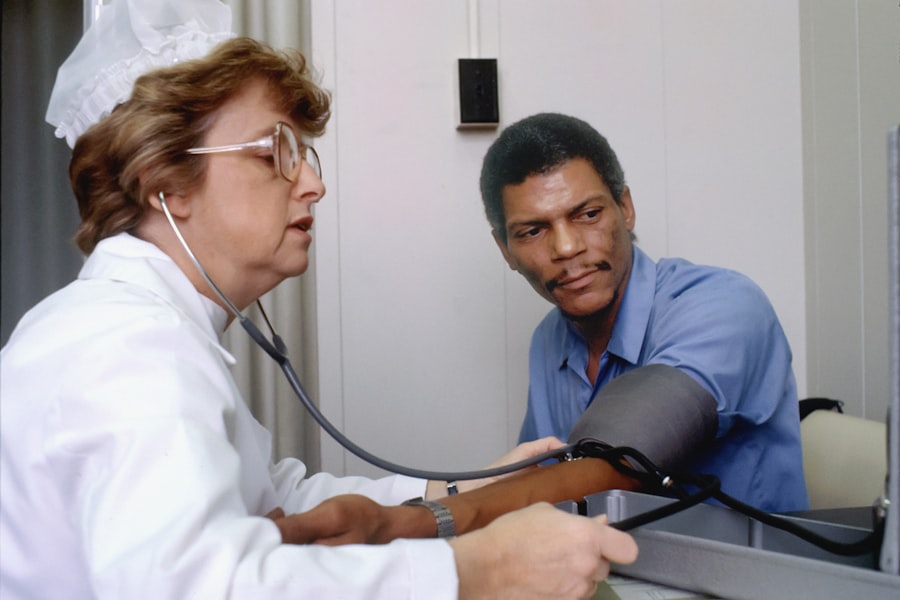
Many things can cause your blood pressure to go up or down. Some you can control, and some you can’t. Knowing these factors can help you understand your risk and make informed choices.
Uncontrollable Factors
These are the things you can’t change, but it’s still good to be aware of them.
- Age: Your blood pressure tends to increase as you get older. This is largely because arteries naturally stiffen and narrow with age.
- Family History: If your parents or close relatives have high blood pressure, you’re at a higher risk of developing it too. Genetics play a significant role.
- Race/Ethnicity: High blood pressure is more prevalent and often more severe in certain racial and ethnic groups, such as African Americans, often developing earlier in life and being harder to control.
- Sex: Until about age 64, high blood pressure is more common in men. At age 65 and older, women are more likely to develop high blood pressure.
Controllable Factors (Lifestyle Choices)
These are the areas where you have the power to make a difference. Focusing on these can often help prevent, control, or even reverse high blood pressure.
- Diet: What you eat has a huge impact.
- High Sodium Intake: Too much salt causes your body to retain fluids, which increases blood volume and consequently, blood pressure.
- Low Potassium Intake: Potassium helps balance sodium levels in your cells. Not getting enough can lead to an accumulation of too much sodium.
- Unhealthy Fats: Diets high in saturated and trans fats can contribute to atherosclerosis (hardening of the arteries), making your blood vessels less flexible.
- Sugary Drinks and Processed Foods: These often contribute to weight gain and inflammation, both of which can negatively affect blood pressure.
- Physical Inactivity: A sedentary lifestyle contributes to obesity and makes your heart work less efficiently. Regular physical activity keeps your heart strong and helps your blood vessels stay elastic.
- Obesity: The more you weigh, the more blood your heart needs to pump to supply oxygen and nutrients to your tissues. This increased volume puts greater pressure on your artery walls.
- Stress: While situational stress can cause temporary spikes in blood pressure, chronic stress can contribute to long-term high blood pressure. How you manage stress, or don’t, can have a cumulative effect.
- Smoking: Nicotine temporarily raises your blood pressure and heart rate. Chemicals in tobacco smoke damage the artery walls, making them stiff and narrowed, which increases your risk of heart disease.
- Excessive Alcohol Consumption: Drinking too much alcohol can raise blood pressure. It can also interfere with certain blood pressure medications.
- Certain Medical Conditions:
- Diabetes: High blood sugar can damage blood vessels and kidneys, increasing blood pressure risk.
- Sleep Apnea: Pauses in breathing during sleep can cause blood pressure to rise.
- Kidney Disease: Damaged kidneys can’t effectively regulate blood pressure.
- Thyroid Problems: Both an overactive and underactive thyroid can affect blood pressure.
How to Get an Accurate Blood Pressure Reading
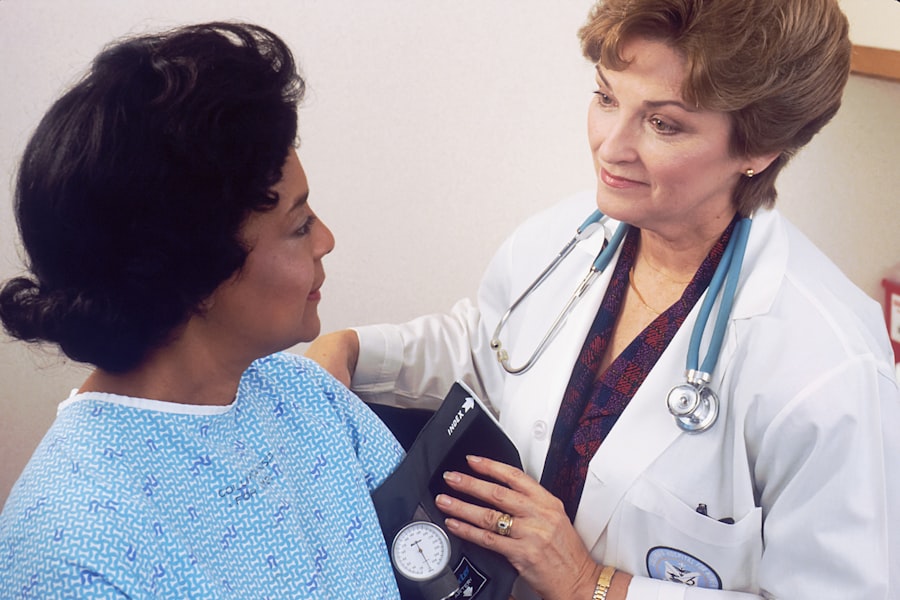
Monitoring your blood pressure at home can be incredibly helpful for you and your doctor. But it’s important to do it correctly to get meaningful results.
Preparation is Key
Don’t just slap on a cuff and hope for the best. A little preparation goes a long way.
- Wait a Bit: Avoid caffeine, exercise, and smoking for at least 30 minutes before taking your blood pressure. These can all temporarily raise your numbers.
- Rest: Sit quietly for 5 minutes before the reading. Get comfortable, relax, and don’t talk.
- Empty Your Bladder: A full bladder can actually slightly elevate your blood pressure.
- Proper Positioning:
- Sit with your back straight and supported (like in a dining chair, not a sofa).
- Keep your feet flat on the floor, uncrossed.
- Rest your arm on a flat surface, like a table, so your upper arm is at heart level.
- Make sure the blood pressure cuff is placed directly on your bare skin, not over clothing.
Choosing the Right Monitor
There’s a variety of blood pressure monitors out there. For home use, an automatic, upper-arm cuff monitor is usually recommended.
- Cuff Size Matters: An ill-fitting cuff (too small or too large) can give inaccurate readings. Make sure you measure your arm circumference and choose a cuff that fits correctly.
- Validation: Look for a monitor that has been clinically validated. Many health organizations provide lists of validated devices.
- Storage: Keep notes of your readings: day, time, and the two numbers (systolic/diastolic). Some monitors have memory functions, but a simple notebook works just as well.
Taking the Reading
- Take Multiple Readings: Take at least two readings, one minute apart, and average them. If the readings are wildly different, take a third.
- Consistency: Try to take your blood pressure at the same time every day, ideally in the morning before medication or coffee, and again in the evening.
- Don’t Overdo It: Daily checks are great if you’re newly diagnosed or adjusting medication. Otherwise, a few times a week might be enough, depending on your doctor’s advice.
- White Coat Hypertension: Be aware that some people experience higher blood pressure readings at the doctor’s office (“white coat hypertension”). Home monitoring helps differentiate this from true hypertension.
Maintaining healthy blood pressure is crucial for overall well-being, and understanding the factors that influence it can lead to better health outcomes. For those interested in exploring more about how lifestyle choices impact blood pressure, a related article can provide valuable insights. You can read more about this topic in the article on holistic health practices that emphasize the importance of nutrition and stress management.
Managing High Blood Pressure: Practical Steps
“`html
| Category | Normal Range |
|---|---|
| Systolic Pressure | 90-120 mmHg |
| Diastolic Pressure | 60-80 mmHg |
| Hypertension Stage 1 | 130-139/80-89 mmHg |
| Hypertension Stage 2 | 140+/90+ mmHg |
“`
So, you know your numbers and maybe they’re a bit higher than ideal. What now? The good news is that many practical, everyday steps can significantly help manage and even lower your blood pressure.
Lifestyle Modifications (Your First Line of Defense)
These are usually the first recommendations your doctor will make, and they are incredibly powerful.
- Eat for Your Heart (DASH Diet): The Dietary Approaches to Stop Hypertension (DASH) diet is often recommended.
- Reduce Sodium: Aim for less than 2,300 milligrams (mg) of sodium per day, ideally even less (1,500 mg) for many adults. Read food labels carefully – processed foods are often loaded with sodium.
- Increase Potassium: Eat more fruits (bananas, oranges), vegetables (spinach, potatoes), and legumes.
- More Fiber: Whole grains, fruits, and vegetables are rich in fiber, which is good for heart health.
- Lean Protein: Choose lean meats, fish, poultry without skin, and plant-based proteins.
- Healthy Fats: Incorporate healthy fats from sources like olive oil, avocados, and nuts.
- Limit Sugary Drinks and Refined Grains: These contribute to weight gain and inflammation.
- Get Active: Aim for at least 150 minutes of moderate-intensity aerobic activity, or 75 minutes of vigorous-intensity activity, per week. That’s about 30 minutes, five days a week.
- Aerobic Exercise Examples: Brisk walking, jogging, swimming, cycling, dancing.
- Strength Training: Add strength training exercises two or more days a week.
- Consistency: The key is to find activities you enjoy and stick with them. Even short bursts of activity throughout the day add up.
- Maintain a Healthy Weight: Losing even a small amount of weight (5-10% of your body weight) can significantly lower blood pressure.
- Limit Alcohol: If you drink, do so in moderation. For healthy adults, that means up to one drink per day for women and up to two drinks per day for men.
- Quit Smoking: If you smoke, quitting is one of the single best things you can do for your blood pressure and overall health.
- Manage Stress: Find healthy ways to cope with stress.
- Relaxation Techniques: Deep breathing, meditation, yoga.
- Hobbies: Engage in activities you enjoy.
- Adequate Sleep: Aim for 7-9 hours of quality sleep per night. Poor sleep can contribute to high blood pressure.
- Time Management: Prioritize tasks and learn to say no.
Medication (When Lifestyle Isn’t Enough)
If lifestyle changes aren’t sufficient, your doctor may prescribe medication. There are various types, and your doctor will choose the best one for you based on your individual needs and other health conditions.
- Diuretics: Often called “water pills,” these help your body eliminate sodium and water, reducing blood volume.
- ACE Inhibitors/ARBs: These medications help relax blood vessels by blocking the production or action of hormones that narrow them.
- Beta-Blockers: These slow your heart rate and open your blood vessels, reducing blood pressure.
- Calcium Channel Blockers: These relax the muscles of your blood vessels and can also slow your heart rate.
- Other Medications: There are other classes of drugs, and sometimes a combination of medications is needed to achieve target blood pressure goals.
It’s crucial to take your medication exactly as prescribed and not to stop taking it without consulting your doctor, even if your blood pressure numbers improve. Medication is often a long-term commitment when managing hypertension.
When to See a Doctor
Knowing when to seek professional advice is just as important as monitoring your blood pressure at home.
Regular Check-ups
- Annual Physicals: Even if you feel fine, regular check-ups are essential. This is often when blood pressure issues are first detected.
- Discuss Your Concerns: If you have a family history of high blood pressure or other risk factors, talk to your doctor about more frequent screenings.
Consistently High Readings
- Elevated Readings: If your home readings are consistently in the elevated or Stage 1 hypertension category (e.g., 120-139/80-89 mmHg), it’s time to schedule an appointment with your doctor. They can confirm the diagnosis and help you develop a plan.
- Stage 2 Hypertension: If your readings are consistently 140/90 mmHg or higher, you should see your doctor fairly quickly. This level of hypertension often requires more aggressive management, including medication.
Hypertensive Crisis
- Emergency Situation: If your blood pressure suddenly spikes to 180/120 mmHg or higher, and you have symptoms like chest pain, shortness of breath, severe headache, sudden vision changes, numbness, weakness, or difficulty speaking, seek immediate emergency medical care. Call 911.
- No Symptoms: If your blood pressure is 180/120 mmHg or higher but you have no symptoms, wait five minutes and take your blood pressure again. If it’s still that high, contact your doctor immediately for advice. They might tell you to head to the emergency room or urgent care.
Your blood pressure is a fundamental indicator of your cardiovascular health. Taking the time to understand what it means, monitoring it properly, and taking proactive steps to manage it can make a significant difference in your long-term health and quality of life. It’s not about perfection, but about consistent, informed effort towards better health.
