
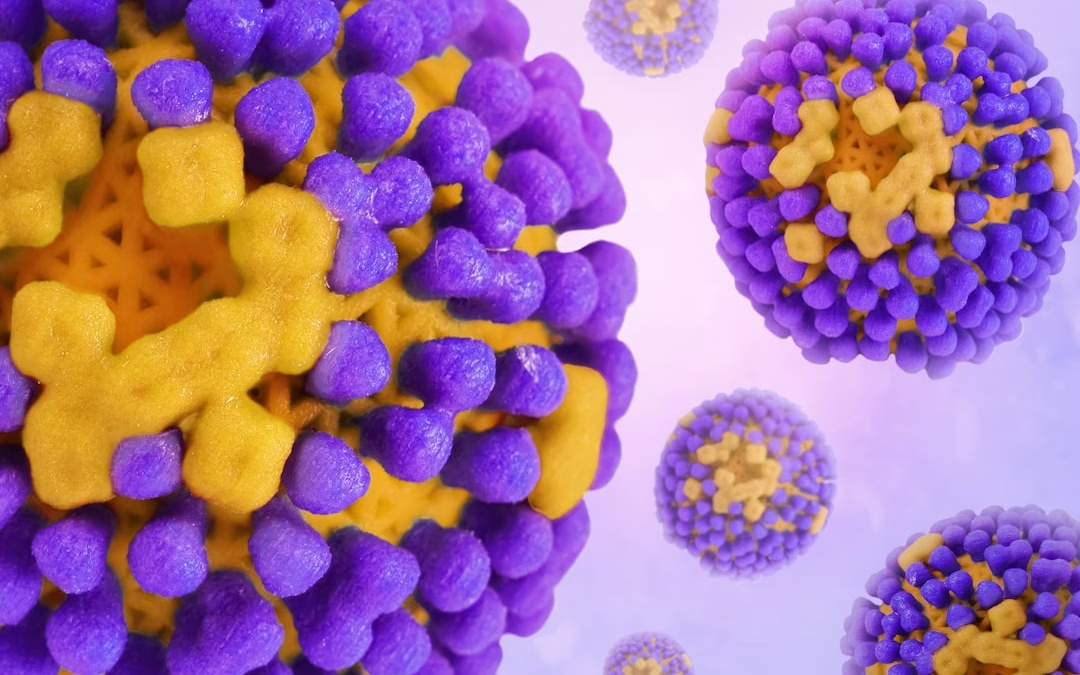
Hepatitis C is a liver infection caused by the Hepatitis C virus (HCV). It can range from a mild illness lasting a few weeks to a serious, lifelong condition that can lead to liver damage, cirrhosis, liver cancer, and even death. The good news is that with modern advancements, Hepatitis C is now curable for most people. Understanding how you might get it, what to look out for, and the treatment options available is crucial for prevention, early diagnosis, and effective management.
Hepatitis C is a viral infection that primarily affects the liver. Unlike some other viruses, HCV is transmitted through blood-to-blood contact. This means the virus needs to get from the blood of an infected person into the bloodstream of an uninfected person. It’s not spread through casual contact like hugging, kissing, sharing food or drinks, or sneezing.
Common Transmission Routes
Most new HCV infections in the United States today are due to sharing needles or other drug injection equipment. However, there are other ways the virus can be transmitted.
- Sharing Needles/Drug Paraphernalia: This is by far the most common way Hepatitis C is spread. Even tiny, unseen drops of blood on shared needles, syringes, or other equipment (like cotton, spoons, or water) can transmit the virus.
- Contaminated Blood Transfusions or Organ Transplants (Before 1992): Before 1992, blood products weren’t routinely screened for HCV in many countries. If you had a blood transfusion or organ transplant before this time, there’s a small chance you could have been exposed. Thankfully, modern screening has virtually eliminated this risk.
- Unsterile Medical Procedures: In some parts of the world, medical or dental procedures performed with unsterilized equipment can be a risk factor. This is much less common in countries with strict hygiene standards.
- Needle Stick Injuries in Healthcare Settings: Healthcare workers are at a very small risk if they accidentally stick themselves with a needle that has been used on an HCV-infected patient.
- Mother-to-Child Transmission: An HCV-infected mother can pass the virus to her baby during childbirth. This happens in about 4-6% of cases.
- Sexual Transmission: While possible, sexual transmission of HCV is less common than other routes. The risk increases with multiple sexual partners, sex with an HCV-infected partner with other STIs, or during rough sex that could cause blood exposure.
- Sharing Personal Items: Sharing items that might have tiny amounts of blood on them, like razors, toothbrushes, or nail clippers, can theoretically transmit the virus, though this is less common than other routes.
How it Doesn’t Spread
It’s important to clarify how Hepatitis C is not spread, to avoid unnecessary fear and stigma. You cannot get HCV from:
- Hugging, kissing, or shaking hands
- Sharing food, drinks, or eating utensils
- Coughing or sneezing
- Breastfeeding (unless nipples are cracked and bleeding)
- Mosquitoes or other insects
Hepatitis C is a significant public health concern that affects millions worldwide, and understanding its implications is crucial for effective management and prevention. For those interested in exploring the broader context of health and well-being, you might find the article on sustainable agriculture insightful, as it discusses how cultivating a greener future can impact overall health, including the prevention of various diseases. You can read more about this connection in the article here: Sustainable Agriculture: Cultivating a Greener Future.
Recognizing the Signs: Symptoms of Hepatitis C
Hepatitis C is often called a “silent killer” because many people don’t experience symptoms for years, even decades, after infection. This makes early diagnosis challenging, as the virus can silently damage the liver over time. When symptoms do appear, they can be vague and easily mistaken for other conditions.
Acute Hepatitis C Symptoms
Acute Hepatitis C is the initial phase of infection, lasting for the first 6 months after exposure. Most people (75-85%) never clear the virus during this stage and go on to develop chronic Hepatitis C.
- Often Asymptomatic: Around 70-80% of people with acute HCV infection have no noticeable symptoms.
- Mild Flu-like Symptoms: If symptoms do appear, they are usually mild and non-specific, resembling the flu. These can include:
- Fatigue
- Fever
- Nausea or vomiting
- Loss of appetite
- Abdominal pain (especially on the right side, where the liver is)
- Dark urine
- Light-colored stools
- Joint pain
- Jaundice (yellowing of the skin and eyes) – this is less common but a strong indicator when it occurs.
Chronic Hepatitis C Symptoms
Chronic Hepatitis C develops when the body fails to clear the virus within 6 months. This is the long-term, progressive form of the disease. Symptoms usually appear only after significant liver damage has occurred, sometimes 20 or more years after initial infection.
- Persistent Fatigue: This is one of the most common and debilitating symptoms, often not relieved by rest.
- Depression or Anxiety: Many people with chronic HCV report mood changes, which can be related to the physical toll of the illness or the psychological burden of a chronic disease.
- Nausea, Poor Appetite, Weight Loss: These can fluctuate and impact quality of life.
- Abdominal Discomfort: A dull ache or discomfort in the upper right abdomen.
- Achiness/Joint Pain: Widespread body aches or specific joint pain outbreaks.
- Skin Issues: Itchy skin, rashes, or other dermatological changes.
- Brain Fog/Difficulty Concentrating: Sometimes referred to as “hep C fog,” this can affect memory and cognitive function.
- Symptoms of Advanced Liver Disease (Cirrhosis): If chronic Hepatitis C progresses to cirrhosis (severe scarring of the liver), more serious symptoms can appear. These indicate the liver is struggling to function properly:
- Jaundice (yellow skin/eyes)
- Ascites (fluid buildup in the abdomen, causing swelling)
- Edema (swelling in the legs and ankles)
- Easy bruising or bleeding
- Spider angiomas (small, spider-like blood vessels on the skin)
- Hepatic encephalopathy (confusion, memory loss, personality changes due to toxin buildup in the brain)
- Varices (enlarged veins in the esophagus or stomach that can bleed)
If you have any risk factors for Hepatitis C or experience unexplained fatigue or other symptoms, it’s really important to get tested. Early detection can prevent serious liver damage.
Diagnosing Hepatitis C

Diagnosing Hepatitis C usually involves a two-step blood test process to confirm both exposure and active infection.
Initial Screening Test: HCV Antibody Test
The first step is a blood test to check for antibodies to the Hepatitis C virus. Antibodies are proteins your immune system produces to fight off a virus.
- What it means:
- Reactive/Positive: This indicates that you have been exposed to the Hepatitis C virus at some point in your life. It does not necessarily mean you currently have an active infection, as some people clear the virus on their own (though this is rare).
- Non-reactive/Negative: This means you have not been exposed, or if you were very recently exposed, your body hasn’t had time to produce antibodies yet (this is known as the “window period”).
Confirmatory Test: HCV RNA Test (Viral Load Test)
If the antibody test is positive, the next step is an HCV RNA test (also called an HCV viral load test or PCR test). This test looks for the actual genetic material of the virus in your blood.
- What it means:
- Detected/Positive: This confirms that you have an active Hepatitis C infection. This means the virus is currently in your blood and is reproducing.
- Not Detected/Negative: If your antibody test was positive, but your RNA test is negative, it means you were exposed to HCV in the past but successfully cleared the infection. You are no longer infected and cannot transmit the virus.
Additional Tests
Once an active infection is confirmed, your doctor will likely recommend additional tests to assess the health of your liver and determine the viral genotype (type of Hepatitis C virus).
- Liver Function Tests (LFTs): These blood tests measure enzymes and proteins in your blood that indicate liver inflammation or damage.
- Liver Biopsy: Historically, a biopsy was used to assess the degree of liver scarring (fibrosis or cirrhosis). While still occasionally used, non-invasive methods are often preferred now.
- Non-invasive Fibrosis Tests: These use blood tests (e.g., FibroSure, APRI score) or imaging techniques (e.g., FibroScan, ultrasound elastography) to estimate the amount of scarring in your liver without the need for a biopsy.
- HCV Genotype Test: This blood test identifies which of the six main genotypes (types) of Hepatitis C you have. Knowing the genotype helps your doctor select the most effective treatment regimen, as some medications work better for certain genotypes.
Treatment for Hepatitis C

The landscape of Hepatitis C treatment has dramatically changed in recent years. Gone are the days of grueling interferon injections with severe side effects. Today, Hepatitis C is highly curable for most people thanks to direct-acting antiviral (DAA) medications.
Direct-Acting Antivirals (DAAs)
DAAs are revolutionary drugs that directly target specific parts of the Hepatitis C virus, stopping it from replicating. They are taken orally, usually as a single pill once a day, for a relatively short period (8-12 weeks for most people).
- High Cure Rates: DAAs boast cure rates of over 95%, even for people with advanced liver disease. A “cure” means the virus is undetectable in your blood 12 weeks after finishing treatment – this is called a Sustained Virological Response (SVR). Achieving SVR means you no longer have Hepatitis C, cannot transmit it, and your liver can begin to heal.
- Fewer Side Effects: Compared to older treatments, DAAs have significantly fewer and milder side effects, making them much easier to tolerate. Common side effects, if any, might include fatigue, headache, and nausea.
- Short Treatment Duration: Most courses are just 8 or 12 weeks, a significant improvement from the 6-12 months required with older therapies.
- Genotype-Specific or Pangenotypic: Some DAAs are specifically approved for certain HCV genotypes, while others are “pangenotypic,” meaning they are effective against all genotypes. Your doctor will choose the best regimen based on your genotype and other factors.
Pre-Treatment Assessment
Before starting DAA treatment, your doctor will conduct a thorough evaluation, which typically includes:
- Confirming Active Infection and Genotype: As mentioned above, this is crucial for selecting the right medication.
- Assessing Liver Damage: This helps determine the urgency of treatment and whether any special considerations are needed.
- Checking for Co-infections: Screening for HIV, Hepatitis B (HBV), and other STIs is often recommended, as co-infections can influence treatment decisions.
- Reviewing Medications: It’s critical to discuss all current medications (including over-the-counter drugs, supplements, and herbal remedies) with your doctor, as some can interact with DAAs.
- Identifying Contraindications: While DAAs are very safe, your doctor will ensure there are no specific reasons why a particular drug might not be suitable for you.
During and After Treatment
- Adherence is Key: Taking your medication exactly as prescribed is vital for achieving a cure. Missing doses can reduce treatment effectiveness.
- Follow-up Appointments: You’ll have regular blood tests during and after treatment to monitor your progress and confirm SVR.
- Post-Cure Monitoring: Even after being cured of Hepatitis C, if you developed significant liver damage (cirrhosis) before treatment, you’ll still need ongoing monitoring for liver cancer and other complications. This typically involves regular ultrasounds and blood tests. Preventing re-infection is also important.
Barriers to Treatment
Despite the availability of highly effective treatments, many people with Hepatitis C still face barriers to accessing care. These can include:
- Lack of Awareness: Many people don’t know they have Hepatitis C due to its silent nature, or they’re unaware that a cure exists.
- Cost: While insurance coverage has improved, the upfront cost of DAAs can still be a barrier for some, and navigating insurance approval can be complicated.
- Stigma: The stigma associated with Hepatitis C (often linked to drug use) can prevent individuals from seeking testing and treatment.
- Access to Healthcare: Limited access to healthcare providers or specialists, especially in rural areas, can hinder treatment initiation.
- Payer Restrictions: Some insurance plans still have restrictions on who can receive treatment (e.g., requiring a certain degree of liver damage or sobriety periods), though these are becoming less common due to advocacy and updated guidelines.
Hepatitis C is a viral infection that primarily affects the liver and can lead to serious health complications if left untreated. For those looking to understand more about the various aspects of this condition, a related article discusses the importance of maintaining a healthy lifestyle to support liver health. You can read more about it in this informative piece on homemade cleaning products, which emphasizes the benefits of using natural ingredients that are less harmful to your body and environment. Taking care of your overall health can play a crucial role in managing hepatitis C effectively.
Living with and Preventing Hepatitis C
| Category | Metrics |
|---|---|
| Prevalence | 71 million people worldwide are estimated to have chronic hepatitis C infection |
| Transmission | Mainly spread through blood-to-blood contact, such as sharing needles or equipment for injecting drugs |
| Symptoms | Many people with hepatitis C do not have symptoms until the later stages of the infection |
| Treatment | Antiviral medications are used to treat hepatitis C infection |
| Prevention | Preventive measures include avoiding sharing needles, practicing safe sex, and avoiding sharing personal items that may have blood on them |
Living with Hepatitis C before treatment or after a cure involves focusing on overall health and preventing re-infection or further liver damage. Prevention is always better than cure, and understanding how to avoid contracting the virus is crucial for everyone.
For Those Awaiting or Undergoing Treatment
- Protect Your Liver: Avoid alcohol completely, as it puts additional strain on your liver. Discuss all medications, supplements, and herbal remedies with your doctor, as some can be harmful to the liver. Eat a healthy, balanced diet.
- Prevent Transmission: Follow safe practices to avoid transmitting the virus to others:
- Do not share needles, syringes, or other drug injection equipment.
- Do not share personal items that might have blood on them, like razors, toothbrushes, or nail clippers.
- Use condoms to reduce the (small) risk of sexual transmission, especially with new partners or if you have any other STIs.
- Inform healthcare providers about your HCV status.
- Prioritize Mental Health: Living with a chronic illness can be emotionally challenging. Seek support from friends, family, support groups, or mental health professionals if needed.
- Stay Informed: Keep up-to-date on treatment advancements and discuss any questions or concerns with your doctor.
After Being Cured of Hepatitis C
Congratulations on being cured! However, a cure doesn’t make you immune to future infections.
- Prevent Re-infection: The biggest takeaway is that you can get Hepatitis C again if you’re re-exposed to the virus. Continue to practice harm reduction strategies:
- Never share needles or drug injection equipment.
- Avoid sharing personal items that could transmit blood.
- If you have a previous history of injection drug use, consider ongoing prevention efforts and support systems to avoid relapse.
- Ongoing Liver Monitoring (if applicable): If you had extensive liver damage (cirrhosis) before being cured, you’ll still need regular monitoring for liver cancer (hepatocellular carcinoma) and other complications. Your doctor will advise on the frequency of these check-ups.
- Healthy Lifestyle: Continue to avoid alcohol, maintain a healthy diet, and manage any co-existing health conditions to support overall liver health.
Preventing Hepatitis C Acquisition (General Population)
Even if you don’t have Hepatitis C, understanding prevention is important.
- Safe Injecting Practices: If you or someone you know injects drugs, using new, sterile needles and syringes for every injection is the single most effective way to prevent HCV transmission. Needle exchange programs offer sterile supplies and safe disposal.
- Safe Tattooing and Piercing: Ensure any tattoo or piercing parlor you use is licensed, reputable, and follows strict sterilization procedures, including using new, disposable needles and ink pots for each client.
- Healthcare Safety: Be aware of sterile practices in medical settings, especially abroad.
- Safe Sex Practices: While sexual transmission is less common, practicing safe sex (e.g., consistent and correct use of condoms) can reduce the risk, particularly if you have multiple partners or engage in sex that could involve blood exposure.
- Avoid Sharing Personal Items: Never share razors, toothbrushes, nail clippers, or other items that could come into contact with blood.
- Get Tested if at Risk: If you have any risk factors (such as a history of injection drug use, even once; a blood transfusion before 1992; or born between 1945 and 1965 – the CDC recommends all baby boomers get tested once), talk to your doctor about getting screened.
Hepatitis C is a serious but curable disease. Knowing the facts empowers you to protect yourself, get tested if at risk, and pursue treatment if needed. With modern medicine, a full recovery is a very real and achievable outcome for the vast majority of people.
