
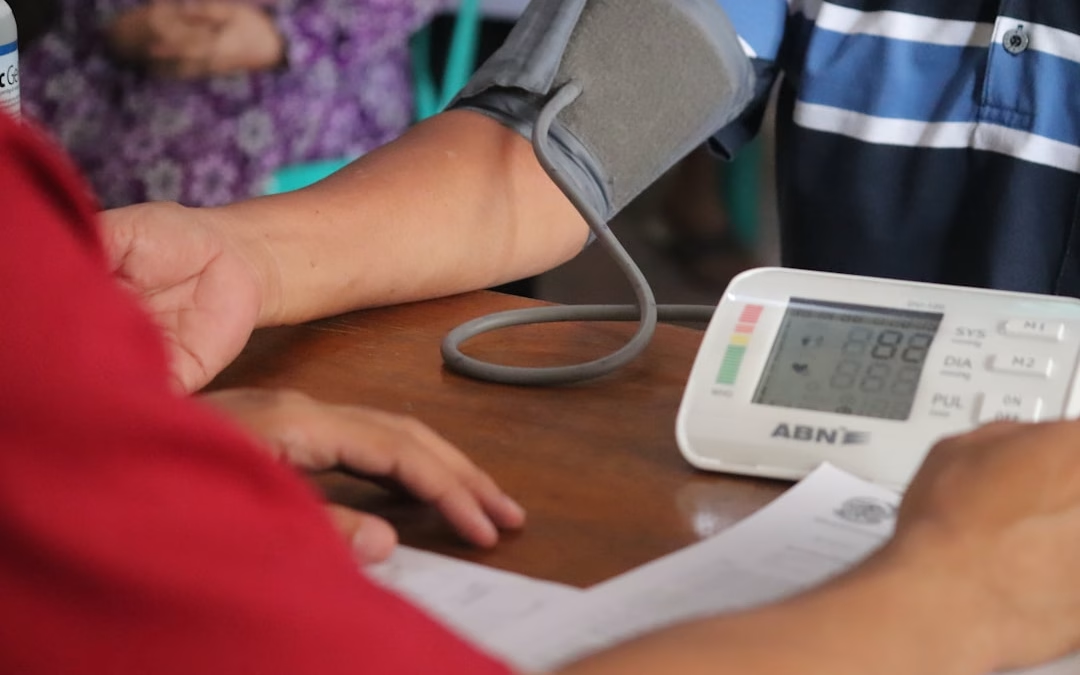
So, what’s the deal with Hypertension, or high blood pressure? Simply put, it means the force of your blood pushing against the walls of your arteries is consistently too high. Think of your arteries like hoses; if the pressure inside is constantly cranked up, it can cause damage over time. This isn’t just a number on a machine; persistent high blood pressure significantly increases your risk of serious health problems like heart attack, stroke, and kidney disease. The tricky part is, it often has no obvious symptoms, earning it the nickname “the silent killer.” That’s why understanding its causes and how to manage it is so crucial.
It’s not usually one single thing that causes high blood pressure, but rather a mix of factors. Sometimes, there’s a clear underlying medical condition, but often, it’s a combination of lifestyle choices and genetics.
Primary (Essential) Hypertension: The Most Common Type
For the vast majority of people, hypertension doesn’t have an identifiable cause. This is what doctors call primary or essential hypertension. It tends to develop gradually over many years. While the exact mechanism isn’t fully understood, it’s believed to be a complex interplay of:
Genetics and Family History: The Hand You’re Dealt
If your parents or close relatives have high blood pressure, your chances of developing it are significantly higher. This doesn’t mean it’s inevitable, but it does mean you should be more vigilant and proactive about prevention. We’re still unraveling the specific genes involved, but the pattern is clear.
Age: The March of Time
As we get older, our arteries naturally tend to stiffen and narrow, making them less elastic. This can contribute to increased blood pressure. It’s why regular blood pressure checks become even more important as you age.
Race and Ethnicity: Unraveling Disparities
Certain racial and ethnic groups have a higher prevalence of hypertension, often developing it earlier in life and with more severity. For example, individuals of African descent in many Western countries experience higher rates of hypertension and related complications. While socio-economic factors and access to healthcare play a significant role, there might also be genetic predispositions that are still being researched.
Gender: Some Differences Emerge
Before age 55, men are generally more likely to develop high blood pressure. After age 55, women tend to catch up or even surpass men. This shift is often linked to hormonal changes that occur during menopause.
Secondary Hypertension: When There’s an Underlying Culprit
In some cases, high blood pressure is a symptom of another medical condition. This is called secondary hypertension. When the underlying condition is treated, the blood pressure often improves or returns to normal.
Kidney Problems: The Filtering System Matters
Your kidneys play a vital role in regulating blood pressure by controlling fluid and salt balance in your body. Conditions like kidney disease, renal artery stenosis (narrowing of the arteries to the kidneys), or even simple kidney infections can lead to high blood pressure. If your kidneys aren’t functioning optimally, your body might retain more fluid and salt, directly increasing blood volume and pressure.
Adrenal Gland Disorders: Hormonal Influences
Your adrenal glands, located on top of your kidneys, produce hormones that help regulate blood pressure, like aldosterone and cortisol. Conditions such as Cushing’s syndrome (too much cortisol) or primary aldosteronism (too much aldosterone) can significantly elevate blood pressure. Pheochromocytoma, a rare tumor of the adrenal gland, can also cause severe, episodic increases in blood pressure.
Thyroid Issues: A Small Gland with Big Impact
Both an overactive thyroid (hyperthyroidism) and an underactive thyroid (hypothyroidism) can affect blood pressure. Hyperthyroidism can increase heart rate and the force of contraction, leading to higher systolic pressure, while hypothyroidism can cause stiffening of arteries, leading to higher diastolic pressure.
Sleep Apnea: Breathing Disruptions at Night
Obstructive sleep apnea, a condition where breathing repeatedly stops and starts during sleep, can cause spikes in blood pressure due to oxygen deprivation and stress on the cardiovascular system. Over time, these nightly spikes can contribute to sustained high blood pressure.
Certain Medications and Substances: What You’re Taking
A surprising number of common medications can elevate blood pressure as a side effect. These include:
- Birth control pills: Some oral contraceptives, particularly older formulations or those with higher estrogen doses, can slightly increase blood pressure in some women.
- Decongestants: Many over-the-counter cold and flu remedies contain decongestants like pseudoephedrine or phenylephrine, which can narrow blood vessels and raise blood pressure.
- NSAIDs (nonsteroidal anti-inflammatory drugs): Medications like ibuprofen (Advil, Motrin) and naproxen (Aleve) can cause fluid retention and affect kidney function, leading to increased blood pressure, especially with regular use.
- Some antidepressants: Certain antidepressants, particularly SNRIs (serotonin-norepinephrine reuptake inhibitors) like venlafaxine, can sometimes cause a modest increase in blood pressure.
- Steroids: Corticosteroids, used for various inflammatory conditions, can cause fluid retention and blood pressure elevation.
- Illicit drugs: Cocaine and amphetamines can cause severe and sudden spikes in blood pressure, potentially leading to medical emergencies.
Hypertension, commonly known as high blood pressure, can significantly impact overall health, making it essential to adopt a balanced diet rich in fruits and vegetables. For those looking to enhance their dietary habits, a related article on preserving fresh produce can be quite beneficial. You can explore tips for preserving fruits and veggies in this informative piece: Preserve Your Harvest: Tips for Preserving Fruits and Veggies. By incorporating preserved produce into your meals, you can maintain a nutritious diet that supports healthy blood pressure levels.
Lifestyle Choices: The Factors We Can Influence
While genetics and age play a role, many of the leading causes of primary hypertension are directly linked to our daily habits. The good news? This means we have a lot of power to manage and even prevent it.
Unhealthy Diet: What You Put On Your Plate
What you eat has a profound impact on your blood pressure.
High Salt Intake: The Sodium Connection
Too much sodium (salt) in your diet makes your body retain fluid, which increases blood volume and, consequently, blood pressure. Most of the sodium we consume comes not from the salt shaker, but from processed foods, restaurant meals, and packaged snacks.
Low Potassium Intake: The Counterbalance
Potassium helps to balance sodium levels in your cells. A diet rich in potassium-rich foods (like fruits, vegetables, and some dairy) can help lower blood pressure by promoting sodium excretion.
Saturated and Trans Fats: Arterial Blockers
Diets high in unhealthy fats can contribute to atherosclerosis (hardening and narrowing of the arteries), making it harder for blood to flow freely and leading to increased pressure.
Lack of Physical Activity: A Sedentary Lifestyle
Being physically inactive increases your risk of high blood pressure. Regular exercise strengthens your heart, making it more efficient at pumping blood, which can lower the force on your arteries. It also helps with weight management, another key factor.
Managing hypertension is crucial for maintaining overall health, and understanding the lifestyle factors that contribute to this condition can be beneficial. For those interested in exploring how rural living can positively impact health, a related article discusses essential elements for a comfortable country life. You can read more about it here. Embracing a slower pace and connecting with nature may help reduce stress levels, which is an important aspect of managing blood pressure effectively.
Obesity or Being Overweight: The Extra Burden
Carrying extra weight significantly increases your risk of high blood pressure. The more you weigh, the more blood your body needs to supply oxygen and nutrients to tissues. As blood volume increases, so does the pressure on your artery walls. Obesity is also often linked to insulin resistance and sleep apnea, both of which can contribute to hypertension.
Excessive Alcohol Consumption: More Than Just a Buzz
While moderate alcohol intake might have some cardiovascular benefits for some people, excessive drinking can significantly raise blood pressure. It can also interfere with blood pressure medications. “Excessive” usually means more than two drinks per day for men and more than one drink per day for women.
Stress: The Modern-Day Amplifier
While stress alone doesn’t directly cause long-term hypertension, it definitely plays a role. When you’re stressed, your body releases hormones that temporarily constrict blood vessels and increase heart rate, causing a temporary spike in blood pressure. Chronic stress, combined with unhealthy coping mechanisms like overeating, smoking, or excessive drinking, can contribute to sustained high blood pressure over time.
Diagnosing Hypertension: How We Know It’s There
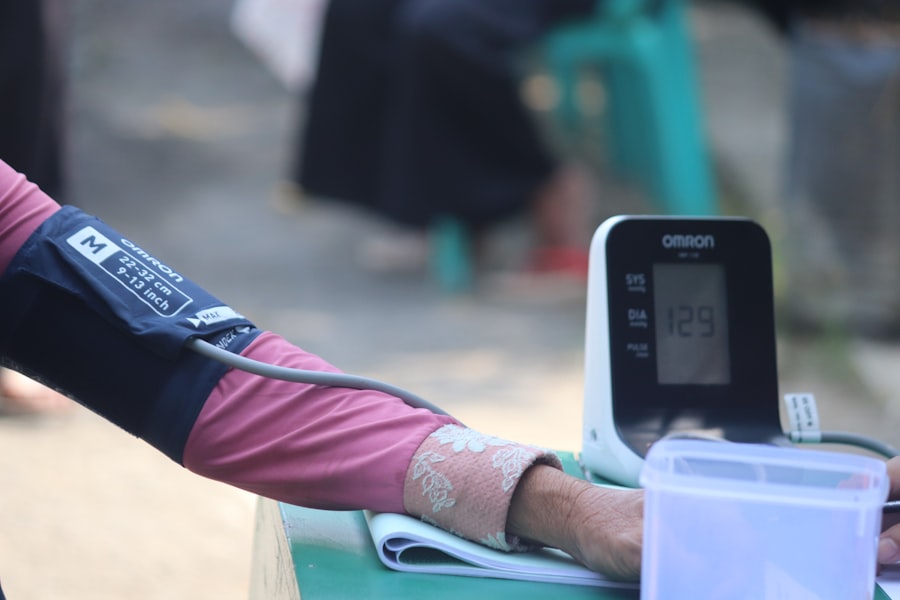
Since hypertension often has no symptoms, regular blood pressure checks are the only way to know if you have it.
The Blood Pressure Cuff: Your First Line of Defense
A blood pressure reading consists of two numbers:
- Systolic pressure (the top number): This measures the pressure in your arteries when your heart beats.
- Diastolic pressure (the bottom number): This measures the pressure in your arteries when your heart rests between beats.
A normal blood pressure is generally considered to be less than 120/80 mmHg.
Understanding the Numbers: What They Mean
- Normal: Less than 120/80 mmHg
- Elevated: Systolic between 120-129 AND diastolic less than 80 mmHg
- Hypertension Stage 1: Systolic between 130-139 OR diastolic between 80-89 mmHg
- Hypertension Stage 2: Systolic 140 or higher OR diastolic 90 or higher mmHg
- Hypertensive Crisis: Systolic higher than 180 AND/OR diastolic higher than 120 mmHg (requires immediate medical attention)
It’s important to remember that a single high reading doesn’t necessarily mean you have hypertension. Your doctor will likely want several readings taken over time, perhaps in different settings, to confirm a diagnosis. Sometimes, “white coat hypertension” – where your blood pressure is high at the doctor’s office due to anxiety – can occur. Ambulatory blood pressure monitoring (wearing a device for 24 hours) can provide a more accurate picture of your blood pressure throughout your day and night.
Managing Hypertension: Taking Control of Your Health
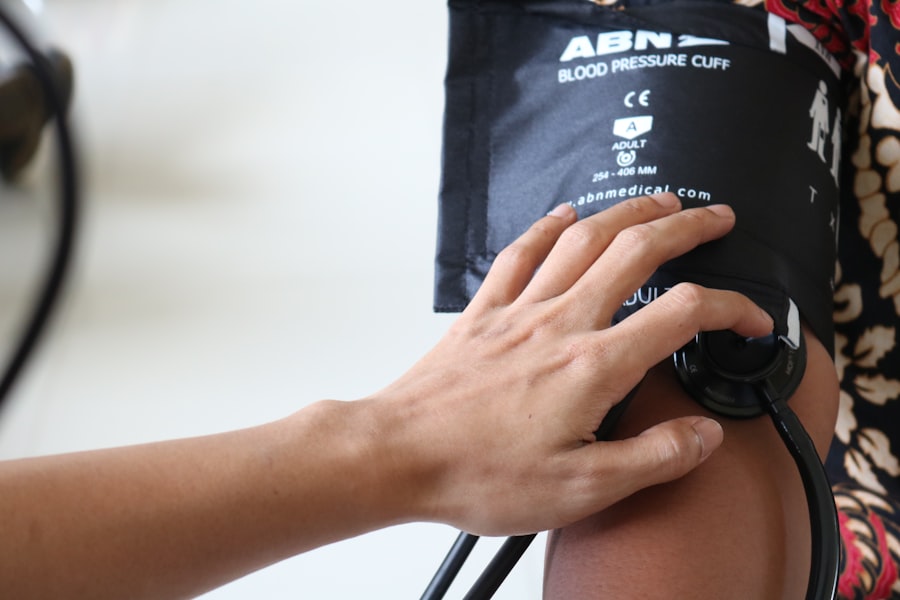
Once diagnosed, managing hypertension usually involves a two-pronged approach: lifestyle changes and, when necessary, medication. The goal is to bring your blood pressure down to a healthy range to minimize the risk of complications.
Lifestyle Modifications: Your Everyday Toolkit
These changes are often the first line of defense and can significantly impact your blood pressure, sometimes even allowing you to reduce or avoid medication.
Dietary Changes: Eating for a Healthier Heart
The DASH (Dietary Approaches to Stop Hypertension) diet is highly recommended. It emphasizes:
- Reducing sodium: Aim for less than 2,300 mg per day, ideally even less (1,500 mg) for many people. Read food labels carefully, cook at home more, and use herbs and spices instead of salt for flavor.
- Eating more fruits and vegetables: These are packed with potassium, fiber, and other beneficial nutrients. Aim for 5-9 servings per day.
- Choosing whole grains: Opt for whole-wheat bread, brown rice, and oats over refined grains.
- Including lean protein: Fish, poultry, beans, and nuts are good choices.
- Limiting saturated and trans fats, and cholesterol: Cut back on red meat, full-fat dairy, and highly processed foods.
- Reducing added sugars: Sugary drinks and sweets contribute to weight gain and inflammation.
Regular Physical Activity: Get Moving!
Aim for at least 150 minutes of moderate-intensity aerobic activity, or 75 minutes of vigorous-intensity aerobic activity, per week. This could be brisk walking, jogging, cycling, swimming, or dancing. Incorporating strength training a couple of times a week is also beneficial. Even small bouts of activity throughout the day can make a difference.
Weight Management: Shedding the Extra Load
If you’re overweight or obese, losing even a small amount of weight (5-10% of your body weight) can have a significant positive impact on your blood pressure. Work with your doctor or a dietitian to create a sustainable weight loss plan.
Limiting Alcohol and Quitting Smoking: Essential Steps
If you drink alcohol, do so in moderation. If you smoke, quitting is one of the single most impactful things you can do for your overall health, including your blood pressure. Smoking damages blood vessels, making them stiffen and narrow.
Stress Reduction Techniques: Finding Your Calm
While you can’t eliminate stress, you can learn to manage it more effectively. Consider practices like meditation, yoga, deep breathing exercises, spending time in nature, or engaging in hobbies you enjoy. Adequate sleep is also crucial for stress management and overall health.
Medications: When Lifestyle Isn’t Enough
If lifestyle changes aren’t enough to bring your blood pressure to a healthy range, your doctor may prescribe medication. There are various types of blood pressure medications, and your doctor will choose the best one (or combination) for you based on your individual health profile.
Common Classes of Drugs: A Quick Overview
- Diuretics (Water Pills): These help your body eliminate excess sodium and water, reducing blood volume.
- ACE Inhibitors and ARBs (Angiotensin Receptor Blockers): These medications relax blood vessels by blocking the production or action of hormones that narrow them.
- Beta-Blockers: These slow your heart rate and reduce the force of your heartbeat, lowering blood pressure.
- Calcium Channel Blockers: These relax the muscles in your blood vessel walls, widening them and lowering blood pressure.
- Alpha-Blockers, Alpha-Beta Blockers, and Renin Inhibitors: These are other classes of medications that work in different ways to relax blood vessels or affect hormone production.
It’s important to take your medication exactly as prescribed and not to stop taking it without consulting your doctor, even if you feel fine. Regular follow-up appointments are essential to monitor your blood pressure and adjust your treatment plan as needed. Your journey with hypertension management is a collaborative effort between you and your healthcare team.
