
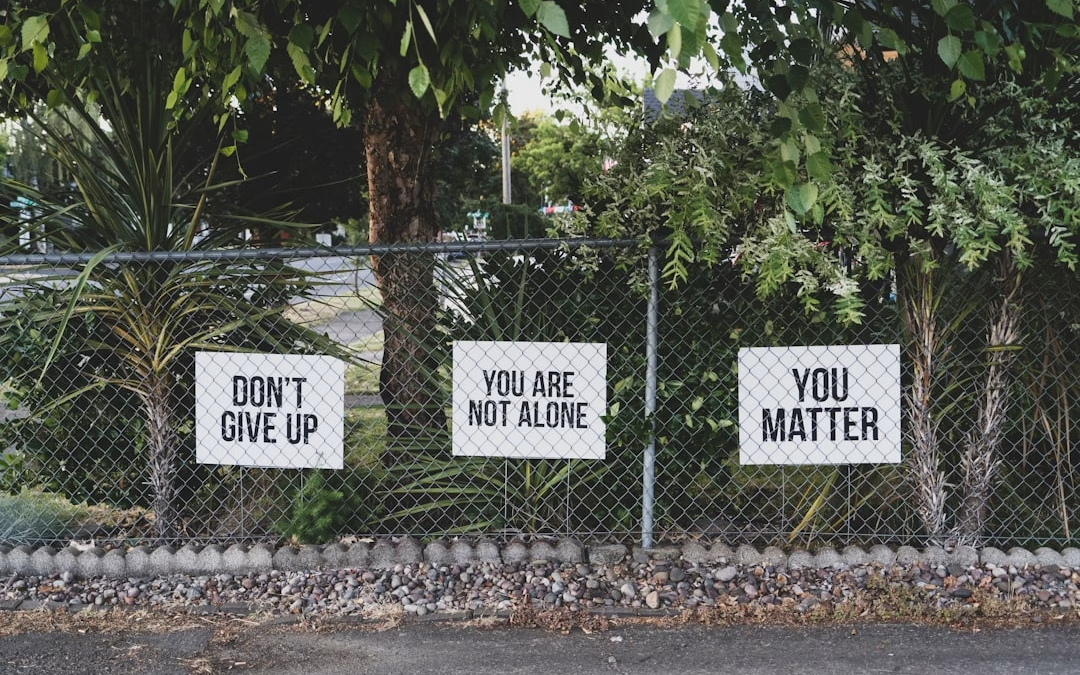
Let’s be honest, sometimes “mental health” sounds like it’s for someone else, someone experiencing a big crisis. But really, it’s for everyone. Think of it like physical health – you have good days, bad days, and days where you’re just kind of… there. Mental health is that same spectrum, but for your mind. It’s about how you think, feel, and act, and how you manage life’s ups and downs. It’s not just the absence of illness; it’s about feeling generally well, being able to handle stress, build meaningful relationships, and contribute to your community. It’s a pretty broad concept, and that’s a good thing because it means it’s applicable to all of us, all the time.
The Core Idea: More Than Just “Not Being Sad”
When we talk about mental health, it’s easy to jump to thinking about depression or anxiety. Those are undeniably important parts of the conversation, but mental health is bigger than that. It’s about your overall psychological, emotional, and social well-being. It affects how you handle stress, how you relate to others, and the choices you make. It’s like your internal operating system. A well-functioning system allows you to navigate the world more effectively, adapt to change, and bounce back from challenges. A system that’s struggling might make things feel overwhelming, exhausting, or even impossible at times. Paying attention to your mental health isn’t about being perfect; it’s about understanding your internal landscape and taking steps to keep it as healthy as possible.
Why It Matters: The Everyday Impact
This isn’t just an academic concept. Your mental health directly influences your daily life. Feeling mentally well can boost your productivity at work or school, improve your relationships with loved ones, and even strengthen your physical health. When your mind is in a good place, you have more energy, you’re more resilient to stress, and you’re generally more capable of enjoying life. Conversely, struggling with your mental health can make everyday tasks feel monumental, strain your relationships, and lead to physical symptoms like fatigue or digestive issues. It’s a feedback loop – a healthy mind supports a healthy body, and vice-versa.
For those interested in enhancing their mental health while pursuing independent living, a related article that offers valuable insights is available at this link: Unlock Self-Sufficiency: Essential Tips for Independent Living. This article discusses practical strategies for fostering self-sufficiency, which can significantly contribute to improved mental well-being by promoting a sense of control and accomplishment in one’s life.
Building a Foundation: What Contributes to Good Mental Health?
So, if it’s not just about avoiding illness, what actively builds good mental health? It’s a mix of internal factors and external circumstances. Think of it like building a house – you need a solid foundation, the right materials, and ongoing maintenance.
Internal Factors: Your Inner World
These are the things happening within you, your own internal resources and capabilities.
Self-Awareness: Knowing Yourself
This is a big one. Understanding your emotions, your triggers, your strengths, and your weaknesses is fundamental. It’s the ability to identify what’s going on inside you without judgment.
- Recognizing Your Feelings: Noticing when you’re feeling stressed, sad, angry, or happy, and understanding why. Sometimes, just putting a name to an emotion can be incredibly helpful.
- Identifying Triggers: What situations, thoughts, or events tend to make you feel a certain way, especially if it’s negative? Being aware of these can help you prepare or manage them better.
- Understanding Your Strengths: What are you good at? What do you enjoy? Leaning into your strengths can boost your confidence and create positive experiences.
Resilience: Bouncing Back
Life throws curveballs. Resilience is your ability to adapt and recover from adversity, stress, or trauma. It’s not about being unaffected, but about having the capacity to get back up.
- Developing Coping Mechanisms: Learning healthy ways to deal with stress, like exercise, mindfulness, or talking to someone.
- Maintaining a Positive Outlook (Realistically): This isn’t about forced positivity, but about finding hope and seeing possibilities, even in difficult times.
- Learning from Experiences: Viewing setbacks as opportunities for growth rather than definitive failures.
Self-Esteem and Self-Compassion: Your Relationship with Yourself
How you view yourself has a huge impact. High self-esteem means you generally have a positive regard for yourself, while self-compassion is about treating yourself with kindness and understanding, especially when you’re struggling.
- Challenging Negative Self-Talk: Actively questioning those inner critic voices that tell you you’re not good enough.
- Accepting Imperfection: Recognizing that everyone makes mistakes and has flaws, and that’s okay.
- Practicing Self-Care Without Guilt: Understanding that caring for yourself is essential, not a luxury or selfish act.
External Factors: Your Environment and Support Systems
The world around you plays a significant role in your mental well-being.
Social Connections: The Power of Belonging
Humans are social creatures. Strong, supportive relationships are vital for mental health.
- Nurturing Relationships: Investing time and effort into friendships, family ties, and romantic partnerships.
- Seeking Support: Knowing you can turn to others when you need to talk or need practical help.
- Feeling Understood: Connecting with people who “get” you can be incredibly validating.
Healthy Lifestyle Choices: The Mind-Body Connection
What you do physically has a direct impact on your mental state.
- Adequate Sleep: Aiming for consistent, quality sleep is crucial for mood regulation and cognitive function.
- Balanced Nutrition: What you eat affects your brain. A diet rich in fruits, vegetables, and whole grains supports mental well-being. Minimizing processed foods and excessive sugar can also help.
- Regular Physical Activity: Exercise is a powerful mood booster and stress reducer. Find something you enjoy, whether it’s walking, dancing, or something more intense.
- Limiting Substance Use: Excessive alcohol or drug use can significantly impair mental health and interfere with coping mechanisms.
Environment and Safety: Your Surroundings
Your living and working environments matter too.
- Safe and Stable Living Conditions: Feeling secure in your home can reduce anxiety and stress.
- Access to Nature: Spending time outdoors has been linked to improved mood and reduced stress.
- Work-Life Balance: Finding a rhythm that allows for both professional engagement and personal well-being.
Recognizing When Things Aren’t So Great: Signs of Mental Health Challenges
Sometimes, despite our best efforts, our mental health can take a hit. It’s important to be able to recognize when something might be off, both in ourselves and in those around us. This isn’t about diagnosing, but about noticing changes that are persistent and impactful.
Subtle Shifts: The Early Indicators
Often, problems don’t appear overnight. There might be gradual changes that you can observe.
Changes in Mood and Emotions
- Persistent Low Mood: Feeling sad, down, or hopeless more often than not, for a significant period.
- Increased Irritability or Anger: Becoming easily frustrated, snapping at people, or feeling a general sense of resentment.
- Loss of Interest (Anhedonia): Not finding pleasure in activities you used to enjoy, even things like hobbies or spending time with friends.
- Excessive Worry or Fear: Feeling constantly anxious, worried, or on edge, even when there’s no obvious threat.
Alterations in Behavior and Habits
- Changes in Sleep Patterns: Sleeping too much (hypersomnia) or having significant difficulty sleeping (insomnia).
- Changes in Appetite or Weight: Significant weight loss or gain without trying.
- Social Withdrawal: Pulling away from friends and family, preferring to be alone.
- Difficulty Concentrating or Making Decisions: Finding it hard to focus on tasks, remember things, or make simple choices.
- Increased Lethargy or Lack of Energy: Feeling constantly tired and having no motivation to do anything.
Physical Manifestations
- Unexplainedaches and Pains: Headaches, stomach problems, or muscle tension that don’t have a clear physical cause.
- Fatigue: Feeling exhausted and drained, even after resting.
More Significant Concerns: When to Pay Closer Attention
If the signs are more pronounced or persistent, it’s worth considering seeking professional input.
Persistent Symptoms Affecting Daily Life
- Significant and Prolonged Depressed Mood: If the feelings of sadness or emptiness last for weeks and interfere with your ability to function.
- Intense Anxiety or Panic Attacks: Experiencing overwhelming fear, rapid heartbeat, shortness of breath, and a sense of losing control.
- Hallucinations or Delusions: Experiencing things that aren’t real (seeing, hearing, or feeling things that aren’t there) or holding strong beliefs that are not based in reality.
- Thoughts of Self-Harm or Suicide: This is a critical sign and requires immediate attention.
Impact on Functioning
- Inability to Work or Study: Your mental health struggles are making it impossible to fulfill your responsibilities.
- Difficulty Maintaining Relationships: Conflict or withdrawal is significantly impacting your connections with others.
- Neglect of Personal Hygiene or Basic Needs: Struggling to care for yourself in fundamental ways.
Taking Action: Strategies for Supporting Your Mental Wellness

So, you’ve identified that mental health is important, and maybe you’ve even noticed a few things you want to work on. What do you actually do? It’s about building and maintaining good habits, and knowing when to reach out for help.
Proactive Wellness: Daily Practices
Think of these as your mental health “workouts” – things you do regularly to stay strong.
Building Healthy Habits
- Prioritize Sleep: Aim for 7-9 hours of quality sleep per night. Create a relaxing bedtime routine and make your bedroom a sanctuary for rest.
- Nourish Your Body: Focus on whole, unprocessed foods. Hydration is also key! Consider what you’re eating and its impact on your energy levels and mood.
- Move Your Body: Find physical activities you genuinely enjoy. It doesn’t have to be intense. Regular movement releases endorphins, which are natural mood boosters.
- Practice Mindfulness and Relaxation: Even a few minutes of deep breathing, meditation, or progressive muscle relaxation can make a difference. There are many free apps and resources available.
- Engage in Hobbies and Interests: Make time for activities that bring you joy, relaxation, or a sense of accomplishment.
Strengthening Your Social Connections
- Schedule Social Time: Actively make plans to connect with friends and family. Don’t wait for it to happen.
- Be Present in Interactions: When you’re with others, focus on listening and engaging rather than being distracted by your phone or racing thoughts.
- Communicate Your Needs: It’s okay to tell people what you need, whether it’s a listening ear or some space.
Reactive Support: When You Need a Little Extra Help
Sometimes, self-care isn’t enough. That’s not a failure; it’s a sign of good judgment to seek additional support.
Talking to Someone You Trust
- Friends and Family: A supportive friend or family member can offer a listening ear and a different perspective. Choose someone you feel safe with.
Seeking Professional Guidance
- Primary Care Physician: Your doctor can rule out any underlying physical causes for your symptoms and can refer you to mental health professionals.
- Therapists and Counselors: These professionals are trained to help you understand your thoughts, feelings, and behaviors, and to develop coping strategies. There are various types of therapy, like Cognitive Behavioral Therapy (CBT) or Dialectical Behavior Therapy (DBT), which can be very effective.
- Psychiatrists: These are medical doctors who can diagnose mental health conditions and prescribe medication if necessary.
- Support Groups: Connecting with others who share similar experiences can be incredibly validating and provide practical advice.
Utilizing Crisis Resources
- Immediate Help: If you or someone you know is in immediate danger or having thoughts of self-harm, don’t hesitate to call emergency services (like 911 or your local equivalent) or a crisis hotline. There are people who want to help.
Exploring the connection between sustainable living and mental health can provide valuable insights into enhancing overall well-being. A recent article discusses how embracing a homesteading lifestyle can lead to reduced stress and increased mindfulness. For those interested in this topic, you can read more about it in the article on embracing the homesteading lifestyle. This approach not only fosters a deeper connection with nature but also promotes healthier living habits that can positively impact mental health.
Addressing Common Misconceptions: Clearing the Air
“`html
| Category | Metrics |
|---|---|
| Prevalence | Percentage of population affected by mental health disorders |
| Treatment | Percentage of individuals receiving mental health treatment |
| Impact | Number of workdays lost due to mental health issues |
| Stigma | Percentage of people who feel stigmatized by mental health disorders |
“`
There are a lot of myths and misunderstandings surrounding mental health. Clearing these up is a big step towards a more supportive society.
“Mental Illness is a Sign of Weakness”
This is perhaps one of the most damaging myths. Mental health challenges are not a reflection of someone’s character, willpower, or strength. They are complex conditions influenced by a combination of genetics, brain chemistry, trauma, and environmental factors. Someone struggling with depression or anxiety is not “weak”; they are experiencing a medical condition that requires care, just like diabetes or a broken bone. In fact, it often takes immense strength to navigate these challenges and seek help.
“You Can Just ‘Snap Out Of It'”
This is like telling someone with a physical illness to just “snap out of it.” Mental health conditions are not something you can simply wish away or decide to stop having. They involve intricate biological and psychological processes. While positive thinking and a healthy lifestyle are important for recovery and maintenance, they are usually not sufficient on their own for significant mental health challenges. Professional support and treatment are often necessary.
“Talking About It Makes It Worse”
For many people, talking about their struggles is a crucial part of healing. It can reduce shame, bring clarity, and help individuals feel less alone. While some specific topics might need careful handling with a professional, general open communication about feelings and experiences, within a supportive environment, is rarely detrimental and often beneficial. Ignoring problems doesn’t make them disappear; it often allows them to fester.
“Mental Health Issues Are Rare”
The reality is, mental health challenges are far more common than many people realize. Statistically, a significant portion of the population will experience some form of mental health issue in their lifetime. The stigma surrounding these conditions often makes people feel isolated, contributing to the misconception that they are rare. The more we normalize conversations about mental health, the more we understand how widespread these experiences are.
“Only ‘Crazy’ People Have Mental Health Problems”
This is a harmful and stigmatizing belief. Mental health exists on a spectrum, and everyone can experience challenges. The term “crazy” is not only inaccurate and offensive but also perpetuates fear and misunderstanding. People experiencing mental health issues are individuals, not labels. They are colleagues, friends, family members, and community members.
The Path Forward: A Continuous Journey of Well-being
Understanding mental health isn’t a one-and-done lesson. It’s a continuous process of learning, self-reflection, and taking action.
Embracing the Spectrum of Mental Well-being
Remember that mental health isn’t a binary state of “well” or “unwell.” It’s a dynamic continuum. Some days will be better than others, and that’s perfectly normal. The goal isn’t to achieve a state of perpetual happiness, but to develop the skills and support systems to navigate the full range of human emotions and experiences. Be kind to yourself on days when you’re struggling, and celebrate the good days.
The Importance of Ongoing Self-Care
Consistent self-care isn’t a luxury; it’s a necessity. Like regular maintenance for your car, it prevents bigger problems down the line. Regularly check in with yourself. What are you feeling? What do you need? Are your current habits supporting your well-being? Adjustments will be needed as life circumstances change.
Fostering a Supportive Community
We all have a role to play in creating a more supportive environment for mental health. This means:
- Listening without Judgment: When someone shares their struggles, offer empathy and understanding.
- Challenging Stigma: Speak up when you hear or see stigmatizing language or attitudes.
- Offering Support: Let people know you’re there for them, even if it’s just to offer a listening ear.
- Prioritizing Your Own Mental Health: By taking care of yourself, you become a more resilient and supportive presence for others.
Mental health is an integral part of our overall health and well-being. By understanding its nuances, recognizing its importance, and taking proactive steps, we can all cultivate a more resilient and fulfilling life.
