
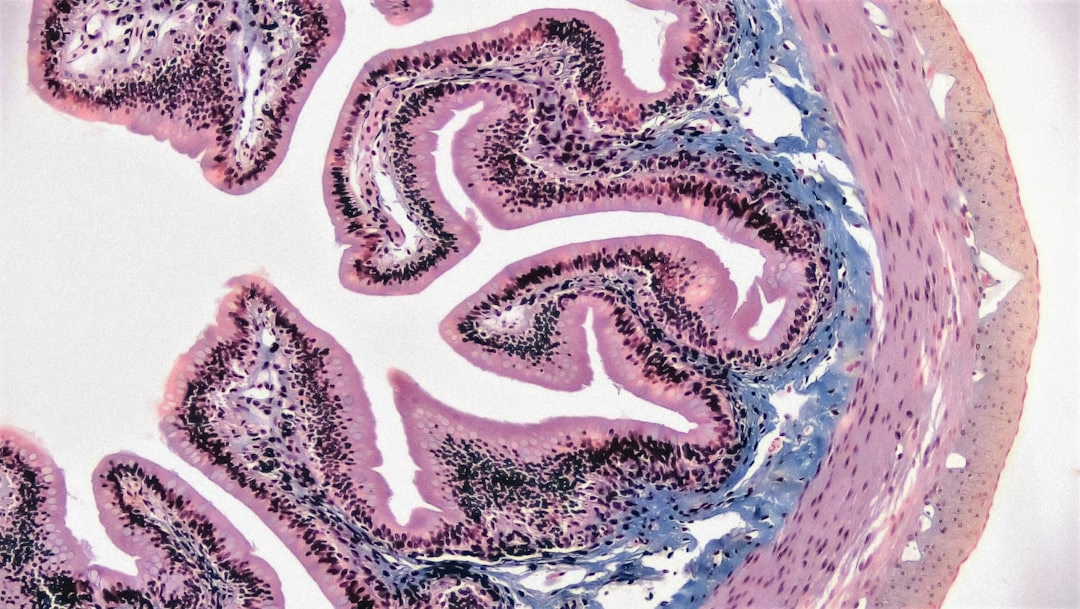
Ulcerative colitis (UC) is a chronic inflammatory bowel disease (IBD) that primarily affects the large intestine (colon and rectum). It’s a condition where the lining of your large intestine becomes inflamed and develops tiny open sores, or ulcers. This inflammation can lead to a range of uncomfortable and sometimes debilitating symptoms. Understanding these symptoms and the various treatment options available is key to managing the condition and improving quality of life. The quick answer to what UC is, is simply an autoimmune condition where your body mistakenly attacks its own digestive tract, leading to persistent inflammation in the colon.
Let’s dive a little deeper into what exactly UC entails. It’s not just a “stomach ache.” This is a long-term condition that waxes and wanes, meaning you’ll have periods of symptom flare-ups followed by periods of remission, where symptoms are minimal or absent. Unlike Crohn’s disease, another form of IBD that can affect any part of the digestive tract, UC is confined to the large intestine. The inflammation in UC is continuous and typically starts in the rectum, progressing upwards through the colon.
The Autoimmune Connection
While the exact cause of UC isn’t fully understood, it’s widely believed to be an autoimmune disease. This means your immune system, which is supposed to protect you from harmful invaders like bacteria and viruses, mistakenly attacks the healthy tissues in your colon. Genetics also play a role, as UC tends to run in families. Environmental factors, such as diet and bacteria in the gut, are also thought to contribute to its development, though their exact impact is still being researched.
Types of Ulcerative Colitis
UC isn’t a one-size-fits-all condition. The type you have depends on where the inflammation is located in your colon:
- Ulcerative Proctitis: This is the mildest form, with inflammation confined to the rectum, the very end of your large intestine. Symptoms are often limited to rectal bleeding and urgency.
- Proctosigmoiditis: Here, the inflammation extends from the rectum into the sigmoid colon, the lower part of your large intestine. You might experience bloody diarrhea, abdominal cramps, and tenesmus (a feeling of incomplete bowel evacuation).
- Left-Sided Colitis: This covers inflammation from the rectum up through the splenic flexure (the bend in the colon near your stomach on the left side). Symptoms often include bloody diarrhea, weight loss, and pain on the left side of your abdomen.
- Pancolitis: This is the most extensive form, affecting the entire colon. Symptoms are usually more severe and can include significant weight loss, severe abdominal pain, and frequent, bloody diarrhea.
- Fulminant Colitis: This is a rare but severe form of pancolitis that develops rapidly and can be life-threatening. It involves intense inflammation, severe pain, profuse diarrhea, dehydration, and potentially toxic megacolon (a severely dilated colon).
For those interested in exploring the connections between lifestyle choices and health conditions such as ulcerative colitis, a relevant article can be found at Embracing the Homesteading Lifestyle: A Guide to Sustainable Living. This piece discusses how adopting a more sustainable and natural lifestyle may positively impact overall health, potentially benefiting individuals managing chronic conditions like ulcerative colitis.
Common Symptoms
The symptoms of UC vary depending on the extent and severity of the inflammation. However, there are some common issues that many people with UC experience. These symptoms can impact daily life significantly, and it’s important to recognize them so you can seek appropriate medical attention.
Digestive Tract Symptoms
These are the most prominent and often distressing signs of UC:
- Diarrhea: This is usually the most common symptom, and it often contains blood or mucus. The frequency can range from a few times a day to many times, especially during a flare-up.
- Abdominal Pain and Cramping: This can range from mild discomfort to severe, debilitating pain, often relieved after a bowel movement. The location of the pain can give clues about which part of the colon is affected.
- Rectal Bleeding: Seeing blood in your stool or on toilet paper is a hallmark symptom of UC, especially with ulcerative proctitis. This occurs because the ulcers in the colon are bleeding.
- Urgency to Defecate (Tenesmus): You might feel a strong, sudden need to go to the bathroom, even if your bowels are empty. This is often due to inflammation in the rectum.
- Incomplete Bowel Movements: Despite feeling the urge, you might feel like you haven’t fully emptied your bowels, even after going.
- Weight Loss and Loss of Appetite: Inflammation can interfere with nutrient absorption, leading to unintentional weight loss. The discomfort and frequent bowel movements can also reduce your desire to eat.
- Fatigue: Chronic inflammation and nutrient deficiencies often lead to profound fatigue that isn’t relieved by rest.
- Anemia: Blood loss from rectal bleeding can lead to iron-deficiency anemia, which contributes to fatigue and weakness.
Extraintestinal Manifestations
UC isn’t just about your gut. The inflammation can sometimes affect other parts of your body. These are called “extraintestinal manifestations” and can include:
- Joint Pain (Arthritis): Inflammation can affect joints, leading to pain, stiffness, and swelling. This can range from mild joint aches to more severe inflammatory arthritis.
- Skin Problems: Various skin conditions can occur, such as erythema nodosum (tender red bumps on the shins) and pyoderma gangrenosum (painful ulcers).
- Eye Inflammation: Conditions like uveitis (inflammation of the middle layer of the eye) or episcleritis (inflammation of the white part of the eye) can cause pain, redness, and light sensitivity.
- Liver and Bile Duct Issues: Primary sclerosing cholangitis (PSC), a progressive liver disease, is more common in people with UC.
- Osteoporosis: Long-term inflammation and steroid use can weaken bones, increasing the risk of osteoporosis.
Diagnosing Ulcerative Colitis

Getting a proper diagnosis is the first crucial step in managing UC. It often involves a combination of tests and a thorough review of your medical history and symptoms.
Medical History and Physical Exam
Your doctor will ask detailed questions about your symptoms, including when they started, their frequency, severity, and any factors that seem to make them better or worse. They’ll also perform a physical exam, which might include gently feeling your abdomen to check for tenderness or swelling.
Laboratory Tests
Blood and stool tests can provide valuable clues:
- Blood Tests: These can check for signs of inflammation (like C-reactive protein or erythrocyte sedimentation rate), anemia (low red blood cell count), and nutritional deficiencies.
- Stool Samples: These are checked for blood, infection-causing bacteria, and markers of inflammation like fecal calprotectin. Calprotectin is a protein released by inflammatory cells and can indicate inflammation in the gut.
Endoscopic Procedures
These are typically necessary to confirm the diagnosis and assess the extent of the inflammation:
- Colonoscopy: This is considered the gold standard for diagnosing UC. A long, flexible tube with a camera is inserted into the rectum and guided through the colon. This allows the doctor to visually inspect the lining of the colon, identify inflammation and ulcers, and take tissue samples (biopsies).
- Sigmoidoscopy: Similar to a colonoscopy, but it only examines the rectum and a portion of the sigmoid colon. This might be used for initial diagnosis, especially if symptoms are confined to the lower colon.
Imaging Studies
Sometimes, imaging tests are used to get a broader picture:
- MRI or CT Enterography: These advanced imaging techniques can help visualize the small intestine and areas beyond what a colonoscopy can reach, though they are more commonly used for Crohn’s disease to rule it out. In UC, they might be used to assess for complications like abscesses or toxic megacolon.
- X-rays: A plain abdominal X-ray can sometimes be used to check for severe complications like toxic megacolon during a flare-up.
Treatment Approaches
There’s no one-size-fits-all treatment for UC. The goal of treatment is to reduce inflammation, alleviate symptoms, induce and maintain remission, and prevent complications. Your treatment plan will be tailored to your specific type and severity of UC.
Medications
Medications are the cornerstone of UC treatment. They come in various forms, including oral pills, suppositories, enemas, and intravenous infusions.
- Aminosalicylates (5-ASAs): These are often the first-line treatment for mild to moderate UC, especially for ulcerative proctitis and left-sided colitis. They work by reducing inflammation in the lining of the bowel. Examples include mesalamine, sulfasalazine, and olsalazine. They can be taken orally, or as suppositories or enemas for inflammation in the rectum or lower colon.
- Corticosteroids: These powerful anti-inflammatory drugs are used for short-term control of moderate to severe flare-ups. They work quickly to reduce inflammation but come with significant side effects with long-term use (e.g., weight gain, mood changes, bone thinning). Examples include prednisone and budesonide. They are usually tapered off once symptoms are under control.
- Immunosuppressants: These medications work by suppressing the immune system to reduce inflammation. They are often used for people who don’t respond to 5-ASAs or corticosteroids, or to help maintain remission. Examples include azathioprine (Imuran) and mercaptopurine (Purinethol). They can take several months to become fully effective and require regular monitoring for side effects.
- Biologics: These are a newer class of medications that target specific proteins in the immune system that cause inflammation. They are often used for moderate to severe UC that hasn’t responded to other treatments. Biologics are given by injection or intravenous infusion. Examples include infliximab (Remicade), adalimumab (Humira), vedolizumab (Entyvio), and ustekinumab (Stelara). These drugs have revolutionized UC treatment for many, offering significant improvements in symptoms and quality of life.
- JAK Inhibitors: These are a class of oral medications (small molecules) that work by blocking specific signaling pathways within immune cells that contribute to inflammation. Tofacitinib (Xeljanz) is one example approved for moderate to severe UC.
Lifestyle and Dietary Adjustments
While diet doesn’t cause UC, certain foods can trigger or worsen symptoms during a flare-up. Learning your triggers can be very helpful:
- Identifying Trigger Foods: Keep a food diary to track what you eat and how you feel. Common triggers include high-fiber foods, fatty foods, dairy, caffeine, and spicy foods.
- Small, Frequent Meals: Eating smaller, more frequent meals can be easier to digest for some.
- Hydration: Staying well-hydrated is crucial, especially with frequent diarrhea.
- Supplements: Your doctor might recommend supplements like iron (for anemia), vitamin D, or calcium to address deficiencies.
- Stress Management: Stress can exacerbate UC symptoms. Techniques like meditation, yoga, mindfulness, or talking to a therapist can be beneficial.
- Avoid Smoking: Smoking is known to worsen UC and increase the risk of complications.
Surgery
For some individuals with UC, particularly those with severe disease not responding to medication, or those who develop complications, surgery may be necessary.
- Colectomy: This involves surgically removing the entire colon and rectum. It’s often considered a cure for UC, as the source of inflammation is removed. However, it’s a major surgery with significant implications.
- Ileoanal Anastomosis (J-Pouch Surgery): This is the most common surgical procedure after colectomy for UC. After removing the colon and rectum, the surgeon creates an internal pouch (J-pouch) from the end of the small intestine (ileum) and connects it to the anus. This allows you to pass stool normally, though bowel habits will be different. This is typically done in two or three stages.
- Ileostomy: In some cases, especially if a J-pouch isn’t feasible or desired, an ileostomy may be performed. This involves bringing the end of the small intestine through an opening in the abdominal wall, where stool is collected in an external pouch (ostomy bag).
Ulcerative colitis is a chronic inflammatory bowel disease that can significantly impact a person’s quality of life. For those managing this condition, maintaining a healthy diet is crucial, and understanding how to preserve nutrient-rich foods can be beneficial. A related article discusses various methods for preserving fruits and vegetables, which can help individuals with ulcerative colitis incorporate more fresh produce into their meals. You can read more about these helpful tips in the article on preserving your harvest here.
Living with Ulcerative Colitis
| Metrics | Value |
|---|---|
| Prevalence | 1.3 million people in the United States |
| Age of Onset | Usually between 15 and 30 years old |
| Symptoms | Abdominal pain, diarrhea, rectal bleeding, weight loss |
| Treatment | Medication, lifestyle changes, surgery in severe cases |
| Complications | Colon cancer, severe bleeding, perforated colon |
Living with a chronic condition like UC can be challenging, but with proper management, many people lead full and active lives.
Regular Monitoring
Ongoing collaboration with your healthcare team is essential.
- Follow-up Appointments: Regular check-ups with your gastroenterologist are crucial to monitor your condition, adjust medications, and screen for complications.
- Colonoscopies: Even in remission, periodic colonoscopies are recommended to screen for colon cancer, as people with long-standing UC have an increased risk.
Mental Health Support
The emotional toll of UC can be significant.
- Support Groups: Connecting with others who understand what you’re going through can be incredibly helpful.
- Therapy: A therapist can assist with coping strategies, stress management, and addressing anxiety or depression that often accompanies chronic illness.
Managing Flares
Even with effective treatment, flares can happen. Knowing how to manage them can make a big difference.
- Early Recognition: Pay attention to your body and recognize early signs of a flare-up.
- Contact Your Doctor: Don’t hesitate to reach out to your healthcare team when symptoms worsen, so they can adjust your treatment plan promptly.
Understanding ulcerative colitis, its symptoms, and the various treatment avenues available empowers you to be an active participant in your care. While it’s a lifelong condition, advancements in medicine mean that remission is achievable for many, allowing for a significantly improved quality of life. Always work closely with your healthcare providers to develop a personalized management plan that best suits your needs.
