
Holistic health wellness is essentially looking at your health from all angles – mind, body, and spirit – rather than just focusing on one symptom or part of you. It’s about recognizing that everything’s connected and that true well-being comes from nurturing each of these areas. Instead of just treating a headache, for instance, a holistic approach would explore why you’re getting headaches. Is it stress, diet, lack of sleep, or something else entirely? By addressing the root causes and fostering balance across your entire being, you can achieve a more sustainable and vibrant state of health.
When we talk about holistic health, we’re moving away from the idea that our bodies are a collection of separate systems. Think of it more as an intricate orchestra where every section needs to be in tune for a beautiful performance. If one instrument is off, it affects the whole sound.
Beyond Symptom Management
Conventional medicine often excels at acute care and symptom management. You have a cough, you get cough medicine. Your blood pressure is high, you get medication to lower it. This is incredibly valuable and often life-saving. However, holistic health digs deeper. It asks, “Why is the blood pressure high in the first place?” or “What underlying imbalances are leading to this chronic cough?” It’s not about rejecting conventional medicine, but rather complementing it with a broader perspective.
The Interconnectedness of Everything
This is perhaps the core principle. Your emotional state can absolutely impact your physical health. Chronic stress, for example, isn’t just “in your head”; it can manifest as digestive issues, skin problems, or even a weakened immune system. Similarly, what you eat can profoundly affect your mood and cognitive function. Recognizing these links is the first step toward a holistic lifestyle.
For those interested in exploring the interconnectedness of holistic health and sustainable living, a great resource is the article titled “Embracing the Homesteading Lifestyle: A Guide to Sustainable Living.” This piece delves into how adopting a homesteading approach can enhance overall wellness by promoting self-sufficiency and a deeper connection to nature. You can read more about it by following this link: Embracing the Homesteading Lifestyle: A Guide to Sustainable Living.
Nourishing Your Physical Body
Taking care of your physical self is foundational. This isn’t just about looking good, but about providing your body with what it needs to function optimally, energetically, and without unnecessary discomfort.
Fueling with Intentional Nutrition
What you put into your body directly impacts your energy levels, mood, immune system, and long-term health. It’s more than just counting calories; it’s about the quality and type of food.
The Power of Whole Foods
Prioritize unprocessed, whole foods like fruits, vegetables, lean proteins, healthy fats, and whole grains. These are packed with vitamins, minerals, and antioxidants that your body needs to thrive. Think about eating a rainbow of colors to ensure you’re getting a wide range of nutrients.
Hydration is Key
It sounds simple, but many of us don’t drink enough water. Staying adequately hydrated supports every bodily function, from digestion and nutrient absorption to temperature regulation and joint lubrication. Keep a water bottle handy and sip throughout the day.
Mindful Eating Practices
Beyond what you eat, consider how you eat. Are you wolfing down meals while distracted? Try slowing down, savoring your food, and paying attention to your body’s hunger and fullness cues. This can improve digestion and help prevent overeating.
Moving Your Body Regularly
Our bodies are designed to move. A sedentary lifestyle contributes to a host of health problems, both physical and mental.
Finding Movement You Enjoy
The best exercise routine is one you’ll actually stick with. Whether it’s dancing, swimming, hiking, lifting weights, or gardening, find activities that genuinely make you feel good and invigorated, not just exhausted. Mix it up to work different muscle groups and keep things interesting.
Incorporating Daily Activity
You don’t need an hour-long gym session every day. Small changes add up. Take the stairs instead of the elevator, park further away, walk during your lunch break, or do a few stretches while watching TV. Every bit of movement counts.
The Role of Rest and Recovery
Exercise is important, but so is giving your body time to recover and rebuild. Overtraining can lead to injuries, fatigue, and burnout. Listen to your body and schedule rest days.
Cultivating Mental and Emotional Well-being
Your mind and emotions play a colossal role in your overall health. Ignoring them is like trying to drive a car with flat tires – you won’t get far, and it’ll be a bumpy ride.
Managing Stress Effectively
Stress is an unavoidable part of life, but chronic stress can wreak havoc on your body and mind. Learning healthy coping mechanisms is crucial.
Identifying Stress Triggers
Take some time to understand what specifically triggers your stress. Is it work deadlines, financial worries, relationship issues, or something else? Awareness is the first step toward managing it.
Practicing Relaxation Techniques
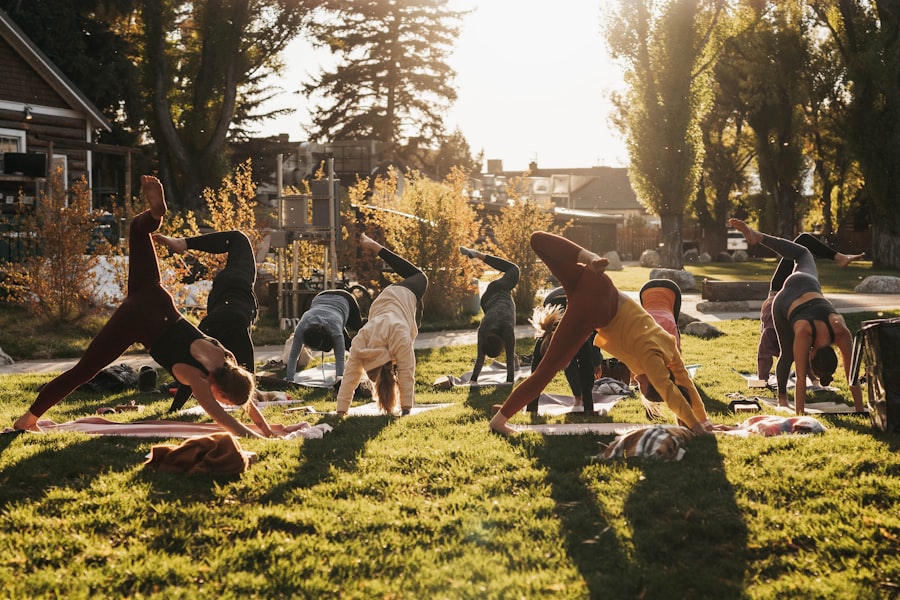
Techniques like deep breathing, meditation, progressive muscle relaxation, and yoga can help calm your nervous system. Even a few minutes a day can make a significant difference in your ability to handle stress.
Setting Healthy Boundaries
Learning to say “no” to commitments that overwhelm you, and establishing clear boundaries in your relationships and work life, can significantly reduce your stress load. Protect your time and energy.
Fostering Positive Relationships
Humans are social creatures. Our connections with others profoundly impact our emotional health.
Nurturing Supportive Connections
Surround yourself with people who uplift you, respect you, and offer genuine support. These relationships act as a buffer against life’s challenges and foster a sense of belonging.
Effective Communication
Learning to express your needs, feelings, and thoughts clearly and respectfully is vital for healthy relationships. This includes active listening – truly hearing what others are saying.
Limiting Toxic Interactions
Just as nurturing positive relationships is important, so is recognizing and, where possible, limiting interactions with individuals or situations that consistently drain your energy or bring you down.
Engaging in Mindful Practices
Mindfulness is about being present in the moment, without judgment. It helps ground you and can reduce anxiety and rumination.
Simple Meditation for Beginners
You don’t need to be a guru. Start with just 5-10 minutes a day. Find a quiet spot, sit comfortably, and focus on your breath. When your mind wanders (which it will!), gently bring your attention back to your breath. There are many apps and guided meditations available to help.
Being Present in Daily Activities
You can practice mindfulness while eating, walking, or even doing chores. Pay attention to the sights, sounds, smells, and sensations. Notice the texture of your food, the feeling of your feet on the ground, or the warmth of the water as you wash dishes.
Nurturing Your Spiritual Self
This often gets overlooked, but our spiritual well-being provides a sense of purpose, meaning, and connection beyond ourselves. It doesn’t necessarily mean religious practice; it can be deeply personal.
Exploring Your Sense of Purpose
Having a sense of purpose gives direction to your life and can create a source of motivation and resilience.
Reflecting on Your Values
What truly matters to you? What principles guide your decisions and actions? Understanding your core values helps you align your life with what you believe in.
Contributing to Something Larger
Whether it’s volunteering, supporting a cause you care about, mentoring someone, or engaging in creative expression that benefits others, contributing beyond yourself can provide immense satisfaction and meaning.
Connecting with Nature
Spending time in natural environments has been shown to reduce stress, improve mood, and boost overall well-being.
“Forest Bathing” and Outdoor Time
This isn’t about actually bathing in a forest; it’s about intentionally immersing yourself in nature. Take a walk in a park, sit by a lake, or simply spend time in your garden. Notice the trees, the sky, the sounds of birds.
Bringing Nature Indoors
If getting outside isn’t always feasible, bring elements of nature into your home with plants, natural light, and natural materials.
Practicing Gratitude
Regularly acknowledging the good things in your life, no matter how small, can shift your perspective and foster more positive emotions.
Keeping a Gratitude Journal
At the end of each day, jot down three things you were grateful for. They don’t have to be grand gestures; it could be a delicious meal, a kind word from a friend, or a beautiful sunset.
Expressing Appreciation
Make an effort to thank people in your life who make a difference. Expressing gratitude strengthens relationships and creates a positive ripple effect.
Exploring the principles of holistic health wellness can greatly enhance your overall well-being, and one effective way to incorporate these principles into your life is by adopting eco-friendly practices. For instance, creating a sustainable home not only benefits the environment but also contributes to a healthier lifestyle. You can learn more about this topic in the article on embracing eco-friendly living, which offers valuable tips and trends to help you make mindful choices. Discover how small changes can lead to significant improvements in both your health and the planet by reading the full article here.
Integrating All Aspects for Sustainable Well-being
| Category | Metric |
|---|---|
| Physical Wellness | Exercise frequency per week |
| Emotional Wellness | Stress level (1-10 scale) |
| Mental Wellness | Hours of sleep per night |
| Social Wellness | Number of social interactions per week |
| Spiritual Wellness | Time spent in meditation or reflection per day |
The real magic happens when you start to see how these different areas interact and support each other. It’s not about perfection, but about creating systems that work for you.
The Importance of Self-Awareness
Before you can make changes, you need to understand where you are. Regularly check in with yourself. How are you feeling physically, mentally, emotionally, and spiritually? Are there areas that feel neglected?
Regular Self-Reflection
Journaling, quiet reflection, or even talking to a trusted friend or therapist can help you gain insight into your current state and identify areas for improvement.
Listening to Your Body’s Signals
Your body often gives you clues. Fatigue, irritability, digestive issues, or difficulty concentrating can all be signals that something is out of balance. Learn to interpret these signals without judgment.
Creating Personal Routines and Rituals
Routines provide structure and can help ensure you’re consistently addressing all aspects of your well-being. Think of them as anchors in your day.
Morning and Evening Practices
Consider starting or ending your day with practices that support your holistic health. This might be a few minutes of meditation, a gentle stretch, reading, or journaling. These small rituals can set a positive tone for your day or help you unwind.
Scheduling “Me Time”
Don’t let self-care become an afterthought. Schedule time for activities that replenish you, just as you would any other important appointment.
Seeking Professional Guidance When Needed
Holistic health doesn’t mean doing it all alone. Sometimes, professional support is invaluable.
Consulting Holistic Practitioners
This could include a nutritionist, acupuncturist, chiropractor, massage therapist, or a spiritual counselor. They can offer specialized approaches that complement your self-care efforts.
Traditional Medical Care
Remember, holistic health is complementary, not a replacement. Regular check-ups with your doctor are still vital, and if you have acute symptoms or chronic conditions, conventional medical care is essential. A holistic approach can work with your medical team to optimize your overall health.
By weaving these threads together, you’re not just patching up symptoms; you’re actively building a strong, resilient fabric of well-being that can carry you through life with greater vitality and joy. It’s a journey, not a destination, and every step you take towards greater balance is a win.
