
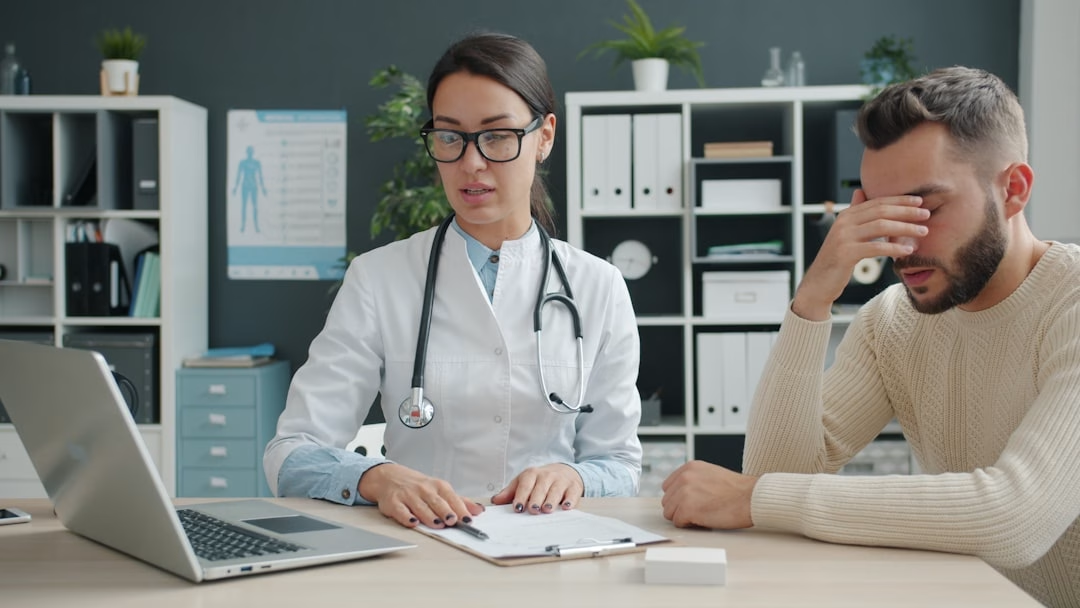
Urgent care centers are a pretty important part of staying healthy, especially when those unexpected health hiccups pop up outside of your regular doctor’s office hours. Think of them as a bridge between your primary doctor and the emergency room, somewhere you can go for those things that can’t wait but aren’t life-threatening emergencies. They’re there to help you get seen quickly and get the care you need without a lot of the hassle.
So, when’s the right time to consider heading to an urgent care clinic? It’s all about figuring out what kind of medical issue you’re dealing with. We’re not talking about a heart attack or a stroke here – those are definite ER situations. But for a whole lot of other things, urgent care can be a lifesaver.
Illnesses That Sneak Up on You
Sometimes you wake up feeling rough, and it’s the weekend or your doctor’s office is already closed. This is prime urgent care territory.
The Common Cold That’s More Than Just a Cold
Your usual sniffles might not be enough to warrant an ER visit, but what if you’re feeling really rundown, have a persistent cough that’s keeping you up at night, or a fever that just won’t break? Urgent care can help diagnose and treat things like bronchitis, the flu, or even strep throat, getting you medication and advice to start feeling better sooner. They have the tools to do quick tests for things like strep or the flu, which can be really helpful in getting the right treatment.
Unexpected Stomach Troubles
Upset stomachs are never fun. If you’re dealing with nausea, vomiting, or diarrhea that’s more than just a minor inconvenience, and it’s not improving, an urgent care visit might be in order. They can assess dehydration levels, check for infections, and help manage the symptoms. While severe abdominal pain would send you to the ER, a persistent, uncomfortable stomach bug can often be managed at urgent care.
Minor Infections and Skin Issues
Got a suspicious rash that’s spreading, or a cut that’s looking a bit red and angry? Urgent care centers are well-equipped to handle many minor infections.
Skin Rashes and Allergic Reactions
Whether it’s an unknown rash that’s itchy and uncomfortable, or you suspect a mild allergic reaction to something you ate or touched, urgent care can help identify the cause and prescribe appropriate treatments like creams or oral medications. They can often distinguish between a simple irritation and something that might need more specialized attention.
Minor Cuts and Burns
If you’ve got a cut that’s bleeding a bit more than you’re comfortable with, or a minor burn from cooking or an accident, urgent care can clean it, stitch it if necessary, and provide advice on wound care. They can also assess the depth of a burn and recommend the best course of action to prevent infection and promote healing. This is for injuries that aren’t deep enough to require extensive surgery or specialized burn unit care.
For those seeking to enhance their overall well-being, exploring various aspects of health can be beneficial. One interesting article that delves into a unique approach to wellness is about renewable energy solutions for homesteaders, which can significantly impact one’s lifestyle and health. By adopting sustainable energy practices, individuals can create a healthier living environment and reduce stress associated with energy costs. To learn more about this innovative topic, check out the article here: Renewable Energy Solutions for Homesteaders: Power Your Home.
Injuries That Need Prompt Attention
Beyond illness, urgent care is a fantastic resource for those everyday bumps and bruises that can really slow you down.
Sprains, Strains, and Minor Fractures
Accidents happen. Tripping on the pavement or twisting an ankle during a workout can leave you in pain and unsure of what to do.
Twisted Ankles and Sprained Wrists
These are classic urgent care situations. They can quickly assess the severity of the sprain, often with an X-ray if needed, and provide you with crutches, a brace, or a splint to help you manage the pain and start the healing process. Getting the right diagnosis means you can start physical therapy or take the appropriate steps to avoid further injury.
Minor Bone Fractures
If you suspect you’ve broken a bone – say, a finger or a toe – and it’s not deformed or severely displaced, urgent care is ideal. They can obtain an X-ray to confirm the fracture and provide immobilization services like casting or splinting. This saves you the longer wait and higher cost often associated with ER visits for less complex fractures.
Falls and Other Accidents
Even a simple fall can lead to an injury that needs a quick check.
Bumps and Bruises That Worry You
If you’ve taken a fall and have a significant bump or bruise that’s concerning you, or if you’re worried about a head injury (provided there are no signs of concussion like loss of consciousness or severe dizziness), an urgent care visit can offer peace of mind and an initial assessment. They can check for more serious underlying issues that might not be immediately apparent.
Foreign Objects in the Eye or Ear
Something in your eye that you can’t get out, or an earache that’s suddenly become unbearable? Urgent care can safely remove foreign objects and assess ear infections, providing relief more quickly than waiting for your primary doctor’s appointment. They have the right tools and sterile environments for these delicate procedures.
When to Choose Urgent Care Over the ER

Understanding the distinction between urgent care and the emergency room is crucial for efficient healthcare. While both offer immediate care, they serve different purposes.
The Role of the ER
Emergency rooms are designed for life-threatening conditions. Think severe chest pain, difficulty breathing, major trauma, uncontrolled bleeding, or suspected strokes. They have a higher level of resources and are staffed to handle the most critical medical emergencies.
The Urgent Care Niche
Urgent care centers fill the gap for non-life-threatening illnesses and injuries that need prompt attention but don’t require a full ER workup. This includes things like moderate fevers, minor cuts, sprains, or ear infections. The key difference is often the severity of the condition.
Cost-Effectiveness
Generally, urgent care visits are significantly less expensive than ER visits. This is because urgent care centers have lower overhead costs and are designed for a more streamlined process for less critical conditions. For a condition that can be treated at urgent care, opting for it can save you money and potentially reduce your insurance deductibles.
Shorter Wait Times
One of the biggest draws of urgent care is the significantly shorter wait time compared to most emergency rooms. While ERs prioritize patients with the most severe conditions, urgent care centers aim to see patients within a reasonable timeframe, often within an hour or two. This is especially valuable when you’re feeling unwell and want to get seen and treated quickly.
Convenience and Accessibility
Urgent care clinics are often conveniently located in accessible areas and have extended hours, including evenings and weekends. This makes them a practical choice when your regular doctor’s office is closed or when you need care outside of typical business hours. They’re positioned to be there for you when your primary care physician isn’t.
What to Expect at an Urgent Care Visit

Walking into an urgent care center for the first time might feel a little different from your regular doctor’s appointment. Here’s a general idea of what the process usually involves.
Registration and Initial Assessment
When you arrive, you’ll typically check in at the front desk. You’ll likely need to provide your insurance information and some basic personal details.
Paperwork and Medical History
Be prepared to fill out some paperwork regarding your current symptoms, medical history, medications, and allergies. Be as thorough and accurate as possible, as this information helps the medical staff understand your situation.
Triage Process
A nurse or medical assistant will usually see you shortly after registration for a brief assessment, known as triage. They’ll ask about your symptoms, take your vital signs (temperature, blood pressure, heart rate, etc.), and get a general understanding of why you’re there. This helps them prioritize who needs to be seen next and by which provider.
Seeing the Provider
After triage, you’ll wait to be called back to an exam room to see a healthcare provider.
Diagnosis and Treatment Plan
The provider will then assess your condition, listen to your symptoms, and perform a physical examination. They may order diagnostic tests like blood work, urine tests, or X-rays if necessary. Based on their findings, they will develop a diagnosis and a treatment plan.
Prescriptions and Referrals
If you need medication, they can often provide prescriptions that you can fill at a local pharmacy. If your condition requires further specialized care or a follow-up with a specialist, they can provide a referral. They’ll also give you instructions on how to care for yourself at home.
Follow-Up Care
In most cases, the urgent care provider will advise you to follow up with your primary care physician for ongoing management of your condition, especially if it’s a recurring issue.
Communication with Your Doctor
Good urgent care centers will often send a summary of your visit and treatment to your primary care doctor, ensuring continuity of care. It’s always a good idea to let your primary doctor know you visited urgent care, especially if you have chronic health conditions.
Wellness urgent care facilities are becoming increasingly popular as people seek immediate medical attention without the long wait times typically associated with traditional emergency rooms. These centers not only provide quick access to healthcare but also emphasize holistic approaches to treatment. For those interested in enhancing their overall well-being, exploring sustainable living practices can be beneficial. A related article discusses how embracing the homesteading lifestyle can contribute to personal wellness and environmental health. You can read more about it in this insightful piece on sustainable living.
Beyond Immediate Symptoms: The Role of Urgent Care in Preventive Health
| Metrics | Data |
|---|---|
| Number of Patients Served | 500 |
| Average Wait Time | 30 minutes |
| Customer Satisfaction Rate | 90% |
| Number of Staff Members | 15 |
While urgent care is primarily known for handling acute issues, it can also play a supportive role in preventive health.
Vaccinations and Booster Shots
Many urgent care centers offer common vaccinations. If you need a flu shot, a tetanus booster, or other routine immunizations outside of your doctor’s appointment, urgent care can be a convenient option. This is especially helpful during flu season when family doctors might be booked up.
Routine Physicals and Screenings (Limited)
Some urgent care centers offer basic health screenings or can perform certain components of a physical exam. However, for comprehensive annual check-ups, it’s still best to see your primary care physician. Urgent care is more for getting specific tests done if you have a particular concern that your doctor can’t address immediately.
Sports Physicals and Pre-Employment Screenings
If your child needs a physical for sports or you require a pre-employment physical, many urgent care clinics can accommodate these appointments. These are often standardized exams with specific requirements, and urgent care can provide a timely solution.
Basic Health Checks
If you’re experiencing a minor, non-emergent health concern that you’d like checked out, and your doctor isn’t available, urgent care can offer a preliminary assessment. This could be for something like a persistent cough you want to get looked at, or a mild rash you’re curious about, without the pressure of a full medical emergency.
Managing Chronic Conditions (Short-Term)
For individuals with chronic conditions, urgent care can sometimes provide temporary relief or management for flare-ups.
Minor flare-ups of Chronic Illnesses
If you have a chronic condition like asthma or diabetes, and you experience a minor flare-up that isn’t a life-threatening emergency but requires prompt attention, urgent care can help. For example, if you’re experiencing increased shortness of breath from asthma but are not in severe respiratory distress, an urgent care visit for a breathing treatment might be appropriate.
Medication Refills (In specific circumstances)
While not their primary function, some urgent care centers may be able to assist with urgent medication refills for chronic conditions if your primary doctor is unavailable and if it’s a situation where a lapse in medication could be detrimental. This is typically for short-term needs and not a substitute for regular prescription management.
Ultimately, urgent care centers are a valuable and flexible component of our healthcare system. They’re there to provide accessible, timely medical attention for a wide range of conditions, ensuring that you can get the care you need, when you need it, without unnecessary delays or costs. They’re a practical tool for keeping you and your family well.
